White flakes on a dark coat or a dusting on the couch where your dog naps: dog dandruff is common, and a good dog dandruff shampoo can make a real difference. The catch is that flakes are a symptom, not a diagnosis. Dry skin, seborrhea, yeast, allergies, hormone problems and even tiny mites can all look like dandruff. This guide explains the usual causes, when a vet visit makes sense, which shampoo ingredients do what, and how to bathe a flaky dog so the shampoo actually works.
In This Article
- Quick Answer: What Is the Best Dog Dandruff Shampoo?
- What Causes Dandruff in Dogs?
- Is It Dandruff or Walking Dandruff Mites?
- When Should You See a Vet About Dog Dandruff?
- Which Dandruff Shampoo Ingredients Actually Help Dogs?
- Are Coal Tar and Human Dandruff Shampoos Safe for Dogs?
- How Do You Bathe a Dog With Dandruff Shampoo?
- How Often Should You Use Dandruff Shampoo on a Dog?
- How Do Brushing and Diet Help With Flaky Skin?
- What Do Owners Ask Most About Dog Dandruff Shampoo?
- Sources
Quick Answer: What Is the Best Dog Dandruff Shampoo?
The best dog dandruff shampoo matches the cause. Mild dry flaking usually improves with a gentle moisturizing or oatmeal shampoo. Heavy or greasy scale often needs a keratolytic formula with salicylic acid or sulfur, while yeast calls for an antifungal wash. Persistent, itchy or moving flakes need a vet visit before any shampoo.
Updated October 22, 2026- Mild, dry flakes: a gentle moisturizing, oatmeal or hypoallergenic dog shampoo, followed by a conditioner.
- Heavy or greasy scale: an antiseborrheic shampoo with salicylic acid and sulfur, ideally chosen with your vet.
- Yeasty smell, greasy redness: an antifungal shampoo with ingredients such as chlorhexidine, ketoconazole or miconazole.
- Flakes that seem to move: possible walking dandruff mites; see a vet, because shampoo alone is not the treatment.
- Never on cats: coal tar products, and never use human dandruff shampoo on a dog without your vet's approval.
What Causes Dandruff in Dogs?
Answer: Dog dandruff usually comes from seborrhea, a skin disorder that makes the skin flaky, greasy or both. It can be inherited, but more often it is triggered by something else: allergies, parasites such as fleas or mites, yeast or bacterial infections, hormone problems like hypothyroidism, a diet low in healthy fats, dry air, or obesity that stops grooming.
Healthy skin sheds dead cells all the time, quietly and in tiny amounts. Dandruff appears when that turnover speeds up or the skin's oil balance goes wrong. Veterinarians call the condition seborrhea. VCA Animal Hospitals describes two forms: seborrhea sicca, the dry and flaky type, and seborrhea oleosa, the oily type. Most affected dogs have a mix of both, so the same dog can have flakes along the back and greasy, smelly skin in the folds. Source: VCA Animal Hospitals, Seborrhea in Dogs.
Primary seborrhea is inherited and starts young. The Merck Veterinary Manual lists breeds in which it is more common, including American Cocker Spaniels, English Springer Spaniels, Basset Hounds, West Highland White Terriers, Dachshunds, Labrador and Golden Retrievers and German Shepherd Dogs. Even in those breeds, vets rule out other causes before settling on that diagnosis. Source: Merck Veterinary Manual, Seborrhea in Animals.
Secondary seborrhea is far more common, and that is the important part for shampoo shoppers: the flakes are a sign of another problem. VCA lists these common triggers:
- Allergies: environmental or food allergies inflame the skin and speed up cell turnover.
- Parasites: fleas, ticks and mange mites, including Cheyletiella, the "walking dandruff" mite.
- Infections: yeast (especially Malassezia) and bacterial skin infections.
- Hormone imbalances: thyroid disease and Cushing's disease.
- Diet: diets low in omega-3 fatty acids.
- Environment: changes in temperature and humidity, such as dry indoor heat in winter.
- Grooming problems: obesity or joint disease that stops a dog from grooming itself.
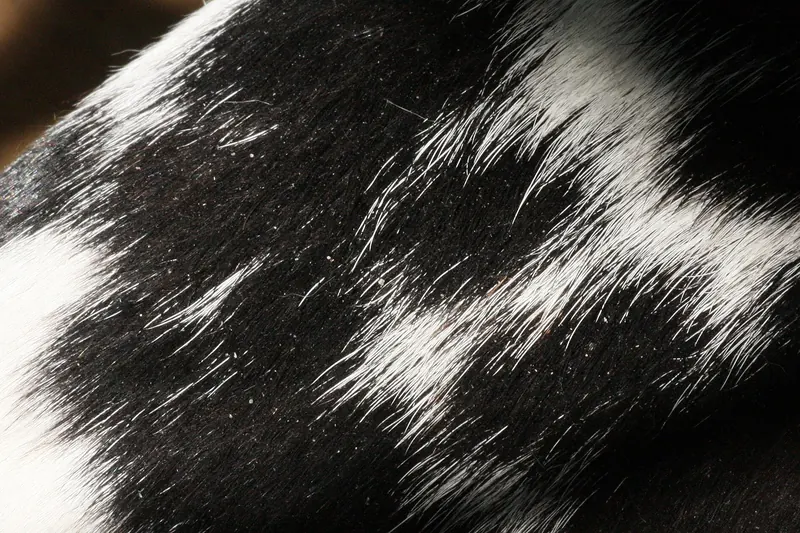
Hypothyroidism deserves a special mention because it is easy to miss. VCA lists a dry, dull coat with heavy shedding, thinning hair, darker skin and repeated skin and ear infections among its signs, often together with weight gain without a bigger appetite, tiredness and feeling the cold. A dog with those signs plus flaky skin needs a blood test, not just a new shampoo. Source: VCA Animal Hospitals, Hypothyroidism in Dogs.
Is It Dandruff or Walking Dandruff Mites?
Answer: If the flakes seem to move, your dog may have walking dandruff, an infestation of Cheyletiella mites. The "moving dandruff" is really the mites crawling over the skin. It is very contagious between pets, can also infest people, and needs veterinary antiparasitic treatment for every pet in the home, not a dandruff shampoo.
The Merck Veterinary Manual names Cheyletiella yasguri as the mite behind walking dandruff in dogs. Signs include scaling, often along the back, and itching that ranges from intense to none at all. Dogs with no signs can still carry mites and pass them to other pets and to people. The mites spend their whole three week life cycle on the host but can survive up to ten days in the environment, which is why bedding and carpets need attention too. Source: Merck Veterinary Manual, Mite Infestation in Dogs.
VCA calls cheyletiellosis uncommon but highly contagious, and notes it has become rare thanks to modern flea control products. Most dogs pick it up from other animals in shelters, at breeders, at groomers or anywhere many dogs mix. A puppy that came home with flaky skin from a busy kennel is a classic case. Source: VCA Animal Hospitals, Cheyletiellosis in Dogs.
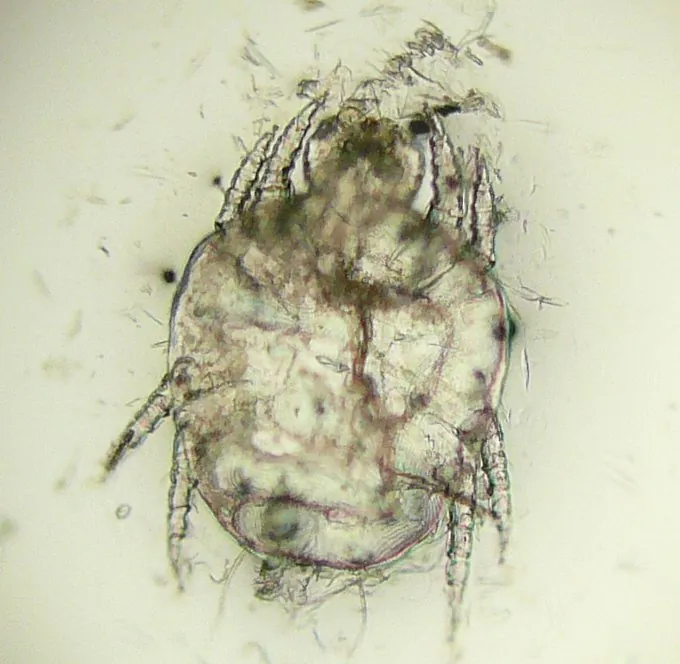
Diagnosis is done under a microscope, using skin scrapings, tape samples or flea combing. Mites and eggs can be hard to find, especially on dogs that are bathed often, so a frequently shampooed dog can hide an infestation. Treatment is a prescription insecticide for every animal in the household plus cleaning of bedding and soft furnishings. A fine flea comb is useful for checking, but leave the diagnosis to your vet.
When Should You See a Vet About Dog Dandruff?
Answer: See your vet if flaking lasts more than a couple of weeks despite gentle care, or comes with itching, redness, hair loss, sores, a greasy or smelly coat, ear problems, weight gain or lethargy. Moving flakes, other itchy pets or itchy people in the home are also reasons to book a visit before trying medicated shampoos.
A short bout of dry flakes in winter, in an otherwise happy dog, is often just dry indoor air and too frequent bathing with the wrong product. Anything beyond that is worth a professional look, because the shampoo that helps depends entirely on the cause. Merck notes that infections play a major role in most cases of seborrhea, and that the first step is usually to look at skin samples under a microscope for bacteria and yeast.
Book an appointment sooner if you notice any of these:
- Itching that keeps your dog up at night, or scratching that breaks the skin.
- Red, scabby, bald or thickened patches, or crusts along the back.
- A rancid or yeasty smell, or greasy skin in the armpits, groin and folds.
- Flakes that move, or new itchy bumps on you or your family.
- Weight gain, tiredness, a thinning coat or repeated ear infections.
- Flaking that started after a new food, a new flea product or a new shampoo.
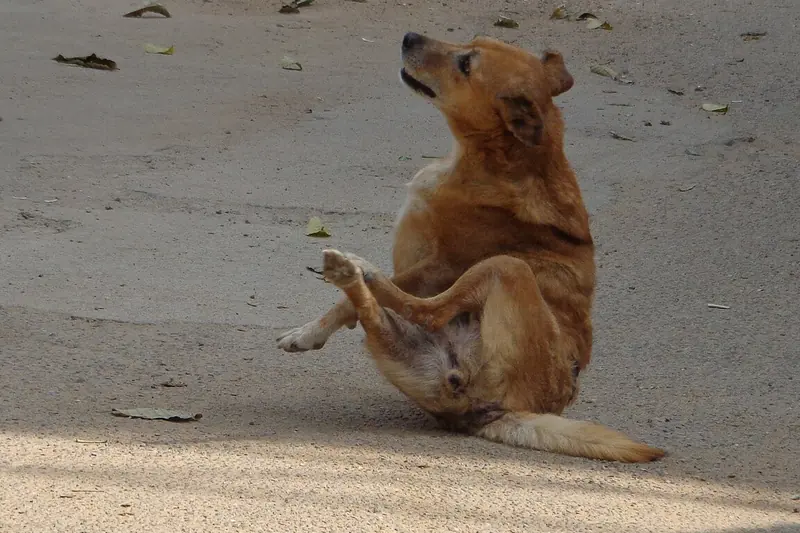
To diagnose the cause, a vet may use skin scrapings, skin cytology, a fungal culture, blood tests for hormone disease, and sometimes a skin biopsy or a strict food trial. That can feel like a lot for "just dandruff", but finding the trigger is what stops the flakes from coming back. Bring photos of the worst days and the label of any shampoo or flea product you use.
Which Dandruff Shampoo Ingredients Actually Help Dogs?
Answer: Gentle moisturizing and oatmeal shampoos suit mild dry flaking. Keratolytic ingredients such as salicylic acid, sulfur and benzoyl peroxide loosen and remove heavy scale. Emollients like lactic acid and lanolin hold moisture in. Antifungals such as chlorhexidine, ketoconazole and miconazole treat yeast. Most medicated dog shampoos combine several of these.
The Merck Veterinary Manual groups medicated shampoo ingredients by what they do. Keratolytic products remove excess dead skin cells, which reduces scale and softens the skin. Keratoplastic products help normalize how skin cells form. Emollients reduce water loss and work best right after a bath, when the skin is rehydrated. Antibacterial and antifungal agents tackle the infections that so often travel with seborrhea. Source: Merck Veterinary Manual, Seborrhea in Dogs.
Merck matches shampoo type to the coat. Dogs with mild scaling and no oiliness need gentle, cleansing, hypoallergenic or moisturizing shampoos. Dogs with moderate to marked scaling and some oiliness, the most common picture, do well with sulfur and salicylic acid. Very oily skin with little scale usually comes with infection and calls for benzoyl peroxide or an antimicrobial product. If you are unsure which describes your dog, a vet can tell you in one visit. Source: Merck Veterinary Manual, Seborrhea in Animals.
Expect a surprise with keratolytic shampoos: Merck notes they often make scaling look worse during the first 14 days, because loosened scales get trapped in the coat. Continued bathing and brushing clears them. Redness, soreness or more itching is different and means you should stop and call your vet. Source: Merck Veterinary Manual, Seborrhea in Dogs.
For a deeper look at each category, see our guides to medicated dog shampoo, antifungal dog shampoo and hypoallergenic dog shampoo. If the real problem is fleas, a flea shampoo for dogs is a short term helper, not a replacement for ongoing flea prevention.
Are Coal Tar and Human Dandruff Shampoos Safe for Dogs?
Answer: Use neither without your vet's approval. The Merck Veterinary Manual says never to use a shampoo made for people unless your veterinarian agrees. Coal tar shampoos are made for dogs, but Merck notes they can be irritating and are usually no longer recommended, and VCA warns that coal tar products should never be used on cats.
Human dandruff shampoos are built for human scalps and human skin chemistry, and some contain coal tar, zinc compounds or strong fragrance. Reaching for the bottle in your shower is tempting, but the Merck Veterinary Manual is direct: never use a shampoo formulated for people without your veterinarian's consent. Dog shampoos are formulated for dog skin, and your vet can recommend one that matches the problem.
Coal tar is a traditional dog ingredient for oily seborrhea, and VCA describes it as reducing inflammation, itch and grease. Merck's professional section adds that tar shampoos usually smell unpleasant, can be irritating and are generally no longer recommended now that better options exist. VCA states plainly that coal tar products should not be used on cats, so if you share a home with a cat, keep any tar shampoo out of reach and never use leftovers on the cat. Source: VCA Animal Hospitals, Coal Tar and Coal Tar Combinations Topical.
Two other common mistakes: bathing a dry, flaky dog every few days with a harsh "deep clean" shampoo, which strips oils and makes dryness worse, and using a strong medicated shampoo on a puppy. Young puppies need products labeled for their age; our puppy shampoo guide explains what to look for.
How Do You Bathe a Dog With Dandruff Shampoo?
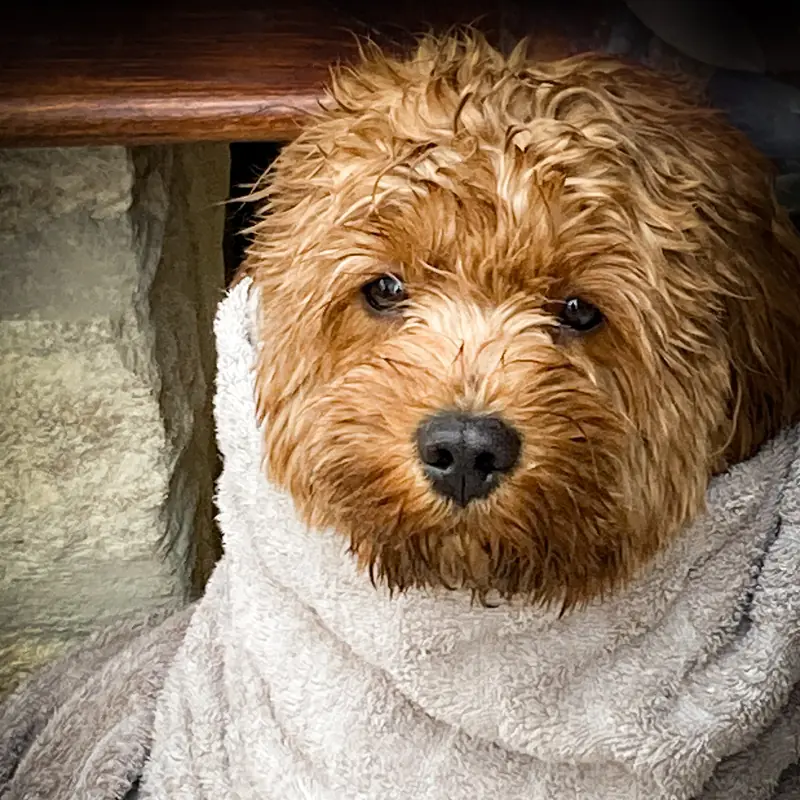
Answer: Brush first, wet the coat with lukewarm water, and wash off dirt with a regular dog shampoo if needed. Work the dandruff shampoo into the worst areas, then the rest of the body, and leave it on for the contact time on the label or from your vet. Rinse until no residue remains, then towel dry.
Medicated shampoos only work if they stay on the skin long enough and come off completely. VCA's bathing guide recommends a contact time of about 10 minutes, or whatever your veterinarian prescribes, and warns that rinsing takes several minutes because no shampoo should be left on the skin. Merck adds that diluting the shampoo, often one part shampoo to three or four parts water depending on the product, helps it rinse out and reduces irritation. Source: VCA Animal Hospitals, How to Bathe Dogs with Medicated Shampoo; Merck Veterinary Manual, Treatment of Skin Disorders in Dogs.
- Brush out the coat. Remove loose hair, mats and as many flakes as you can, so the shampoo reaches the skin.
- Set up a warm spot. Use a tub, sink or pet wash station with lukewarm water, a sprayer or cup, and towels within reach.
- Wet the coat thoroughly. Soak right down to the skin with lukewarm, not hot, water.
- Pre-wash if your dog is dirty. Medicated shampoos often do not lather or clean well, so wash off dirt first with a gentle dog shampoo and rinse.
- Apply the dandruff shampoo. Dilute it if the label says so. Start with the worst areas, often the paws, armpits, groin and around the tail, then massage it over the rest of the body.
- Start a timer. Keep the lather on for the contact time on the label or from your vet (VCA suggests about 10 minutes for medicated shampoos). Keep it out of the eyes and ears.
- Rinse, then rinse again. Rinse every part of the body until the water runs clear and the coat no longer feels slippery. Residue is a common cause of irritation.
- Condition if advised. Apply a leave-in conditioner or moisturizing rinse if your vet recommends one.
- Towel dry and keep warm. Blot rather than rub sore skin, and keep your dog in a warm room until fully dry.
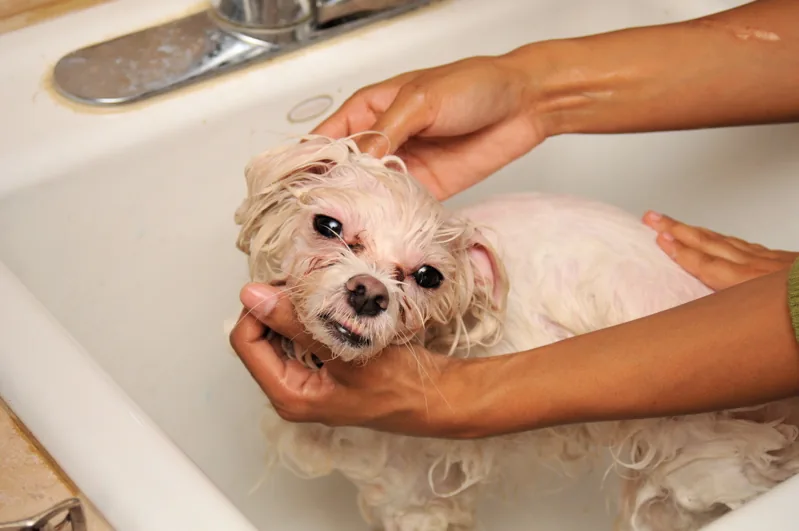
The contact time is where most home baths fall short. A dog that hates standing still can be kept busy with a lick mat smeared with a little of its usual wet food, or with a helper offering small treats. Use the waiting time to gently massage the lather into problem spots. Our dog shampoo guide has more tips on making bath time calmer.
How Often Should You Use Dandruff Shampoo on a Dog?
Answer: It depends on the cause and the product, so follow the label or your vet. Medicated shampoos for seborrhea are often used more often at first and then tapered to a maintenance schedule. Gentle shampoos for mild dry flaking need far fewer baths, because bathing too often can dry the skin further.
For dogs with primary seborrhea, the Merck Veterinary Manual describes bathing two to three times a week until the skin improves, then once or twice a week for maintenance. VCA notes that medicated baths are often recommended weekly. These are typical veterinary schedules for diagnosed skin disease, not a rule for every flaky dog. Source: Merck Veterinary Manual, Seborrhea in Animals; VCA Animal Hospitals, How to Bathe Dogs with Medicated Shampoo.
If your dog's flakes improve, do not stop suddenly unless your vet says so; many plans step down gradually. If the skin gets drier, redder or itchier, the schedule or product may be too strong. For a dog without a skin condition, our guide on how often to bathe a dog covers coat type, lifestyle and season.
How Do Brushing and Diet Help With Flaky Skin?
Answer: Brushing lifts loose flakes and dead hair, spreads natural skin oils and lets you spot problems early, so it makes any shampoo work better. Diet matters too: VCA lists diets low in omega fatty acids as a cause of seborrhea, and fatty acid supplements and skin-focused diets are common parts of veterinary treatment plans.
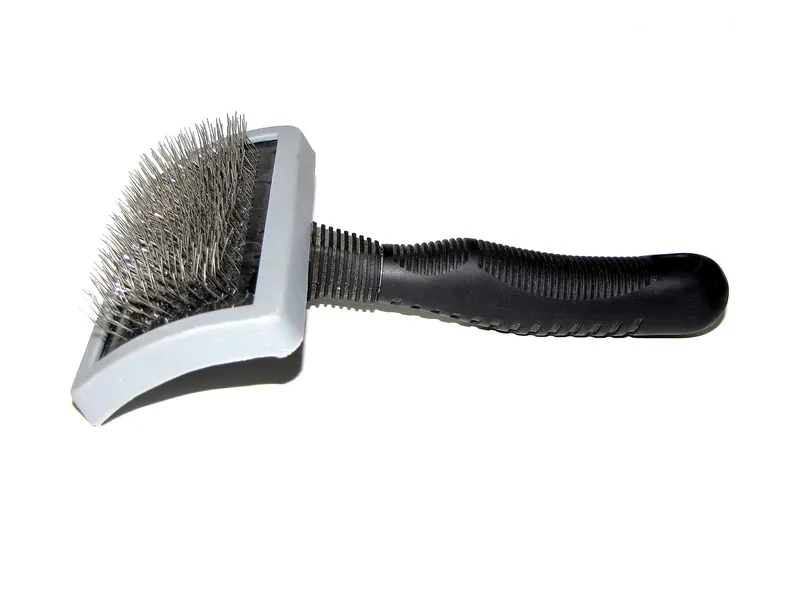
Between baths, a few minutes of brushing several times a week keeps flakes from building up in the coat. Choose the brush for the coat type: a soft bristle brush or rubber curry for short coats, a slicker for medium and long coats, and an undercoat tool for heavy shedders. Brush gently over sore or scaly areas. Our guides to the dog brush, the slicker brush for dogs and shedding brushes help you pick one.
On diet, VCA lists diets low in omega-3 fatty acids among the triggers of secondary seborrhea, and includes omega-3 supplements and hypoallergenic or skin-specific diets among the treatments that help manage it. That does not mean every flaky dog needs fish oil, and supplements can upset some stomachs, so ask your vet about the right product and dose. Source: VCA Animal Hospitals, Seborrhea in Dogs.
A complete, balanced food is the foundation. If you are thinking of changing food, do it gradually, and if a food allergy is suspected, a proper elimination diet run with your vet works better than swapping brands at random. A dog food topper can make a new diet more appealing, but check its ingredients if your dog is on a food trial.
Small habits help as well: run a humidifier if indoor heating dries the air, wipe paws and coat after muddy walks with gentle dog wipes instead of bathing every time, keep up year round flea and parasite prevention, and wash your dog's bedding regularly. Our dog grooming tools roundup lists the basics worth keeping at home.
What Do Owners Ask Most About Dog Dandruff Shampoo?
Answer: Owners usually ask which shampoo is best, whether human dandruff shampoo is safe, why flakes look worse after a medicated bath, how long to leave shampoo on, whether dandruff is contagious, whether diet plays a part, whether coal tar is safe and whether brushing helps. The short answers below draw on VCA and Merck.
What is the best shampoo for dog dandruff?
There is no single best bottle. Mild, dry flaking usually responds to a gentle moisturizing or oatmeal shampoo. Heavy or greasy scale often needs a keratolytic shampoo with salicylic acid or sulfur, and yeast needs an antifungal wash. Your vet can tell you which type fits your dog.
Can I use human dandruff shampoo on my dog?
Not without asking your veterinarian first. The Merck Veterinary Manual advises against using shampoos made for people unless your vet agrees, and some human dandruff products contain coal tar or other ingredients that can irritate a dog's skin.
Why does my dog's dandruff look worse after a medicated bath?
Keratolytic shampoos loosen dead skin, and the loosened scales can get caught in the coat for the first couple of weeks of treatment. Keep bathing as directed and brush between baths. If the skin turns red, sore or itchier, stop and call your vet.
How long should dandruff shampoo stay on a dog?
VCA Animal Hospitals suggests leaving a medicated shampoo on the coat for about ten minutes, or for the contact time your veterinarian prescribes, then rinsing until no residue is left. Gentle cosmetic shampoos do not need a long contact time.
Is dog dandruff contagious to people?
Ordinary dry skin and seborrhea are not contagious. Walking dandruff is different: it is caused by Cheyletiella mites, which spread easily between pets and can also infest people. If the flakes seem to move, see your vet and treat every pet in the home.
Can diet cause dandruff in dogs?
It can contribute. VCA Animal Hospitals lists diets low in omega fatty acids among the causes of secondary seborrhea, and fish oil supplements and skin-focused diets are part of many treatment plans. Ask your vet before adding supplements or switching foods.
Is coal tar shampoo safe for dogs?
Some veterinary shampoos for dogs contain coal tar, but the Merck Veterinary Manual notes that tar shampoos can be irritating and are usually no longer recommended. Coal tar products must never be used on cats, so store them away from any cat in the home.
Should I brush a dog with dandruff?
Yes. Regular brushing lifts loose flakes and dead hair, spreads natural skin oils along the coat and lets you spot redness, scabs or moving specks early. Use a soft brush on sore areas and keep sessions short and calm.
Sources
- VCA Animal Hospitals: Seborrhea in Dogs
- VCA Animal Hospitals: Cheyletiellosis in Dogs
- VCA Animal Hospitals: Hypothyroidism in Dogs
- VCA Animal Hospitals: How to Bathe Dogs with Medicated Shampoo
- VCA Animal Hospitals: Coal Tar and Coal Tar Combinations Topical
- Merck Veterinary Manual: Seborrhea in Dogs (pet owner version)
- Merck Veterinary Manual: Seborrhea in Animals (professional version)
- Merck Veterinary Manual: Mite Infestation (Mange, Acariasis, Scabies) in Dogs
- Merck Veterinary Manual: Treatment of Skin Disorders in Dogs
Bath time, made easier
Browse our grooming tools and accessories for dogs of every size and coat type.
Shop dog grooming