The right shedding brush for dogs depends on one thing more than any other: whether your dog has an undercoat. Double-coated dogs such as Huskies, German Shepherds, and Golden Retrievers need a tool that reaches the dense, soft layer underneath, while short single-coated dogs such as Beagles and Pugs do better with a rubber curry or bristle brush. Picking by coat instead of by brand is what actually cuts the hair on your floor.
Published September 27, 2026. Header photo: Sgt. 1st Class Tanisha Karn, U.S. Army / Wikimedia Commons, Public domain, cropped and resized. A German Shepherd military working dog lies on the grass while a handler works a deshedding tool through its double coat.
In This Article
- The Short Answer
- Why Dogs Shed, and When It Peaks
- The Five Main Types of Shedding Brush
- Match the Shedding Brush to Your Dog's Coat
- How to Run a Deshedding Session
- How Often to Brush in Shedding Season
- Why Shaving Is Not a Shedding Fix
- When Shedding Is a Question for Your Vet
- Choosing and Caring for a Shedding Brush
- Frequently Asked Questions
- Sources
The Short Answer
- Short single coat: a rubber curry brush or grooming glove, then a natural bristle brush. The American Kennel Club recommends bristle brushes and grooming gloves for short coats.
- Double coat: a slicker brush and a steel comb for regular sessions, plus an undercoat rake or deshedding tool when the coat is blowing.
- Long or plush coat: a slicker brush and comb first, and a rake only with a light touch in shedding season.
- Never shave a double coat to stop shedding. It does not stop shedding and it damages the coat.
Why Dogs Shed, and When It Peaks
Shedding is how a dog replaces old or damaged hair, and it is completely normal. According to the American Kennel Club guide to dog shedding, dogs that shed seasonally usually shed the most in spring and fall. In spring they drop the heavy winter coat, and in fall they shed lighter hair to make room for thicker insulation. The AKC explains that shedding is triggered mainly by changes in daylight and temperature, which set off hormonal responses in the coat.
The same guide notes that a shedding season usually lasts from a few weeks to a couple of months, and that losing a full winter coat can take several weeks. Dogs that live mostly indoors, under steady artificial light and heating, may shed lightly all year and still have heavier spells. Coat type matters too: the AKC points out that thick double-coated breeds such as Golden Retrievers are more likely to shed year round.
A shedding brush cannot stop any of this. What it can do is catch loose hair on the brush instead of on the sofa, keep the undercoat from packing into mats, and give you a regular look at the skin underneath.
The Five Main Types of Shedding Brush
Most "shedding brushes" on sale fall into five families. They work in very different ways, so it helps to know what each one is doing to the coat.
If you already own one of these and want a closer look, we cover the slicker brush, the blade-style FURminator deshedding tool, and the Groomi dog brush in their own guides. For a wider view of every brush type, including pin brushes, see our dog brush guide.
Match the Shedding Brush to Your Dog's Coat
The AKC groups brushing advice by coat. For short coats such as Beagles, Pugs, and German Shorthaired Pointers, it recommends natural bristle brushes and grooming gloves. For longer or double coats such as Pomeranians, Collies, and Pembroke Welsh Corgis, it recommends tools that reach the undercoat, starting with a slicker brush, and switching to a coat rake or de-shedding tool during heavy shedding periods.
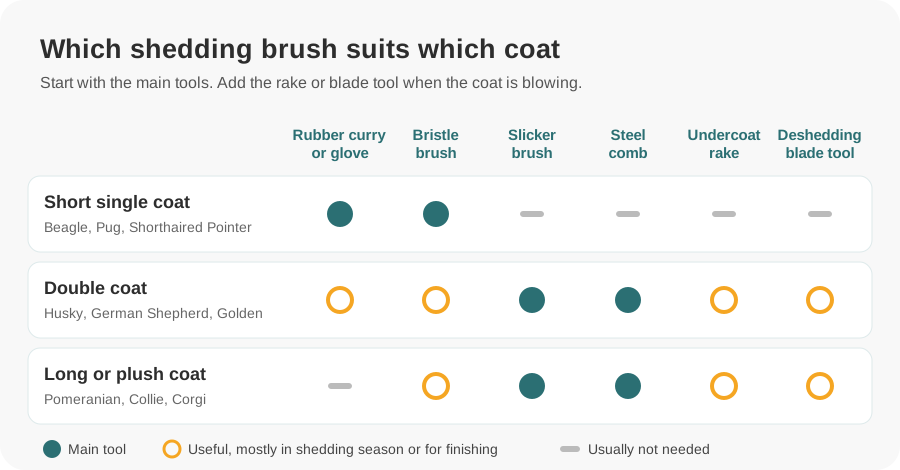
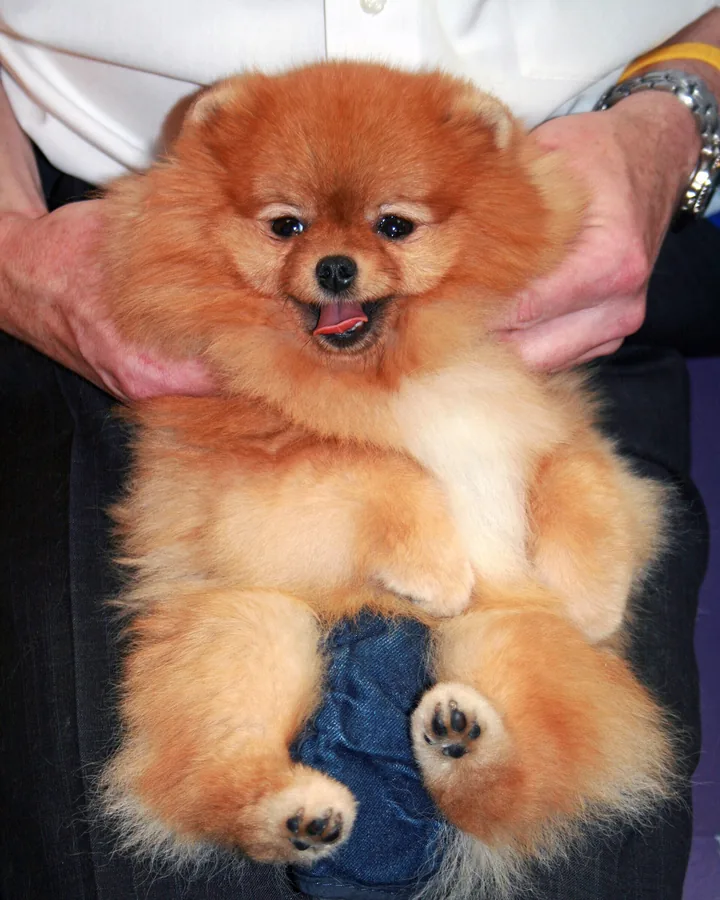
In practice that gives three simple kits:
Short-coated dogs are easy to underestimate. Their hairs are short and stiff, so they weave into fabric, but there is no thick undercoat to rake out. A curry and a bristle brush used often will move more hair than an aggressive blade used once a month.
How to Run a Deshedding Session
Technique matters as much as the tool. The AKC gives a short set of rules for longer and double coats: work in the direction of hair growth, use gentle pressure, especially with tools that have blades, and remove tangles with a steel comb or mat-splitting tool before brushing further. For short coats, it suggests brushing against the direction of growth first to loosen dead hair, then with the growth to remove it, and repeating to spread natural oils.
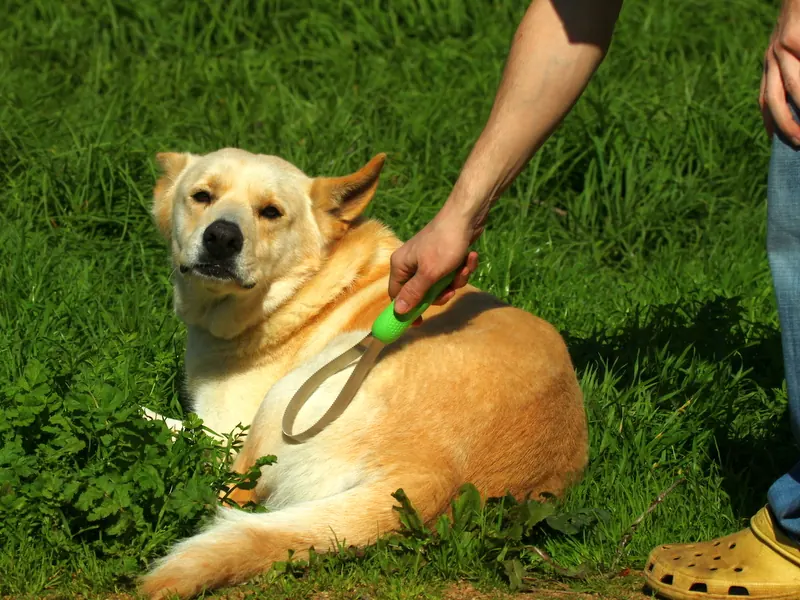
A simple routine for a double-coated dog looks like this:
- Pick a calm moment, ideally after a walk, and work outside or on an easy-to-clean floor.
- Comb first. Run a steel comb through the coat and deal with any tangles before a rake or blade touches them.
- Work in sections, starting at the neck and moving back, lifting the top layer so the tool reaches the undercoat.
- Use short, light strokes with the rake or blade, following the direction of hair growth, and keep the tool moving.
- Finish with a slicker or bristle brush to lift what is left and smooth the outer coat.
- Stop while your dog is still relaxed. Two short sessions beat one long session that ends in a wriggling dog.
Pay attention to how the skin looks as you go. Redness, scratches, or a dog that flinches are signs to lighten the pressure or switch to a gentler tool. Our home grooming routine guide covers how to build brushing into the rest of a grooming schedule.
How Often to Brush in Shedding Season
Outside the heavy seasons, most dogs do fine with a regular brushing routine that suits their coat. When the coat starts to blow, the AKC notes that you may need to groom more often for a while. There is no single correct number, so let the brush tell you. If every session still fills the rake with soft undercoat, you are not done. When the rake starts coming away with only a little hair, you can drop back to the normal routine.
Frequent, short sessions are kinder to the skin than an occasional marathon with a bladed tool. They also keep the undercoat from compacting into mats close to the skin, which are uncomfortable and much harder to remove. If tight mats have already formed, the AKC notes that professional groomers are skilled at removing matted hair and thick tangles gently, and our guide to clippers for grooming dogs covers the blades used on heavy or matted coats.
Baths belong in the plan, but not too often. The AKC double coat guide warns that bathing too often can strip natural oils and dry out the skin and coat, so bathe when your dog is dirty or smelly, rinse until no shampoo is left, and dry the coat fully. It also notes that a dog living in a humid climate that is not brushed weekly can end up with a packed undercoat that holds moisture against the skin. If your dog has sensitive skin, a gentle hypoallergenic shampoo is a safer choice than a heavily scented one.
Why Shaving Is Not a Shedding Fix
Shaving a double-coated dog can look like a shortcut. The AKC advises against it. Its guide to grooming a double-coated dog says shaving does not eliminate shedding, damages the topcoat, and can increase the chance of skin problems or sunburn. It also damages the undercoat that insulates the dog in winter and lets air reach the skin to keep it cool and dry in hot weather.
The AKC article on shaving dogs in summer adds that when double-coated dogs shed their undercoat in warm weather, the outer coat stays to protect them from sunburn and insect bites. The AKC lists Golden Retrievers, Border Collies, German Shepherd Dogs, Labrador Retrievers, Siberian Huskies, and English Springer Spaniels as examples of double-coated breeds. For these dogs, regular deshedding with the right brush is the approach that respects how the coat works.
When Shedding Is a Question for Your Vet
Heavy seasonal shedding is normal. Some patterns are not. The AKC says shedding may be excessive if it comes with bald patches, inflamed skin, or a sudden increase in hair loss, and that these signs should be checked by a veterinarian. It names hypothyroidism, congenital coat disorders, and allergies among the conditions that can affect the skin and coat.
Book a vet visit rather than buying a stronger brush if you notice any of the following:
- Patches of thin or missing hair, especially if they are symmetrical or spreading.
- Red, scaly, greasy, or smelly skin under the coat.
- Constant scratching, licking, or chewing at the skin.
- Hair loss that starts suddenly and does not follow the seasons.
If your vet diagnoses a skin condition, follow their bathing plan. Our guide to medicated dog shampoo explains why contact time matters with those products.
Choosing and Caring for a Shedding Brush
A good shedding brush is comfortable for you to hold and gentle on your dog. Before you buy, check that pins and rake teeth have rounded tips, that blade tools come in a width that suits your dog's size, and that the handle gives a firm grip when your hand gets hairy. A small dog does not need an extra wide blade, and a giant breed will take all afternoon with a tiny one.
Clean hair out of the brush after every session so it keeps working, and wash plastic and rubber tools in warm soapy water from time to time. Replace any tool with bent pins, missing teeth, or a dull or nicked blade. If you are building a full kit, our dog grooming tools guide and our puppy grooming tools guide list what else is worth having. Starting puppies with short, gentle brushing sessions helps them accept grooming before their adult coat comes in.
Brushing also fits naturally alongside play. A tired dog after a game of fetch is usually happier to lie still, which is one more reason to pair grooming with the right toys, like our picks for Huskies and German Shepherds.
Frequently Asked Questions
What kind of brush is best for a shedding dog?
It depends on the coat. The American Kennel Club recommends bristle brushes and grooming gloves for short coats, a slicker brush for longer or double coats, and a coat rake or de-shedding tool during heavy shedding periods.
How often should I brush a dog that is shedding heavily?
More often than usual while the coat is blowing. The AKC notes that shedding season usually lasts a few weeks to a couple of months. Keep sessions short and frequent, and ease off when the brush starts collecting only a little hair.
Can a deshedding tool hurt my dog?
It can irritate the skin if you press hard, stay in one spot, or pull through tangles. The AKC advises gentle pressure with bladed tools, brushing in the direction of hair growth, and combing out tangles first.
Should I shave my double-coated dog to stop shedding?
No. The AKC says shaving does not eliminate shedding, damages the topcoat, and can raise the risk of skin problems and sunburn. It also damages the insulating undercoat.
When do dogs shed the most?
Dogs that shed seasonally usually shed most in spring and fall, according to the AKC. Changes in daylight and temperature trigger the switch between coats.
Do short-haired dogs need a shedding brush?
Yes, but a gentle one. Short single coats have no thick undercoat to rake out, so a rubber curry brush, grooming glove, or bristle brush used often works better than a blade tool.
When is shedding a sign of a health problem?
When it comes with bald patches, inflamed skin, or a sudden increase in hair loss. The AKC lists hypothyroidism, congenital coat disorders, and allergies among the possible causes, so book a vet check.
Sources
- American Kennel Club: Dog shedding, what to expect and how to manage it
- American Kennel Club: How to groom a double-coated dog
- American Kennel Club: Is it OK to shave your dog's coat in summer?
Make brushing time easier
A tired dog sits still for grooming. A quick game of tug before a brushing session helps many dogs settle.
See the Rope Tug Toy