If you are looking for the best dog brush, this comprehensive guide covers everything you need to know. Whether you are a first-time pet owner or an experienced one looking to upgrade, you will find practical advice, safety tips, and honest comparisons below.
Why Regular Dog Brushing Matters
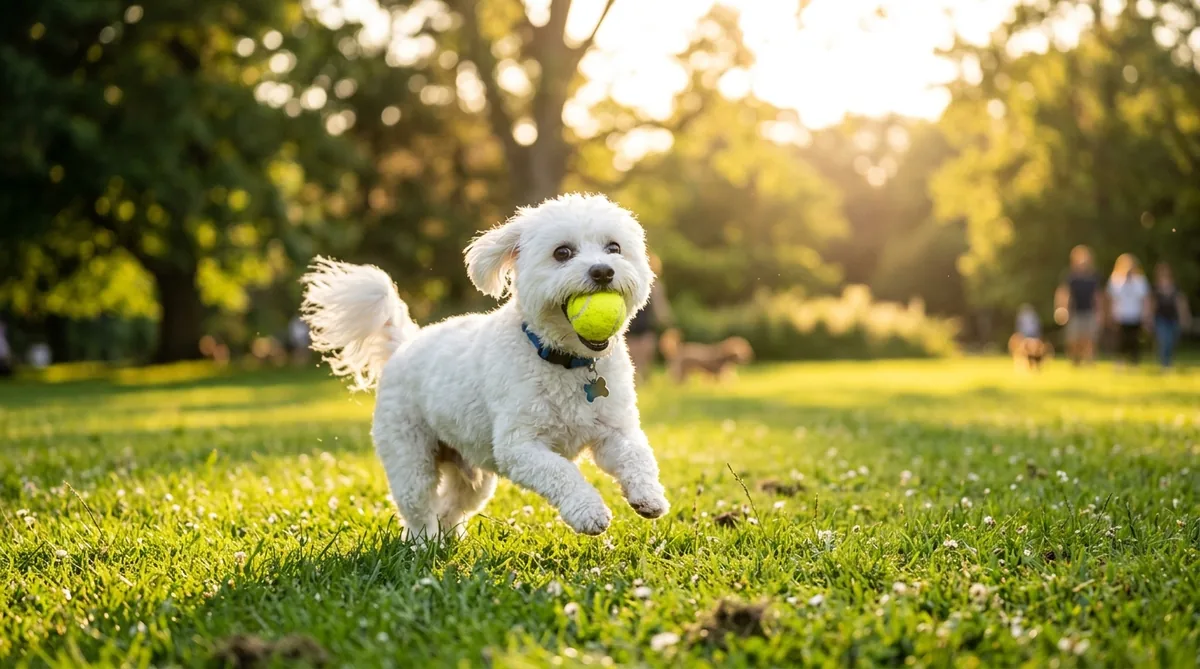
The best dog brush is the one that matches your dog's coat and feels comfortable enough to use regularly. Brushing removes loose hair, surface dirt, and small tangles before they become harder to manage. It also gives you a routine opportunity to look at the skin, ears, paws, and areas behind the legs where knots can hide.
Brushing is not only about reducing hair around the home. A calm grooming routine helps a dog become comfortable with gentle handling, which can make future nail trims, veterinary examinations, and professional grooming less stressful. Keep the first sessions short, reward relaxed behavior, and stop before your dog becomes worried or frustrated.
Coat needs vary widely. A short-coated dog may need a quick brush once or twice a week, while a long, silky, curly, or double-coated dog may need much more frequent care. The American Kennel Club's home grooming guide recommends choosing tools according to coat type and seeking advice from a veterinarian or groomer when you are unsure.
Dog Brush Types and What Each One Does
A bristle brush is a useful starting point for many short, smooth coats. Its surface lifts loose hair and dirt while providing light stimulation. Choose soft, closely spaced bristles for a sensitive dog and a firmer option only when your dog's coat and skin tolerate it. Bristles should not scratch or leave red marks.
For more expert recommendations, check out our pet grooming tools for dogs guide.
A slicker brush uses fine angled pins to work through loose hair and light tangles. It can be useful for medium, long, curly, or feathered coats, but technique matters. Use gentle strokes, work in small sections, and avoid pressing the pins into the skin. A slicker brush is not a substitute for carefully removing a dense mat.
An undercoat rake or deshedding tool is designed for dogs with a thick undercoat. These tools can remove loose undercoat during seasonal shedding, but excessive pressure or repeated passes over one area can irritate skin and break hair. A rubber grooming mitt can be a gentle choice for some short-haired dogs. Compare options with our pet grooming tools for dogs guide before buying.
Match the Dog Brush to Coat Type
Short, smooth coats usually need a tool that lifts surface hair without scraping the skin. A soft bristle brush or rubber mitt can work well when used in the direction of hair growth. Breeds with short but dense coats may shed heavily even though the coat looks simple, so watch how much loose hair appears after a few sessions.
Long or silky coats need section-by-section care because loose hair can form knots close to the skin. Start at the ends of the hair and gradually work toward the roots, supporting the hair near the skin so you do not tug. Pay extra attention to the ears, armpits, belly, tail, and backs of the legs.
Curly coats can trap loose hair and need consistent maintenance, often with a slicker brush followed by a comb. Double coats benefit from routine brushing that reaches the undercoat without stripping healthy topcoat. The VCA Animal Hospitals coat-care guidance notes that long, silky, and curly coats may require daily brushing to prevent tangles and mats.
How Often Should You Brush a Dog?
There is no single brushing schedule for every dog. Begin with the coat's length, density, curl, and tendency to mat, then adjust based on what you find during each session. A short coat may stay comfortable with weekly brushing, while a long coat may require daily attention. If you see new knots between sessions, increase frequency rather than brushing harder.
You might also find our nail trimmer for dogs article helpful when shopping.
Shedding seasons can change the routine for double-coated dogs. Add a few extra short sessions instead of one long session that makes your dog tired. Outdoor activity, rain, swimming, and clothing can also create tangles. After an active day, check the collar area, harness contact points, legs, and tail.
Keep a simple grooming log for the first month. Record the brush used, how long the session lasted, where tangles appeared, and whether the skin looked normal. This turns vague advice into a schedule that fits your dog. If the coat suddenly becomes greasy, brittle, unusually thin, or heavily tangled, ask a veterinarian about possible skin or health concerns.
How to Brush Your Dog Safely
Choose a quiet place with good light and a surface where your dog can stand securely. Let your dog sniff the brush, touch the shoulder with your hand, and reward calm behavior before you begin. Brush one small area for a few seconds, then pause. Gradually extend the session as your dog learns that the tool predicts comfort and rewards.
Use light, controlled strokes and follow the direction of the hair unless your coat-care plan calls for a different technique. Support long hair near the skin to reduce pulling. Check the brush often and remove collected hair so the tool keeps working. Never yank through a tight knot, because pulling can hurt and make your dog fear future grooming.
Stop if your dog shows repeated signs of distress such as freezing, snapping, escape attempts, or persistent lip licking. A professional groomer can help with a difficult coat, and a veterinarian should assess painful skin, sores, parasites, or sudden sensitivity. A dog brush should support a safe routine, not force a painful session.
What to Do About Tangles and Mats
Small loose tangles can sometimes be separated with your fingers, a suitable slicker brush, or a wide-tooth comb. Work from the outer edge inward, hold the hair close to the skin, and use short movements. Add breaks and treats so the dog remains relaxed. If the tangle catches repeatedly, stop and reassess rather than increasing force.
Looking for more options? Our canine grooming tools roundup covers additional top picks.
Dense mats sit close to the skin and may hide dampness, irritation, or parasites. Pulling a mat with a dog brush can tear skin. Do not use household scissors close to the body, especially when you cannot see the skin clearly. A qualified groomer has the tools and experience to remove severe mats more safely.
Prevention is easier than repair. Dry the coat carefully after bathing or swimming, brush friction areas more often, and keep identification tags and collars fitted so they do not rub loose hair into knots. Our puppy grooming tools article covers how to build a gentle handling routine for young dogs.
Use Brushing as a Simple Skin Check
A regular dog brush session gives you a chance to notice changes that may otherwise stay hidden under hair. Look for redness, scabs, swelling, unusual odor, bald spots, fleas, ticks, and areas your dog repeatedly scratches or licks. Also note whether one area suddenly feels warmer or more sensitive than the rest of the coat.
Brushing cannot diagnose a skin condition. It can, however, help you describe when a change started and where it is located. Photograph a visible change for comparison, avoid applying human creams unless a veterinarian directs you to do so, and seek professional advice when the problem persists or your dog seems uncomfortable.
Keep grooming tools clean and dry between uses. Remove hair after each session, wash washable tools as directed, and allow them to dry completely. Do not share a brush between pets if one has a suspected contagious skin issue. Clean tools make the routine more pleasant and reduce the chance of spreading dirt between coat sections.
Dog Brush Buying Checklist
Before choosing a dog brush, identify the coat type, the areas that tangle, and your dog's tolerance for grooming. A tool with a comfortable handle is easier to use consistently. Look for pins or bristles that are secure, evenly finished, and appropriate for the coat. Avoid tools that feel sharp, shed parts, or require force to move through ordinary loose hair.
Consider the whole routine rather than buying the most aggressive deshedding tool. You may need a soft brush for everyday sessions and a comb for checking the finished coat. If the dog dislikes a rigid brush, a mitt or softer tool may create better long-term results because the dog remains calm enough for regular use.
After grooming, reward your dog with quiet praise, a short play session, or a favorite comfort toy. Keep supplies together with other pet supplies, compare a rope toy for gentle play or a durable chew ball, and use our washable dog bed guide plus this cozy pet bed option to make the resting area easier to maintain after shedding sessions.
For more independent, vet-reviewed guidance on this topic, the American Kennel Club expert advice center is an excellent place to start.
Frequently Asked Questions
What is the best dog brush for everyday grooming?
The best dog brush depends on the coat. A soft bristle brush or rubber mitt often suits short coats, while a slicker brush and comb may suit longer or curly coats. Choose a tool that removes loose hair without scratching or pulling.
How often should I brush my dog?
Short coats may need weekly brushing, while long, curly, or double coats may need brushing every day or several times each week. Increase the routine when shedding or tangling increases, and ask a groomer or veterinarian for breed-specific guidance.
Can I use a slicker brush on a short-haired dog?
You can, but it may not be necessary and the pins can irritate skin if pressed too firmly. Use a gentle tool suited to the coat and stop if you see redness, discomfort, or repeated attempts to avoid the brush.
How do I brush a dog with mats?
Do not pull dense mats with a dog brush or cut close to the skin with household scissors. Small loose tangles may be worked from the ends with appropriate tools, but severe mats should be assessed by a qualified groomer.
Should I brush my dog before or after a bath?
Brush out loose hair and manageable tangles before bathing so water does not tighten them. After bathing, dry the coat thoroughly and brush according to the coat type once the dog is comfortable and the coat is ready for the tool.
Why does my dog dislike brushing?
The brush may pull, the session may be too long, or the dog may have painful skin or a hidden mat. Introduce the tool slowly with rewards, use short sessions, and stop for a veterinary or grooming assessment if sensitivity continues.
When should a veterinarian check my dog's coat?
Seek veterinary advice for sudden hair loss, persistent itching, sores, strong odor, swelling, parasites, or a dog brush session that becomes painful. Grooming observations can help your veterinarian understand when and where the change began.
Shop Pet Supplies
Free worldwide shipping on every order. No minimum purchase required.
Shop Pet Supplies →