If you are looking for the best medicated dog shampoo, this comprehensive guide covers everything you need to know. Whether you are a first-time pet owner or an experienced one looking to upgrade, you will find practical advice, safety tips, and honest comparisons below.
What Medicated Dog Shampoo Is and When It Makes Sense
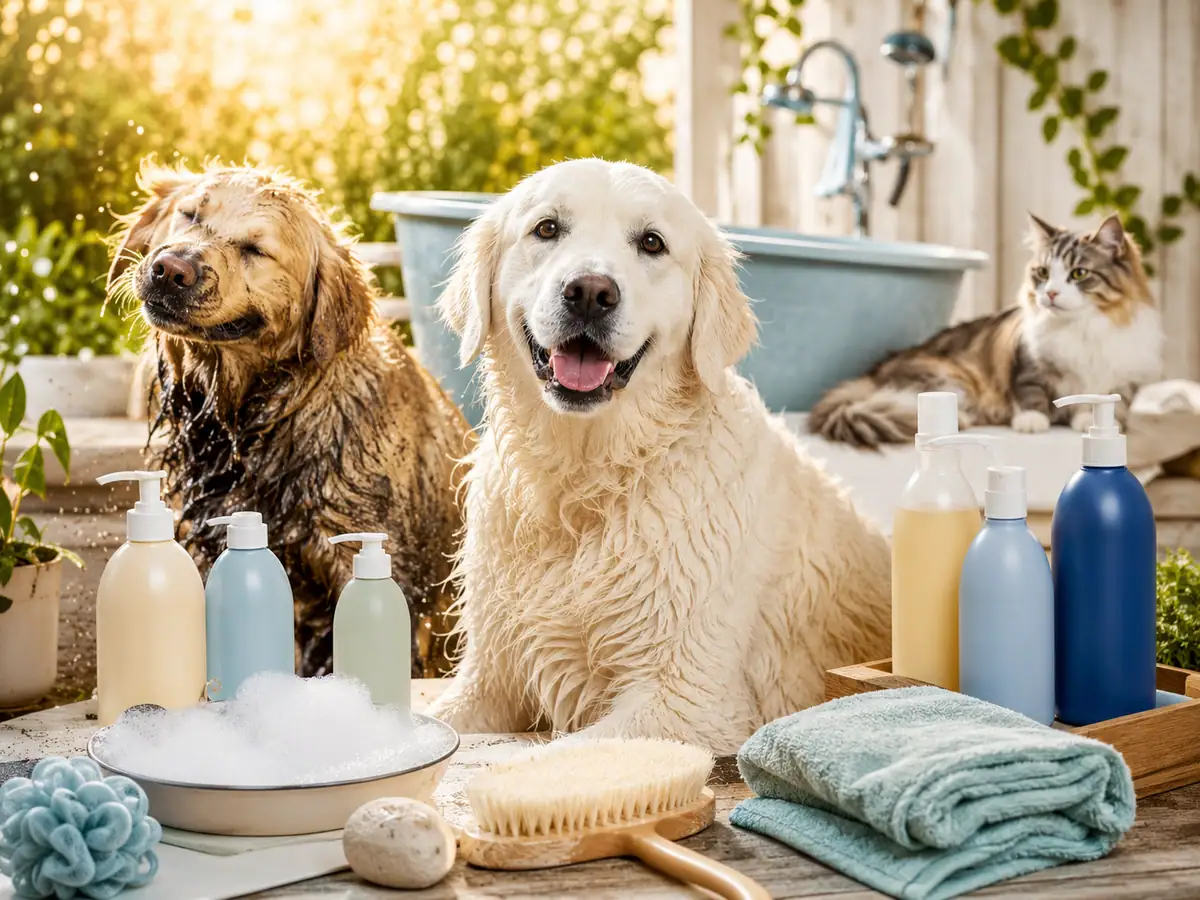
Medicated dog shampoo is shampoo with an active ingredient chosen to treat a skin problem, rather than just to clean the coat. Where a regular grooming shampoo lifts dirt and oil, a medicated shampoo delivers an antiseptic, antifungal, degreasing, or itch-calming agent across the whole body and holds it against the skin long enough to act. Veterinary dermatologists lean on medicated bathing because skin is an organ you can treat directly: the shampoo reaches the problem without pills passing through the rest of the dog.
The right time for a medicated shampoo is when the skin itself is the patient: itching and scratching that will not settle, greasy or flaky coat, a yeasty smell, recurring hot spots, pimple-like bumps, crusting, or dandruff. The wrong time is as a guess. Skin conditions look alike at a glance, and an antibacterial shampoo does nothing for mites while a soothing oatmeal wash does nothing for a bacterial infection, so a diagnosis is what makes the shampoo work.
That leads to the honest rule of this whole guide: a medicated shampoo is a treatment, and treatments follow a diagnosis. If the skin problem is new, spreading, painful, smelly, or has the dog chewing itself raw, see the veterinarian first and let them name the enemy. The sections below explain what the main shampoo families do so that the bottle your vet recommends, or the label you are comparing, actually makes sense.
The Main Active Ingredient Families Explained
Antiseptic shampoos are built around agents such as chlorhexidine, often paired with an antifungal like miconazole or ketoconazole. These combinations target the bacterial and yeast overgrowth behind many itchy, smelly, greasy skin flare-ups, and they are among the most commonly prescribed medicated shampoo types in small-animal practice. Benzoyl peroxide shampoos are a related tool with a different personality: strongly degreasing and follicle-flushing, which suits oily seborrhea and pimple-like infections, but too harsh for an average dog with mild dryness.
For more expert recommendations, check out our groomi tool for dogs guide.
Keratolytic shampoos, usually based on salicylic acid and sulfur, tackle scale and dandruff by softening and shedding the excess dead skin that flaky conditions build up. Antifungal shampoos concentrate on yeast and ringworm-type problems. On the gentler end sit the soothing washes: colloidal oatmeal, aloe, and pramoxine formulas that calm itch and support a damaged skin barrier without a strong antimicrobial punch, useful for allergy-prone dogs between flare-ups and for dogs whose skin needs comfort rather than warfare.
Two label warnings save real grief. First, coal tar shampoos, an old-school degreasing option, should never be used on cats, and in multi-pet homes it is safest to keep any dog's medicated shampoo away from feline grooming routines entirely, since cats lick off what they wear. Second, human dandruff or acne shampoos are not substitutes; canine skin has a different pH than human skin, and human products can dry and irritate a dog's skin even when the active ingredient sounds identical.
Why the Veterinarian Comes Before the Shampoo Aisle
Itchy skin is a symptom with a long suspect list: environmental allergies, food reactions, fleas, mites, bacterial infection, yeast overgrowth, hormonal disease, and simple dry winter skin all produce a scratching dog. The shampoo that helps one of these can be irrelevant or counterproductive for another. A quick veterinary visit, often with a skin scrape or tape test, turns the guessing game into a plan, and frequently the shampoo is one part of that plan alongside parasite control or diet work.
The medicated part also deserves respect in its own right. Effective actives are effective because they do something, which means concentration, frequency, and duration matter. Using a strong degreasing shampoo weekly on a dog that needed a gentle barrier wash leaves the skin stripped and worse. Using an antiseptic wash once and declaring victory lets a deeper infection rebound. Your vet's instructions on how often and how long to bathe are as much a part of the prescription as the bottle.
There are safe self-serve territories. A soothing oatmeal-type shampoo for a dog with mild, occasional itch and otherwise healthy skin is low risk. So is a vet-recommended maintenance wash used exactly as directed between checkups. The line to respect: broken skin, spreading redness, odor, pain, head shaking, or an itch that interrupts sleep are veterinary appointments, not shopping filters.
Contact Time: The Ten Minutes That Do the Work
Every medicated shampoo shares one instruction that ordinary shampoo does not: contact time. The active ingredient needs prolonged contact with the skin, commonly around ten minutes of lather sitting on the dog before rinsing, to bind, penetrate, and act. Rinse at minute two and you have given the dog a scented bath and thrown away the medicine. Contact time is the single most skipped step in medicated bathing and the most common reason a genuinely correct shampoo appears not to work.
You might also find our antifungal dog shampoo article helpful when shopping.
Those minutes go easier with planning. Set up everything before the dog is wet: shampoo open, timer visible, towels stacked, non-slip mat down, high-value treats or a lick mat smeared with something worth standing still for. Wet the coat thoroughly to the skin, apply the shampoo in a line along the back, and work it down to skin level everywhere the problem lives, including armpits, groin, between toes, and under the tail, the humid places where trouble concentrates.
Then run the timer honestly and keep the dog occupied: slow treat delivery, calm praise, a helper at the head end. Rinse afterward for longer than feels necessary, because active-ingredient residue left in the coat can itself irritate, then rinse again. Towel dry, keep the dog out of cold drafts, and resist the finishing blast of a hot dryer on already-inflamed skin. The bath is a treatment session; the calm routine is what makes the next one easier.
How Often to Bathe With a Medicated Shampoo
Frequency belongs to the diagnosis, so follow the label or the veterinarian rather than habit. Active skin problems are often bathed on an intensive schedule at first, sometimes more than once a week, precisely because the shampoo is the treatment. As the skin recovers, the schedule usually tapers toward maintenance washes spaced further apart. This is roughly the opposite of ordinary grooming wisdom, where infrequent bathing is the default, and it surprises many owners.
Watch the skin, not just the calendar. Improving skin looks calmer: less redness, less scratching, less odor, flakes thinning out. Worsening signs during a shampoo course, more irritation after baths, new bumps, spreading bare patches, mean stop and call the vet rather than pushing on. Dogs can be sensitive to any ingredient, including gentle ones, and a shampoo that disagrees with one dog's skin can be swapped for a sibling formula rather than abandoned as a category.
Support the schedule between baths. Keep parasite prevention current, since no shampoo out-scrubs an untreated flea problem. Brush appropriately for the coat so the shampoo can reach skin instead of matting. Wash bedding while the skin is being treated, and dry the dog properly after swims, because damp skin folds are where yeast throws its parties. Bathing is the centerpiece of topical therapy, but the routine around it decides whether results stick.
Coat Types, Breeds, and Special Cases
Coat type changes the job more than most labels admit. On a short single coat, wetting to the skin and rinsing clean are quick, and a modest amount of shampoo covers the dog. On a dense double coat, water and lather both struggle to reach skin level, which is where the treatment must happen; plan for more product, more working-in time with fingertips, and a much longer rinse. For heavily matted coats, grooming comes first, because a mat is a roof that keeps the medicated shampoo away from the exact skin that needs it.
Looking for more options? Our puppy grooming tools roundup covers additional top picks.
Skin-fold breeds collect trouble in the folds themselves, so facial wrinkles, tail pockets, and body folds deserve deliberate, gentle attention during the contact period and careful drying afterward, since trapped moisture undoes the bath. Allergy-prone breeds that flare seasonally often settle into a rhythm of maintenance bathing with a barrier-supporting shampoo between flare-ups, which some owners find reduces how often stronger products are needed. Senior dogs and thin-coated breeds chill quickly, so warm the room, work efficiently, and towel generously.
Timing also interacts with parasite control. Bathing right before applying a spot-on flea treatment can reduce how well some products bind to skin oils, so leave the gap your parasite product's label recommends around baths. If your dog swims frequently or is bathed often for sport, mention it to your vet, because chronic wet-dry cycling changes skin behavior and may shift which shampoo family fits best.
Reading Labels and Choosing a Medicated Shampoo Well
Once you know what you are treating, read labels like a skeptic. The active ingredient and its concentration should be stated plainly; vague herbal medicated claims without a named active are marketing, not medicine. Match the family to the diagnosis: antiseptic for bacterial trouble, antifungal for yeast, keratolytic for scale, degreasing for oil, soothing for itch and barrier support. Ignore prices and ranking lists when they conflict with the diagnosis; the correct family in a modest bottle beats the wrong family in premium packaging.
Formulation details separate pleasant treatment from a weekly wrestling match. A shampoo that lathers well in cool water shortens the bath. Moisturizers alongside a strong active, such as ceramides or fatty acids paired with chlorhexidine, offset dryness over a long course. Fragrance-light formulas are kinder to inflamed skin and to the dog's nose. For big dogs, note bottle size and how far the concentrate stretches; a proper contact-time lather across a large double coat uses more product than most first-timers expect.
Buy from sellers you trust and check that the product states it is formulated for dogs. Do not fill gaps with human products, do not share one pet's prescription shampoo with another animal without asking the vet, and keep every medicated bottle out of reach of pets that might chew it. If a shampoo course finishes and the skin problem returns within weeks, that recurrence is diagnostic information your veterinarian wants to hear, because repeating flare-ups usually mean an underlying cause, often allergy, still needs addressing.
If you want to dig deeper into the research, the ASPCA pet care library publishes practical, expert-reviewed resources for pet owners.
Frequently Asked Questions
How is medicated dog shampoo different from regular dog shampoo?
Regular shampoo cleans the coat; medicated shampoo carries an active ingredient, such as chlorhexidine, an antifungal, benzoyl peroxide, or salicylic acid, intended to treat a skin condition. Medicated formulas are also used differently: they must be worked down to skin level and left in contact for several minutes, often around ten, before rinsing, and they are bathed on a treatment schedule rather than a grooming schedule.
Can I use medicated dog shampoo without seeing a vet?
Gentle soothing shampoos, such as oatmeal-based itch-relief washes, are reasonable for mild occasional itch on otherwise healthy skin. Anything targeting infection, yeast, or heavy scale works best after a diagnosis, because skin conditions look alike and the wrong active wastes weeks. Broken skin, spreading redness, strong odor, pain, or relentless scratching are reasons to see the veterinarian before buying anything.
How long should medicated shampoo stay on my dog?
Follow the label, but most medicated shampoos ask for prolonged skin contact, commonly about ten minutes of lather before rinsing. This contact time is what lets the active ingredient work, and skipping it is the most common reason a correct shampoo seems to fail. Set a timer, keep the dog busy with treats, and rinse very thoroughly afterward so no residue is left to irritate.
How often can I bathe my dog with medicated shampoo?
As often as the label or your veterinarian directs, which for active skin problems can be notably more frequent than normal grooming, sometimes multiple baths per week initially, tapering as the skin improves. Medicated bathing follows treatment logic rather than grooming logic. If the skin looks more irritated after baths, stop and consult the vet instead of continuing the course.
Is medicated dog shampoo safe for cats or puppies?
Never assume so. Some canine actives are dangerous to cats, coal tar being a firm example, and cats groom off whatever touches their coat. Use only feline-labeled products on cats. For puppies, check the label's age guidance and ask the vet, since young skin is more permeable and more easily irritated. In multi-pet homes, keep treated dogs from being licked by housemates until dry.
Why does my dog still itch after using medicated shampoo?
Common reasons include the wrong active for the actual problem, insufficient contact time, too-short a course, or an underlying cause such as fleas, food reaction, or environmental allergy that shampoo alone cannot fix. Persistent or returning itch is useful diagnostic information: note what you used and how, and bring that to the veterinarian so the next step targets the real cause.
Can I use human anti-dandruff shampoo on my dog?
No. Canine skin has a different pH than human skin, and human formulations, including familiar dandruff and acne products, can strip and irritate a dog's skin barrier even when the active ingredient sounds the same. Dog-labeled products are formulated for canine skin, and the small price difference is not worth trading for a new skin problem on top of the old one.
Shop Pet Supplies
Free US shipping on every order. No minimum purchase required.
Shop Pet Supplies →