If you are looking for the best furminators, this comprehensive guide covers everything you need to know. Whether you are a first-time pet owner or an experienced one looking to upgrade, you will find practical advice, safety tips, and honest comparisons below.
What FURminators Are and What They Actually Do
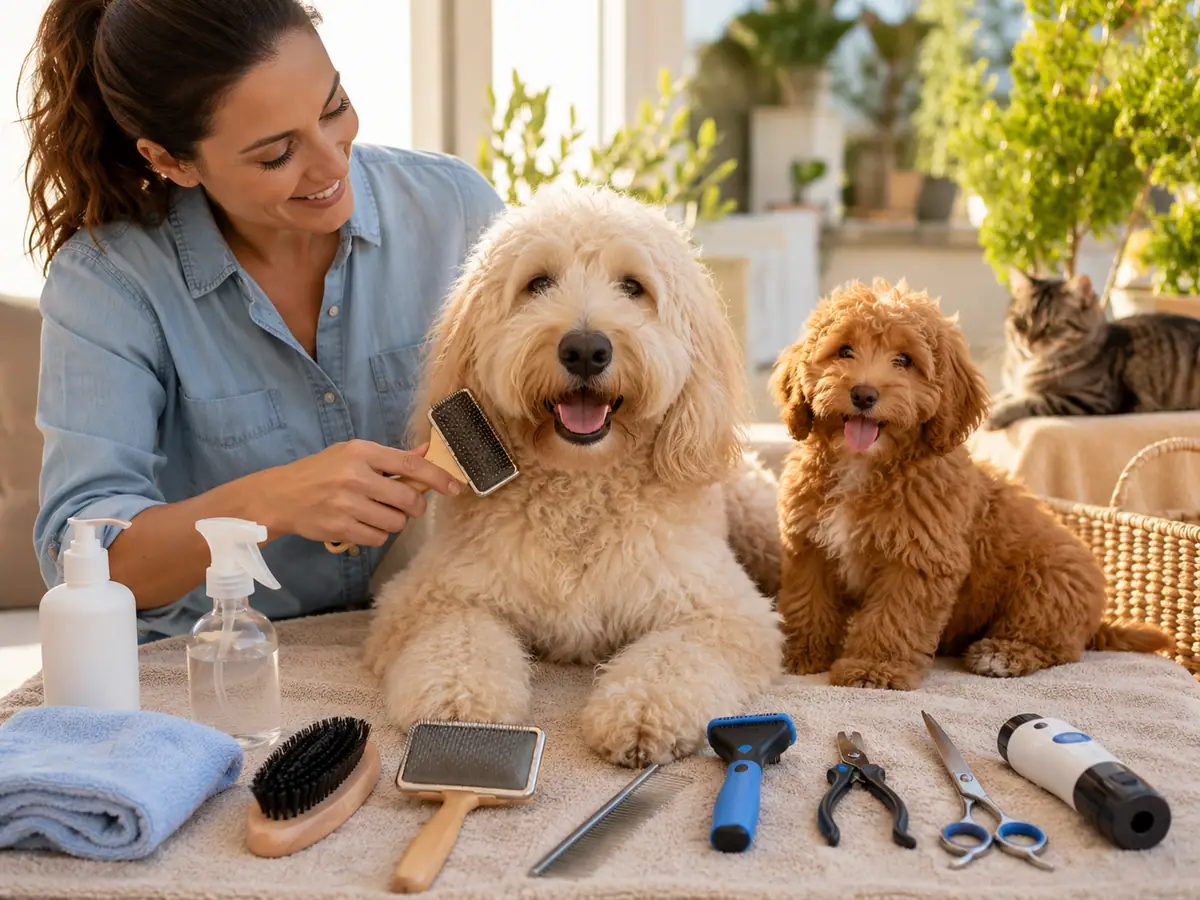
FURminators are deshedding tools built around a fine-toothed stainless steel edge that reaches through a pet's topcoat and pulls out loose undercoat before it ends up on your sofa, your clothes, and your black trousers. FURminator is a brand name that has gone the way of many category leaders: people say furminator the way they say thermos, meaning any comb-edge deshedding tool. This guide covers the real thing and the category it created, because the technique and the cautions are the same for both.
The core promise of a FURminator is not less hair on the pet; it is less hair everywhere else. Dogs and cats with double coats continuously release dead undercoat, and ordinary surface brushing skims the top while the loose wool underneath keeps working its way out for weeks. A deshedding tool collects that dead undercoat at the source. Used correctly on the right coat, a single session removes a startling pile of fluff and noticeably cuts the daily shed around the house.
The equally important truth is that a FURminator is a specialist, not an everyday brush. It is designed for shedding coats with an undercoat, it rewards a light touch, and it can irritate skin or damage coat when used hard, too often, or on the wrong coat type entirely. The sections below sort out which pets benefit, which should never meet one, and the technique that separates a glossy, comfortable dog from an overgroomed one.
How a FURminator Works Beneath the Topcoat
Double-coated pets grow two layers: a weather-resistant topcoat of guard hairs and a soft, dense undercoat that handles insulation. The undercoat is the layer that sheds in bulk, especially during seasonal coat changes. A FURminator's closely spaced steel teeth are sized to slide past the anchored guard hairs while catching the loosened, dead undercoat wool, lifting it up and out instead of leaving it to migrate onto the floor. The edge does not cut anchored hair the way clippers do; it extracts hair that has already let go.
If you want even more options, check out our guide to dog with chew toy.
This is also why the tool behaves differently from a slicker brush or a comb. A slicker's bent wire pins tidy the surface and tease apart light tangles; a comb checks that the coat is separated to the skin. The deshedding edge works a layer deeper and removes volume. After a proper session the coat looks flatter and feels cooler because the insulating dead wool is gone, which is exactly what you want ahead of summer and during the big spring and autumn coat blows.
Most FURminator tools add a fur-release button that pushes the collected wool off the teeth, plus size and coat-length variants: small heads for cats and little dogs, wide heads for big shedders, tooth designs for short and long coats. The variant matters because tooth depth is matched to coat depth; a long-coat edge on a short-coated dog rakes skin, and a short-coat edge on a Husky never reaches the undercoat it came for. Buy the size and coat length that matches the animal, not the one on sale.
Which Dogs and Cats Suit a FURminator, and Which Do Not
The happy customers are the double-coated shedders. Among dogs that means breeds like Labradors, Golden Retrievers, German Shepherds, Huskies, Corgis, and the endless mixes that inherit those coats. Among cats, most domestic shorthairs and longhairs with a dense undercoat, including heavy seasonal shedders like Maine Coons, respond well. If your vacuum fills with soft grey wool twice a year, your pet is the target market for a deshedding session.
The do-not list is just as clear. Single-coated and low-shedding breeds, such as Poodles, many doodle crosses, Yorkshire Terriers, Maltese, and other hair-type coats, have no undercoat to extract; a deshedding edge on those coats can thin and break the living coat they keep. Wire coats maintained by stripping, and silky drop coats kept long for show, also call for different tools. Hairless breeds are obviously out. When in doubt, part the fur: if you cannot find a soft, dense second layer beneath the guard hairs, a FURminator is the wrong purchase.
Condition matters as much as coat type. Never drag a deshedding tool through mats; work tangles out first with a comb or slicker, or have a groomer clear them, because forcing the steel edge through a mat hurts. Skip the tool over irritated, broken, or infected skin, over wounds and hot spots, and be gentle around thin-skinned areas. If your pet has an active skin condition, ask the veterinarian or groomer before any aggressive grooming, deshedding included.
Using a FURminator Without Irritating the Skin
Technique is where deshedding sessions go right or wrong. Work on a dry, clean coat, since damp fur clumps and drags. Hold the tool like a paintbrush, lay the teeth at a shallow angle, and stroke in the direction of hair growth with long, light passes, letting the edge do the collecting. The cardinal rule is no downward pressure: the tool needs only contact, not force, and pressing it into the skin is how pets end up with brush burn, the pink irritated lines that make them dread the next session.
You might also enjoy our recommendations for kitty tower.
Ration your passes. A few strokes per area, then move on, then come back if wool is still lifting freely. When a spot stops giving up fur, that spot is done for the day, and repeatedly scraping an empty area is pure irritation. Be extra light over bony points such as the spine, hips, and hocks, and around the belly, chest, and britches where skin is thin. Avoid the face and ears entirely; a small soft brush handles those. For cats, keep sessions short, watch the tail-twitch meter, and quit while you are ahead.
Fold the sessions into a calm routine: a non-slip surface, treats at intervals, and a definite end. During heavy seasonal shedding, several short sessions a week clears the coat blow far more comfortably than one epic weekend excavation. Off-season, once a week or even less keeps most double coats civilized. If you ever notice bald patches, broken guard hairs, or skin redness after grooming, lighten the pressure, lengthen the interval, and let the coat recover before resuming.
FURminator vs Slicker, Rake, and Grooming Glove
No single tool grooms a whole pet, and the FURminator earns its keep as the volume remover in a small kit. The slicker brush is the daily driver: it tidies the surface, lifts light debris, and works on nearly every coat type, including the single coats where deshedding edges are banned. The metal comb is the inspector, confirming the coat is tangle-free to the skin, and the first responder on small knots. The deshedding tool then comes out when loose undercoat, not tangling, is the problem to solve.
The undercoat rake is the FURminator's closest cousin: rotating or fixed pins spaced to pull dead wool from thick coats. Rakes shine on very deep, dense coats, on which they can be gentler for bulk work, while the fine deshedding edge finishes more thoroughly on short and medium double coats. Grooming gloves and rubber curries are the gateway tools, ideal for touch-sensitive pets and bath-time lather, though their hair harvest is modest compared with a proper deshedding session.
Choose the roster by coat and temperament: a short-haired single-coated dog might need only a rubber curry; a Shepherd household wants slicker, comb, rake, and a FURminator; a sensitive cat may accept a glove and a small deshedding head on good days. Whatever the lineup, quality shows in comfort details: rounded tooth ends, a handle that does not force your wrist to angle the edge into the skin, and steel that stays smooth instead of developing burrs that snag.
What Deshedding Can and Cannot Do About Hair in the House
Regular deshedding genuinely shrinks the daily hair fallout, because the wool you collect in the tool is wool that will not drift onto the rug. During coat-blow season the effect is dramatic; owners of Huskies and Shepherds often measure the harvest in grocery bags. What no tool can do is stop shedding: coat turnover is biology, driven by daylight, season, hormones, and breed, and marketing that promises an end to shedding is overpromising. The realistic goal is redirecting the hair from your furniture into the bin.
For related picks, take a look at our natural rubber dog toys roundup. A complete grooming routine may also include dog grooming tools, a practical grooming kit, dog grooming instruments, and our pet grooming tools guide. If bath time is part of the routine, review the dog shampoo guide before choosing a formula.
A sensible anti-hair system has three legs. Grooming is the first: routine deshedding plus a weekly slicker pass, stepped up during seasonal blows. Health is the second: coat quality reflects nutrition and skin condition, so a dull, brittle, or patchy coat that sheds strangely is a veterinary conversation, not a grooming failure. Housekeeping is the third: washable throws on favorite sleeping spots and a vacuum you will actually use beat any miracle gadget.
Watch for shedding that is not normal shedding. Symmetrical hair loss, bald patches, itching, dandruff, skin odor, or a coat change that arrives without a season attached can signal allergies, parasites, hormonal issues, or stress, and no deshedding tool addresses those. The FURminator's honest job description is narrow: it moves dead undercoat out of the coat efficiently and comfortably when used with a light hand. Expect that, and the tool delivers for years; expect magic, and disappointment is scheduled.
Buying a FURminator and Keeping It in Good Shape
When buying, match three things: species, size, and coat length. FURminator and its imitators size their heads from small cat tools up to wide large-dog editions, in short-coat and long-coat versions; the right pick reaches the undercoat without scraping skin. Genuine branded tools have a reputation for edge quality and durable fur-release mechanisms, which is where the cheapest lookalikes usually disappoint, sometimes with rough-cut teeth that snag and cut coat. Whichever you choose, inspect the edge: teeth should be even, polished, and smooth to a fingertip.
Care is minimal but real. Clear the collected fur as you work, wipe the edge after sessions, and store the tool dry so the steel stays clean. Check occasionally for bent or burred teeth, and retire an edge that has been dropped on tile and now catches; a damaged deshedding edge translates directly into plucked, uncomfortable pets. Keep the tool out of the toy basket, since a chewed handle and a steel comb edge make a poor combination.
Prices vary by size and edition and change often, so check current listings rather than trusting any article's numbers, and be wary of deals that seem too good on a brand-name tool, because counterfeit deshedding tools are common in marketplaces. Buy once, buy genuine or a reputable alternative, and the tool typically outlives several vacuum cleaners. Paired with the light-touch technique above, FURminators do for shedding season what an umbrella does for rain: not a cure, but the difference between managing it and wearing it.
For evidence-based grooming guidance, compare the ASPCA cat grooming tips, VCA's guide to grooming and coat care for dogs, Cornell's article on hairballs and daily brushing, and the American Kennel Club's guide to choosing a dog brush for shedding. These sources support the basic rule used here: choose a tool for the coat, brush gently, and involve a veterinarian when skin or hair changes look abnormal.
Frequently Asked Questions
What exactly does a FURminator do?
Its fine stainless steel edge slips past the anchored guard hairs of a double coat and catches the loose, dead undercoat, lifting it out before it sheds around the house. It does not cut healthy, attached hair like clippers; it extracts wool that has already released. Used with a light touch on a suitable coat, it removes a large volume of dead undercoat per session and noticeably reduces household hair.
Can I use a FURminator on my Poodle, doodle, or other low-shedding dog?
No. Hair-type, single-coated breeds such as Poodles, most doodles, Yorkies, and Maltese have no undercoat for the tool to extract, so the deshedding edge just thins and breaks the living coat. Those coats want a slicker brush, a metal comb, and regular trims instead. The quick test: part the fur, and if there is no soft dense second layer near the skin, skip the FURminator.
How often should I use a FURminator on my dog or cat?
During spring and autumn coat blows, several short sessions per week clear the dead undercoat comfortably. Outside shedding season, roughly weekly or less is plenty for most double coats. Frequency should follow the fur: when an area stops giving up wool easily, stop. Overuse, or pressing hard, causes brush burn and coat damage faster than most owners expect.
Why is my pet's skin red after using a FURminator?
Redness usually means too much pressure, too many passes over the same spot, or use on skin that was already irritated. The tool needs only light contact at a shallow angle in the direction of growth. Give the skin a few days to settle, then resume with lighter strokes and shorter sessions. If redness persists, or there were existing sores or infection, have the veterinarian look before grooming again.
FURminator or undercoat rake: which should I buy?
For very deep, dense coats like Huskies, an undercoat rake is a gentle bulk-removal workhorse and pairs well with a deshedding edge for finishing. For short and medium double coats, the FURminator style edge alone usually does the whole job. Households with one heavy shedder often end up with both, using the rake first during coat blows and the fine edge to polish.
Will a FURminator stop my pet from shedding?
No tool stops shedding, because coat turnover is biology driven by season, daylight, and breed. What regular deshedding does is intercept the dead undercoat in the tool instead of on your furniture, which during coat-blow season is a dramatic difference. Sudden, patchy, itchy, or off-season coat loss is a health question for the veterinarian, not a grooming problem.
Are cheap FURminator alternatives any good?
Some reputable alternatives perform well, and the working principle is not exclusive to one brand. The risk zone is the bargain bin: rough-cut or burred teeth that snag and slice coat, weak fur-release buttons, and counterfeit versions of the brand itself. Whatever you buy, check that the teeth are even and polished, sized for your pet's coat length, and comfortable enough that you will actually keep a light grip.