"Pupper shampoo" is a search with two meanings. Most people typing it want the oatmeal shampoo sold by the pet health brand Pupper, while others have seen small-batch shampoo bars that also use the word "pupper" in their product names. This guide explains what each one contains according to the makers' own product pages, which dogs a gentle oatmeal shampoo is suited to, and how to bathe your dog so the shampoo actually does its job. We do not sell any of these products and we have not invented prices or star ratings; every ingredient claim below links to the page it came from.
What Is Pupper Shampoo?
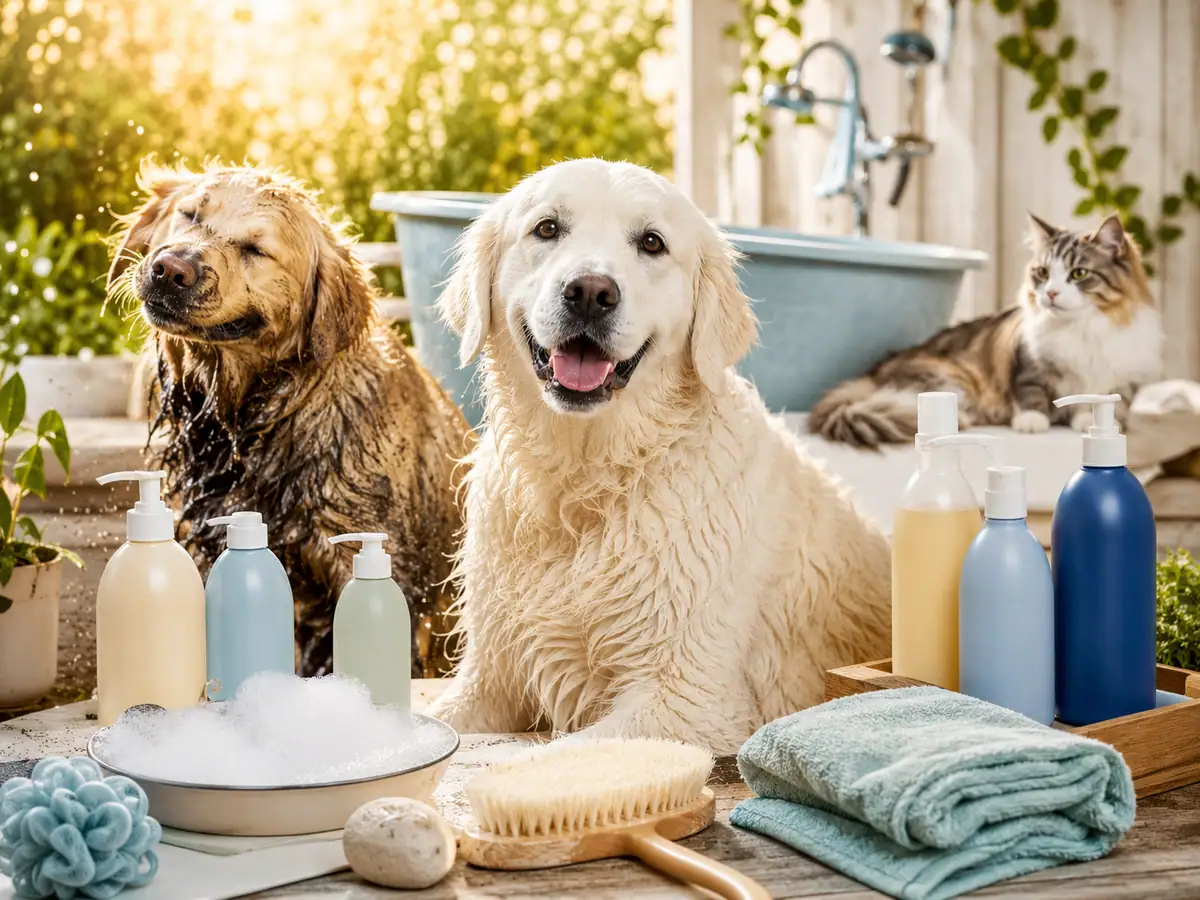
Pupper is a pet health company that sells supplements and care products at pupper.com, and its dog shampoo is listed simply as "Shampoo" on the official Pupper shampoo product page. The brand describes it as an oatmeal and beeswax formula made with "colloidal oatmeal, beeswax, and a variety of ingredients veterinarians recommend" to "effectively combat irritation, moisturize and promote healing."
Two further claims on the same page matter for a buying decision. Pupper says the shampoo is "pH-balanced" and that it "contains no parabens, phthalates or sulfates." The page also describes it as "soothing and natural, even for pets with dry, itchy skin." Those are the maker's claims, not independent test results, so treat them as a description of intent and judge the shampoo by how your own dog's skin and coat respond over a few baths.
If you landed here looking for a general guide to choosing any dog shampoo, our dog shampoo guide compares formula types side by side. The rest of this page stays focused on Pupper shampoo and the similarly named bars.
Pupper Shampoo Ingredients, Explained
Pupper publishes the full ingredient list on its product page: "Water, Coco Betaine, Coco Glucoside, Glyceryl Oleate, Colloidal Oatmeal, Disodium Cocyl Glutamate, Glycerin, Xanthan Gum, Green Tea Extract, Honey, Beeswax, Potassium Sorbate, Sodium Benzoate." The table below groups those ingredients by the job each one does in a shampoo. The roles are standard cosmetic chemistry categories; they are not extra claims from Pupper.
The notable point is the cleansing system. Coco betaine, coco glucoside, and disodium cocoyl glutamate are mild, coconut-derived surfactants rather than the sulfate detergents found in many cheaper shampoos, which lines up with Pupper's sulfate-free claim. Colloidal oatmeal, glycerin, honey, and beeswax are the soothing and moisture-holding part of the formula, which is why the shampoo is positioned for dogs with dry or itchy skin.
Other "Pupper" Shampoos: The Shampoo Bars
Because "pupper" is internet slang for a dog, several small makers use it in product names. One example is the Thera-Suds Pupper Dog Shampoo Bar, a solid bar the maker describes as combining saponified coconut oil, extra virgin olive oil, neem oil, organic apple cider vinegar, lye, distilled water, frankincense and Bulgarian lavender essential oils, and vitamin E. It is marketed to "soothe itchiness and dryness."
A soap bar and a liquid detergent shampoo are different products, and that difference is worth understanding. The American Kennel Club notes that "a dog's skin pH ranges from 5.5 to 7.5", and warns that "because soap tends to be alkaline, or higher pH, using soap instead of detergents to bathe your dog could raise the pH of your dog's skin and disrupt the protective natural acid mantle." Saponified oils plus lye is, by definition, soap. The Thera-Suds bar includes apple cider vinegar, which the maker says removes residue, but if your dog has sensitive skin, a pH-balanced liquid formula such as Pupper's is the more conservative choice.
Bars that contain essential oils also deserve a patch test first. The Thera-Suds page itself advises reviewing the ingredients for possible allergens, avoiding contact with the eyes, and stopping use and contacting a veterinarian if a reaction appears.
Which Dogs Pupper Shampoo Suits
Based on the maker's own description, Pupper shampoo is aimed at routine bathing for adult dogs, and particularly at dogs whose skin tends toward dryness or mild itch after bathing. A gentle, sulfate-free oatmeal shampoo is a reasonable everyday choice for those dogs, and our hypoallergenic dog shampoo guide covers more options if your dog reacts to fragrance or botanical extracts.
It is not a treatment product. Pupper's page makes no claim that its shampoo treats infections, mange, or fleas, so a dog with red, broken, flaking, or smelly skin should see a veterinarian, who may prescribe a medicated wash. Our medicated dog shampoo guide explains when those formulas are used.
For young puppies, age matters more than brand. The AKC's puppy bathing guide says owners can "start bathing their puppies as young as 2 months old," but also that "until the dog is 3 or 4 months old, all you really need to use is a warm wash rag." Check the label or ask the maker before using any adult shampoo on a very young puppy.
How to Bathe Your Dog With Pupper Shampoo
Brush first. Loose hair and small tangles trap shampoo and water, so a quick brush before the bath lets the shampoo reach the skin and makes rinsing faster.
Use lukewarm water. The AKC puppy guide says to "be sure the water is lukewarm so that the ritual is pleasant for your puppy," and the same logic applies to adult dogs. Wet the coat all the way down to the skin before applying any shampoo.
Lather gently and keep it out of the eyes. Work a small amount of Pupper shampoo from the neck back, then do the face last with a damp cloth. The AKC points out that "no one wants soap in their eyes, including your puppy," and suggests pinching the base of the ear shut when you clean around the face so water does not run into the ear canal.
Rinse longer than you think you need to. The AKC's advice is blunt: "When you think you've rinsed enough then rinse some more." Leftover shampoo is a common cause of itchy skin after a bath, which would undo the point of choosing a soothing formula.
Condition if the coat feels dry. Pupper's own product page notes that "a conditioning product should be applied afterwards to restore any lost moisture," so pairing the shampoo with a dog conditioner is the maker's recommended routine.
How Often to Use Pupper Shampoo
The AKC puppy guide suggests that "bathing should happen monthly, as your dog's skin and fur get clogged up with oil and dirt over time." Dogs that swim, roll in things, or live mostly outdoors may need baths more often, and a mild sulfate-free shampoo is the kind of formula that tolerates more frequent use better than a harsh one.
Whatever the schedule, avoid swapping in your own shampoo between dog baths. The AKC's article on using human shampoo on dogs explains that human products are formulated for human skin pH, and that frequent use can leave a dog's coat dull and its skin irritated.
Pupper Shampoo Buying Checklist
Confirm which product you are buying. "Pupper shampoo" can mean the Pupper brand's liquid oatmeal shampoo or a shampoo bar from a different maker, and they are built very differently. Check the seller and the ingredient list, not just the product name.
Match the shampoo to the problem. For routine baths and mildly dry skin, a pH-balanced, sulfate-free oatmeal shampoo like Pupper's fits. For persistent itching, hot spots, odor, or hair loss, see a vet before buying any shampoo, because the right product may be a prescription one.
Patch test anything new. Wash a small area, wait a day, and look for redness before doing a full bath, especially with formulas that contain essential oils or botanical extracts.
Compare with alternatives. If you want to see how a gentle shampoo like this stacks up against other formula types, our canine shampoo guide walks through the main categories.
For more independent, vet-reviewed guidance on this topic, the American Kennel Club expert advice center is an excellent place to start.
Frequently Asked Questions
Who makes Pupper shampoo?
The best-known Pupper shampoo is sold by Pupper, a pet health brand at pupper.com. Other small makers, such as Thera-Suds, also sell shampoo bars with "pupper" in the product name, so check the seller before buying.
What is in Pupper shampoo?
According to Pupper's product page, the ingredients are water, coco betaine, coco glucoside, glyceryl oleate, colloidal oatmeal, disodium cocoyl glutamate, glycerin, xanthan gum, green tea extract, honey, beeswax, potassium sorbate, and sodium benzoate.
Is Pupper shampoo sulfate-free?
Yes, according to the maker. Pupper states the shampoo is pH-balanced and contains no parabens, phthalates, or sulfates. Its cleansing agents are coconut-derived surfactants.
Is Pupper shampoo good for dogs with itchy skin?
Pupper positions it for dry, itchy skin, and it contains colloidal oatmeal, glycerin, honey, and beeswax. It is not a medicated product, so persistent itching, redness, or odor should be checked by a veterinarian.
Can I use Pupper shampoo on a puppy?
The AKC says puppies can be bathed from about 2 months old but that a warm wash rag is usually enough until 3 or 4 months. Check the product label or ask the maker before using an adult shampoo on a very young puppy.
Do I need a conditioner after Pupper shampoo?
Pupper's own product page recommends applying a conditioning product afterwards to restore any lost moisture, particularly for dogs with dry coats.
Is a pupper shampoo bar the same as Pupper shampoo?
No. A shampoo bar such as the Thera-Suds Pupper Dog Shampoo Bar is a soap made from saponified oils, while Pupper's shampoo is a liquid detergent formula. The AKC notes soap tends to be alkaline and can disrupt the pH of a dog's skin.
How often should I bathe my dog with Pupper shampoo?
The AKC suggests about once a month for most dogs, more often for dogs that get dirty outdoors. Rinse thoroughly every time, since leftover shampoo can itch.
Shop Pet Supplies
Free worldwide shipping on every order. No minimum purchase required.
Shop Pet Supplies →