Flea shampoo for dogs can kill or remove some fleas present during a properly performed bath, but it is usually a short-contact tool, not complete infestation control. Flea eggs, larvae, and pupae may remain in carpets, bedding, furniture, outdoor resting areas, or other animals. Choose only a product labeled for dogs of your pet’s age and weight, follow every direction, and ask your veterinarian how the bath fits an ongoing prevention plan.
This safety-first guide explains labels, realistic limitations, bathing technique, adverse-reaction steps, and household control. It does not recommend improvising formulas or combining pesticides. A familiar or “natural” ingredient is not automatically harmless, and fragrance or essential oil content should never replace species-specific safety and efficacy information.
Know What Flea Shampoo Can and Cannot Do
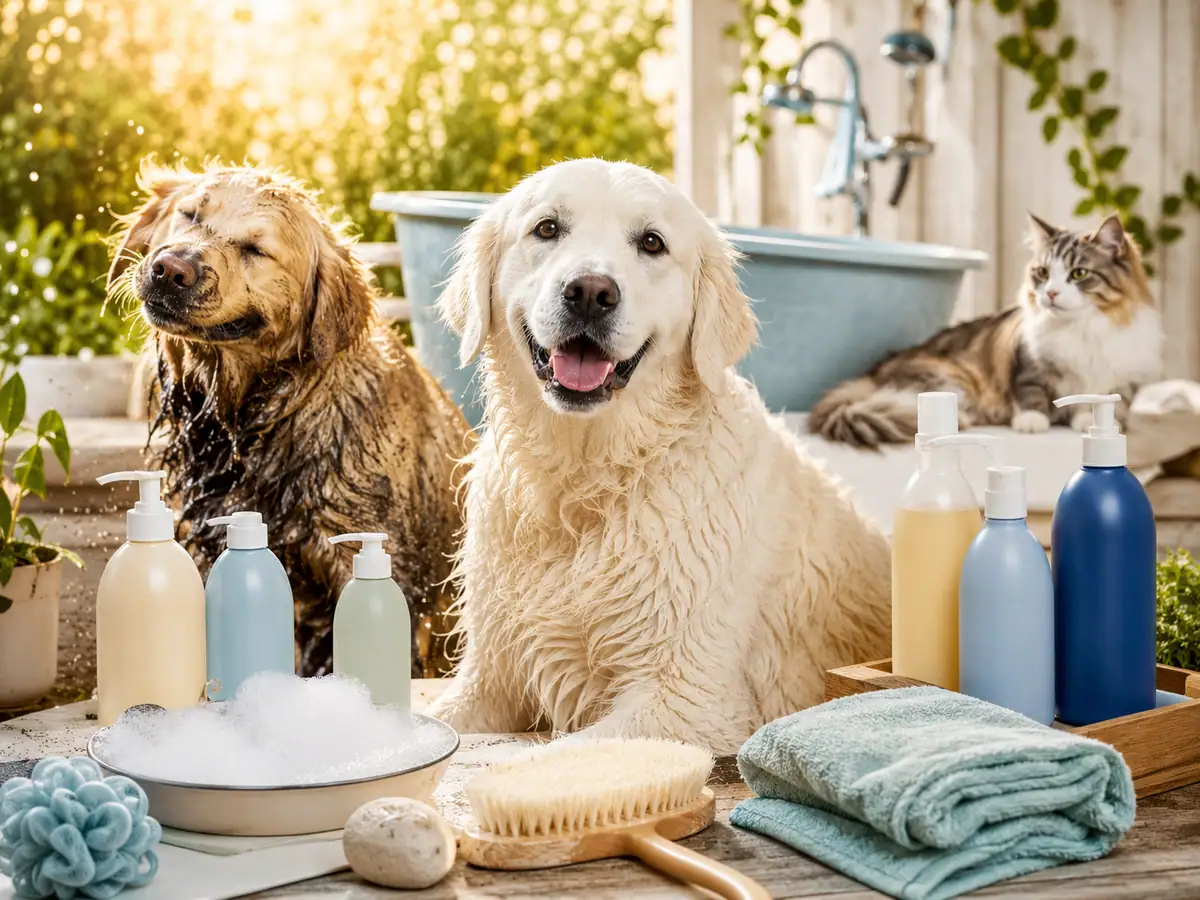
A shampoo works where the lather contacts the dog and for the conditions stated on its label. Some pesticide shampoos are intended to kill adult fleas during the bath. Other cleansing products may help wash away debris without making a pesticide claim. Residual protection varies and may be limited, so do not infer weeks of prevention from a successful bath.
The Companion Animal Parasite Council flea guideline explains that flea control requires attention to pets and environmental stages. Newly emerged fleas can continue appearing while immature stages develop. That does not always mean the bath was performed incorrectly. It means the household needs a coordinated plan sustained long enough to interrupt the life cycle.
Heavy infestations can cause major discomfort and may contribute to health problems, particularly in small, young, or medically vulnerable animals. Hair loss, sores, pale gums, weakness, extensive scratching, or suspected infection merit veterinary attention. A veterinarian can also distinguish fleas from mites, allergies, bacterial disease, and other causes of itching.
Set a realistic goal: Use shampoo, when appropriate, to address fleas currently on the dog. Pair it with veterinarian-recommended prevention, treatment of every suitable household pet, cleaning, and follow-up monitoring.
Read the Entire Label Before Buying or Bathing
In the United States, the package label is the controlling instruction for a pesticide product. Check the species, minimum age, weight limits, active ingredients, dose or amount, contact time, retreatment interval, warnings, first aid, storage, and disposal. Confirm that the seal is intact and the package has not expired or leaked. Keep the carton and receipt until treatment is complete.
The US Environmental Protection Agency’s flea and tick guidance for pet owners emphasizes selecting the right product for the animal and following label directions. More product is not better. Do not estimate age or weight when the label sets a threshold, and do not split a product among animals unless its directions expressly allow that use.
“For dogs” is not enough by itself. The particular dog must meet the label conditions. Check whether the instructions restrict use on sick, pregnant, nursing, aged, medicated, or debilitated animals. If the label is damaged, incomplete, or unclear, do not use the product. Contact the manufacturer or your veterinarian.
| Label item | What to verify | Why it matters |
|---|---|---|
| Species | Dog is explicitly listed | Cat, livestock, and dog products are not interchangeable |
| Age and weight | Dog meets every threshold | Young or small animals may have different restrictions |
| Active ingredient | Name and concentration | Helps prevent accidental duplication |
| Contact time | Exact lather duration | Too short may reduce effect; too long violates directions |
| Retreatment interval | Minimum time before reuse | Prevents unapproved repeat exposure |
| First aid and phone number | Instructions are readable | Supports a faster response if exposure occurs |
Compare Product Categories Without Assuming “Natural” Means Safe
Pesticide flea shampoos contain active ingredients intended to control labeled pests. Formulas and approved uses differ, so compare labels rather than relying on front-panel language. A cleanser without a flea-control claim may help remove dirt and some fleas mechanically, especially when paired with a flea comb, but it should not be presented as equivalent to a registered control product.
Botanical marketing needs the same scrutiny as conventional marketing. Essential oils can be concentrated biologically active substances. Safety depends on the specific substance, concentration, route, species, and individual animal. Avoid homemade blends, adding oils to a commercial shampoo, or using a product because a scent seems mild. Fragrance-free also does not guarantee suitability for every sensitive dog.
Never use a dog-only flea product on a cat. Some dog formulations can be hazardous to cats, and cross-contact may occur if animals groom each other or share bedding before a wet application is safe. Follow the product’s separation directions and ask a veterinarian how to manage a mixed-species home.
Avoid pesticide stacking: Before combining shampoo with a topical, oral medication, spray, powder, dip, or collar, check both labels and ask your veterinarian. Write down active ingredients and treatment dates so accidental duplication is less likely.
Give a Flea Bath Safely, Step by Step
Prepare before bringing the dog to the tub. Read the instructions again. Set out towels, a timer, nonslip mat, flea comb, disposable gloves if directed, and a cup or sprayer. Make the room comfortably warm and close the door. Keep children and other pets away. If the dog panics, bites, cannot stand securely, or has wounds that conflict with label directions, a veterinary or professional setting may be safer.
- Protect the face. Avoid eyes, ears, nose, mouth, and genital areas as directed. Never submerge the head or pour pesticide near the face.
- Wet as instructed. Use comfortably lukewarm water. Extreme water temperatures add stress and can harm skin.
- Measure and apply. Use only the labeled amount and coverage method. Wear protective equipment if required.
- Time accurately. Keep the dog from licking and use a timer for the stated contact period. Do not extend it in hopes of stronger results.
- Rinse thoroughly. Follow the label, rinsing until directed. Residue can be licked or irritate skin.
- Dry and separate. Towel dry in a warm area. Follow all restrictions on contact with people and animals while the coat is wet.
Use a flea comb over a light towel to monitor remaining fleas and debris. Place captured fleas in soapy water only if that can be done safely and out of the dog’s reach. Clean the tub and tools according to the package. Wash your hands even if gloves were used, and store the closed product in its original container away from food and children.
Our dog shampoo guide covers general bathing considerations. A routine grooming bath and a pesticide bath are not automatically interchangeable, so let the flea product label set the process.
Recognize a Possible Reaction and Act Promptly
Monitor during application and after the bath for the period the label recommends. Concerning signs can include marked redness, intense itching, drooling, vomiting, diarrhea, agitation, unusual quietness, weakness, tremors, poor coordination, or seizures. The relevant signs differ by ingredient and exposure, and symptoms can have other causes, so get professional advice rather than diagnosing at home.
The FDA’s safe-use overview for flea and tick products advises discussing product choice with a veterinarian and watching pets after treatment. If you suspect a reaction, stop the exposure and follow the label’s first-aid directions. Contact a veterinarian. Severe weakness, collapse, trouble breathing, uncontrolled tremors, or seizures warrant emergency care.
Keep the container available so the veterinarian can identify ingredients and concentration. Record the product name, EPA registration or other identifying number when present, amount used, application time, symptoms, other medications, and actions already taken. Do not induce vomiting or give home remedies unless a veterinarian or poison professional directs you.
| Observation | Immediate response | Next step |
|---|---|---|
| Product enters eyes | Follow label flushing directions | Call veterinarian if irritation persists or label directs |
| Dog licks wet lather | Stop access and check first aid | Call veterinarian or poison resource with package ready |
| Mild localized redness | Stop use and follow label rinse directions | Seek veterinary advice before any reuse |
| Tremors, collapse, seizure, breathing trouble | End exposure if safe; do not delay | Go to emergency veterinarian immediately |
| Fleas still seen later | Do not repeat early or add another pesticide | Review life-cycle plan with veterinarian |
Treat Fleas as a Household and Life-Cycle Problem
Adult fleas spend time on a host, while immature stages can develop in places animals rest. Wash washable pet bedding according to fabric directions, vacuum rugs and upholstered areas, and empty the vacuum contents where fleas cannot return indoors. Continue cleaning because new adults may emerge over time. Focus on sleeping areas, furniture edges, and floor gaps instead of spraying products indiscriminately.
Every dog and cat in the home needs a species-appropriate plan, even if only one animal seems itchy. Do not share a dog product with a cat or apply one pet’s dose to another. Ask a veterinarian about timing so household treatments work together. Wildlife and free-roaming animals can complicate outdoor exposure, but broad outdoor pesticide application may be unnecessary or harmful if not targeted.
For a severe or persistent problem, ask a licensed pest-control professional about an integrated approach that is safe for the people and animals in the home. Tell the professional about aquariums, birds, reptiles, children, and medically vulnerable residents. Follow reentry and ventilation instructions exactly.
Build an Ongoing Prevention Plan
A plan should fit the dog’s age, weight, health, exposure, region, travel, and household species. Options may include veterinarian-recommended oral or topical products and other labeled preventives. Each has different ingredients, dosing schedules, contraindications, and adverse-effect considerations. The correct choice is individualized, not simply the strongest or most heavily advertised product.
Keep a treatment log with dates, product names, active ingredients, lot numbers, and the next permitted dose. Review it before any bath. Some shampoos can affect the performance of topical products, while some labels set bathing restrictions before or after application. Follow both product directions and veterinary guidance.
Monitor with regular combing and checks around the tail base, abdomen, groin, and neck. Small dark specks that turn reddish brown on a damp white towel can be consistent with flea dirt, but a veterinarian can confirm the cause. Continue the plan for the duration recommended rather than stopping as soon as adult fleas are no longer obvious.
Call your veterinarian before choosing a product if your dog has a seizure history, skin disease, takes medications, is very young or small, is pregnant or nursing, is ill, or has reacted to flea control before. Bring exact product names, not just package colors.
Use Extra Care for Puppies, Seniors, and Sensitive Dogs
Puppies can lose heat during bathing and may not meet a shampoo’s minimum age or weight. Do not assume a smaller amount makes an adult product safe. Flea combing and veterinarian-directed options may be appropriate while you address the mother, littermates, and environment under professional guidance.
Older dogs and dogs with chronic disease may have thin skin, mobility limitations, temperature sensitivity, or medications that change the decision. Use a nonslip surface and minimize standing time. A dog with open sores, widespread inflammation, or suspected infection needs veterinary assessment before a pesticide bath unless a professional gives different instructions.
Dogs with prior reactions deserve a documented ingredient history. “Hypoallergenic” is not a universal guarantee, and inactive ingredients can matter too. Photograph the label and save the medical record. If bathing itself is stressful, ask whether another control method can reduce risk while still treating the infestation.
Good flea control is not measured by how many products are used. It comes from accurate species selection, label compliance, coordinated prevention, environmental follow-through, and timely veterinary care. For general grooming preparation, our dog grooming tools guide and canine shampoo overview provide additional context.
Safety references: Before combining flea products, review the American Veterinary Medical Association overview of fleas and ticks and the EPA reminder to read pesticide labels before treating pets. These resources reinforce the article's central rule: follow the exact label, use dog-specific products, and ask a veterinarian before stacking treatments.
Frequently Asked Questions
Does flea shampoo kill all stages of fleas?
Usually not. The exact effect depends on the labeled active ingredient, but a bath primarily reaches fleas on the dog at that moment. Eggs, larvae, and pupae may remain in the home or yard. Read the label and use a veterinarian-guided, whole-environment plan rather than assuming one bath ends an infestation.
How often can I use flea shampoo on my dog?
Use it only as often as the product label permits and as your veterinarian advises. Repeating treatment too soon can increase exposure and may irritate skin. If fleas persist, do not simply add more shampoo. Ask about an appropriate ongoing prevention and environmental plan.
Can I use dog flea shampoo on a puppy?
Only if the label specifically permits use for that puppy’s species, age, and weight. Minimum ages and weights vary by product. For a very young, small, ill, pregnant, nursing, or debilitated dog, contact a veterinarian before using a pesticide product.
Can dog flea shampoo be used on cats?
No, not unless the label explicitly states that exact product is approved for cats. Dogs and cats can process ingredients differently, and some dog products are dangerous to cats. Keep cats away during application and until the label says contact is safe.
Can I combine flea shampoo with a collar, topical, or oral product?
Do not combine flea and tick products unless a veterinarian or the labels specifically support that combination. Stacking treatments can expose a dog to multiple active ingredients or interfere with a topical product. Tell your veterinarian every product the dog receives.
What should I do if my dog reacts to flea shampoo?
Stop the application and follow the label’s first-aid directions. Rinse when directed, prevent licking, and contact a veterinarian promptly for concerning signs. For urgent symptoms such as trouble breathing, collapse, seizures, or severe weakness, seek emergency veterinary care. Keep the package available.
Will ordinary dog shampoo remove fleas?
A bath and combing may physically remove some adult fleas, but ordinary shampoo has no labeled residual flea-control claim. It does not address immature stages in the environment. A veterinarian can help select prevention that fits the dog and household.
Support a Safer Grooming Routine
Browse practical supplies for dog care, bathing, and everyday comfort.
Browse Dog Supplies →