Bringing a pet into your life means investing in the right gear to keep them comfortable, healthy, and happy. But the sheer volume of pet accessories available in 2026 can be overwhelming - from smart water fountains and GPS trackers to orthopedic beds and self-cleaning litter boxes. What do you actually need versus what is just nice to have? According to the ASPCA pet care guidelines, choosing the right toys can support your pet's mental and physical wellbeing.
This guide cuts through the noise and covers the essential pet accessories for both dogs and cats, organized by category, with practical recommendations for every budget. Whether you are a first-time puppy owner or a seasoned cat person looking to upgrade, you will find actionable guidance here.
This article is for general informational purposes only and is not a substitute for professional veterinary advice, diagnosis, or treatment. Always consult your veterinarian about any health concerns, dietary changes, medication, or product safety questions specific to your pet. If your pet shows signs of distress, illness, or injury, contact a licensed veterinarian or emergency animal hospital immediately.
Beds and Sleeping Accessories
Your pet spends roughly 12 to 18 hours a day sleeping or resting. The quality of their sleeping surface directly impacts joint health, body temperature regulation, and overall comfort. This is one category where investing more upfront pays dividends over years of use.
In our experience reviewing dozens of pet accessories for the Livehappypet team, we've found that the best options share three traits: durable materials, appropriate sizing, and clear safety markings.
If you want even more options, check out our guide to best rope toys for dogs.
Orthopedic Memory Foam Pet Bed
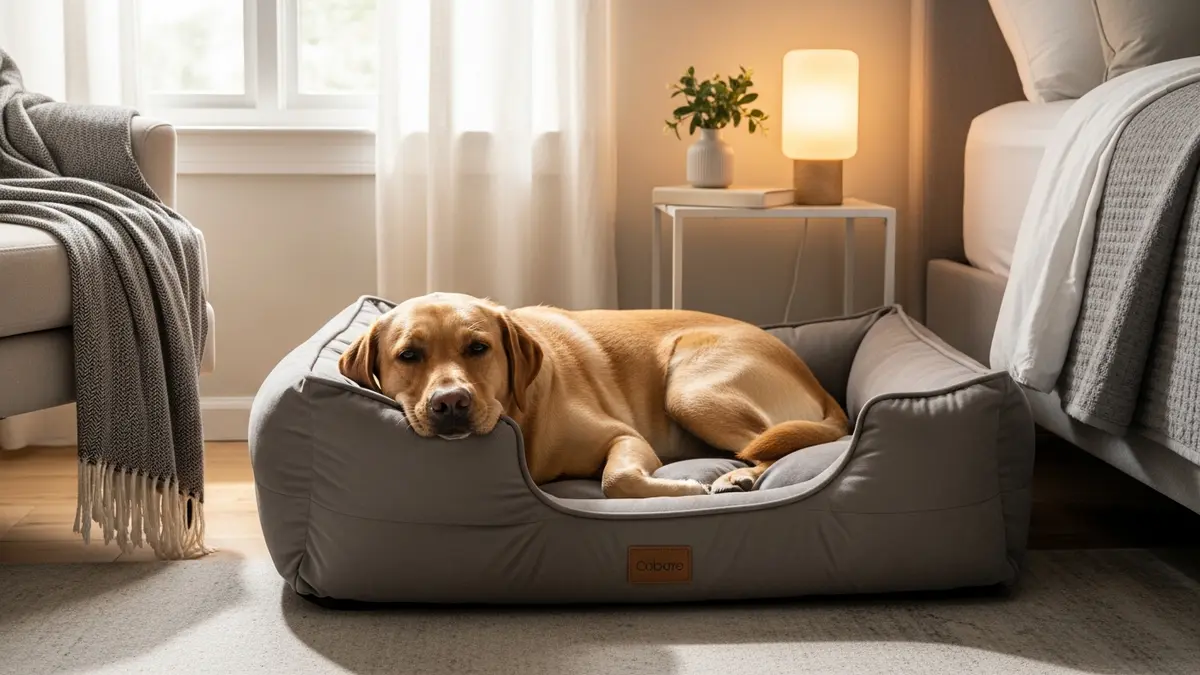
A quality orthopedic bed supports your pet's joints and spine regardless of age, but it becomes especially critical for senior pets and large breeds prone to hip dysplasia. Look for beds with at least 4 inches of high-density memory foam, a waterproof inner liner, and a machine-washable outer cover. For a deep dive into dog bed options, see our best dog beds guide.
For dogs: Match bed size to your dog's sleeping style. Dogs that curl up need a bolster bed with raised edges. Dogs that sprawl need a flat mat or platform bed. Crate pads should fit snugly without bunching.
For cats: Cats prefer enclosed or semi-enclosed sleeping spaces that provide a sense of security. Hooded beds, cave-style beds, and window perches with padded surfaces are all excellent choices. Most cats appreciate having multiple sleeping spots throughout the home.
Food and Water Accessories
The vessel your pet eats and drinks from matters more than most people realize. Material choice affects hygiene, durability, and even your pet's health.
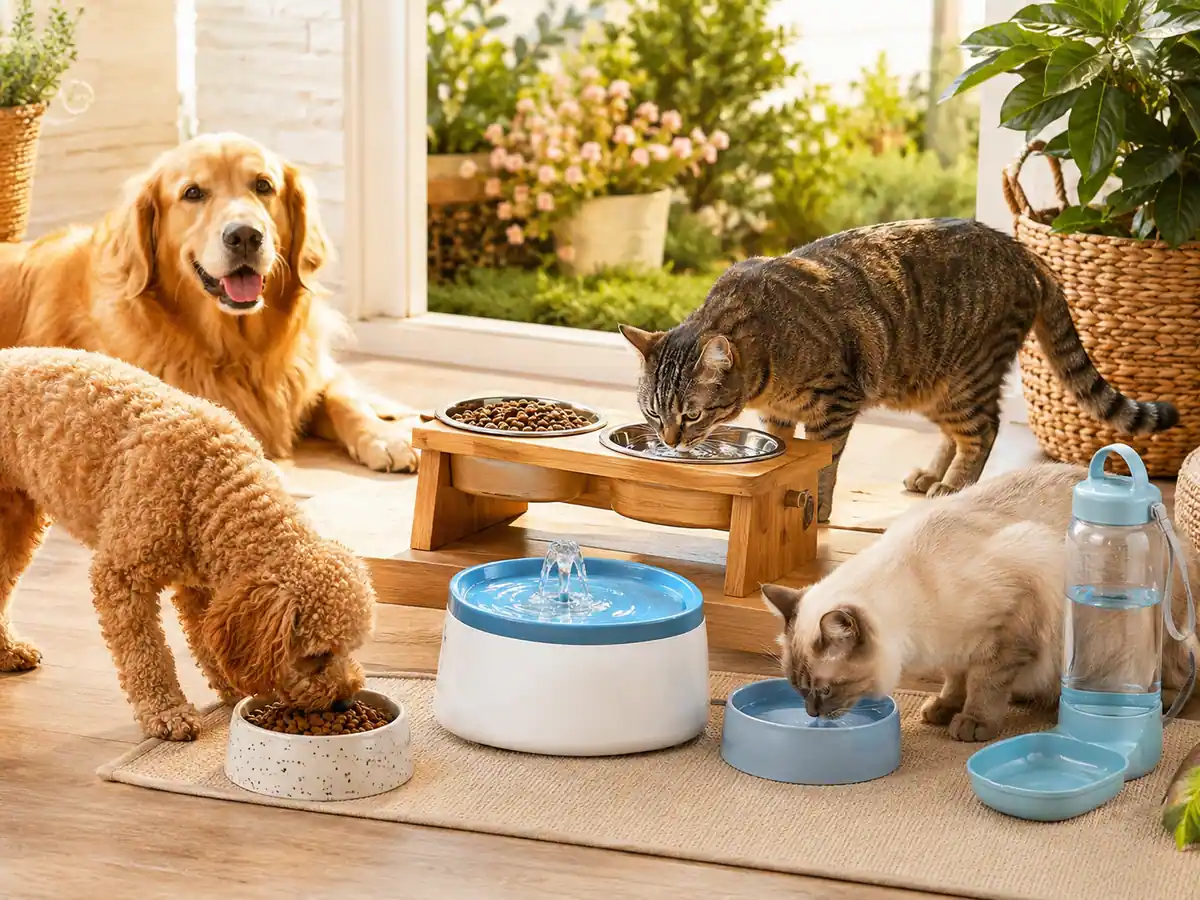
Stainless steel bowls are the gold standard for both dogs and cats. They are non-porous (bacteria cannot embed in the surface), dishwasher safe, virtually indestructible, and free from BPA and other chemicals found in plastic. Ceramic bowls are the next best option, provided they are lead-free glazed.
Honestly, when we first started covering pet accessories, we underestimated how much sizing and material would matter to long-term safety. We've since adjusted how we recommend products.
Avoid plastic bowls. Plastic scratches easily, and those scratches harbor bacteria that cause chin acne in cats and lip-fold infections in dogs. Plastic also leaches chemicals over time, especially when washed in hot water or exposed to sunlight.
Pet Water Fountain
Many cats in particular are reluctant to drink from still water bowls - an evolutionary instinct that associates still water with contamination. A pet water fountain provides continuously circulating, filtered water that encourages cats to drink more, reducing the risk of urinary tract issues and kidney disease. Look for stainless steel or ceramic fountains with replaceable carbon filters.
You might also enjoy our recommendations for toys for dachshunds.
Toys and Enrichment
Toys are not luxury items - they are essential tools for physical exercise, mental stimulation, and emotional health. Both dogs and cats need a rotation of toys that cater to different play styles and needs.
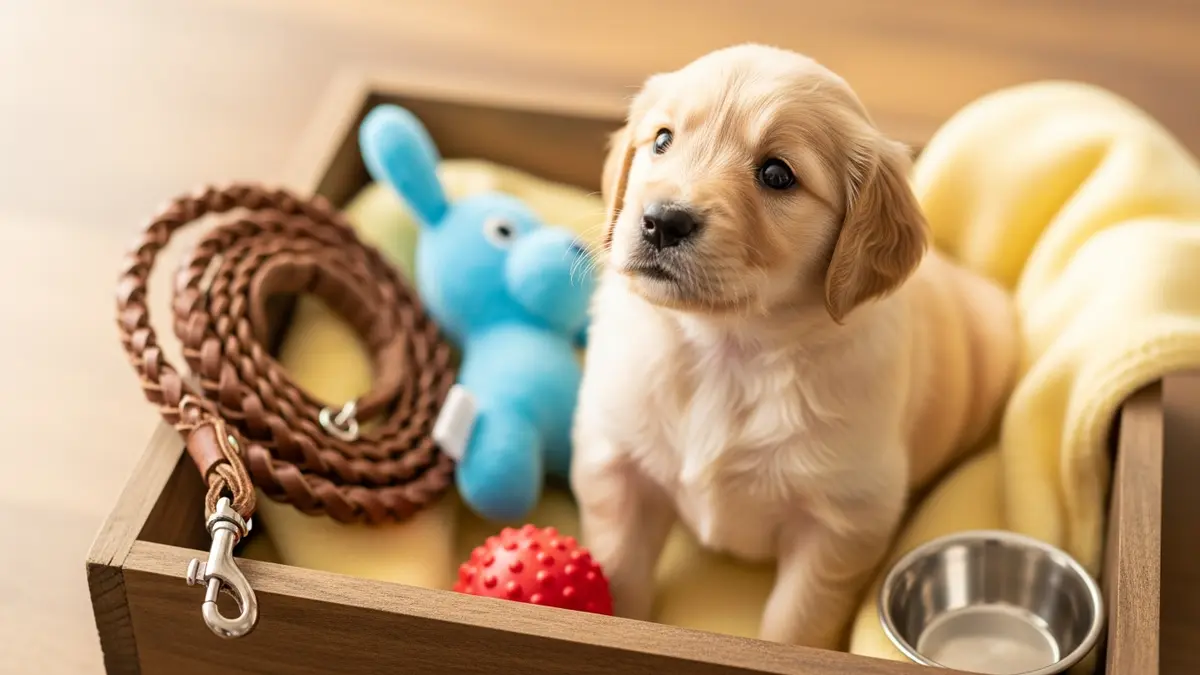
For dogs: A well-rounded toy collection should include at least one chew toy (for jaw exercise and dental health), one fetch toy (for aerobic exercise), one tug toy (for interactive bonding), and one puzzle toy (for mental stimulation). Our best dog toys guide and squeaky toy guide cover specific recommendations. For puppies, check our puppy toy guide.
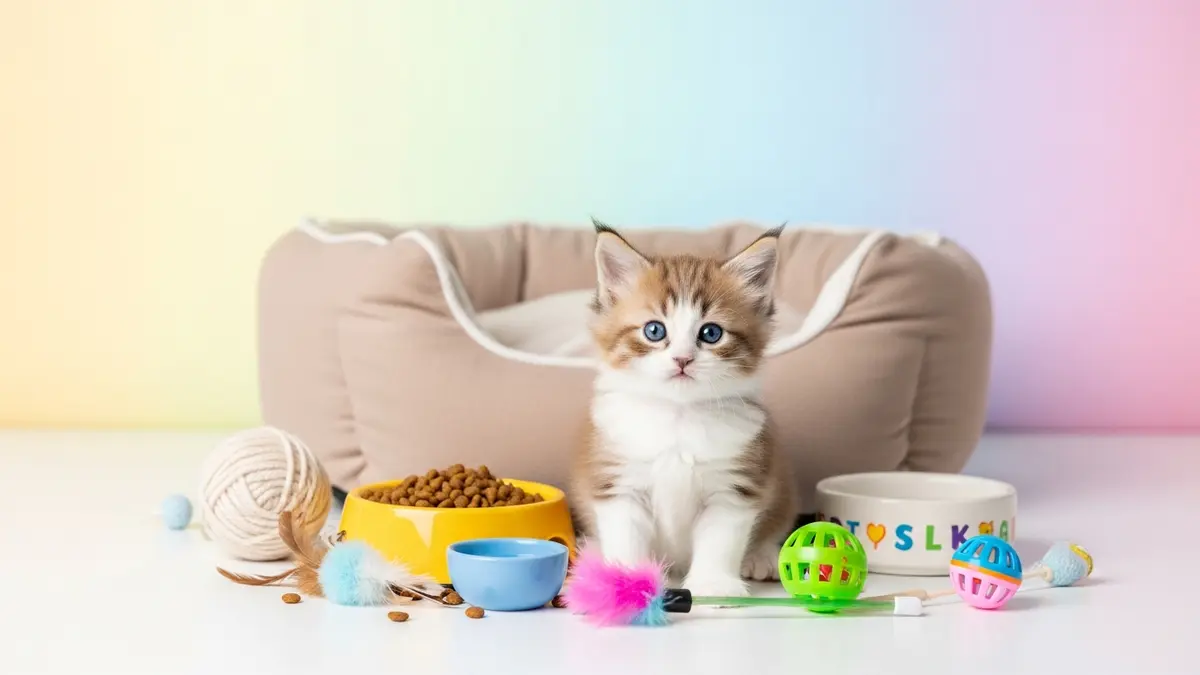
For cats: Essential cat toys include a wand or feather toy (for interactive hunting play), a solo toy like a ball track (for independent play), and a scratching post (which doubles as both enrichment and claw maintenance). Browse our full best cat toys guide for detailed recommendations.
Grooming Essentials
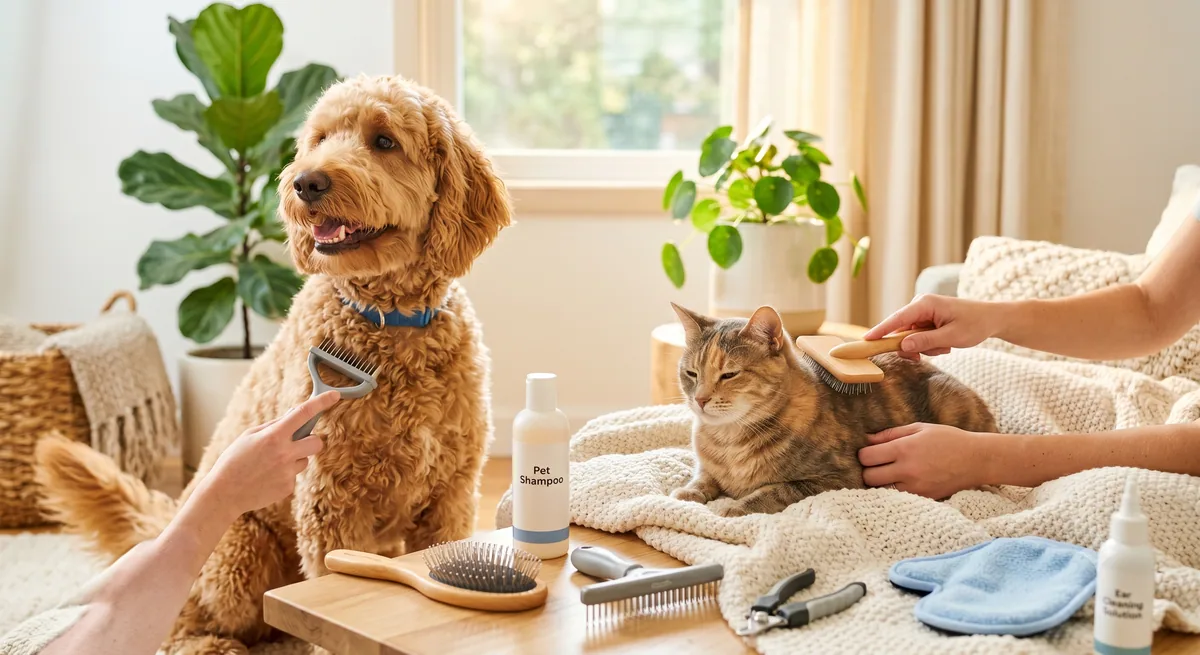
Regular grooming keeps your pet's coat healthy, reduces shedding, prevents matting, and gives you an opportunity to check for skin issues, lumps, or parasites that might otherwise go unnoticed.
| Tool | Best For | How Often |
|---|---|---|
| Slicker Brush | Medium to long-haired dogs and cats | 2-3 times per week |
| Deshedding Tool | Heavy shedders (Huskies, Labs, Maine Coons) | Weekly during shedding season |
| Nail Clippers/Grinder | All dogs and cats | Every 2-4 weeks |
| Ear Cleaning Solution | Floppy-eared dogs, all cats | Monthly or as needed |
| Pet-Safe Toothbrush | All dogs and cats | Daily (ideal) or 3x per week |
Nail care is the grooming task most owners dread, but it is essential. Overgrown nails cause discomfort, alter gait, and can curl into paw pads. If you find traditional clippers intimidating, a nail grinder produces smoother results and reduces the risk of cutting the quick.
Start grooming habits early. Puppies and kittens that are introduced to brushing, nail trimming, and handling during their first few months accept grooming far more readily as adults. Pair grooming sessions with treats to build positive associations.
Travel and Safety Gear
Whether it is a trip to the vet or a cross-country road trip, proper travel accessories keep your pet safe and reduce stress during transport.

For related picks, take a look at our non toxic dog toys roundup.
Crash-Tested Dog Car Harness
An unsecured pet in a moving vehicle is a danger to everyone in the car. In a collision at just 30 mph, a 60-pound dog becomes a 2,700-pound projectile. A crash-tested car harness that attaches to the seatbelt system keeps your dog safely restrained while still allowing them to sit comfortably. Look for harnesses that have been independently crash-tested - marketing claims without third-party testing data are meaningless. For additional guidance, see the AKC expert pet care advice.
For cats: A sturdy, well-ventilated carrier is non-negotiable. Hard-sided carriers with top-loading doors are the safest option for car travel. Leave the carrier out in your home with the door open and a blanket inside so your cat learns to associate it with comfort rather than only stressful vet visits.
ID tags and microchips: Every pet should wear a collar with an ID tag bearing your current phone number and should be microchipped as a permanent backup identification. Update microchip registration information whenever you move or change phone numbers - a chip is useless if the contact information is outdated.
Smart Pet Tech Worth Considering
Pet technology has matured significantly, and several products now offer genuine value rather than being novelties. Here are the smart accessories that have earned their place.
GPS trackers are invaluable for escape-prone dogs or outdoor cats. Modern trackers are lightweight, waterproof, and provide real-time location data through a smartphone app. Some also monitor activity levels and set up virtual fences with escape alerts.
Automatic feeders ensure consistent meal timing even when your schedule is unpredictable. The best models offer portion control, meal scheduling, and slow-feed options. They are particularly useful for cats, who thrive on predictable feeding routines.
Pet cameras with two-way audio let you check on your pet and even talk to them during the day. Some models include treat dispensers that let you reward your pet remotely. These are especially helpful for managing separation anxiety by allowing you to intervene before stress escalates.
Conclusion
Picking the right option for your pet is less about finding a single "best" product and more about matching the choice to your pet's size, age, play style, and your home environment. The recommendations above cover the main scenarios most pet owners run into, so use them as a checklist when comparing options.
Start with one or two changes, watch how your pet responds for a week or two, then iterate. Pets show you very quickly what works for them. If a toy, feeder, or routine is ignored or causes stress, swap it out without hesitation. The goal is a happier, healthier pet every day.
Frequently Asked Questions
Should I consult a veterinarian about my pet's play and enrichment needs?
Yes, especially if your pet shows signs of anxiety, sudden behavior changes, or destructive habits that may indicate a medical issue. A licensed veterinarian or veterinary behaviorist can rule out pain, dental problems, or cognitive decline before you adjust toys or routines. The guidance in this article is educational, not a substitute for professional veterinary advice.
How long does it take to see results from new toys or enrichment?
Most pet owners notice small changes within a week (calmer evenings, less destructive chewing, more interest in mealtime puzzles) and clearer behavior shifts within 4 to 6 weeks of consistent rotation. Older pets and rescues may take 8 to 12 weeks to adjust. Keep a short weekly journal so you can track real progress instead of relying on memory.
What is a safe budget for high-quality pet toys per month?
For most households,