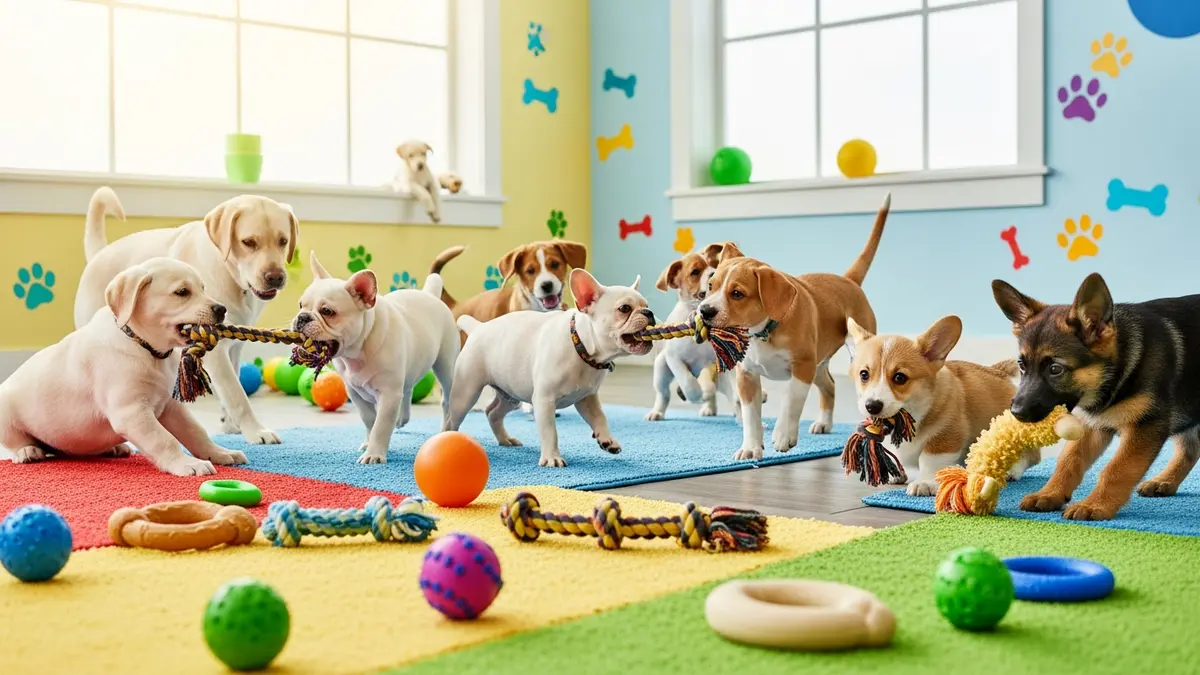
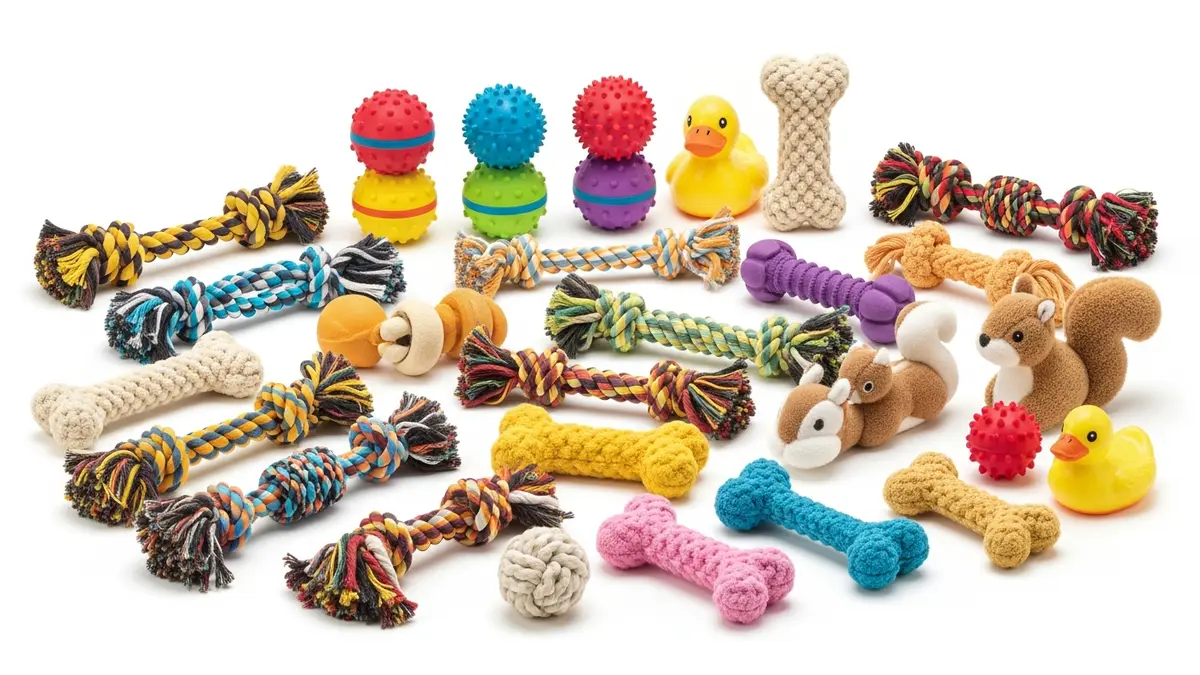
Don't let the short legs fool you. A Dachshund packs the tenacity of a big hunting dog, the stubbornness of a mule, and the curiosity of a detective into a body roughly the size of a loaf of bread. They were bred in Germany for one purpose: to go underground and take on badgers - one of the most ferocious animals a small dog could face. That heritage shapes everything about how they play, what they need, and which toys for dachshunds will actually hold their attention. According to the American Kennel Club breed standards directory, choosing the right toys can support your pet's mental and physical wellbeing.
The problem most Dachshund owners run into isn't finding toys - it's finding the right toys. A toy that ignores their scent drive will sit untouched. One that encourages jumping or climbing puts their long spine at serious risk. And anything that doesn't engage that relentlessly stubborn brain gets dismissed in seconds. This guide covers 12 picks that get it right, plus the essential information you need to keep your Dachshund stimulated, happy, and - crucially - safe. For a broader overview of options, see our guide to the best dog toys across all breeds and budgets.
What Makes a Good Toy for Dachshunds
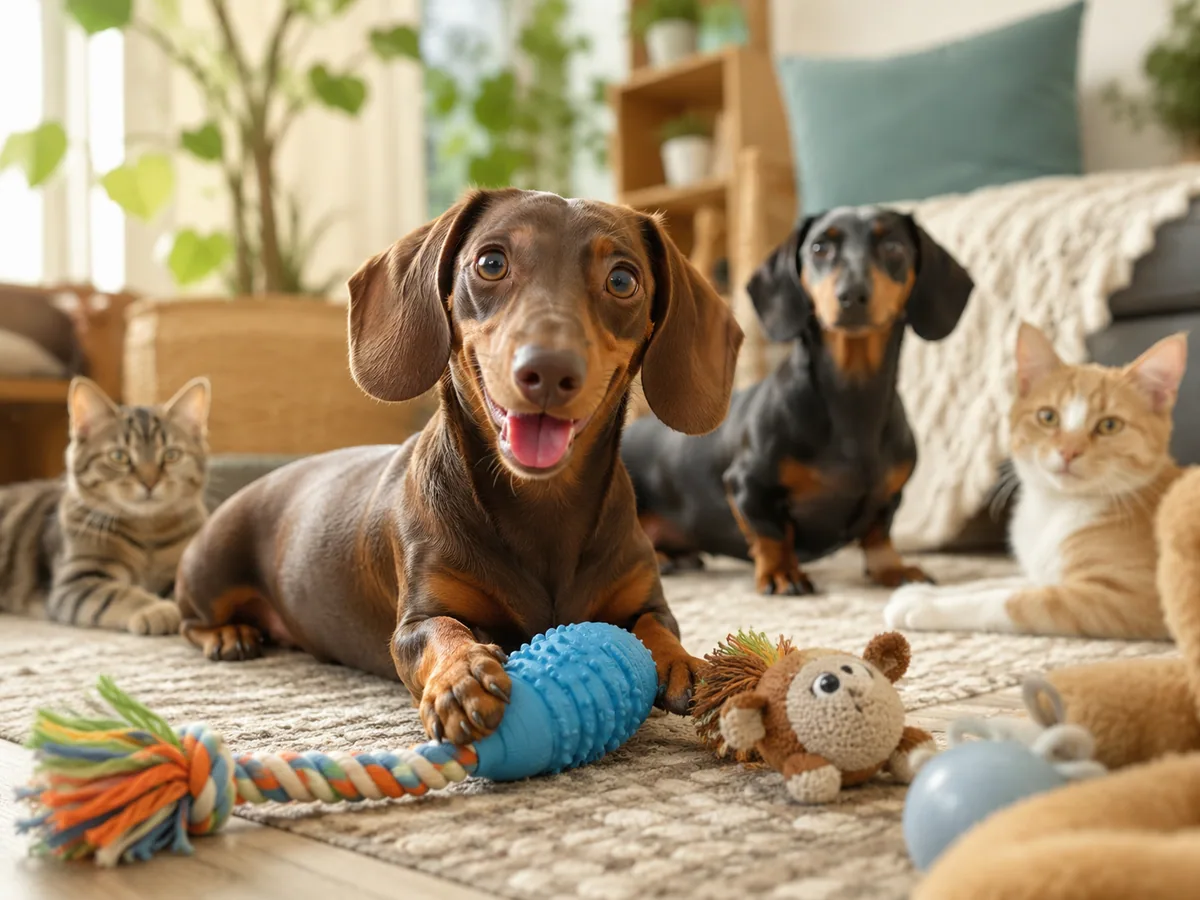
Before spending money on toys that won't work, it helps to understand exactly what a Dachshund needs from playtime. Their physical and behavioral profile is very specific - and the toys that resonate with them reflect that profile directly.
When we look at toys for dachshunds from a practical pet-owner lens, we keep coming back to a simple rule: choose for your dog's chewing style first, aesthetics second. We've found that approach prevents most of the regrets.
If you want even more options, check out our guide to best dog toys for puppies teething.
Nose-Work Friendly Design
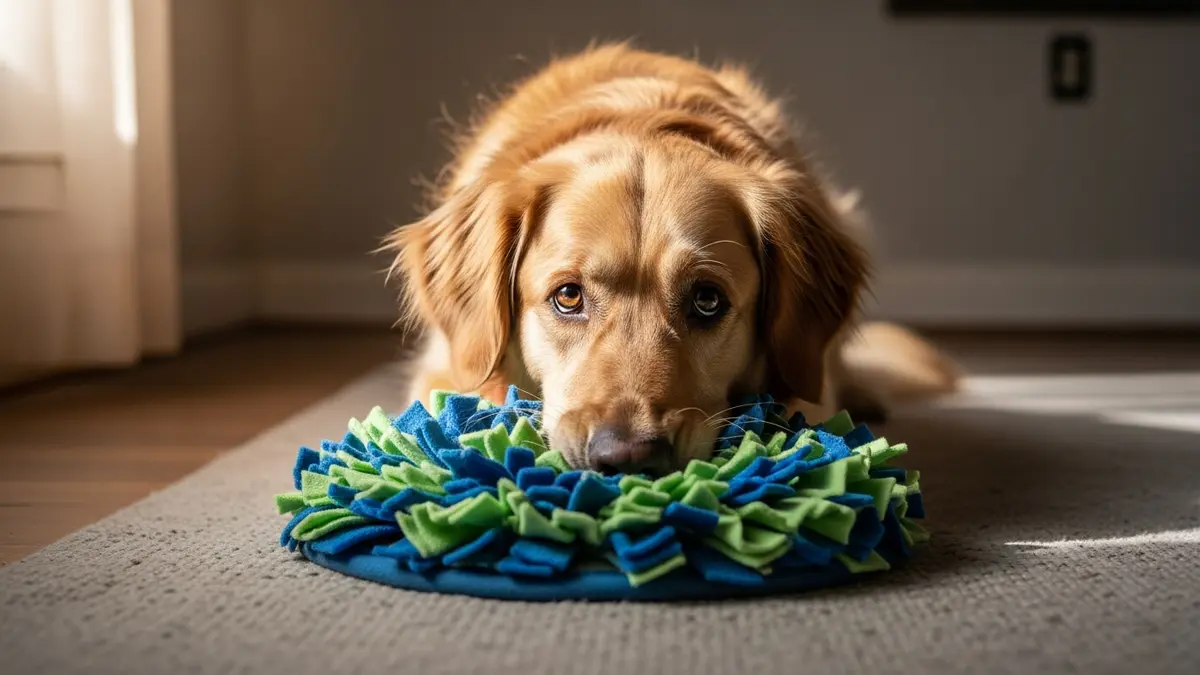
Dachshunds are scent hounds. Their noses were the primary tool they used underground, tracking badgers through tunnels where sight was useless. With approximately 300 million olfactory receptors compared to a human's 6 million, a Dachshund's nose is a superpower that demands to be used. Toys that incorporate hiding, foraging, and sniffing - snuffle mats, puzzle feeders, hide-and-seek plush toys - speak directly to this instinct. A Dachshund engaged in nose work is a mentally occupied Dachshund, and a mentally occupied Dachshund is a calm and happy one.
Ground-Level Play
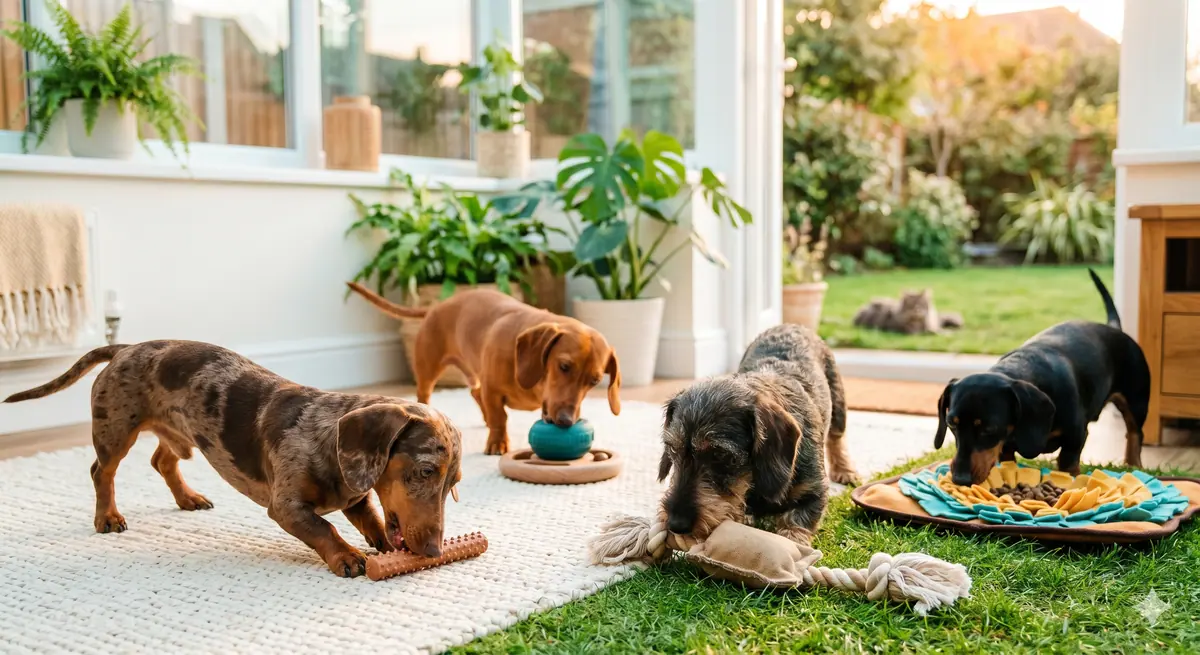
This requirement is non-negotiable. Dachshunds have elongated spines and shortened rib cages that make them uniquely vulnerable to intervertebral disc disease (IVDD) - a spinal condition that can cause paralysis if discs rupture. Jumping down from furniture, leaping for toys, or any repetitive high-impact activity puts enormous stress on those discs. The best toys for Dachshunds keep play at floor level, encouraging sniffing, pawing, digging, and rolling rather than jumping or climbing. If a toy requires your Dachshund to leap up or land heavily, it belongs in a different dog's toy box.
Durable Enough for Their Strong Jaws
Here's something many new Dachshund owners don't expect: those little dogs can chew. Hard. Their jaws were built to grip and shake prey underground, which means they bring serious bite force relative to their size. Soft plush toys get disemboweled quickly. Thin rubber squeakers get punctured in minutes. Look for toys made from thick, bite-resistant rubber, reinforced stitching on plush toys, and materials rated for power chewers. This is especially important for toys intended for unsupervised play. Our guide on the best toys for puppies also covers durability considerations worth reviewing if you have a young Dachshund just learning how to chew.
Mentally Engaging Without Being Frustrating
Dachshunds are independently minded problem solvers. Unlike retrievers who look to their owners for guidance, a Dachshund will attempt to figure out a puzzle entirely on their own - and if it's too easy, they'll lose interest immediately. If it's too hard, they'll get frustrated and walk away. The sweet spot is a toy that requires genuine effort but delivers regular small rewards, keeping them engaged for extended sessions. Start at intermediate difficulty for most adult Dachshunds and adjust based on how quickly they solve each challenge.
Play sessions for Dachshunds should be mentally rich and physically gentle. Ten minutes of active nose work or puzzle solving is more valuable - and far safer for their spine - than ten minutes of high-impact fetch.
12 Best Toys for Dachshunds
These picks are selected specifically for the Dachshund's combination of scent-hound instincts, independent problem-solving nature, strong jaws, and the IVDD back risk that makes low-impact, ground-level play essential. Browse our full dog toys collection to find the right match for your dog.
1. Snuffle Mat - Best for Nose Work
For a scent hound, a snuffle mat isn't just a toy - it's a paradise. Kibble or small treats hidden within the fabric strips force your Dachshund to use their nose to locate every piece, mimicking the foraging behavior their ancestors relied on underground. Research consistently shows that nose work is among the most cognitively demanding activities a dog can perform, and 15 minutes of active sniffing can be as mentally tiring as an hour of physical exercise. A snuffle mat also has a documented calming effect, making it ideal before quiet time, after a stressful event, or whenever you need your Dachshund to settle without burning extra energy yourself. It stays entirely at ground level - no lifting required.
Honestly, we get asked about toys for dachshunds more than almost any other category, and our answer has evolved over time as new research and product updates land.
2. KONG Classic - Best Overall Toy
The KONG Classic is the single most versatile toy you can buy for a Dachshund. Fill it with peanut butter, wet food, Greek yogurt, or soaked kibble - then freeze it overnight for a challenge that can occupy even the most persistent Dachshund for 30 to 45 minutes. The rubber is thick enough to withstand a Dachshund's impressive bite force without cracking, and the unpredictable rolling motion keeps them engaged as they work to access the filling. Crucially, it's a completely ground-level toy - no jumping required. Choose size Small for miniature Dachshunds and Medium for standard Dachshunds. Prep several at once and keep them in the freezer for ready-to-deploy enrichment any time you need it.
3. LickiMat - Best for Calm Play
Repetitive licking activates the parasympathetic nervous system, triggering a calming physiological response in dogs. A LickiMat spread with peanut butter, mashed banana, plain pumpkin puree, or canned wet food gives your Dachshund a low-impact, ground-level activity that settles them down while keeping their mind gently engaged. It's particularly valuable for Dachshunds prone to anxiety - pair it with other dog anxiety toys for a complete calming toolkit. Freeze it for extended sessions. The textured surface also promotes saliva production, which supports dental health by naturally reducing plaque buildup over time.
4. Nina Ottosson Dog Casino - Best Puzzle Toy
The Nina Ottosson Dog Casino is a Level 3 puzzle toy - genuinely challenging, even for a clever Dachshund. Dogs must slide compartments, lift covers, and rotate discs in specific sequences to uncover hidden treats. For a breed that was bred to problem-solve independently underground without human guidance, this is deeply satisfying work. The Dog Casino also has a lock feature on compartments that prevents your Dachshund from relying on a single solution - they need to try multiple approaches. Supervise initial sessions to ensure your dog doesn't become frustrated, and introduce it in stages if needed. Once mastered, refill and reset for repeated engagement sessions.
You might also enjoy our recommendations for indestructible dog toys for aggressive chewers.
5. Outward Hound Plush Squirrel Toy - Best Soft Toy
Dachshunds have a strong prey drive - after all, they were bred to hunt. A soft squeaky toy like the Outward Hound plush squirrel satisfies this drive in a completely safe and gentle way. The squeak triggers the same excitement as finding prey, and the soft body encourages shaking and carrying - natural Dachshund behaviors. Look for versions with reinforced stitching if your dog is a determined chewer. This toy is best for supervised play sessions rather than unattended chewing, as most Dachshunds will eventually work their way into the stuffing given enough time. Use it for gentle, ground-level fetch tosses or tug sessions to combine physical engagement with bonding.
6. Chuckit! Mini Ultra Ball - Best Fetch Ball
Standard tennis balls are too large for most Dachshunds to carry comfortably, and the abrasive felt wears down tooth enamel. The Chuckit! Mini Ultra Ball solves both problems - it's sized correctly for small-to-medium mouths, constructed from thick natural rubber that absorbs impact without cracking, and comes in a high-visibility color that's easy to spot on grass or indoor floors. For Dachshund fetch, keep throws short and along the ground - a gentle roll rather than a high-arcing lob. Avoid having your dog chase a ball up stairs or jump to catch mid-air throws, as landing impact is one of the leading contributors to disc injuries in this breed.
7. Tug Toy (Rope) - Best for Prey Drive
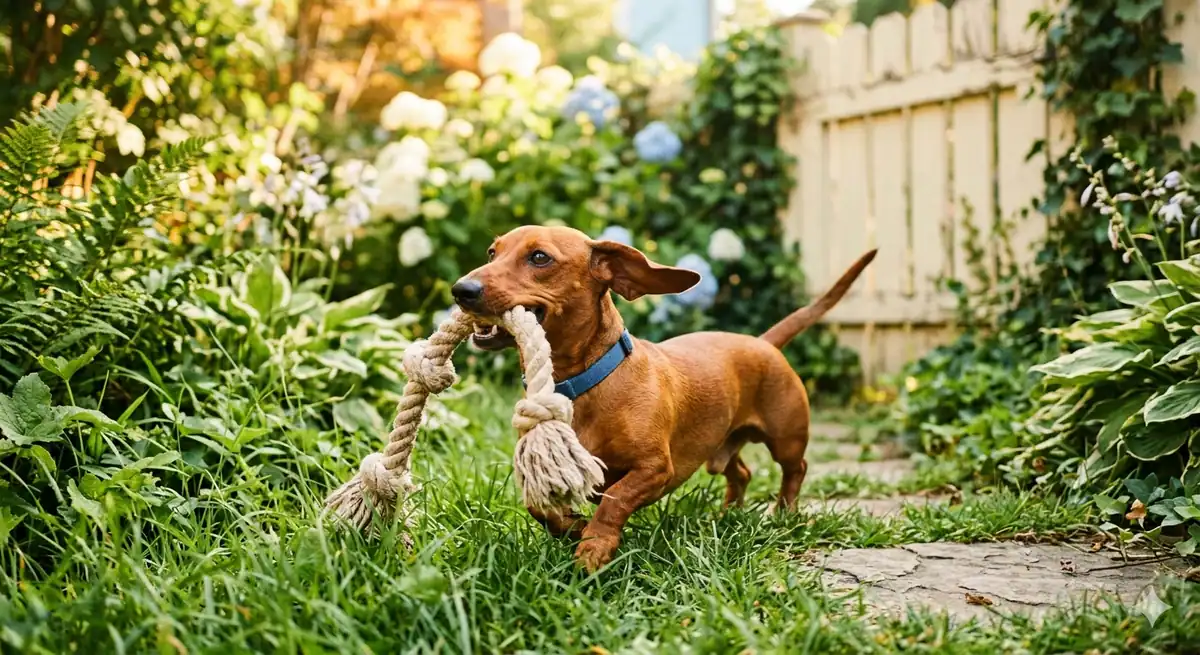
Tug-of-war is one of the best games you can play with a Dachshund - it channels their natural gripping and pulling instincts in a controlled, supervised format. Choose a tightly woven cotton-blend rope toy sized appropriately for a small-to-medium dog, and keep your tug sessions low and horizontal. Avoid jerking the toy upward or letting your Dachshund hang suspended, as spinal torque is the concern here. Always play on a non-slip surface and keep sessions to five to ten minutes. End every session with a firm "drop it" command - this reinforces your position as leader of the game and doubles as impulse control training. Remove rope toys after play, as unsupervised chewing can lead to ingestion of rope fibers.
8. West Paw Tux - Best Treat Dispenser
The West Paw Tux is a treat-dispensing toy with a distinctive three-pronged shape that makes it roll unpredictably, encouraging your Dachshund to nose and paw it around the floor to release treats. Unlike a simple bowl-shaped dispenser, the Tux's irregular form means it requires active engagement - your dog can't just tip it over and walk away. The Zogoflex material is non-toxic, fully recyclable, and dishwasher safe for easy cleaning. It's ideal as a mealtime enrichment tool: load it with your Dachshund's regular kibble so they work for every single piece of their dinner. West Paw offers a size Small that suits most Dachshunds perfectly.
9. Dachshund Tunnel Toy - Best for Burrowing Instinct
Dachshunds are natural burrowers - in the wild, they went underground to hunt. At home, this manifests as an obsession with getting under blankets, burrowing into laundry piles, and squeezing into tight spaces. A soft fabric tunnel toy or burrow bed caters to this deeply wired instinct by providing a safe, enclosed space your Dachshund can enter and exit at will. Many owners find that hiding treats or a favorite soft toy inside the tunnel transforms it into an enrichment tool - your dog learns to explore the tunnel to discover rewards. Look for designs with multiple exits to prevent any feeling of being trapped. This is one of the few toys entirely appropriate for unsupervised use.
10. Flirt Pole - Best for Ground-Level Active Play
A flirt pole is a long-handled wand with a lure attached - essentially a giant cat toy for dogs. For Dachshunds, it's one of the most effective physical exercise tools available because the lure moves along the ground, which is exactly where a Dachshund is built to play. Keep the lure at floor level at all times - dragging it in circles, figures of eight, and short bursts rather than lifting it into the air. This activates the prey drive and encourages sprinting and direction changes without any of the jumping or landing impact that causes spinal stress. Ten minutes of focused flirt pole play is genuinely tiring for a Dachshund. Use "sit" and "wait" commands between bursts to integrate training into the exercise session.
11. Hide-A-Squirrel Puzzle Plush - Best Hide-and-Seek Toy
The Hide-A-Squirrel is a plush tree stump with several small squirrel figures that tuck inside. Your Dachshund must root through the stump and extract each squirrel - satisfying the same foraging and extraction behaviors that made them effective hunting dogs underground. The small squeaky squirrels trigger the prey drive, while the act of nosing through the trunk to locate them activates scent-work instincts. It's a two-in-one enrichment toy that works particularly well as a settle-down activity after a walk. The plush construction is best for supervised play - Dachshunds with strong chewing tendencies will eventually tear into the fabric, so monitor play and replace when significant wear appears.
12. Digging Box with Buried Toys - Best for Digging Instinct
Dachshunds dig. It is not a behavior problem - it is who they are, written into centuries of selective breeding. Fighting it is an uphill battle. The smarter approach is to redirect it into a controlled outlet. A digging box is simply a low container (a plastic storage bin or sandbox frame works perfectly) filled with child-safe sand, loose soil, or shredded paper, with toys and treats buried at varying depths. You teach your Dachshund that this specific box is their approved digging zone, rewarding enthusiastically every time they use it. Regularly re-bury toys to keep the box fresh and rewarding. Outdoors, mark a designated corner of your garden as the sanctioned dig zone and train your dog to use it rather than your flower beds. This is one of the most satisfying outlets for a breed literally designed to excavate.
Toys to Avoid for Dachshunds
Choosing the wrong toy for a Dachshund isn't just a waste of money - it can be genuinely dangerous. Their spinal anatomy creates specific risk factors that make certain types of play harmful, even if those same toys would be perfectly fine for other breeds.
Toys That Encourage Jumping
Any toy that requires your Dachshund to leap upward and land - Frisbees thrown high in the air, balls bounced at chest height, toys held above their head as a tease - creates the kind of spinal impact that contributes to IVDD. Each hard landing compresses the intervertebral discs in the lumbar spine, which in Dachshunds are already predisposed to calcification and rupture. Even a short jump from a sofa can be enough to trigger a disc incident in a susceptible dog. Keep all play at ground level, always.
For related picks, take a look at our dog toys for heavy chewers roundup. For additional guidance, see the ASPCA dog care guidelines.
High-Impact Fetch Over Long Distances
A sustained game of aggressive fetch - sprinting flat out, skidding to a stop, then scrambling to return - combines the impact of running with sudden deceleration forces that are hard on the spine and joints. This is especially problematic on hard floors or concrete surfaces. Short, gentle fetch on soft grass is acceptable in moderation; extended high-speed sessions are not. If your Dachshund loves fetch, keep throws short and at a low arc that encourages trotting rather than full-speed sprinting with sudden stops.
Toys That Require Climbing
Avoid any toys that are mounted at height, designed to be climbed, or that involve your Dachshund navigating elevated platforms or stairs to reach them. Agility equipment, raised puzzle boards, or toys placed on furniture that your dog has to scramble up to access all fall into this category. The risk isn't just the climb - it's the descent, where impact forces on landing are significantly amplified relative to the height involved.
Intervertebral disc disease affects approximately 25% of Dachshunds at some point in their lives. The best prevention is a consistent commitment to low-impact, ground-level play throughout their entire life - not just after symptoms appear. Prevention is far better than treatment, which can include surgery costing several thousand dollars.
Toys Too Small for Safe Play
While most toy-sizing guidance warns against oversized toys, the opposite problem matters for Dachshunds too. Toys that are appropriately sized for truly tiny breeds may be small enough for a Dachshund to accidentally ingest or choke on - particularly given how determined they are when chewing. Always check the manufacturer's size guide and err on the side of slightly larger rather than too small when there's any doubt.
Protecting Your Dachshund's Back During Play
Back health isn't just a consideration to keep in mind - for Dachshund owners, it has to be an active priority built into every aspect of daily life, including playtime. Here's how to structure play in a way that gives your dog a rich, engaging experience without putting their spine at risk.
Choose the Right Play Surface
Slippery floors are a significant back hazard for Dachshunds. When they chase a toy on hardwood or tile and skid to a stop, the sudden twisting and lateral movement compresses the spine unpredictably. Place non-slip rugs or yoga mats in your play areas, especially in indoor spaces where your Dachshund does most of their active play. Soft grass is the ideal outdoor surface - it absorbs impact and provides grip without the hazards of hard flooring.
Control the Intensity of Play Sessions
Short, moderate-intensity sessions are safer than one long high-intensity session. Two or three ten-minute play windows throughout the day - a snuffle mat session, a puzzle feeder at mealtime, a gentle flirt pole game in the evening - provide comprehensive enrichment without accumulating the kind of physical stress that leads to injury. Watch for signs of over-exertion: heavy panting, reluctance to continue, or stiffness after stopping. If you notice any of these, end the session immediately and let your dog rest.
Never Force Play After Signs of Discomfort
A Dachshund that suddenly cries out during play, refuses to move, walks with an arched back, or drags their rear legs may be experiencing a disc incident. This is a veterinary emergency. Do not attempt to walk it off or continue play in hopes the issue resolves itself. Restrict all movement, carry your dog to the car rather than letting them walk, and get to a vet immediately. Early treatment dramatically improves outcomes for IVDD - time matters significantly in these situations.
Use Ramps, Not Stairs
This isn't strictly toy-related, but it's fundamental to back health: install dog ramps for any furniture your Dachshund accesses regularly. The repeated impact of jumping up or down from sofas and beds is one of the primary contributors to disc problems in the breed. Ramps eliminate this impact entirely. Pair ramp use with a ground-level toy strategy and you've created an environment that's genuinely spine-friendly throughout the whole day - not just during dedicated play sessions.
For Dachshunds, mental enrichment should be prioritized over high-impact physical exercise. A snuffle mat session, a frozen KONG, and a puzzle feeder used across one day provides more genuine satisfaction - and far less spinal risk - than an hour of vigorous fetch.
Comparison: Budget vs Mid-Range vs Premium
This quick comparison helps you understand what you actually get at each price band, so you can decide where to spend and where to save without compromising safety.
Comparison reflects typical US retail ranges as of 2026. Always verify safety labels before purchase.
Conclusion
Picking the right option for your pet is less about finding a single "best" product and more about matching the choice to your pet's size, age, play style, and your home environment. The recommendations above cover the main scenarios most pet owners run into, so use them as a checklist when comparing options.
Start with one or two changes, watch how your pet responds for a week or two, then iterate. Pets show you very quickly what works for them. If a toy, feeder, or routine is ignored or causes stress, swap it out without hesitation. The goal is a happier, healthier pet every day.
Frequently Asked Questions
Should I consult a veterinarian about my pet's play and enrichment needs?
Yes, especially if your pet shows signs of anxiety, sudden behavior changes, or destructive habits that may indicate a medical issue. A licensed veterinarian or veterinary behaviorist can rule out pain, dental problems, or cognitive decline before you adjust toys or routines. The guidance in this article is educational, not a substitute for professional veterinary advice.
How long does it take to see results from new toys or enrichment?
Most pet owners notice small changes within a week (calmer evenings, less destructive chewing, more interest in mealtime puzzles) and clearer behavior shifts within 4 to 6 weeks of consistent rotation. Older pets and rescues may take 8 to 12 weeks to adjust. Keep a short weekly journal so you can track real progress instead of relying on memory.