Most cats never see a toothbrush, yet their mouths need care as much as any other part of their bodies. A good cat toothpaste makes brushing possible: it tastes like something your cat wants, it is safe to swallow, and it gives you a reason to get a brush near those small teeth every day. This guide explains why human toothpaste is off limits, which kinds of cat toothpaste exist, how to pick one, how to introduce brushing step by step, and what to do when your cat says no.
In This Article
- Quick Answer: What Is Cat Toothpaste and Why Use It?
- Why Can't Cats Use Human Toothpaste?
- What Types of Cat Toothpaste Are There?
- What Does the VOHC Seal Mean for Cat Toothpaste?
- How Do You Choose a Cat Toothpaste?
- How Do You Introduce Cat Toothpaste and Brush Step by Step?
- How Often Should You Brush a Cat's Teeth?
- What Should You Do if Your Cat Refuses Brushing?
- Do Dental Diets, Treats and Water Additives Work?
- Which Signs of Dental Disease Need a Vet?
- What Do Cat Owners Ask Most About Cat Toothpaste?
- Sources
Quick Answer: What Is Cat Toothpaste and Why Use It?
Cat toothpaste is a non-foaming paste or gel made to be swallowed, usually flavored with chicken, beef or fish so cats accept it. Never use human toothpaste, which contains fluoride and foaming agents. Pair a cat toothpaste with a soft brush, introduce it slowly over several weeks, and aim to brush once a day.
Updated October 23, 2026- Use only pet toothpaste: human toothpaste is made to be spat out, and cats cannot spit.
- Flavor matters most: the best cat toothpaste is the one your cat happily licks off your finger.
- Brushing does the work: the paste helps, but the gentle scrubbing of the brush removes plaque.
- See a vet first if the gums look red, bleed easily or your cat seems to have mouth pain.
Why Can't Cats Use Human Toothpaste?
Answer: Human toothpaste is designed for people who rinse and spit. Cats swallow everything you put in their mouths, and human formulas foam and contain fluoride that should not be swallowed. Cats also dislike the minty taste, so a session with human toothpaste is unsafe and unpleasant. Use a toothpaste made specifically for cats instead.
The Cornell Feline Health Center is direct about this: use only tooth gel or toothpaste designed specifically for cats, because human products can be toxic to cats. VCA Animal Hospitals explains why. Human toothpastes are foaming products and contain ingredients such as fluoride that should not be swallowed, while pet toothpaste is non-foaming and safe to swallow. Source: Cornell Feline Health Center, Feline Dental Disease.
International Cat Care adds a practical reason. It says human toothpaste should never be used on a cat because it is unpalatable to cats and may irritate the stomach. A cat that hates the taste of the paste quickly learns to hate the brush, which makes the whole routine harder. Source: International Cat Care, How to Brush Your Cat's Teeth.
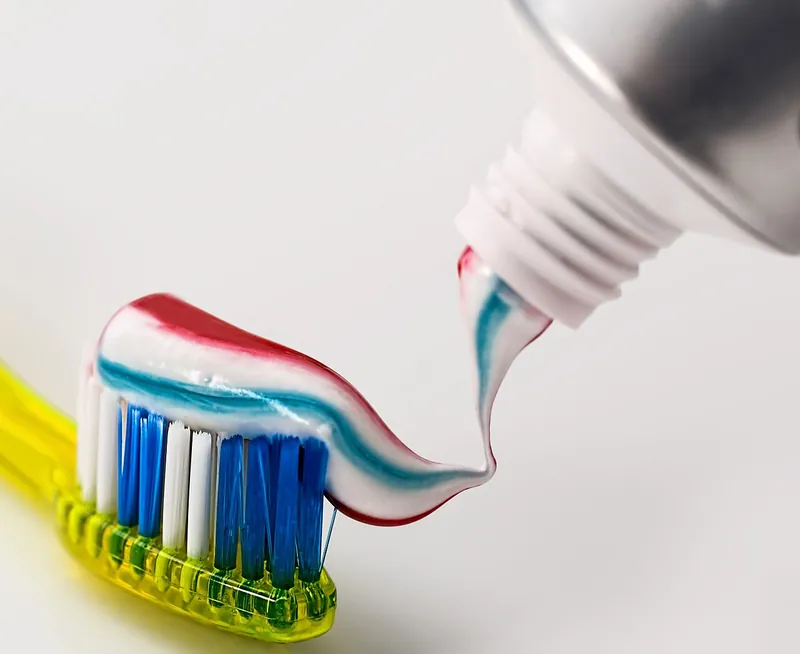
What about xylitol? This sugar substitute appears in some human toothpastes and is very dangerous for dogs. The evidence for cats is different. The Merck Veterinary Manual states that dogs are the only domestic species in which xylitol poisoning has been reported, and the FDA notes that xylitol does not seem to be as dangerous for cats. Source: Merck Veterinary Manual, Xylitol.
That does not make human toothpaste acceptable for a cat. The fluoride and foaming agents are still a problem, and the FDA's advice covers every pet: only use pet toothpaste for pets, never human toothpaste. If you share your home with a dog, keep your own toothpaste well out of its reach, since a chewed tube is a real emergency for dogs. Source: FDA, Paws Off Xylitol.
What Types of Cat Toothpaste Are There?
Answer: Most products fall into three groups. Flavored pastes are used with a brush and come in meat or fish flavors. Enzymatic pastes add enzymes meant to support the mouth's natural defenses. Oral gels are applied with a finger or swab when brushing is not possible. All of them work best with gentle, regular brushing.
Flavored pastes are the classic cat toothpaste. They look like a thick paste or gel, do not foam, and taste of something cats like. International Cat Care notes that cat toothpaste usually comes in flavors such as chicken, beef or fish, and suggests trying different ones to find your cat's favorite. That flavor is the hook that turns brushing into a treat. Source: International Cat Care, How to Brush Your Cat's Teeth.
Enzymatic pastes are flavored pastes with added enzymes. Makers describe these enzymes as boosting the antibacterial systems already present in saliva. Be realistic about that claim: the veterinary sources in this guide focus on removing plaque mechanically, and none of them say an enzyme paste can replace brushing. Think of enzymes as a possible bonus, not a reason to skip the brush.
Oral gels and sprays are designed to be applied without full brushing. You dab the gel on the gum line with a finger, a swab or a soft brush, and the cat's tongue spreads it. These can suit cats that are still learning, or owners who want something between brushing days. A few gels and sprays for cats carry the VOHC seal, which we explain in the next section.
What Does the VOHC Seal Mean for Cat Toothpaste?
Answer: The Veterinary Oral Health Council reviews data that companies submit and awards a seal to products shown to slow plaque or tartar when used as directed. It is the most useful independent check for pet dental products. On the cat list we checked, the only toothpaste was sold as a kit with a brush.
VOHC does not test products itself. It reviews the clinical data a company submits against its standards, and when a product shows dental efficacy it earns a seal for plaque, tartar or both. VOHC also says that brushing is the gold standard of daily oral hygiene, and that many middle aged and older cats need periodic professional scaling on top of home care. Source: Veterinary Oral Health Council.
When we checked the accepted products list on October 19, 2026, the cat section included dental diets, dental treats, water additives, a topical gel, a topical spray, food powders, anti-plaque wipes and one toothpaste and brush kit combination. It did not list a cat toothpaste on its own. Most cat toothpastes on store shelves therefore have no VOHC seal, which does not mean they are useless; it means no data has been reviewed. Source: VOHC, Accepted Products.
The practical takeaway is simple. A safe, tasty cat toothpaste is mostly a vehicle that makes brushing pleasant, and the brushing is what has the strongest support. If you want a product with reviewed evidence for an add-on such as a gel, a water additive or a diet, check the current VOHC list rather than marketing copy, because products are added and removed over time.
How Do You Choose a Cat Toothpaste?
Answer: Choose a paste labeled for cats, or for cats and dogs, that says it is safe to swallow and does not foam. Then let your cat decide on flavor. Texture matters too: a smooth gel spreads easily, while a thicker paste stays on the brush. Ask your vet if your cat has health problems.
Start with the label. You want a product that says it is made for cats and is safe to swallow, with no rinsing needed. VCA Animal Hospitals describes the right kind of product as non-foaming pet toothpaste that is safe to be swallowed and comes in flavors cats find appealing. If anything about the ingredients worries you, bring the tube to your next vet visit. Source: VCA Animal Hospitals, Dental Disease in Cats.
Flavor is the deciding factor. A cat that loves the taste will come running when the tube appears. Buy a small tube first, offer a dab on your finger, and watch the reaction. If your cat sniffs and walks off, try a different flavor before you give up on brushing altogether.
Get the right brush too. International Cat Care recommends a toothbrush suitable for cats, and a separate brush for each cat in the household so infection is not passed between cats through saliva. It advises caution with finger brushes, and suggests avoiding them in most cases, because of the risk of being bitten by accident. Source: International Cat Care, How to Brush Your Cat's Teeth.
If you are setting up a new cat or kitten, add toothpaste and a brush to the shopping list from the start. Our new kitten essentials checklist covers the rest, and it is far easier to build a brushing habit with a young cat than with a set-in-their-ways senior.
How Do You Introduce Cat Toothpaste and Brush Step by Step?
Answer: Go slowly and make every step rewarding. First let your cat lick the toothpaste from your finger. Next dab it on a tooth, then let your cat lick it from the brush, and only then begin gentle brushing of the outer tooth surfaces. Most cats can learn this over about a month.
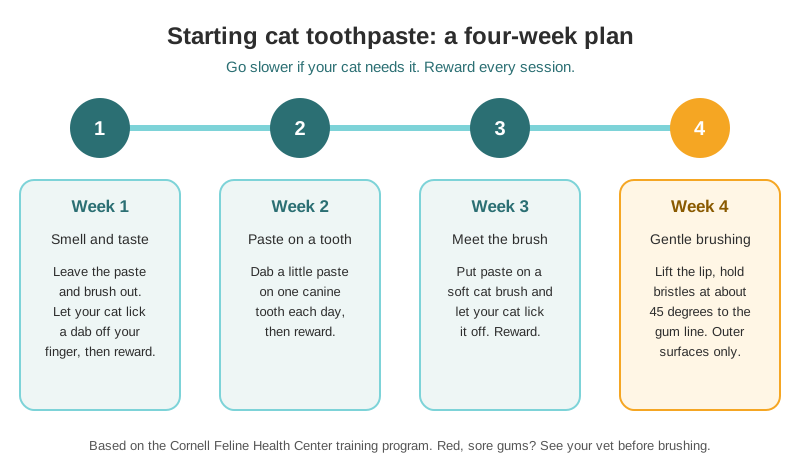
The Cornell Feline Health Center sets out a four-week training program. In week one, leave the brush and paste where your cat can inspect them and let it lick a dab from your finger. In week two, dab paste on a canine tooth each day. In week three, let your cat lick paste off the brush. In week four, start gentle brushing with bristles at a 45 degree angle to the gum line. Source: Cornell Feline Health Center, Feline Dental Disease.
Here is the full routine once your cat accepts the taste of the toothpaste:
- Pick a calm moment. Choose a quiet time when your cat is relaxed, and keep the same time each day so it becomes routine.
- Get comfortable with head handling. Stroke the cheeks and lips first, ending each session with a favorite treat, until you can lift the lip without fuss.
- Hold the head gently. Rest your palm on top of the head and use your thumb and a finger around the cheekbones, keeping your hand away from the eyes.
- Start with a cotton swab. Rub a little paste onto the teeth in small circles for a few days before you switch to the brush.
- Brush the back teeth first. They are the hardest to reach and the most important. Use small circular movements and work forward.
- Clean only the outside surfaces. Your cat's tongue keeps the inner surfaces fairly clean.
- Stop on a good note. End before your cat gets annoyed, give a reward, and try again tomorrow.
International Cat Care suggests starting with just ten seconds on each side and building up to thirty seconds per side. It also warns that a little bleeding from the gums is common at first and should settle as the gums get healthier with regular brushing. Stop if your cat seems uncomfortable and try again the next day. Source: International Cat Care, How to Brush Your Cat's Teeth.
One important exception: if your cat already has red, swollen gums, brushing can hurt. Cornell advises that a cat with severe gingivitis may find brushing painful, so talk to your vet before you start. A professional cleaning first often makes home brushing comfortable afterward.
Dog owners will notice that cat training goes in smaller steps and shorter sessions. If you brush a dog as well, our dog toothbrush guide covers the canine version of this routine, including brush sizes for bigger mouths. Never share a brush between a dog and a cat.
How Often Should You Brush a Cat's Teeth?
Answer: Once a day is ideal. Plaque starts to harden into tartar within days, and brushing removes it while it is still soft. If daily brushing is impossible, brush as often as you can and keep sessions short and positive. Consistency matters more than perfect technique, so pick a routine you can keep.
The reason for daily care is timing. VCA Animal Hospitals explains that without daily brushing, plaque builds quickly and mineralizes over about 36 to 48 hours into hard tartar. Tartar has a rough surface that collects even more plaque, and once it forms, a toothbrush cannot remove it. Source: VCA Animal Hospitals, Dental Disease in Cats.
International Cat Care agrees that once daily is ideal when a cat accepts brushing, and suggests linking it to a fixed moment, such as after a meal or right before a food reward. Cats like routine, so the same place and time every day helps a lot. Source: International Cat Care, How to Brush Your Cat's Teeth.
Brushing is home maintenance, not a replacement for checkups. VCA notes that the rate of tartar buildup varies a lot between cats, and some cats need a professional cleaning every 6 to 12 months even with good home care. Your vet will tell you how often your cat needs one. Source: VCA Animal Hospitals, Dental Disease in Cats.
Never try to scrape tartar off at home with a metal tool. VCA warns that this can injure your cat's mouth and leaves tiny scratches on the tooth surface where bacteria cling and plaque builds faster. Real cleaning needs general anesthesia so the vet can also check below the gum line.
What Should You Do if Your Cat Refuses Brushing?
Answer: Slow down, go back a step, and change one thing at a time: the flavor, the time of day, or the tool. Some cats accept a cotton swab long before a brush. If your cat still refuses after patient training, ask your vet about alternatives such as a dental diet, and never force it.
Forcing a cat usually backfires. A single bad experience can undo weeks of progress, and a frightened cat can bite or scratch. Most refusals have a fixable cause, so work through these ideas one by one:
- Change the flavor. A cat that ignores a poultry paste may love a fish one.
- Use a tastier start. VCA suggests rubbing a cotton swab dipped in tuna juice on the teeth to build a positive link with brushing, even though the juice itself does nothing for the teeth.
- Shorten the session. Brush two or three teeth, reward, and stop. Add more teeth over the following days.
- Try another tool. A cotton swab or a very small soft brush may feel less strange than a big brush.
- Pick a sleepy moment. A relaxed cat after a meal or a play session tolerates handling better.
- Ask for a demonstration. International Cat Care notes that many clinics offer appointments with a vet nurse who can show you how to brush.
Pain is a common hidden reason for refusal. A cat that used to accept brushing and suddenly fights it, or flinches when you touch one side of the mouth, may have a sore tooth. That is a reason to book a vet visit, not to push harder. Stress can play a part too, and gentle play with calming toys for cats before a session can help an anxious cat settle.
If your cat really will not tolerate a brush, International Cat Care suggests putting a little cat toothpaste on dry food or dental chews so it rubs against the teeth, and asking your vet about a dental diet. These options do less than brushing, but they are much better than doing nothing.
Do Dental Diets, Treats and Water Additives Work?
Answer: Some do, within limits. Products with a VOHC seal have submitted data showing they reduce plaque or tartar when used as directed. They can help cats that will not be brushed or add to a brushing routine. None of them reaches every tooth surface as well as a brush, and none replaces vet checkups.
VCA Animal Hospitals notes that advances in pet nutrition have produced water additives, treats and kibble diets that can reduce tartar buildup, and points owners to vohc.org for products that have shown results. Your vet can help you decide which option suits your cat, especially if it has kidney disease, allergies or weight issues that limit what it can eat. Source: VCA Animal Hospitals, Dental Disease in Cats.
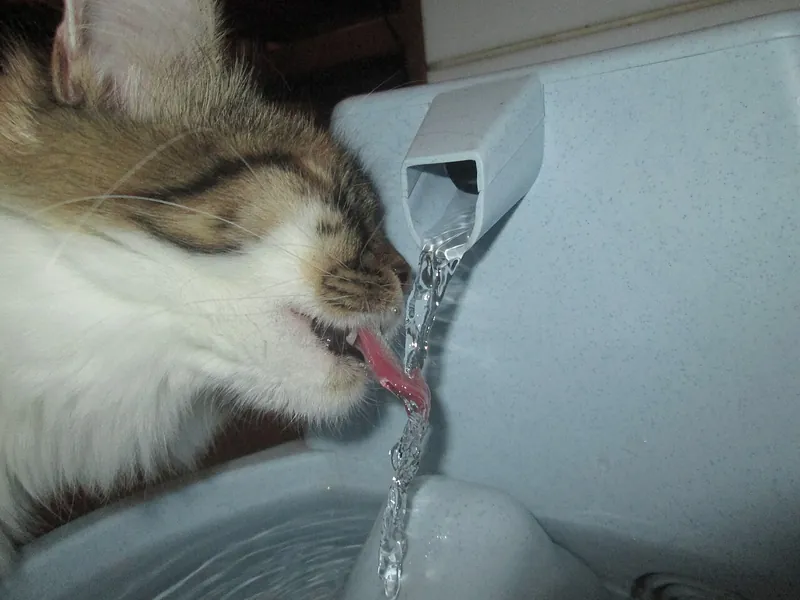
Water additives deserve a word of caution. If your cat dislikes the taste and drinks less, you have swapped one problem for another, since many cats already drink too little. Introduce an additive gradually, watch how much your cat drinks, and stop if intake drops. A flowing source of fresh water encourages drinking, which is why many owners use one of the options in our cat water fountains guide.
Treats and toys can support the routine. Dental treats make a good reward right after brushing, and you can hide them in treat dispensing cat toys or cat puzzle toys so they double as enrichment. Kittens have their own chewing needs while adult teeth come in, covered in our kitten teething toys guide.
Skip products made for dogs. Dog chews are sized and formulated for dogs, and our dog dental chews guide is written for canine mouths only. For cats, stick to products labeled for cats, and keep the overall diet balanced; our guide to premium pet food explains what to look for on the label.
Which Signs of Dental Disease Need a Vet?
Answer: Book a vet visit if you notice bad breath, red or bleeding gums, brown tartar, drooling, dropping food, chewing on one side, pawing at the mouth, or a sudden change in appetite. Cats hide mouth pain well, so even mild signs deserve a checkup. Toothpaste cannot treat existing disease.
Dental disease is very common in cats. The Cornell Feline Health Center reports that studies find between 50 and 90% of cats older than four years have some form of dental disease, most often gingivitis, periodontitis or tooth resorption. The good news is that the most common forms are largely preventable or treatable with regular care and monitoring. Source: Cornell Feline Health Center, Feline Dental Disease.
Problems also start early. The AAHA dental care guidelines state that by three years of age, most dogs and cats have some level of periodontal disease that often goes unnoticed by owners. That is why a vet looks in the mouth at every routine exam. Source: AAHA, 2019 Dental Care Guidelines for Dogs and Cats.
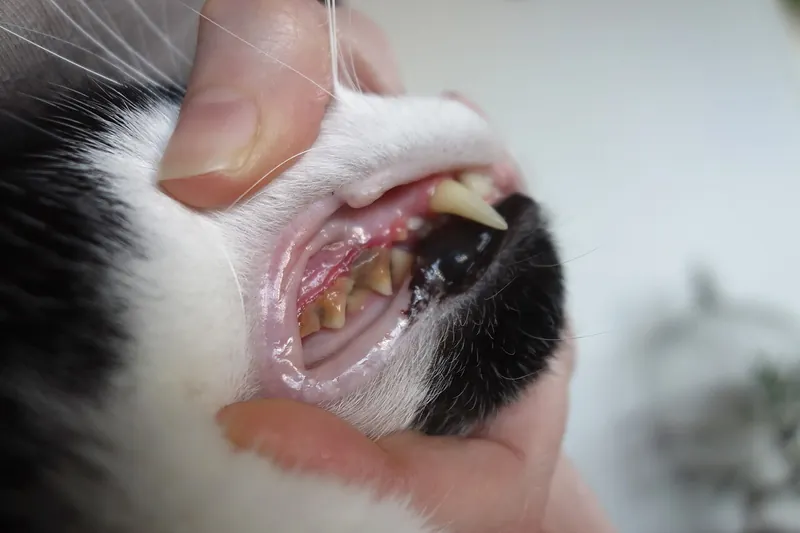
VCA Animal Hospitals lists the signs owners may see: pawing at the mouth, head shaking or jaw chattering, chewing with obvious discomfort, dropping food, difficulty swallowing, heavy drooling, blood in the saliva and bad breath. VCA also points out that many cats show no signs owners can detect, which is why full oral exams with dental X-rays under anesthesia matter. Source: VCA Animal Hospitals, Dental Disease in Cats.
Tooth resorption is a painful condition in which the tooth structure breaks down. Cornell reports that between 30 and 70% of cats show some sign of it and that it is the most common cause of tooth loss in cats. It often first appears as a pinkish defect where the tooth meets the gum, and by then the tooth is already badly damaged. Source: Cornell Feline Health Center, Feline Dental Disease.
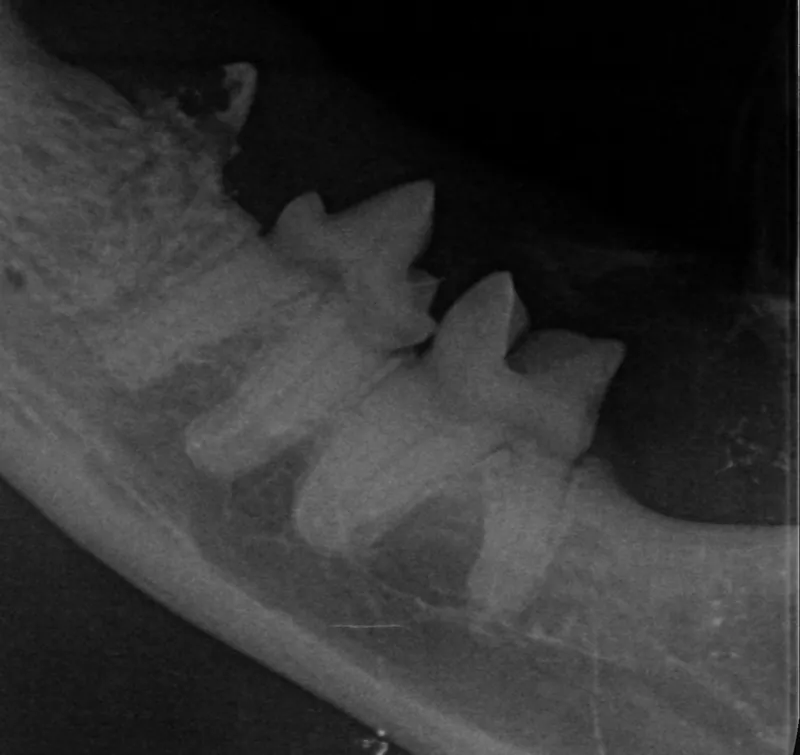
Hidden lesions are common. VCA describes one study in which 53% of cats had an obvious resorption lesion, and where none was seen during the exam, X-rays still found one almost half of the time. Signs can include extra drooling, bleeding in the mouth and trouble eating, but many cats suffer in silence, so VCA recommends annual exams with X-rays. Source: VCA Animal Hospitals, Tooth Resorption in Cats.
Changes at the food bowl are often the first clue. If your cat starts eating slowly, leaves kibble behind, tilts its head while chewing, or suddenly prefers wet food, mention it to your vet. An automatic cat feeder or wide, shallow cat bowls can make mealtimes easier, but they do not fix a sore mouth.
What Do Cat Owners Ask Most About Cat Toothpaste?
Answer: Owners usually ask whether cat toothpaste is safe to swallow, whether dog toothpaste or baking soda will do, how much paste to use, whether you can skip the brush, and when kittens can start. The short answers below draw on the veterinary sources listed at the end of this guide.
Is cat toothpaste safe if my cat swallows it?
Yes, that is how it is designed. Cat toothpaste is non-foaming and made to be swallowed, because cats cannot rinse and spit. Use a small amount, follow the label, and ask your vet if your cat has a health condition or a special diet.
Can I use dog toothpaste on my cat?
Many pet toothpastes are labeled for both dogs and cats, and those are fine. Avoid a product labeled for dogs only unless your vet approves it, and never use human toothpaste on either pet.
Can I brush my cat's teeth with baking soda or just water?
Plain water on a soft brush still removes some soft plaque, so it is better than nothing while your cat learns. Skip home remedies such as baking soda and use a cat toothpaste instead, which tastes better to cats and is made to be swallowed.
How much cat toothpaste should I use?
A small dab, roughly the size of a pea or less, is plenty for a cat's small mouth. More paste does not clean better. The brushing motion removes plaque, and the paste mainly makes the experience pleasant.
Does cat toothpaste work without a brush?
Only a little. Most pastes rely on brushing to remove plaque. Some gels and sprays are designed to be applied without full brushing, and a few carry the VOHC seal, but brushing remains the gold standard.
Is enzymatic cat toothpaste better?
It may add a small benefit, but the evidence that matters most is for brushing itself. Choose the paste your cat likes best, enzymatic or not, because a cat that enjoys the taste will accept brushing more often.
When should I start brushing my kitten's teeth?
Early is best. Kittens usually get used to brushing faster than older cats. Start with gentle mouth handling and a taste of toothpaste, and ask your vet when to start full brushing while adult teeth are coming in.
Can brushing fix my cat's existing dental disease?
No. Brushing prevents plaque from building up, but it cannot remove hardened tartar or treat infected gums, tooth resorption or loose teeth. Those need a veterinary exam, dental X-rays and treatment under anesthesia.
Sources
- Cornell Feline Health Center: Feline dental disease
- VCA Animal Hospitals: Dental disease in cats
- VCA Animal Hospitals: Tooth resorption in cats
- International Cat Care: How to brush your cat's teeth
- AAHA: 2019 Dental care guidelines for dogs and cats
- Veterinary Oral Health Council: About the VOHC seal
- Veterinary Oral Health Council: Accepted products list
- Merck Veterinary Manual: Xylitol
- FDA: Paws off xylitol, it's dangerous for dogs
Healthy cats, happy routines
Browse our cat toys and accessories for rewards, enrichment and play after brushing time.
Shop cat essentials