Most dog owners focus on physical exercise - walks, fetch, and trips to the park - but mental stimulation is equally essential for your dog's well-being. Puzzle toys bridge this gap by challenging your dog's brain, turning mealtime into an enrichment activity, and providing hours of focused engagement. The benefits of puzzle toys for dogs are well-documented in veterinary behavioral science, and the evidence is compelling enough that many vets now recommend them as standard care. According to the ASPCA dog care and enrichment guidance, choosing the right toys can support your pet's mental and physical wellbeing.
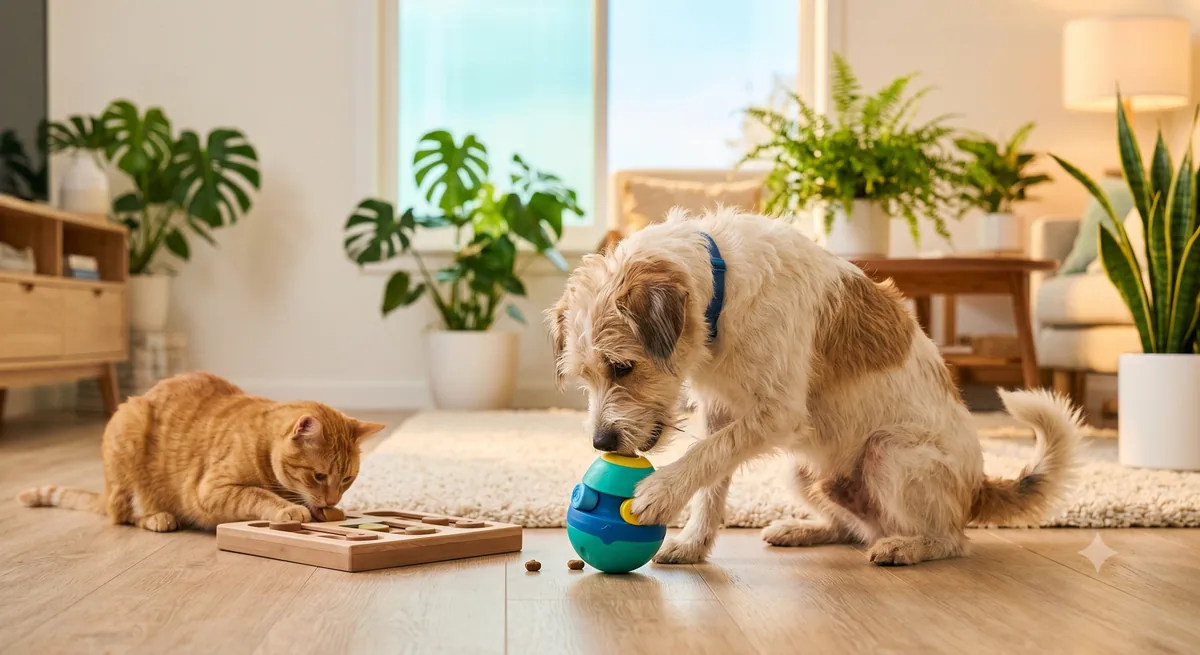
Here are seven proven benefits, each backed by research and real-world experience from dog owners and trainers. If you are looking for toy recommendations, our best dog toys guide covers puzzle toys alongside other categories.
This article is for general informational purposes only and is not a substitute for professional veterinary advice, diagnosis, or treatment. Always consult your veterinarian about any health concerns, dietary changes, medication, or product safety questions specific to your pet. If your pet shows signs of distress, illness, or injury, contact a licensed veterinarian or emergency animal hospital immediately.
1. Mental Stimulation Keeps Dogs Sharp
Dogs are intelligent animals that evolved to solve complex problems - tracking prey, navigating terrain, and making split-second decisions. Domestic life, however comfortable, often fails to challenge these cognitive abilities. Puzzle toys fill that void by requiring dogs to think, plan, and experiment to earn their reward.
When we look at benefits of puzzle toys for dogs from a practical pet-owner lens, we keep coming back to a simple rule: choose for your dog's chewing style first, aesthetics second. We've found that approach prevents most of the regrets.
If you want even more options, check out our guide to best dog toys 2026.
When a dog works a puzzle toy, they engage multiple cognitive functions simultaneously: spatial reasoning (where is the treat?), memory (which compartments have I checked?), problem-solving (how do I open this?), and impulse control (I need to work the mechanism, not just bite it). This kind of multi-layered mental engagement is far more stimulating than any amount of passive chewing.
Research from the University of Bristol's Anthrozoology Institute has shown that dogs provided with regular cognitive challenges show increased neural plasticity and problem-solving speed over time. In other words, puzzle toys do not just occupy your dog - they genuinely make your dog smarter.
Nina Ottosson Dog Tornado Puzzle Toy
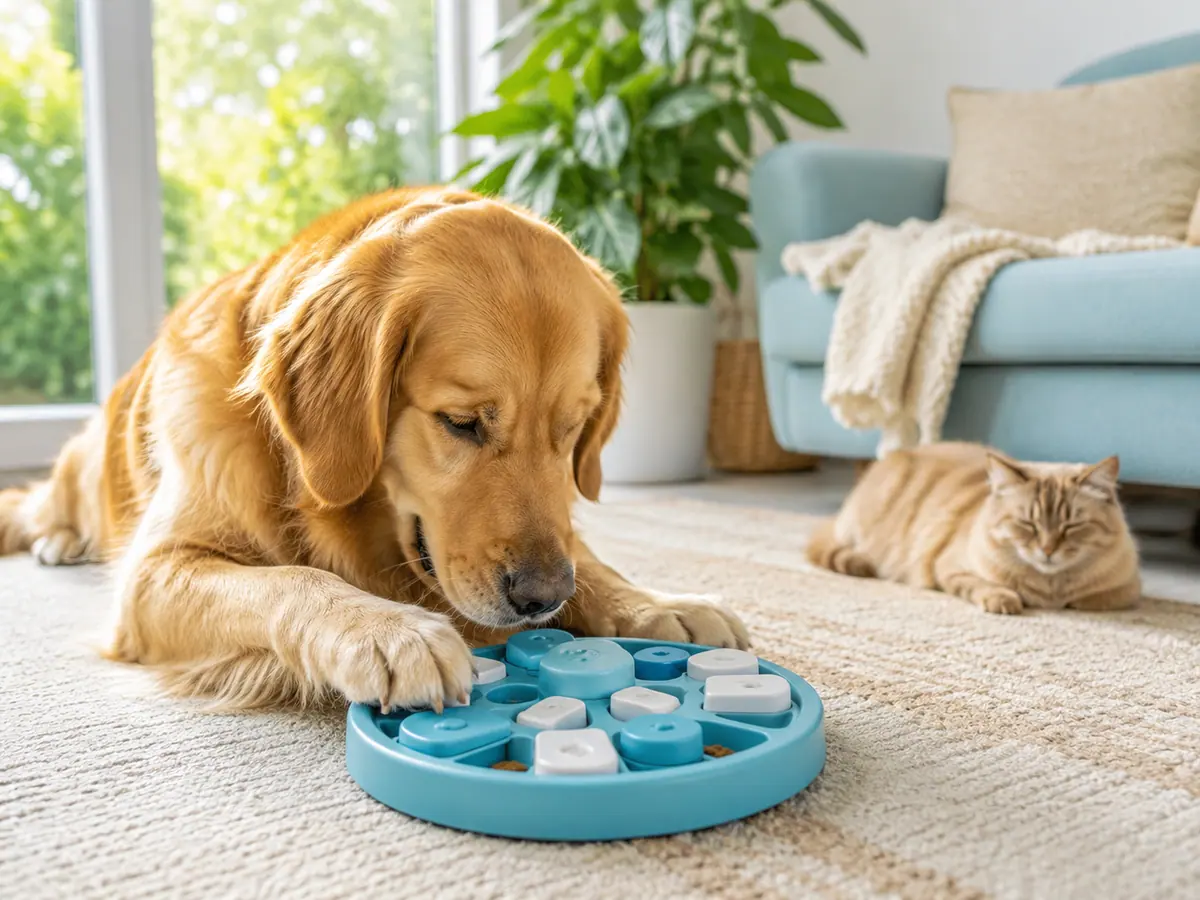
The Dog Tornado features multiple spinning layers with treat compartments that require rotational problem-solving. Dogs must learn to spin each layer in sequence to reveal hidden treats - a challenge that builds cognitive skills progressively. Start with treats partially visible, then hide them completely as your dog masters the mechanism. Available at our dog toys shop.
2. Reduces Anxiety and Stress
Puzzle toys are one of the most effective non-pharmaceutical tools for managing canine anxiety. The focused concentration required to solve a puzzle activates the parasympathetic nervous system - the "rest and digest" state that counteracts the fight-or-flight response associated with anxiety.
This is particularly valuable for dogs with separation anxiety. A frozen KONG or complex puzzle toy given 10 minutes before you leave can redirect your dog's attention from the stress of your departure to the engaging task of extracting a reward. Many trainers use puzzle toys as a cornerstone of desensitization protocols for anxious dogs.
Honestly, we get asked about benefits of puzzle toys for dogs more than almost any other category, and our answer has evolved over time as new research and product updates land.
The rhythmic, repetitive nature of working a puzzle toy - licking, pawing, nudging - also has a naturally calming effect similar to the stress-relief humans experience from activities like knitting or fidgeting. For dogs prone to nervous energy, puzzle toys alongside calming toys can make a meaningful difference in daily anxiety levels.
3. Slows Down Fast Eaters
Dogs that inhale their food in seconds face real health risks. Eating too fast can cause vomiting, choking, gagging, and in deep-chested breeds, a potentially fatal condition called gastric dilatation-volvulus (GDV or bloat). Puzzle feeders transform mealtime from a 30-second sprint into a 15 to 30 minute engagement that forces dogs to work for each bite.
You might also enjoy our recommendations for toys for teething puppies.
Using a puzzle feeder as your dog's primary food bowl can reduce eating speed by 5 to 10 times compared to a standard bowl. This allows proper digestion, reduces the risk of bloat, and turns an otherwise mundane daily event into genuine enrichment. Many veterinary nutritionists now recommend puzzle feeding as standard practice for all dogs, not just fast eaters.
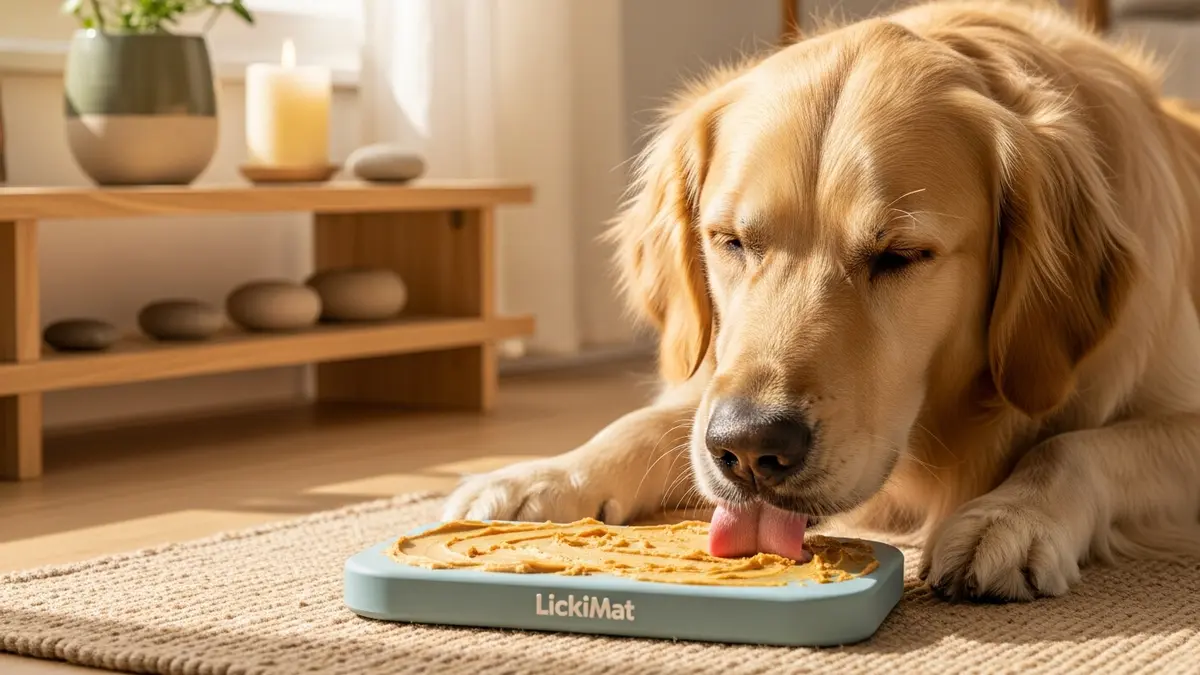
Start your dog with an easy puzzle feeder (like a basic KONG or snuffle mat) and gradually increase difficulty. If a puzzle is too hard initially, your dog may become frustrated and give up. Build confidence first, then challenge.
4. Prevents Destructive Boredom Behaviors
A bored dog is a destructive dog. Chewing furniture, digging holes in the yard, shredding pillows, excessive barking - these are not signs of a "bad" dog but of a mentally under-stimulated one. Puzzle toys give bored dogs a constructive outlet for their mental energy, significantly reducing the behaviors that drive owners to frustration.
Studies conducted at veterinary behavioral clinics have consistently found that dogs with regular access to puzzle toys show marked decreases in destructive behavior. One study published in Applied Animal Behaviour Science found that dogs provided with daily food-puzzle enrichment showed a 60% reduction in problem behaviors compared to dogs fed from traditional bowls.
This benefit is especially pronounced for high-energy working breeds like Border Collies, Australian Shepherds, and German Shepherds that were bred for jobs requiring intense mental focus. Without adequate mental outlets, these breeds often channel their considerable intelligence into creative forms of destruction.
5. Builds Confidence in Shy Dogs
Puzzle toys create a structured environment where success is guaranteed - every attempt eventually leads to a treat reward. For shy, anxious, or under-socialized dogs, this predictable success cycle builds genuine confidence over time. Each solved puzzle reinforces the idea that engaging with the environment produces positive outcomes.
Rescue dogs and dogs from shelters particularly benefit from puzzle toy enrichment. These dogs often come from backgrounds of uncertainty or deprivation, and the consistent cause-and-effect relationship of puzzle toys helps them learn to trust their environment. Starting with simple puzzles (a treat-stuffed KONG) and gradually increasing complexity mirrors the progressive confidence-building approach used in professional behavioral rehabilitation programs.
For related picks, take a look at our mental stimulation dog toys roundup. For additional guidance, see the AKC expert training advice.
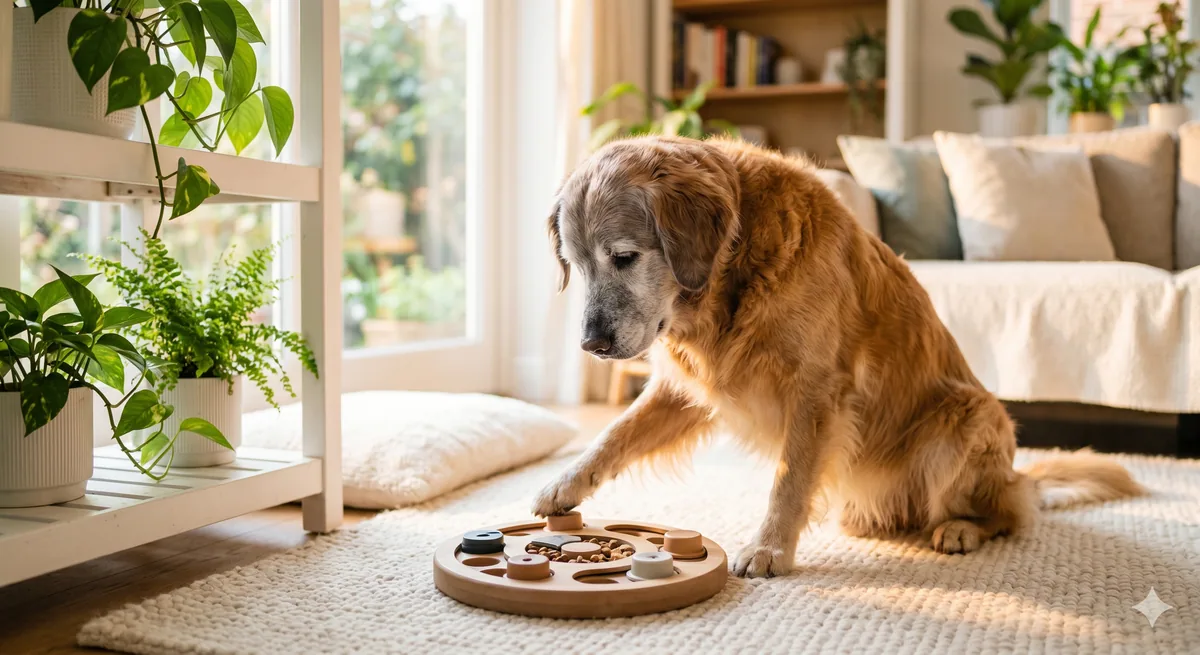
KONG Classic Dog Toy
The KONG Classic is the best starting puzzle toy for most dogs. Fill it with treats, peanut butter, or a mix of kibble and wet food, then freeze it for a longer-lasting challenge. The unpredictable bounce also makes it great for fetch. Available in sizes from XS to XXL and multiple rubber strengths, it is the one puzzle toy every dog should own. Perfect as a new puppy essential.
6. Supports Brain Health in Senior Dogs
Cognitive decline in aging dogs - known as Canine Cognitive Dysfunction (CCD) - affects an estimated 28% of dogs aged 11 to 12 and up to 68% of dogs aged 15 to 16. Symptoms include disorientation, changes in sleep patterns, house soiling, and decreased interaction with family members. While CCD cannot be fully prevented, regular mental exercise through puzzle toys has been shown to slow its progression.
A landmark study by the University of Toronto found that dogs provided with consistent cognitive enrichment throughout their lives showed significantly better cognitive function in old age compared to dogs without such enrichment. The principle is similar to the human evidence on brain health: "use it or lose it" applies to dogs just as it does to people.
For senior dogs, choose puzzles with moderate difficulty - challenging enough to engage but not so hard that they cause frustration. Soft, easy-to-manipulate puzzles work best for dogs with arthritis or reduced dexterity. Our guide to toys for senior dogs covers age-appropriate options in detail.
7. Strengthens the Human-Dog Bond
Using puzzle toys together creates shared experiences between you and your dog. Introducing a new puzzle, guiding your dog through the initial learning process, and celebrating their success all reinforce the bond between handler and animal. Cooperative puzzle-solving is a form of positive social interaction that deepens trust and communication.
Multi-step puzzle toys are particularly effective for bonding because they often require gentle guidance from the owner in the early stages. This shared problem-solving experience taps into the same cooperative instincts that made dogs such successful companions to humans over thousands of years of co-evolution.
| Puzzle Type | Difficulty | Best For | Primary Benefit |
|---|---|---|---|
| Stuffed KONG | Beginner | All dogs, puppies | Anxiety relief, slow feeding |
| Snuffle Mat | Beginner | Scent-driven breeds | Natural foraging, calming |
| Slide-and-Flip | Intermediate | Smart breeds | Problem-solving, confidence |
| Multi-Step Puzzle | Advanced | Working breeds | Mental exhaustion, focus |
| Treat Ball | Beginner-Intermediate | Active dogs | Physical + mental exercise |
New to puzzle toys? Start with a KONG Classic and a snuffle mat - these two cover most of the benefits listed above and are virtually impossible for dogs to fail at. Once your dog is hooked on the concept, explore more complex puzzles progressively.
Conclusion
Choosing the right approach for your dog comes down to matching the recommendations in this guide with the specifics of your situation. Pay close attention to age, breed, activity level, and any existing health concerns. When in doubt, talk to your veterinarian before making changes.
Use this guide as a starting point, observe your dog closely after any change, and update your routine as your dog's needs evolve. Small adjustments over time lead to the biggest improvements in well-being and behavior.
Frequently Asked Questions
Should I consult a veterinarian about my pet's play and enrichment needs?
Yes, especially if your pet shows signs of anxiety, sudden behavior changes, or destructive habits that may indicate a medical issue. A licensed veterinarian or veterinary behaviorist can rule out pain, dental problems, or cognitive decline before you adjust toys or routines. The guidance in this article is educational, not a substitute for professional veterinary advice.
How long does it take to see results from new toys or enrichment?
Most pet owners notice small changes within a week (calmer evenings, less destructive chewing, more interest in mealtime puzzles) and clearer behavior shifts within 4 to 6 weeks of consistent rotation. Older pets and rescues may take 8 to 12 weeks to adjust. Keep a short weekly journal so you can track real progress instead of relying on memory.
What is a safe budget for high-quality pet toys per month?
For most households,