Types of toy dogs range from 3-pound Pomeranians to 18-pound Pugs. The American Kennel Club places 23 breeds in its Toy Group, and they fall into a few loose families: tiny terriers such as the Yorkshire Terrier, toy spaniels and lap companions such as the Cavalier King Charles Spaniel and Maltese, the fluffy spitz-type Pomeranian, short-nosed companions such as the Pug and Shih Tzu, and the slim Italian Greyhound. This guide lists every AKC toy breed, compares sizes using AKC figures, and explains the health and care points that come with a very small dog.
Published September 30, 2026. Header photo: Горбунова М.С. / Wikimedia Commons, CC BY-SA 4.0, cropped and resized. A Pomeranian in profile, one of the smallest breeds in the AKC Toy Group.
In This Article
- The Short Answer
- What Counts as a Toy Dog?
- All 23 AKC Toy Group Breeds
- Size and Lifespan of Popular Toy Breeds
- The Main Types of Toy Dogs
- "Teacup", "Micro" and Other Sales Labels
- Health Points Every Toy Owner Should Know
- How to Choose the Right Toy Breed
- Picking Toys for a Toy Breed
- Frequently Asked Questions
- Sources
The Short Answer
- The American Kennel Club lists 23 breeds in its Toy Group, from the Affenpinscher to the Yorkshire Terrier.
- "Toy" is a kennel club grouping, not a single look. The group mixes tiny terriers, spaniels, a sighthound, spitz types, and short-nosed companion breeds.
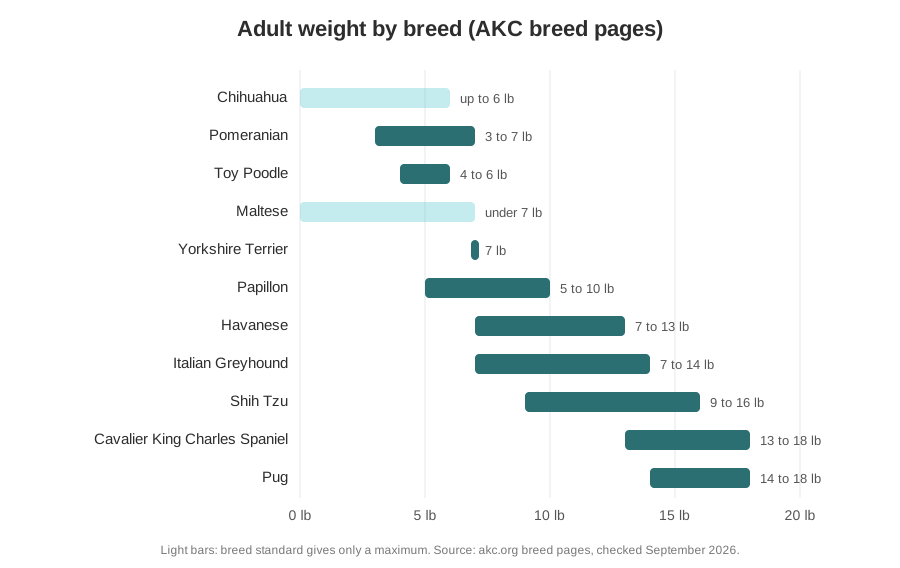
- Sizes vary more than people expect. AKC breed pages list the Chihuahua at no more than 6 pounds and the Pug at 14 to 18 pounds, yet both are toy breeds.
- "Teacup" is a sales label, not a breed or size class. The AKC says it is not an acknowledged size designation in any AKC-recognized breed.
What Counts as a Toy Dog?
In everyday speech, a toy dog is simply a very small dog. In the show world, the term has a narrower meaning. The Wikipedia entry on toy dogs explains that most major kennel clubs in the English-speaking world, including The Kennel Club in the UK, the Canadian Kennel Club, the American Kennel Club, and the national clubs of Australia and New Zealand, have a group named "Toy", but they do not all place the same breeds in it, and none of them defines the group by a single body type. The United Kennel Club in the US does not have a toy group at all; it files small dogs with larger dogs of their type or in a companion dog group.
So the answer to "is this a toy breed?" depends on which registry you ask. This guide uses the AKC's list, because it is the one most US owners and breeders refer to. It is also worth knowing that small size is not limited to the Toy Group. The AKC notes on its list of breeds by group that small breeds turn up in every group, not just the toys. A Miniature Schnauzer, for example, sits in the Terrier Group, and the Poodle appears in both the Non-Sporting Group and, in its Toy variety, the Toy Group.
The same AKC page describes the Toy Group's main job as companionship, while warning not to let their size fool you, because many toys are tough as nails. That combination (small body, big personality) is the thread that ties such different breeds together.
All 23 AKC Toy Group Breeds
Here is the full Toy Group as listed on the AKC's breeds-by-group page at the time of writing. The list changes occasionally as the AKC recognizes new breeds, so check the source if you need an official count for a show entry.
- Affenpinscher
- Biewer Terrier
- Brussels Griffon
- Cavalier King Charles Spaniel
- Chihuahua
- Chinese Crested
- English Toy Spaniel
- Havanese
- Italian Greyhound
- Japanese Chin
- Maltese
- Manchester Terrier
- Miniature Pinscher
- Papillon
- Pekingese
- Pomeranian
- Poodle (Toy)
- Pug
- Russian Toy
- Shih Tzu
- Silky Terrier
- Toy Fox Terrier
- Yorkshire Terrier
Several of these names cause confusion. The Poodle is one breed in three sizes, and only the Toy variety sits in this group. The Biewer Terrier and Russian Toy are far less familiar, and many people have never seen one in person. And the "toy" versions of larger breeds that appear in online ads, such as the toy Aussie, are not part of the AKC Toy Group at all. Our guide to the Australian Shepherd toy breed question explains where that name comes from.
Size and Lifespan of Popular Toy Breeds
The table below pulls the height, weight, and life expectancy figures that the AKC publishes on each breed's page. They describe typical adults that meet the breed standard, not guarantees for any single dog. The popularity rank is the AKC's own ranking out of 210 breeds, shown on the same pages.
Two patterns stand out. First, many toy breeds have long life expectancies on paper, often into the mid-teens. Second, the weight spread is wide. A Pug or a Cavalier is a sturdy little dog that can manage a long walk, while a Chihuahua or Pomeranian is small enough that a fall from a sofa is a real risk. That difference matters far more for day-to-day care than the group label.
The Main Types of Toy Dogs
Grouping the Toy Group by type is more useful for choosing a dog than memorizing 23 names. The families below are informal, but they reflect what each breed was built to do and what it looks like. Knowing a breed's type tells you a lot about its coat, energy, and care needs before you even look at a size chart.
Tiny terriers
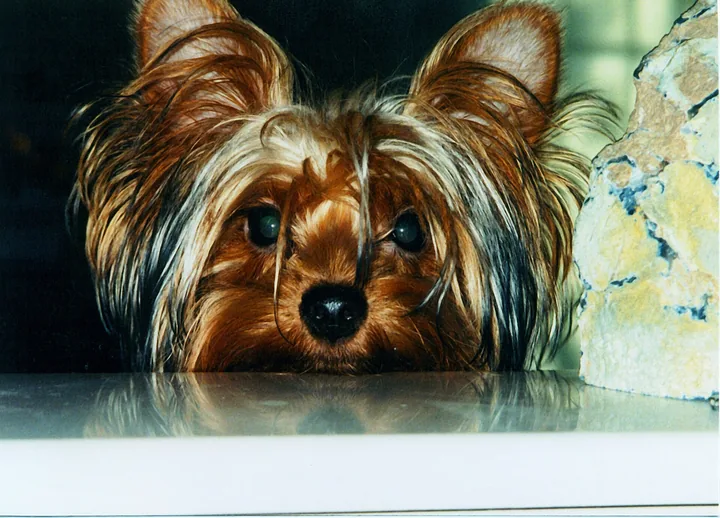
The Yorkshire Terrier, Silky Terrier, Toy Fox Terrier, Manchester Terrier, Biewer Terrier, and Affenpinscher carry terrier energy in a small frame. Expect alertness, a keen interest in anything that squeaks, and a bark that is larger than the dog. If you have a Yorkie, our article on the "teacup" Yorkie label covers sizing claims you may run into.
Toy spaniels and lap companions
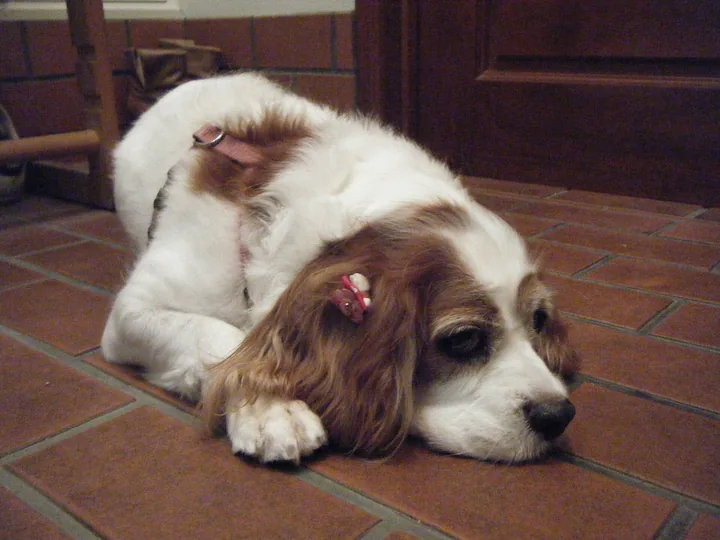
The Cavalier King Charles Spaniel, English Toy Spaniel, Papillon, Japanese Chin, Maltese, and Havanese were bred largely as companions. Most are affectionate and people-focused, and several have long, silky coats that need regular brushing.
Spitz and fluffy breeds
The Pomeranian is the Toy Group's spitz, with a dense double coat, a plumed tail, and pricked ears. It is also one of the smallest breeds in the group at 3 to 7 pounds on its AKC page.
Short-nosed companions
The Pug, Pekingese, Shih Tzu, Japanese Chin, and Brussels Griffon have short muzzles. Short-nosed (brachycephalic) breeds need extra care in heat and during exercise, and VCA notes that brachycephalic breeds and breeds with large, round heads can also have more difficult births.
The toy sighthound
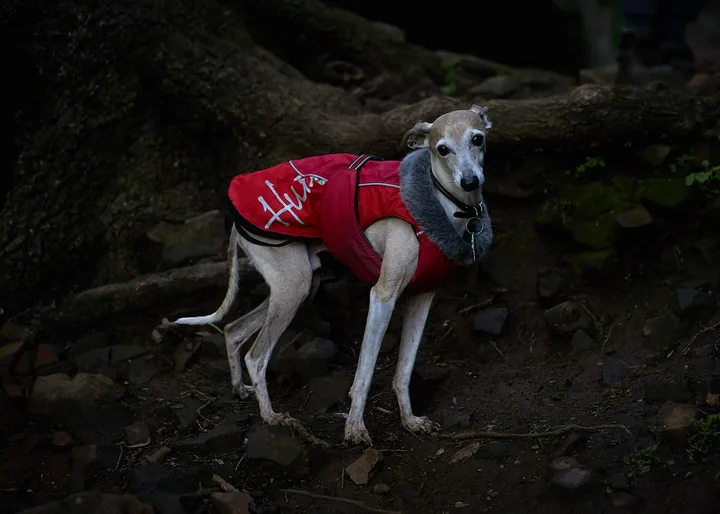
The Italian Greyhound is a miniature sighthound: slim, fast, and short-coated. With very little body fat and a fine coat, many owners put a jacket on them in cool, wet weather.
The rest
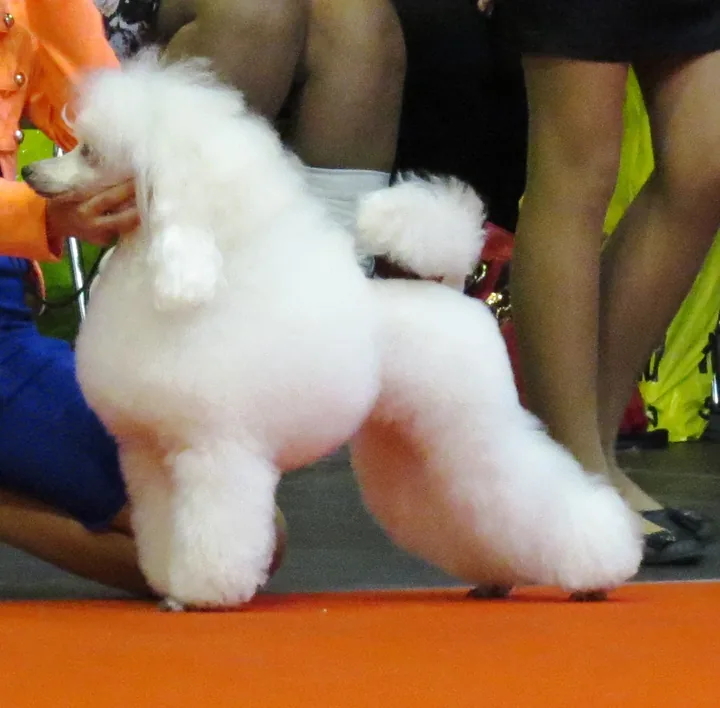
The Chihuahua, Chinese Crested (in hairless and powderpuff varieties), Miniature Pinscher, Russian Toy, and Toy Poodle do not fit neatly into one family. The Toy Poodle, in particular, is the same breed as the Standard and Miniature Poodle, only smaller. See our guides to the Toy Poodle and the Miniature Poodle for how the sizes differ.
"Teacup", "Micro" and Other Sales Labels
If you shop for a toy puppy online, you will see words like teacup, micro, pocket, and imperial. None of them are official. In its advice on how to find a responsible breeder, the AKC says "teacup" is not an acknowledged size designation in any AKC-recognized breed, and it urges buyers to ask questions of toy breeders who market puppies that way. It adds that these very small dogs can be susceptible to a variety of health problems, starting with an inability to maintain their blood sugar.
In practice, a "teacup" puppy is usually either a young puppy that will grow into a normal-sized adult, or a dog bred to be smaller than the breed standard. Neither is a separate breed. Our articles on the teacup Chihuahua and the teacup Poodle go into the specific claims sellers make for those two breeds.
Health Points Every Toy Owner Should Know
Low blood sugar in puppies. The AKC's article on hypoglycemia in dogs explains that very young or very small puppies, especially young toy puppies, have limited fat and muscle and an immature liver, so they cannot store much glycogen and can run out of glucose between meals, particularly if they are active, cold, or stressed. VCA's Papillon breed page makes the practical point: toy puppies should be fed often, and frequent small meals may help guard against the problem. The AKC's guide to feeding puppies by breed size adds a striking example, noting that a newborn Chihuahua may weigh only three ounces at birth and three pounds at maturity.
Teeth. VCA's guide to teething in puppies notes that smaller breeds, along with short-nosed breeds, are prone to baby teeth that do not fall out on schedule. Retained baby teeth can cause a poor bite and trap food, which leads to dental disease, and they usually need to be removed by a veterinarian. Regular tooth brushing and appropriately sized dental chews help, but a vet check during the teething months is the real safeguard.
Falls and jumps. Whatever the type, a small dog jumping off a bed or sofa lands with a lot of force for its size. Ramps and steps reduce that impact; our guide to dog stairs for beds covers heights and angles that suit small legs.
Walking gear. Many toy owners prefer a harness to a collar so that pressure is spread across the chest rather than the neck. Our roundup of the best dog harnesses includes fitting advice for small and narrow-chested dogs.
How to Choose the Right Toy Breed
Start with your household, then match the type of dog to it. A very small breed such as a Chihuahua, Pomeranian, or Toy Poodle suits calm adult homes where nobody will step on or drop the dog. Sturdier toys such as the Pug, Cavalier, Havanese, or Shih Tzu handle busier homes better, though every small dog needs supervision around young children.
Next, think about grooming, because coat type drives most of the upkeep. Long-coated breeds such as the Maltese, Yorkie, Havanese, and Shih Tzu need regular brushing and trimming or a short "puppy cut". Short-coated breeds such as the Chihuahua (smooth variety), Italian Greyhound, and Miniature Pinscher are easier to keep tidy but often feel the cold.
Then look at energy. Terrier types and the Papillon tend to want training games and interactive play, while lap-oriented breeds are often content with shorter walks and a lot of company. Finally, meet adult dogs of the breed if you can. Size charts are a starting point, but spending an hour with a real Yorkie or Pug tells you more than any table.
Picking Toys for a Toy Breed
Toy breeds still need to chew, chase, and puzzle things out, just at a smaller scale. The AKC's guide to choosing dog toys gives the key rule for small dogs: choose a ball that is not too big to fit in their mouth, but not so small that they could swallow it. Plush toys and small shaped balls are popular choices. Play style also varies by type: terrier types usually love squeakers and tug, while lap companion types often prefer soft toys they can carry and cuddle.
Our guides to toys for small dogs and small dog toys cover sizing and materials in detail, the best interactive toys for small breeds focuses on puzzles and treat toys, and our Chihuahua toy guide is written for the very smallest mouths. If you are bringing home a puppy, start with toys for small breed puppies, which are soft enough for baby teeth.
Frequently Asked Questions
How many toy dog breeds are there?
The American Kennel Club lists 23 breeds in its Toy Group. Other kennel clubs have their own toy groups and do not always include the same breeds.
What is the smallest toy dog breed?
By AKC breed page figures, the Chihuahua (not exceeding 6 pounds) and the Pomeranian (3 to 7 pounds) are among the smallest, with the Toy Poodle at 4 to 6 pounds close behind.
Is a Pug a toy breed?
Yes. The Pug is in the AKC Toy Group even though its AKC page lists an adult weight of 14 to 18 pounds, heavier than most other toy breeds.
Are teacup dogs a real breed?
No. The AKC says teacup is not an acknowledged size designation in any AKC-recognized breed, and very small dogs marketed that way can have health problems, starting with trouble keeping their blood sugar up.
Why do toy puppies need frequent meals?
Very small puppies have little fat and muscle and an immature liver, so they cannot store much energy. The AKC and VCA both advise frequent meals to help prevent low blood sugar.
Which toy breeds are best for families with children?
Sturdier toys such as the Pug, Cavalier King Charles Spaniel, Havanese, and Shih Tzu usually cope better with busy homes than the tiniest breeds, but any small dog should be supervised around young children.
Do toy dogs live longer than large dogs?
Many toy breeds have long life expectancies on their AKC pages, often into the mid-teens. The Chihuahua, for example, is listed at 14 to 16 years.
Sources
- American Kennel Club: List of breeds by group
- Wikipedia: Toy dog
- American Kennel Club: Chihuahua breed page (and the other linked AKC breed pages in the size table)
- American Kennel Club: How do you find a reputable dog breeder?
- American Kennel Club: Hypoglycemia in dogs
- American Kennel Club: What to feed your puppy based on their breed
- VCA Animal Hospitals: Papillon
- VCA Animal Hospitals: Teeth, teething and chewing in puppies
- VCA Animal Hospitals: Whelping in dogs (brachycephalic breeds)
- American Kennel Club: Which dog toys are right for your dog?
Small dog, big play drive
Toy breeds need toys scaled to their mouths: soft plush, small balls, and gentle chews. Browse our dog range for the right size.
Shop dog toys