A toy cup yorkie is usually what searchers mean when they are looking for a teacup Yorkie or a very small toy-size Yorkshire Terrier. It is not a separate official breed, but a common nickname for tiny Yorkies that may stay smaller than the typical Yorkshire Terrier. If you are considering one, the most important things to know are simple: choose a responsible breeder or rescue, protect their fragile body, size every toy carefully, and plan for a dog with a big personality in a very small package.
Yorkshire Terriers are affectionate, clever, alert companion dogs, and small Yorkies can be wonderful pets for the right home. They also need thoughtful handling. Extra-small dogs can be more vulnerable to injury, low blood sugar, dental crowding, and cold weather. This guide explains what people usually mean by toy cup yorkie, what to expect day to day, and how to choose safe toys, treats, and routines for a tiny dog.
In This Article
What Is a Toy Cup Yorkie?
The phrase toy cup yorkie is informal. Most people use it when they mean a teacup Yorkie, micro Yorkie, or simply a very small Yorkshire Terrier. The official breed is the Yorkshire Terrier, and it is already part of the toy group. The American Kennel Club Yorkshire Terrier profile describes the breed as a small, spirited companion dog, but teacup and toy cup are marketing terms rather than separate breed varieties.
That difference matters because size labels can distract from health. A tiny Yorkie may be naturally small, but intentionally breeding for extreme miniaturization can increase risk. If a puppy is advertised as impossibly tiny, ask careful questions about the parents, veterinary records, feeding history, and what support the breeder provides after adoption. A trustworthy breeder will care more about health, temperament, and fit than about trendy size labels.
For many families, the best mindset is this: do not shop for the smallest puppy possible. Look for a well-socialized, bright-eyed, active Yorkie with a veterinary history and a safe adult weight for their frame. If you adopt through a rescue, ask about the dog's dental health, knees, appetite, energy level, and comfort with handling.

Toy Cup Yorkie Size, Temperament, and Care Needs
A toy cup yorkie may be tiny, but the personality is rarely small. Yorkies are known for being alert, confident, affectionate, and sometimes a little bossy in the cutest way. Many love following their person from room to room, announcing visitors, burrowing into blankets, and playing short games throughout the day.
Because they are so small, daily care needs to be practical and gentle. A tiny Yorkie can slip underfoot, jump from furniture before you can stop them, or squeeze into spaces you did not know existed. Homes with toddlers or large, rambunctious dogs need extra supervision. These little dogs can live happily with families, singles, and seniors, but everyone in the home should understand how to pick them up, how to play on the floor, and when to give them a quiet break.
| Care Area | What to Expect | Helpful Owner Habit |
|---|---|---|
| Size and handling | Very small frame, delicate legs, easy to trip over | Use two hands when lifting and teach guests to sit before holding |
| Energy | Playful bursts followed by naps | Offer several short play sessions instead of one long workout |
| Coat | Fine hair that can mat if ignored | Brush often and schedule regular grooming |
| Teeth | Small mouths can crowd teeth | Ask your vet about brushing, dental checks, and safe chews |
| Training | Smart, sensitive, and sometimes stubborn | Use rewards, consistency, and short lessons |
Tiny Yorkies often do best with routines. Predictable meals, potty breaks, naps, and play times help them feel secure. They are intelligent dogs, so training should not be skipped just because they are small. Teach basics like come, wait, leave it, and down. These cues can stop a tiny dog from grabbing something unsafe or leaping from a couch.
Best Toys for Small Yorkies: Sizing, Texture, and Play Style
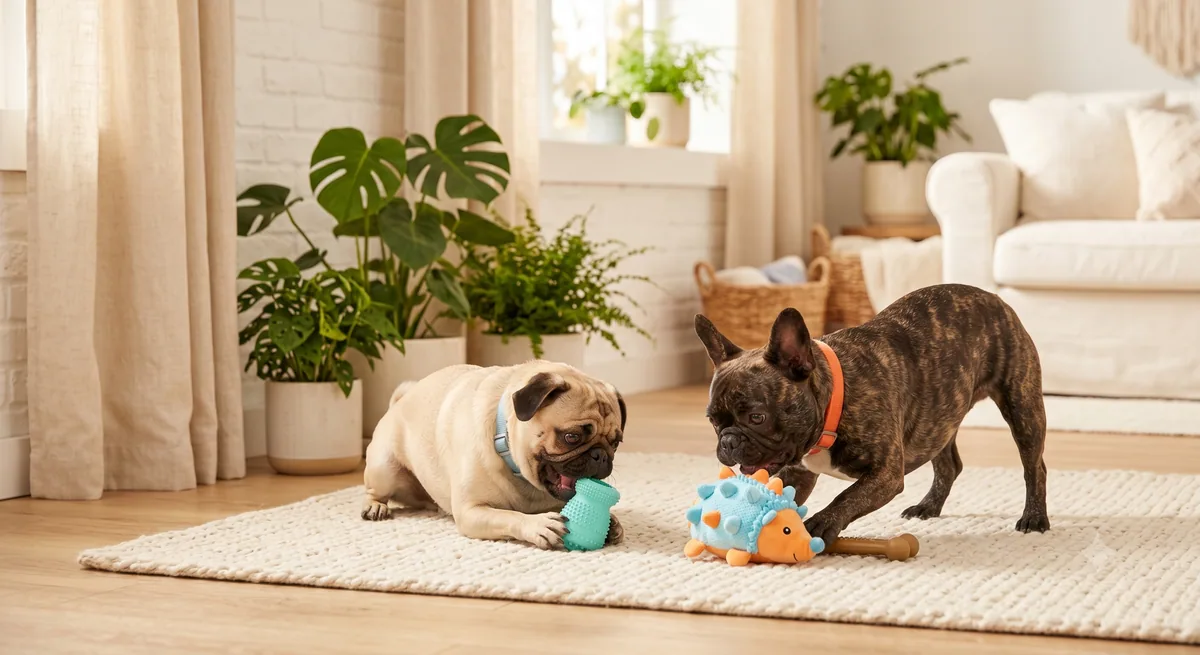
The best toys for small Yorkies are light, easy to grip, and too large to swallow. A toy should fit your dog's mouth without forcing the jaw open, but it should not be so tiny that it can slide to the back of the throat. This is the balance many new owners miss. Small dog toy on the package is a starting point, not a guarantee.
Look for soft plush toys with stitched features instead of hard plastic eyes, mini rope toys with tightly woven fibers, small treat puzzles designed for toy breeds, and lightweight balls that cannot be swallowed. Avoid toys that are brittle, heavily damaged, or filled with beads that could spill out. If your Yorkie is a determined chewer, inspect toys after every session.
| Toy Type | Good Choice for Tiny Yorkies | Safety Check |
|---|---|---|
| Plush toy | Small, soft, lightweight, no loose parts | Remove if seams open or stuffing appears |
| Ball | Light ball larger than the dog can swallow | Avoid balls small enough to lodge in the throat |
| Rope toy | Mini rope for gentle tug | Trim loose threads and discard frayed ropes |
| Chew | Vet-approved soft chew for toy breeds | Avoid very hard chews that may damage teeth |
| Puzzle toy | Shallow, easy puzzle with large pieces | Supervise to prevent chewing removable parts |
Play should match the dog, not the other way around. Some Yorkies love fetch down a hallway. Others prefer carrying a plush toy like a prize. Many enjoy sniffing games, where you hide a few pieces of kibble in a towel or simple puzzle. Keep sessions short, upbeat, and supervised. If your dog starts coughing, pawing at the mouth, guarding a broken toy, or trying to swallow pieces, stop play immediately.
Safety, Health, and Home Setup for a Tiny Yorkie
A safe home setup is one of the kindest gifts you can give a very small dog. Start with the floor. Remove choking hazards, hair ties, medication, dropped food, children's toy pieces, and anything sharp. Tiny dogs explore with their noses and mouths, and what looks like a small object to you may be a dangerous object to them.
Furniture is another big concern. A jump from a couch, bed, or car seat can be risky for a tiny Yorkie. Use pet stairs or ramps, but still supervise until your dog learns to use them reliably. If your Yorkie sleeps with you, think carefully about fall risk. Many owners choose a cozy dog bed or crate beside the bed instead.
Because small dogs can chill quickly, provide soft bedding and avoid leaving them outside in cold or wet weather. A light sweater can help in cool climates, as long as it fits comfortably and does not restrict movement. Harnesses are often a better choice than collars for walks because they distribute pressure across the chest rather than the neck, but fit matters. A loose harness can slip off, while a tight one can rub.
Veterinary care should be proactive. Discuss dental care, knee health, weight, parasite prevention, vaccines, and nutrition with your veterinarian. The American Veterinary Medical Association pet care resources are a helpful starting point for general pet health education, but your own vet is the best source for decisions about your individual dog.
Feeding, Training, and Daily Routine
Tiny Yorkies often do better with consistency than guesswork. Ask your veterinarian how often to feed, what food is appropriate, and how to monitor body condition. Puppies and very small adults may need careful meal timing, especially if they are prone to dips in energy. Do not rely on internet portion charts alone, since the right amount depends on age, weight, health, activity, and the calorie density of the food.
Training should be gentle and practical. Yorkies are smart enough to learn quickly, but they can become frustrated if lessons are too long. Use small rewards, praise, and repetition. Work on one skill at a time: coming when called, standing calmly for brushing, waiting before meals, and dropping toys on cue. A reliable drop it is especially useful when you are managing toy safety.
Potty training can take patience with toy breeds. Their bladders are small, and they may need more frequent breaks than larger dogs. Take your Yorkie out after waking, after meals, after play, and before bedtime. If you use potty pads, keep placement consistent. If you want outdoor potty habits, avoid changing the rules too often.
A balanced daily routine might include breakfast, a short potty walk, a nap, a few minutes of training, supervised toy play, grooming touch-ups, dinner, and calm evening time. You do not need to exhaust a tiny dog. In fact, overdoing it can make them cranky or unsafe. Think of enrichment as little moments throughout the day: a sniff walk, a soft toy, a puzzle feeder, a brushing session with treats, and quiet lap time.
Grooming is part of health care, not just appearance. Brush gently to prevent mats, check ears, keep nails trimmed, and ask your groomer for a practical coat length if you prefer easy maintenance. Many pet Yorkies wear a shorter puppy cut because it is comfortable and simple to manage at home.
One more practical note: tiny dogs still need normal dog experiences. Let your Yorkie sniff, explore, learn, and make choices within safe boundaries. Carrying them everywhere can feel protective, but it can also make them nervous or overly dependent. A secure harness, short walks, gentle play, and supervised independence help a small dog build confidence without unnecessary risk.
Toy Cup Yorkie FAQ
Is a toy cup yorkie a real breed?
No. Toy cup yorkie is not an official breed name. It is usually a search phrase people use for a teacup Yorkie, micro Yorkie, or very small Yorkshire Terrier. The recognized breed is the Yorkshire Terrier.
Are toy cup Yorkies good family dogs?
They can be, but they need gentle handling. Homes with calm adults, older children, or supervised younger kids are usually safer than homes where rough play is common. A tiny Yorkie should never be treated like a stuffed animal.
What toys are safest for a tiny Yorkie?
Choose lightweight toys that are easy to carry but too large to swallow. Soft plush toys, mini ropes, shallow puzzles, and appropriately sized balls can work well. Inspect toys often and remove anything torn, cracked, or small enough to become a choking hazard.
Can a tiny Yorkie use regular dog chews?
Not always. Many regular chews are too hard, too large, or too calorie-dense for a very small dog. Ask your veterinarian for chew recommendations, especially if your Yorkie has dental issues or a sensitive stomach.
Do toy cup Yorkies need much exercise?
They need daily movement and enrichment, but not intense exercise. Short walks, indoor play, sniffing games, and training sessions are usually better than long, exhausting outings. Watch for fatigue, limping, or reluctance to continue.
What should I ask a breeder before buying a very small Yorkie?
Ask about the puppy's parents, adult size estimates, vet checks, vaccines, feeding schedule, socialization, genetic health concerns, and return policy. Be cautious if the seller focuses only on tiny size or pressures you to buy quickly.
How do I keep a toy-size Yorkie safe at home?
Keep floors clear, block unsafe stairs, supervise furniture access, use a secure harness, store medications and small objects away, and teach everyone in the home how to handle the dog gently. Safe routines matter as much as cute accessories.
Find Small Dog Favorites
Choose cozy, lightweight toys and essentials for small dogs with free US shipping from Livehappypet.
Shop Dog Essentials →