The Help 'Em Up harness is a full body lifting harness for dogs that struggle to stand, climb stairs or get into a car. It has two parts, a front harness and a rear "Hip Lift", each with its own handle, so you can lift and steady your dog from both ends at once. This guide explains how it works, which size and Hip Lift style to choose, how to fit it, and when a different mobility aid may suit your dog better.
In This Article
- Quick Answer: Is the Help 'Em Up Harness Worth It?
- What Is the Help 'Em Up Harness and How Does It Work?
- Which Dogs Benefit From a Lifting Harness?
- How Do You Choose the Right Help 'Em Up Harness Size?
- Which Hip Lift Style Should You Choose?
- How Do You Fit the Help 'Em Up Harness Correctly?
- How Do You Lift and Walk a Dog Safely With the Harness?
- How Long Can a Dog Wear It, and How Do You Clean It?
- How Does It Compare With Slings, Rear Harnesses and Wheelchairs?
- What Do People Ask Most About the Help 'Em Up Harness?
- Sources
Quick Answer: Is the Help 'Em Up Harness Worth It?
For a dog that needs regular help standing, climbing stairs or getting into a car, the Help 'Em Up harness is a practical choice because it supports the chest and the hips at the same time. Pick the size by your dog's weight, choose the Hip Lift style that suits your dog, and ask your vet first.
Updated October 13, 2026- Two halves, two handles. The front supports the chest and shoulders; the Hip Lift supports the back end.
- Size by weight. Five sizes cover dogs from small to giant breeds, with a Mix and Match option for unusual shapes.
- Never use the Hip Lift alone. The rear half must stay clipped to the front or it can slip off.
- See your vet first. Sudden weakness or wobbling is a reason for an exam, not just a harness.
What Is the Help 'Em Up Harness and How Does It Work?
Answer: It is a two piece mobility harness. The front half wraps the chest and shoulders and has a handle on the back, and the rear Hip Lift wraps the pelvis with its own handle. A connector strap joins them along the spine, so you can lift the whole dog evenly or help just the front or back when needed.
The maker describes the harness as a full body lifting device made of a front and a back, with the back portion sold as its patented Hip Lift. The two halves clip together with an adjustable connector strap, so the same harness can fit long and short bodied dogs. Source: Help 'Em Up, Choosing a Harness.
Lifting a dog by its belly with a towel or a simple sling puts pressure on the abdomen and leaves the front end unsupported. Help 'Em Up says its design lifts from underneath the chest and pelvis and spreads the dog's weight rather than pressing on the joints, abdomen or bladder. That is the manufacturer's claim, but the principle is easy to see: two padded contact areas share the load instead of one strap taking all of it.
Because the dog wears the harness rather than having it slipped on each time, help is always within reach. You can grab the handles when your dog wants to get up, guide it down steps, or lift it into a car without wrestling a sling into place first.
Which Dogs Benefit From a Lifting Harness?
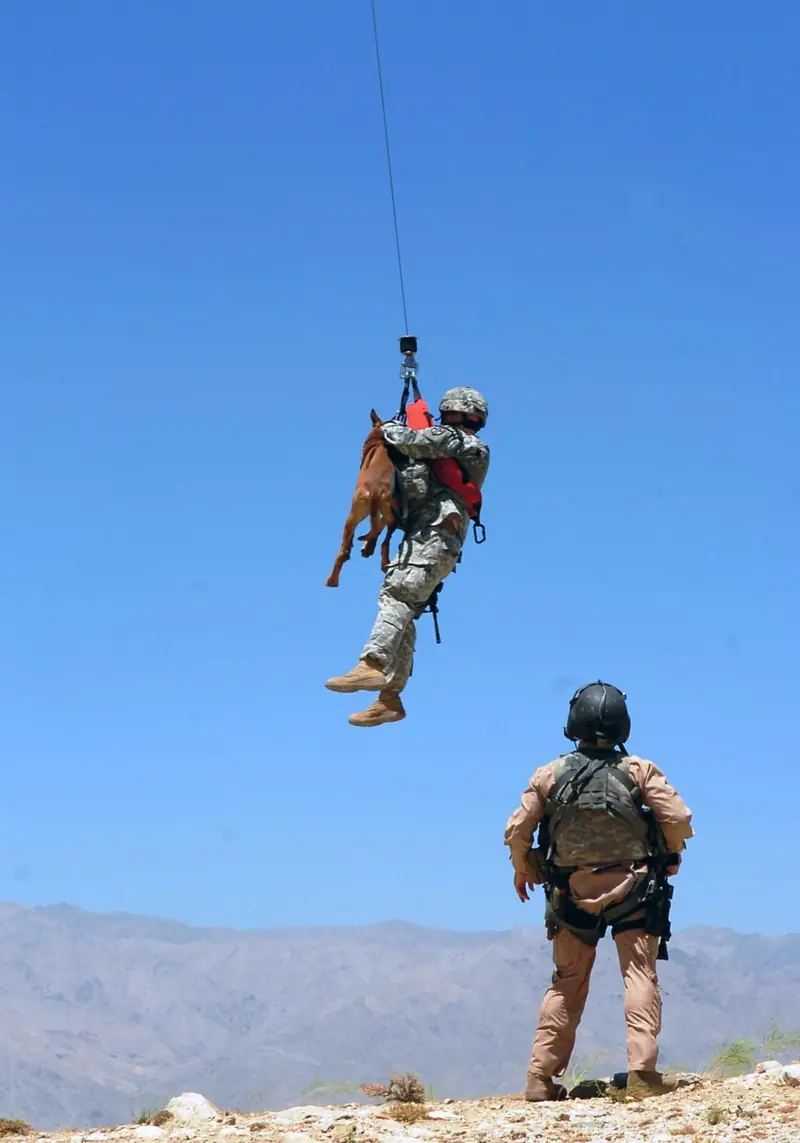
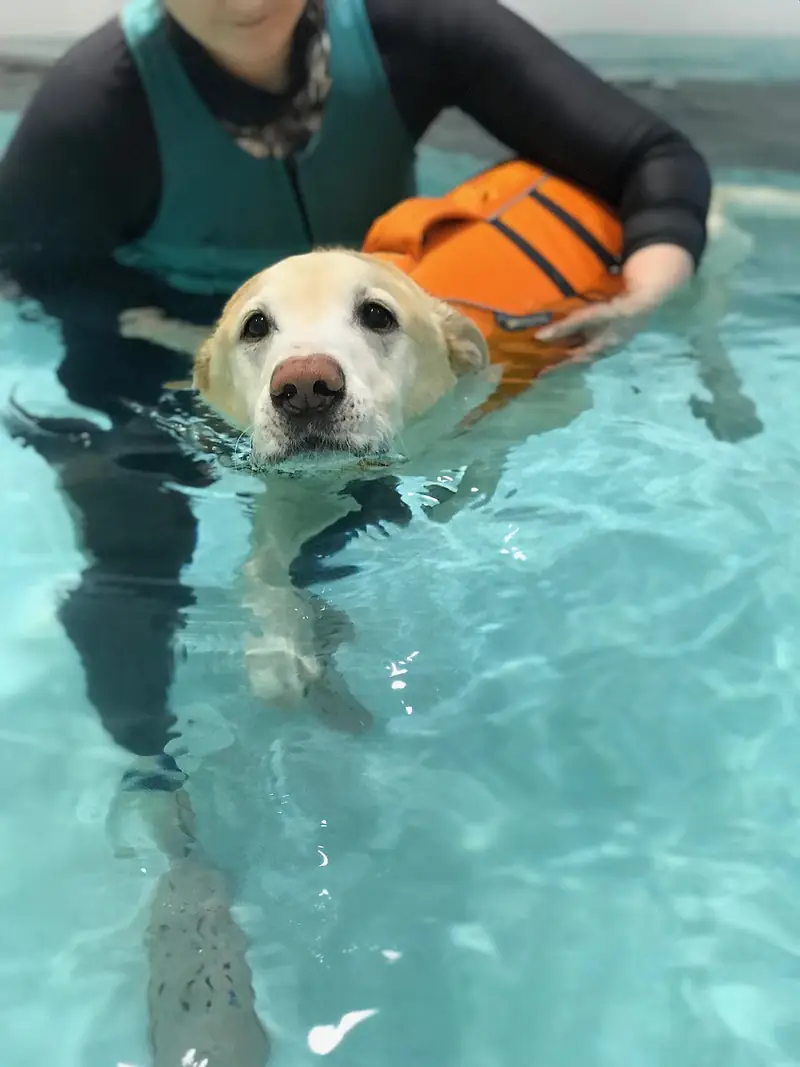
Answer: Lifting harnesses help dogs with weak back legs, arthritis, recovery after surgery or injury, neurological conditions that affect balance, and large or giant breeds that are hard to lift. They also help with everyday obstacles such as stairs, slippery floors and car rides. Your vet or a rehabilitation therapist can tell you whether your dog needs one.
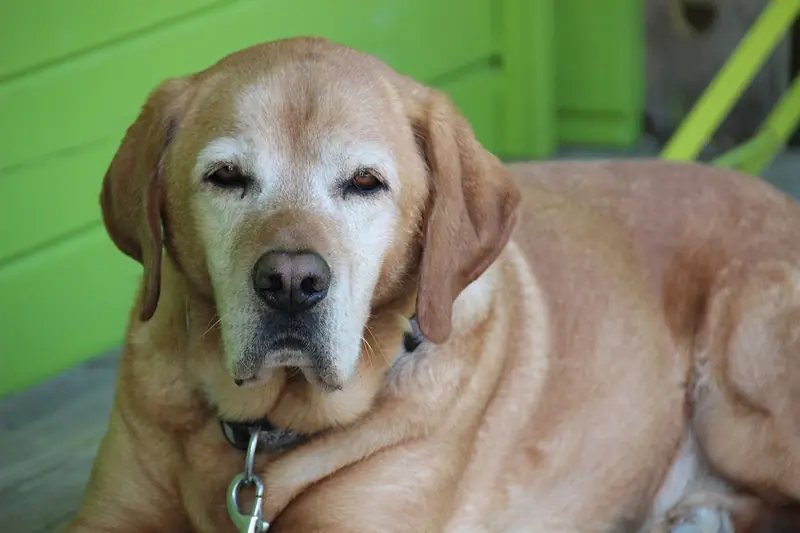
Many owners first look for a lifting harness when an older dog starts slipping on hard floors, hesitating at stairs or needing a push to get up after a nap. Others need one for a few weeks after surgery, when a vet has asked for controlled, supported walks. Large dogs are a special case: lifting a heavy dog with your arms alone is hard on your back as well as on the dog.
A harness is a tool for moving safely, not a treatment. If your dog's weakness came on suddenly, if it drags its paws, cries when it moves, or loses control of urine or bowels, book a veterinary exam before you buy anything. The cause matters, and some conditions need treatment quickly.
- Senior dogs with stiff hips or weak hind legs.
- Post-surgery dogs on restricted, supported walks.
- Dogs with balance problems that need steadying on steps.
- Large and giant breeds that are too heavy to lift with arms alone.
If your dog also needs calmer days at home during recovery, our anxiety in dogs guide and our guide to orthopedic dog beds cover rest and comfort.
How Do You Choose the Right Help 'Em Up Harness Size?
Answer: Start with your dog's total weight, which the maker says is the most important measurement. There are five sizes, from X-Small to X-Large. If your dog sits between two sizes, Help 'Em Up suggests sizing down, and dogs with thin hindquarters or barrel chests can combine a front and a rear in different sizes through its Mix and Match option.
The table lists the five sizes and the list prices on the Help 'Em Up website when we checked. Prices change, so confirm them before you order. Source: Help 'Em Up, Choosing a Harness.
Weight gives the starting size; neck, chest and waist measurements fine tune it. The maker gives a useful example: a 50 lb dog would normally wear a Medium, but if it has lost muscle in its back legs, a Small rear half combined with a Medium front may fit better. Barrel chested breeds sometimes need the opposite, a larger front with a smaller rear. Source: Help 'Em Up sizing guide.
If you get the size wrong, Help 'Em Up says products can be exchanged within 14 days of receipt for a different size or style, and returns are accepted within 30 days for orders shipped to the US and Canada. Source: Help 'Em Up FAQ.
Which Hip Lift Style Should You Choose?
Answer: Choose the Conventional Hip Lift, with its padded belly band, for all female dogs and most males. Choose the U-Band Hip Lift for male dogs whose penis sits further back between the hind legs, so the band does not get in the way when they urinate. If you are unsure, check where the band would sit before ordering.
The rear half is where the two versions differ. The Conventional Hip Lift uses an ergonomically shaped, padded belly band that sits under the pelvis, with fasteners on each side to help you center it and neoprene wrapped straps to reduce rubbing. Help 'Em Up recommends it for female dogs and for male dogs whose penis is visible forward of the hind legs. Source: Help 'Em Up, Choose a Hip Lift.
The U-Band Hip Lift exists for male dogs where a belly band would sit in the urine stream. With either version, the support straps between the hind legs are held apart by the tail, and the maker says dogs can urinate and defecate while wearing the harness. That matters for dogs that wear it most of the day.
You can also buy the front half on its own. The maker says the front can be used alone, for example as a supportive everyday harness, but the Hip Lift must always be connected to the front because on its own it can slip off and cause an injury.
How Do You Fit the Help 'Em Up Harness Correctly?
Answer: Unclip the front from the Hip Lift and open the chest straps, slip the front over your dog's head and clip the chest straps. Then reconnect the Hip Lift, center it over the spine, bring the belly band under and clip it, and fasten the rear straps beside the tail. It should feel about as snug as a collar.
The first fitting takes the longest, so do it when your dog is calm and you have time. Help 'Em Up publishes written steps and a video; the outline below follows its fitting guide. Source: Help 'Em Up, Fitting the Harness.
- Separate the halves. Disconnect the front from the rear Hip Lift, then open the two chest straps.
- Put on the front. Slide the opening over your dog's head, rest the handle on the back and reconnect the chest straps.
- Reconnect the rear. Clip the Hip Lift back onto the connector strap and center it over the spine.
- Close the belly band. Reach under, bring the band up and clip it.
- Fasten the tail straps. Pull the two trailing straps back between the hind legs and clip them on either side of the tail.
- Adjust. Tighten or loosen each strap until the harness is snug but not pinching, then lift gently to check that it stays centered.
Extra strap length is often tucked into the neoprene sleeves, so pull it out if a strap seems too short. Once it fits, loosen the straps a little when your dog lies down for a long time, and check the armpits, belly and the skin beside the tail for redness. The maker warns that older dogs can have sensitive skin and recommends watching for hot spots and chafing.
How Do You Lift and Walk a Dog Safely With the Harness?
Answer: Let your dog do as much of the work as it can. Hold one handle in each hand, lift only enough to steady or assist, and keep your back straight by bending your knees. Go slowly on stairs and into cars, and use a handle extension if bending is hard for you.
The goal is usually support rather than carrying. Many dogs only need a little lift under the hips to get their back legs moving, after which a light hold on the rear handle keeps them steady. For stairs, stand slightly behind and to the side of your dog going up, and in front going down, so you can catch a slip.
- Getting up: lift the rear handle first for dogs with weak hind legs, then let the dog stand on its own.
- Stairs: one step at a time, with both handles in reach.
- Cars: lift front paws onto the seat or ramp, then support the rear.
- Slippery floors: hold the rear handle lightly and add rugs or runners along your dog's usual routes.
Help 'Em Up sells walking accessories that clip to the harness D-rings, including a Walking Handle and Walking Loop Handles, which let you support a dog without stooping. A regular leash can clip to the harness too, and our harness on a dog guide explains general harness fit. For outdoor walks, our dog leash and collar guide covers lead choice, and the reflective dog collar guide covers visibility at night. Source: Help 'Em Up, Features.
How Long Can a Dog Wear It, and How Do You Clean It?
Answer: The maker says the harness can be worn comfortably for long periods, but recommends breaks, letting your dog sleep without it when possible and loosening it when your dog lies down. Wash it by hand or machine with mild soap, skip bleach and harsh detergents, and air dry it, because tumble dryers dry out the neoprene over time.
Daily wear is common for dogs that need help many times a day, which is why fit and skin checks matter so much. Take the harness off overnight if your dog does not need help getting up, and put it back on in the morning. Inspect it often if your dog is left alone in it, because some dogs chew the straps. Source: Help 'Em Up FAQ.
For cleaning, Help 'Em Up recommends mild soap, air drying and, for urine odor, a soak in white vinegar diluted with water before washing. Its FAQ gives a ratio of one part vinegar to three parts water. A wash bag protects the straps and buckles in the machine. Source: Help 'Em Up FAQ.
Keep a second set of halves if your dog has accidents often, so one can dry while the other is worn. The company sells replacement fronts and rears separately, and its warranty page lists a one year manufacturing warranty plus optional chew coverage bought at checkout. Source: Help 'Em Up warranty.
How Does It Compare With Slings, Rear Harnesses and Wheelchairs?
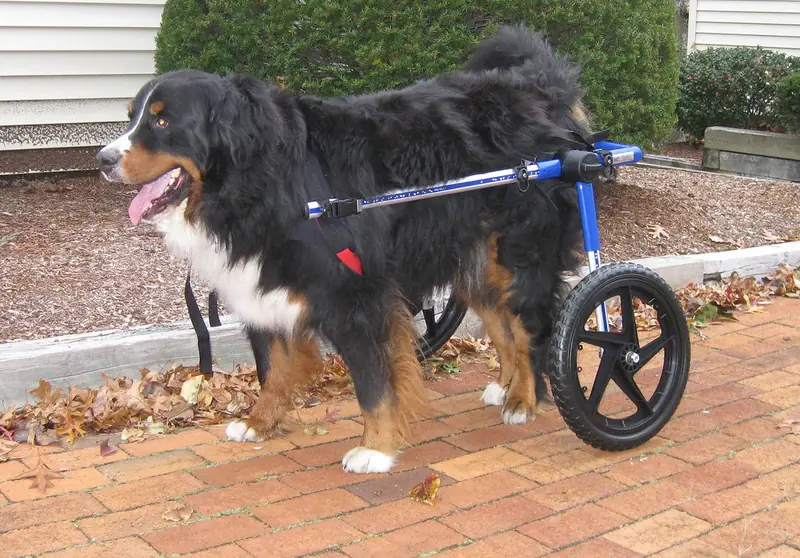
Answer: A towel or sling is cheap and fine for occasional help with the back end. A rear only harness supports the hips but leaves the front free. A full body harness such as Help 'Em Up supports both ends and stays on. A wheelchair suits walks for dogs that cannot bear weight on their back legs.
Many owners combine aids: a lifting harness for getting up and for stairs, and a wheelchair for longer walks. If your dog only needs a harness for ordinary walks rather than lifting, our dog harness overview and our best dog harness, no pull dog harness and Easy Walk harness guides are a better fit.
Whatever aid you choose, make your home easier to move around too. Non slip rugs, a ramp for the car or sofa, a supportive bed and raised bowls reduce the number of lifts your dog needs each day. Our elevated dog bowls guide covers feeding height for big and senior dogs.
What Do People Ask Most About the Help 'Em Up Harness?
Answer: Owners most often ask which size to buy, whether a dog can toilet while wearing it, how long it can stay on, whether it is washable, whether the rear half works alone, the return policy and use after surgery. The short answers below are based on the maker's published information and general mobility care advice.
What size Help 'Em Up harness does my dog need?
Start with your dog's total weight, which Help 'Em Up calls the most important measurement, then check neck, chest and waist. If your dog falls between two sizes, the maker suggests sizing down.
Can my dog pee and poop while wearing the Help 'Em Up harness?
Yes. The rear straps are held apart by the tail, so dogs can defecate, and most dogs can urinate in the Conventional Hip Lift. Male dogs whose penis sits further back should use the U-Band Hip Lift.
How long can a dog wear a lifting harness?
The maker says it can be worn for long periods, but give breaks, let your dog sleep without it when possible, loosen it when your dog lies down and check the skin for hot spots.
Is the Help 'Em Up harness washable?
Yes. Wash it by hand or in the machine with mild soap, avoid bleach and harsh detergents, and air dry it, because a tumble dryer dries out the neoprene.
Can I use the rear Hip Lift on its own?
No. The front half can be used alone, but the Hip Lift must stay connected to the front, or it can slip off and injure your dog.
What if I order the wrong size?
Help 'Em Up says you can exchange within a couple of weeks of delivery and return within a month for orders shipped to the US and Canada. Check its current policy before ordering.
Is a lifting harness good after surgery?
It can help with the supported walks many vets ask for after surgery, but follow your vet's instructions on when and how to lift your dog, and ask before using any harness on a fresh incision.
Does a lifting harness replace a vet visit?
No. A harness helps your dog move safely, but sudden weakness, wobbling, pain or loss of bladder control needs a veterinary exam to find and treat the cause.
Sources
- Help 'Em Up: Choosing a Harness
- Help 'Em Up: Choose a Hip Lift
- Help 'Em Up: Fitting the Harness
- Help 'Em Up: Features
- Help 'Em Up: Frequently Asked Questions
- Help 'Em Up: Manufacturing Warranty and Extended Coverage
Comfort for senior dogs
Browse soft toys, beds and accessories that make slower days more comfortable.
Shop dog accessories