An easy walk harness can make leash handling clearer by placing the attachment point where pulling is easier to manage. The harness still needs a correct fit, calm training and a backup plan if the dog backs out.
This guide covers fitting, introduction, walking technique and signs that the harness needs adjustment.
Fit an Easy Walk Harness
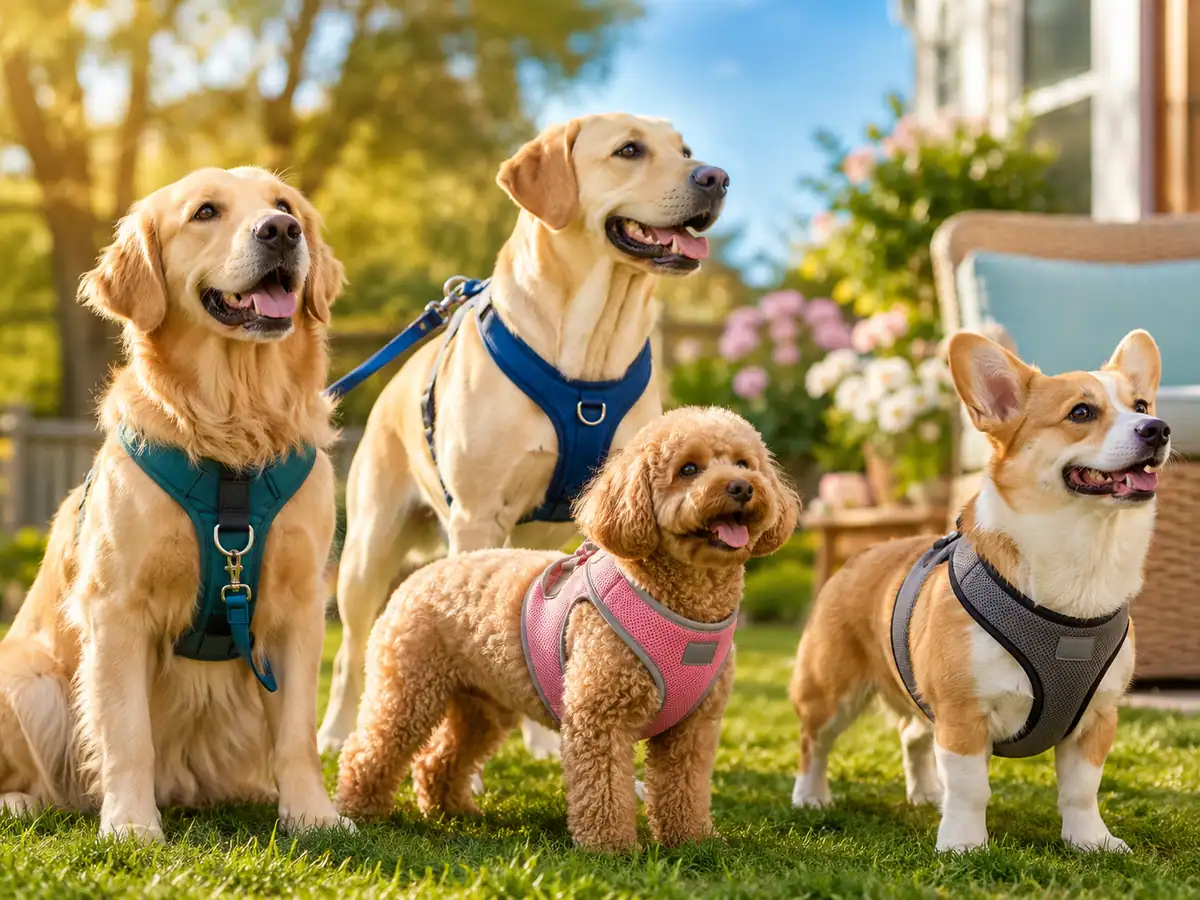
Fit the easy walk harness according to the manufacturer's diagram. Straps should be snug without cutting into the armpits, rubbing the neck or restricting shoulder movement.
Check the buckle and attachment before every walk. A harness that twists or leaves a large gap can let a worried dog reverse out of it.
Introduce It Slowly
Let the dog sniff the easy walk harness indoors and reward calm contact. Put it on for short periods before adding a leash, then remove it before the dog becomes worried.
For more expert recommendations, check out our easy walk dog harness guide.
Use food and quiet praise rather than pulling the dog into position. A harness helps handling, but comfort and trust make the training work.
Walk Without Forcing
Keep the leash loose and reward the dog for returning attention. If the dog pulls, pause or change direction instead of dragging the easy walk harness forward.
Use a secure backup connection when recommended by the manufacturer, especially for dogs that can back out or panic in traffic.
Comfort and Skin Checks
Inspect the skin behind the front legs and around the chest after each early walk. Redness, hair loss or a change in gait means the easy walk harness needs adjustment or a different design.
You might also find our dog harness article helpful when shopping.
Dry wet straps and wash them according to instructions. Dirt and moisture increase rubbing.
Limits and Professional Help
An easy walk harness does not cure reactivity, fear or pain. A qualified trainer or veterinarian can help when pulling is sudden, severe or accompanied by limping, coughing or distress.
Retire damaged straps and never use a frayed harness in traffic. Replace it as the dog grows or changes weight.
If you want to dig deeper into the research, the ASPCA pet care library publishes practical, expert-reviewed resources for pet owners.
Frequently Asked Questions
Does an easy walk harness stop pulling?
It can improve handling when fitted and paired with reward-based training, but it does not teach loose-leash walking by itself.
How tight should a harness be?
Snug enough to stay in place without rubbing or restricting breathing and movement. Follow the product diagram and check after activity.
Can a puppy use an easy walk harness?
A puppy can be introduced gradually with supervision. Recheck the fit often as the puppy grows.
Why is my dog coughing in a harness?
Stop and check fit. Persistent coughing or distress needs veterinary advice and may mean the design is unsuitable.
Can a dog back out of a harness?
Some dogs can if the fit is loose or the design does not suit them. Use the recommended backup connection and recheck every strap.
Browse Accessories
Free worldwide shipping on every order. No minimum purchase required.
Browse Accessories →