Shopping for a grooming brush for your dog usually starts with a wall of similar-looking tools: slicker brushes, bristle pads, rubber mitts, and metal rakes, all claiming to work on every coat. They do not. The right grooming brush depends on your dog's coat length and texture, and picking the wrong style is the main reason a brush ends up unused in a drawer.
This buying guide compares grooming brush styles, walks through how to match one to your dog's coat, lists the mistakes that cause the most skin irritation and wasted purchases, and ends with a short checklist before you buy.
What a Dog Grooming Brush Is Actually For
A grooming brush is a handheld tool built to lift loose hair, surface dirt, and light tangles out of a dog's coat. That sounds simple, but the category covers several very different tools: stiff bristle pads, fine-pinned slicker brushes, wide-tooth combs, and rubber curry-style mitts. Each one is shaped for a different job, and buying the wrong style for your dog's coat is the most common mistake owners make.
Before comparing products, it helps to know what a grooming brush cannot do. It is not a substitute for clipping, a dematting tool for a severe knot, or a treatment for a skin condition. A grooming brush is a maintenance tool that keeps a healthy coat from tangling and gives you a reason to run your hands over your dog's skin every week.
The American Kennel Club's home grooming guide frames tool choice around coat type first, then routine second, which is the same order this buying guide follows below.
Grooming Brush Styles Compared
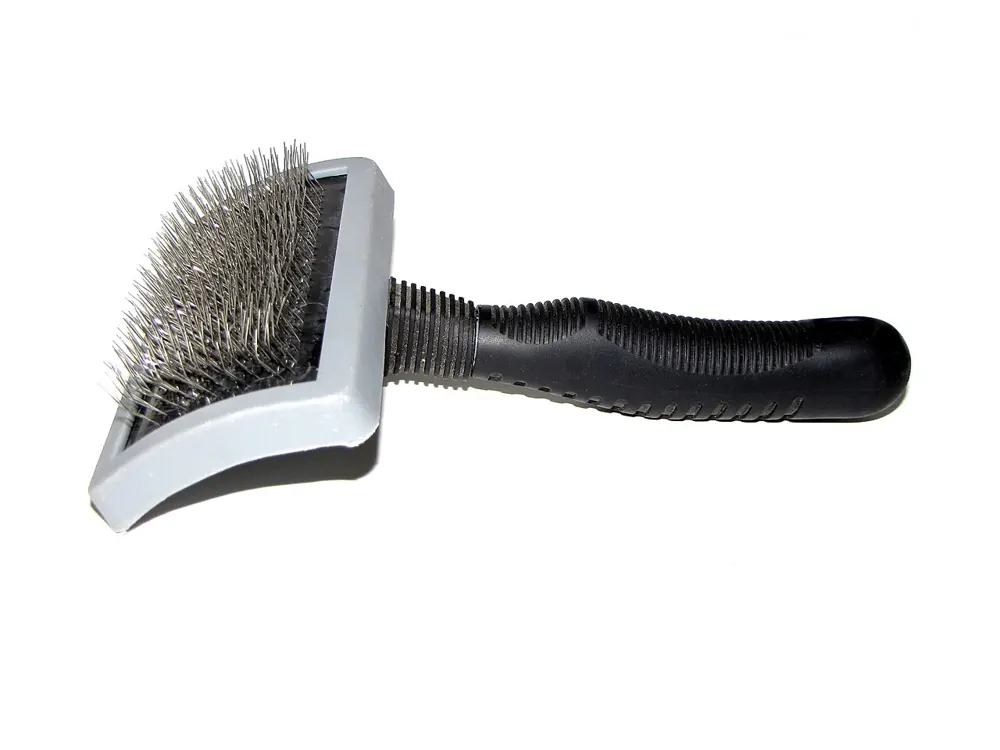
A slicker brush uses fine, slightly bent wire pins set close together in a flat or curved head. It is the most common grooming brush recommended for medium, long, curly, and feathered coats because the pins reach past the top layer of hair. The tradeoff is that the pins can scratch skin if pressed too hard, so a slicker brush rewards a light hand more than raw brushing power.
A bristle brush is a flatter pad of natural or synthetic bristles. It suits short, smooth coats well and works as a finishing tool on longer coats after a slicker brush or comb has done the deeper work. Bristle density matters: a soft, closely packed bristle head is gentler on sensitive skin than a stiff, widely spaced one.
An undercoat rake has fewer, longer, and sturdier teeth than a slicker brush, built to reach the dense undercoat on double-coated breeds without pulling the topcoat. It is the grooming brush most owners reach for during a heavy seasonal shed, but daily use on a thin coat can strip more hair than intended.
A rubber curry brush or grooming mitt has short rubber teeth or nubs instead of metal pins. It is gentler on skin, works well as an introduction tool for a dog that dislikes rigid brushes, and doubles as a bath tool for some short-coated breeds.
How to Choose a Grooming Brush for Your Dog
Start with coat length and texture rather than price or brand. A short, smooth coat rarely needs a slicker brush at all; a soft bristle pad or rubber mitt will usually do the job with less risk of skin irritation. A long, silky, curly, or double coat is where a slicker brush or undercoat rake earns its place, often paired with a comb for finishing.
Check the pin or bristle tips before buying if you can, or read the product description closely if shopping online. Rounded pin tips are gentler on skin than sharp ones. A handle that fits your grip comfortably matters more than it sounds, because a session that strains your hand tends to get cut short, which means less consistent grooming.
Size the head to your dog rather than to the biggest tool on the shelf. A grooming brush with a wide head can cover more area quickly on a large dog, but the same width is awkward around a small dog's ears, legs, and tail. Two smaller tools, a slicker brush for the body and a comb for finishing, often outperform one oversized brush that only does a rough pass.
If your dog has never been brushed with a particular style, introduce it slowly rather than assuming the fit is right after one session. Our puppy grooming tools guide covers building a calm first routine, and our canine grooming tools overview compares a wider set of tools beyond brushes alone.
Grooming Brush Mistakes to Avoid
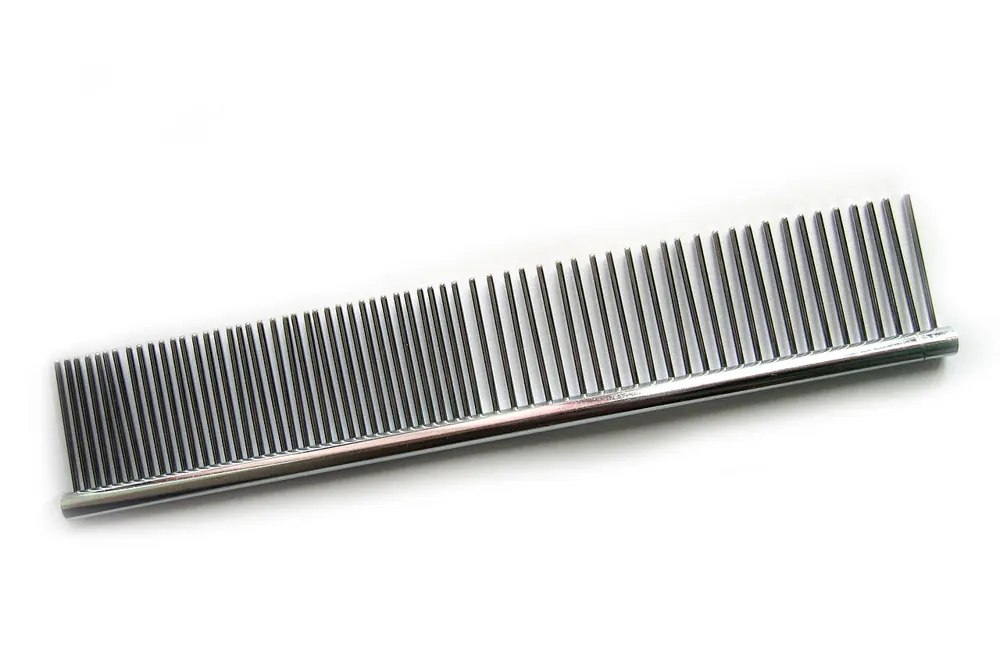
The most common mistake is buying a slicker brush for a coat that never needed one. If your dog has short, flat hair, a stiff slicker brush is more likely to irritate skin than remove meaningfully more hair than a soft bristle brush would. Match the tool to the coat, not to whichever grooming brush has the most reviews.
A close second is forcing a grooming brush through a mat. Pulling a tight knot with pins or bristles can tear skin and turns a routine session into a painful one your dog will start avoiding. Work small tangles from the outer edge with light strokes, and leave dense mats to a professional groomer rather than fighting them with the wrong tool.
Skipping maintenance on the brush itself is another common issue. Hair trapped in the base of a slicker brush or rake reduces how well it works and can hold dirt against the next coat it touches. Clear the head after every session, and wash tools that allow it according to the manufacturer's instructions.
VCA Animal Hospitals notes that dogs with long, silky, or curly coats need attention around the ears, armpits, and backs of the legs specifically, which is where the wrong grooming brush tends to do the most damage because owners push harder in spots that resist easily.
Grooming Brush Buying Checklist
Confirm the coat type first: short and smooth, long and silky, curly, or double-coated. That single answer rules out most of the wrong options before you compare a single product listing.
Look for pin or bristle tips described as rounded or ball-tipped, a head sized for your dog rather than the largest one available, and a handle that stays comfortable through a full session. Avoid a grooming brush with loose pins, sharp exposed wire, or a head that flexes unpredictably.
Budget for more than one tool if your dog's coat needs it. A slicker brush plus a comb is a common combination; a rubber mitt plus a bristle brush is another. Buying one grooming brush and expecting it to handle every coat texture is the setup for the mismatch problems covered above.
After a session, give your dog a short reward such as a calm moment with a favorite comfort toy. Heavy shedders also benefit from washable bedding between grooming sessions; see our washable dog bed guide. If you are comparing a specific comb-style tool by name, our Groomi dog brush review looks at one option in detail.
Frequently Asked Questions
What is the best grooming brush for a dog with short hair?
A soft bristle brush or rubber curry mitt usually works best for short, smooth coats. A slicker brush is rarely needed and can irritate skin if the coat is very short and flat.
Is a slicker brush or a bristle brush better?
Neither is better overall. A slicker brush suits medium, long, curly, or feathered coats where pins need to reach past the top layer. A bristle brush suits short coats or works as a finishing pass on longer hair.
How often should I use a grooming brush on my dog?
Short coats often need only a weekly pass, while long, curly, or double coats may need brushing several times a week or daily. Increase frequency during seasonal shedding or when tangles appear between sessions.
Can a grooming brush hurt my dog?
Used correctly with light pressure, a grooming brush should not hurt. Pressing metal pins into the skin, forcing a mat, or using a stiff tool on sensitive skin can cause pain or irritation, so match the tool to the coat and stop if your dog shows discomfort.
How do I know if a grooming brush fits my dog's coat?
Check the coat type against the brush type: bristle for short and smooth, slicker for medium to curly, rake for double coats during shedding. A comb run through afterward will show whether the brush reached deep enough without pulling.
Should I brush before or after a bath?
Brush out loose hair and small tangles before bathing so water does not tighten them into mats. Brush again once the coat is fully dry, using a tool matched to the coat type.
When should I stop brushing and see a groomer or vet instead?
Stop and get professional help for dense mats close to the skin, sores, unusual odor, sudden hair loss, or a dog that reacts with pain or panic to brushing. A grooming brush is a maintenance tool, not a treatment for skin or coat problems.
Shop Pet Supplies
Free US shipping on every order. No minimum purchase required.
Shop Pet Supplies →