If you are looking for the best flea collar for dogs, this comprehensive guide covers everything you need to know. Whether you are a first-time pet owner or an experienced one looking to upgrade, you will find practical advice, safety tips, and honest comparisons below.
What a Flea Collar Does and What It Cannot Do
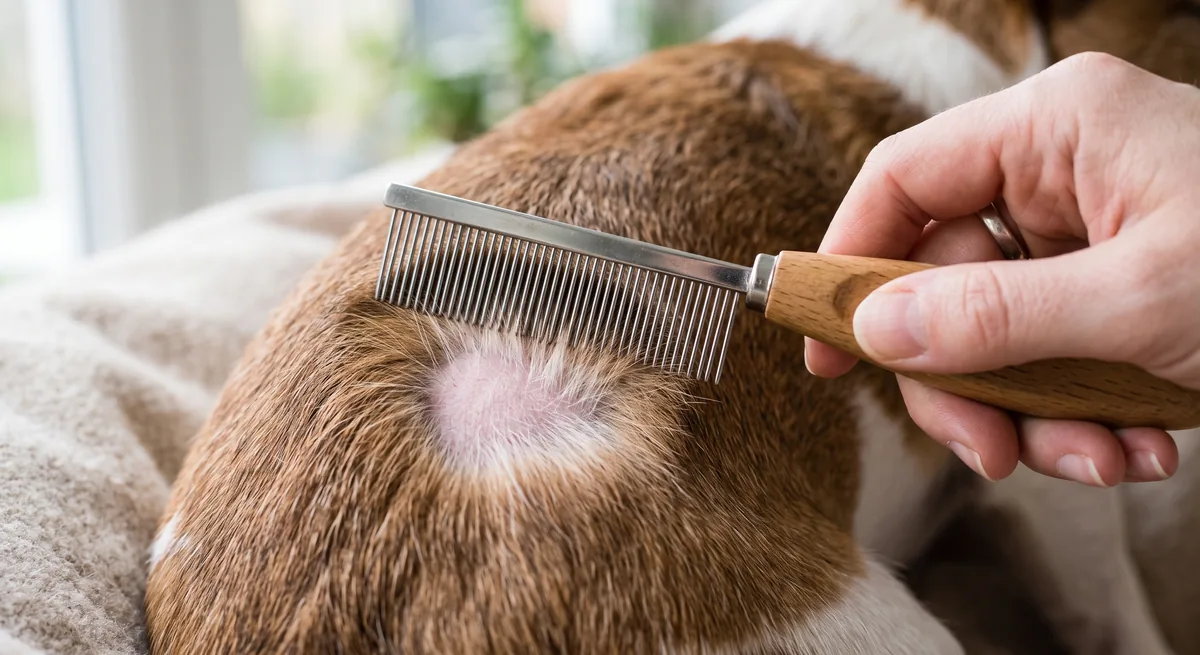
A flea collar is a treated band worn around a dog's neck that releases an active substance over weeks or months. Some are designed to repel or kill adult fleas on contact near the collar itself. Others release an active ingredient that spreads across the skin and coat, so the whole dog is covered rather than just the neck. Those two designs behave very differently, and the difference is the single most useful thing to understand before buying one.
What a collar cannot do is clean up a house. Most of a flea population at any given moment is not sitting on the dog. The eggs, larvae, and cocoons are in the carpet, along the skirting boards, under the sofa, and in the dog's bedding. A product worn on the dog only acts on the fleas that reach the dog, which is why an infestation can look untouched for weeks even when the treatment is doing its job.
Treat a flea collar as one part of a plan rather than the plan itself. The realistic goal is to keep the dog protected continuously while you deal with the environment at the same time. Owners who expect a collar to end an active infestation on its own usually conclude the product failed, when the actual problem was that nothing was done about the rooms the dog lives in.
Repellent Collars and Absorbed-Active Collars Are Not the Same Product
The cheapest collars on a shelf are often simple contact products. They sit against the neck, release their active ingredient locally, and have most of their effect on parasites that come close to the collar. On a large dog, that can leave the back half of the animal doing very little, which is one reason owners report fleas on the tail base while the dog is wearing something.
For more expert recommendations, check out our martingale collar for dogs guide.
Veterinary-grade collars work differently. The active ingredients migrate from the collar into the natural oils of the skin and spread over the body, so protection is not limited to the neck. These products are regulated, carry a defined duration on the label, and are the type your veterinary practice is most likely to recommend when a collar is the right format for your dog.
Because these two categories look almost identical in a shop, the label is the only reliable guide. Read what the product claims to control, for how long, from what age or weight, and whether it covers ticks as well as fleas. A collar that does not state a duration and an active ingredient is telling you something about which category it belongs to.
Flea Collar Compared With Other Flea Treatments
A collar is one delivery format among several, and each format suits a different household. Spot-on liquids are applied between the shoulder blades on a schedule. Oral tablets and chews are swallowed. Shampoos knock down the adult fleas present at the moment of the bath but leave nothing behind afterwards, which is why a bath alone never solves the problem. Our guide to flea shampoo for dogs explains where that fits.
The practical advantage of a collar is duration and simplicity. Once fitted correctly, it works without you having to remember a monthly date, which suits owners who lose track of a calendar. The practical disadvantages are that it is visible, it can be chewed by another animal in the house, and it has to be removed or considered before some grooming and veterinary procedures.
The comparison below is about format, not about which product is strongest. Strength depends on the specific active ingredient and the label, and that is a conversation for your veterinarian rather than a shelf comparison.
Why the House Matters More Than the Dog
The Companion Animal Parasite Council's flea guidance for dogs is direct about the scale of the problem indoors. Development happens in undisturbed, protected sites such as carpets, under furniture, and along baseboards. Whitish cocoons around half a centimetre long can sit in soil, vegetation, carpet, under furniture, and in animal bedding, and adult fleas can begin emerging roughly eight days after that pupal stage starts.
You might also find our body leash for dogs article helpful when shopping.
The numbers behind an infestation explain why it feels relentless. A female flea can produce forty to fifty eggs per day, and adults generally survive two to three months. CAPC also notes that once an infestation is established it may take several months to bring under control, which is worth knowing before you conclude that a product is not working after two weeks.
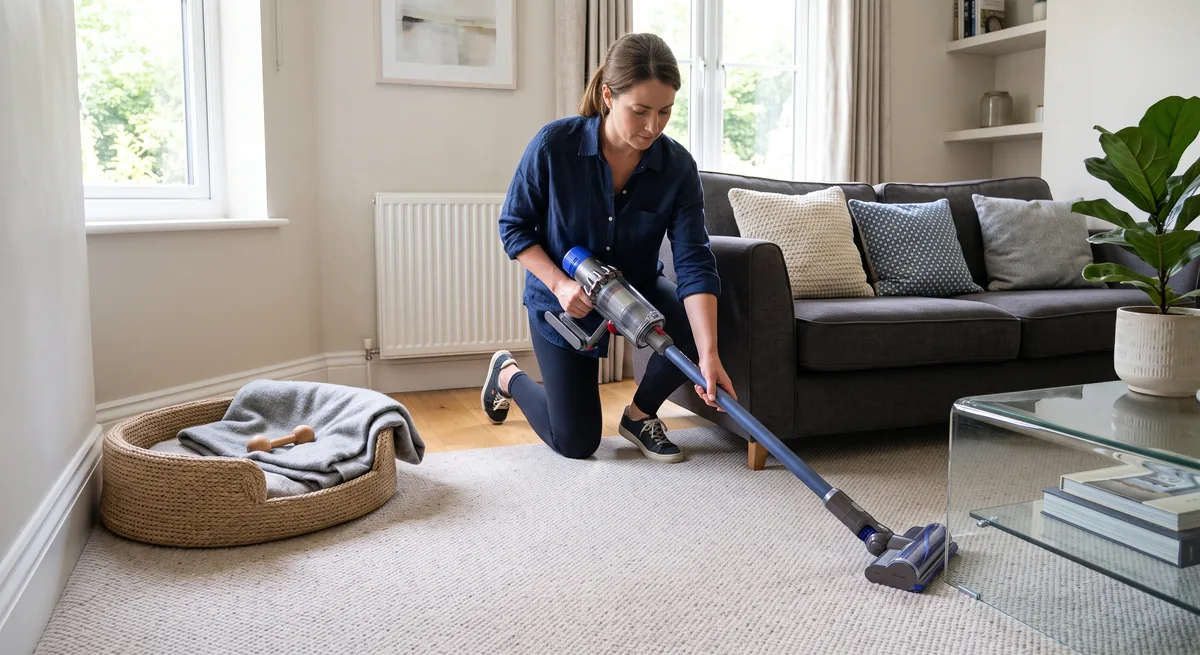
So while the collar is on the dog, the work in the house matters just as much. Vacuum the areas the dog actually uses, including under furniture and along the edges of rooms, and empty the machine afterwards. Wash bedding hot and often. If you use a household product, follow its own label and keep pets away until it has dried or settled as instructed. CAPC recommends that all dogs be treated year-round and throughout life with flea control products to limit infestations on the pet and stop populations establishing in the home.
How to Fit a Flea Collar Correctly
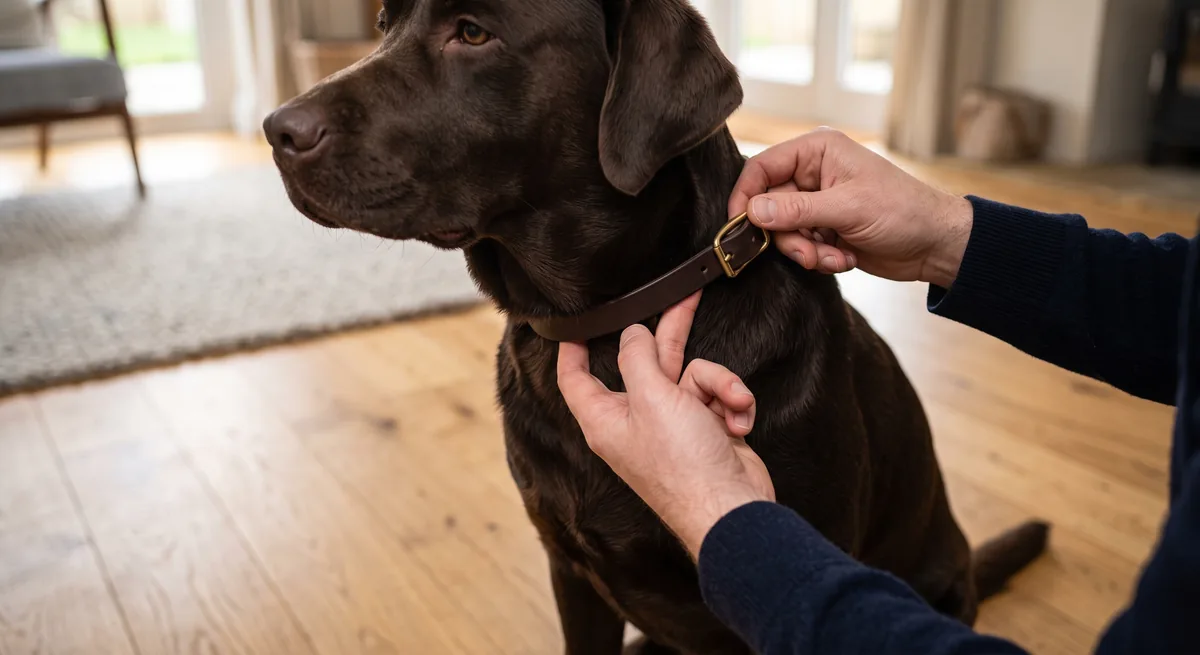
Fit decides whether the product works and whether it is safe. The collar needs to sit against the skin rather than hanging loose above the coat, because contact is how the active ingredient transfers. At the same time it must not be tight. The usual guide is that two fingers should slide comfortably between the collar and the neck, and you should be able to do that without forcing them.
Trim the excess after fitting. Most collars are supplied long enough for a large dog, and a long free end is exactly what another pet or a child will grab and chew. Cut it back to a short tail, and dispose of the offcut immediately rather than leaving it on a side table. Check the fit again after a few days, and again whenever the dog gains or loses weight or is clipped.
A flea collar is not a walking collar. Keep the dog's normal everyday collar or harness for lead attachment, and never clip a lead to a treated band. If your dog wears an identity tag, a training device, or any other neck equipment, make sure the layers do not rub or trap the treated collar against one spot of skin.
Safety Rules, Especially in Homes With Cats or Children
The most important rule is that a product labelled for dogs is for dogs. Some ingredients used in canine parasite products are dangerous to cats, and cats in the same home can be exposed simply by grooming or sleeping against a treated dog. If you have both species, tell your veterinary practice that before you choose anything, and use the cat's own product for the cat. Our separate guide to flea collars for cats covers that side.
Looking for more options? Our dog bark collar roundup covers additional top picks.
Weight and age limits on the label exist for a reason, so check them against your actual dog rather than an estimate. Puppies, very small dogs, elderly dogs, pregnant or nursing dogs, and dogs with existing skin or neurological conditions all need veterinary advice before any parasiticide is used. Do not layer two flea products at once hoping for a stronger effect, because overlapping actives is a genuine risk rather than extra insurance.
Handle the collar sensibly. Wash your hands after fitting or adjusting one, keep the packaging so the active ingredient can be identified in an emergency, and keep children from playing with the collar or the offcut. Watch the skin under the band for the first week: redness, hair loss, or constant scratching at that spot means the collar comes off and the practice gets a call. If you are unsure whether a lump you find is a reaction or something else, our note on skin tags on dogs explains why anything new deserves a professional look.
How to Choose One for Your Dog
Start with the label rather than the price. A product worth using names its active ingredient, states how long it lasts, gives a minimum age and weight, and says whether it covers ticks as well as fleas. If a collar makes a broad promise without naming what is in it, that is the clearest signal available that it belongs in the cheap contact-repellent category.
Then match it to the dog and the household. A dog that swims often or is bathed frequently may need a product that tolerates water, and the label will say. A dog that lives with a puppy, a cat, or a small child needs a product chosen with that whole household in mind. A dog with sensitive skin may do better with an oral format than with anything worn against the neck.
Finally, plan the routine around it. Note the fitting date somewhere you will see it, because the protection ends on a schedule whether or not you remember. Keep grooming going in the meantime: a weekly session with a dog brush or a flea comb is how most owners first notice flea dirt, which CAPC describes as reddish-black pellets of dried blood in the coat. Our roundup of pet grooming tools for dogs covers the combs worth owning.
When to Involve Your Veterinarian
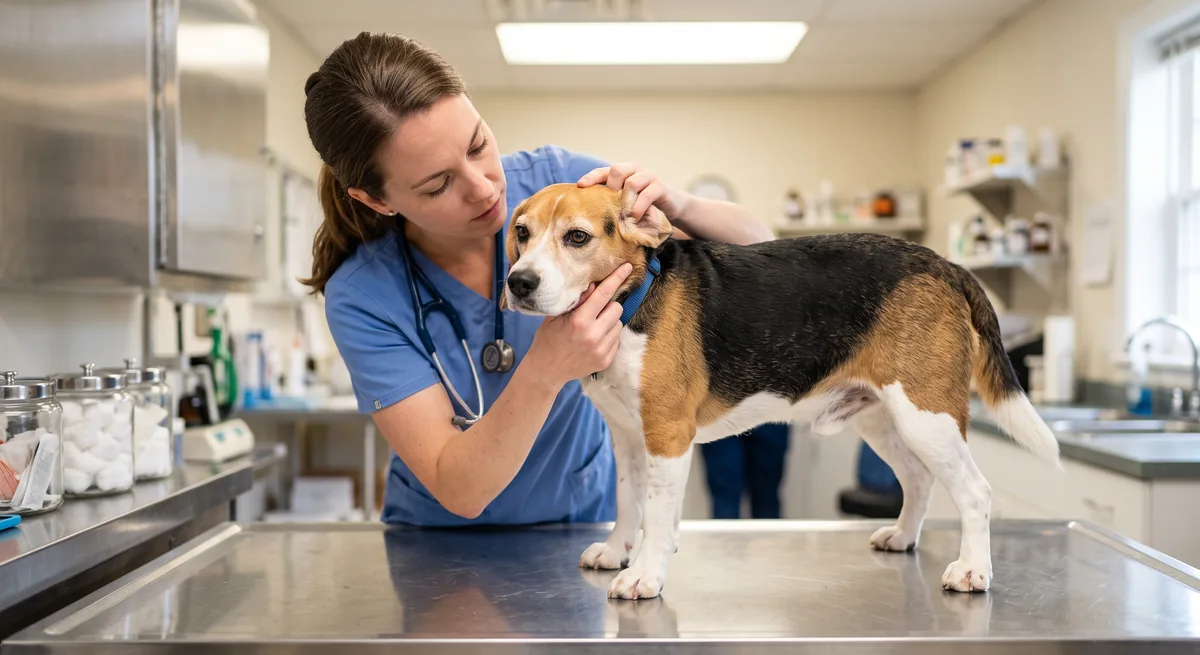
Involve them before you buy if your dog is a puppy, is very small, is elderly, is pregnant or nursing, has had a reaction to a parasiticide before, is on other medication, or lives with cats. Those are the situations where the choice of active ingredient genuinely matters and where a shelf decision is the wrong way to make it.
Involve them straight away if your dog develops sores, persistent scratching, hair loss, or a skin infection, or if you see drooling, vomiting, unsteadiness, or tremors in any animal in the house. Take the collar and its packaging with you. Flea bites can also cause an allergic skin reaction in sensitive dogs that needs treating in its own right, and a medicated wash is a veterinary decision rather than a shopping one, as our guide to medicated dog shampoo explains.
Involve them again if the infestation is not improving after a few months of consistent treatment of both dog and home. At that point the question is no longer which collar to buy but whether the plan is right, whether every animal in the household is covered, and whether something else is going on with the skin. A practice can also check for tapeworm, which dogs can pick up from swallowing fleas during grooming.
For more independent, vet-reviewed guidance on this topic, the American Kennel Club expert advice center is an excellent place to start.
Frequently Asked Questions
Do flea collars for dogs actually work?
It depends heavily on the type. Collars whose active ingredient spreads through the skin oils protect the whole dog for a stated period, while cheap contact-only bands mainly affect parasites near the neck. Whichever you use, the collar treats the dog and not the home, and CAPC notes an established infestation may take several months to bring under control.
How long does a flea collar last on a dog?
Only the label can answer that, because duration is set by the specific product and its active ingredient. Some are measured in weeks and some in months. Write the fitting date down, because protection ends on schedule whether or not you notice, and a collar left on past its stated life is doing very little.
How tight should a flea collar be?
Snug enough to stay in contact with the skin, loose enough that two fingers slide comfortably underneath without forcing. Trim the excess after fitting and throw the offcut away, then recheck the fit after a few days and whenever your dog's weight or coat length changes.
Can I use a dog flea collar on my cat?
No. Products are labelled by species for safety reasons and some ingredients used on dogs are dangerous to cats. In a household with both, use the cat's own product on the cat, tell your veterinary practice that both species live together, and watch the cat if it grooms or sleeps against the treated dog.
Can my dog wear a flea collar and a normal collar together?
Usually yes, but never clip a lead to the treated band. Keep an everyday collar or harness for walking, make sure the two layers do not rub or trap the treated collar against one patch of skin, and check the skin underneath during the first week.
Why are there still fleas after fitting a flea collar?
Almost always because the home has not been treated. Eggs, larvae and cocoons develop in carpets, under furniture and along baseboards, and adults keep emerging from that reservoir. Vacuum those areas thoroughly, wash bedding hot, keep the dog's protection continuous, and expect the process to take time.
When should I take the flea collar off and call a veterinarian?
Remove it and call if you see redness, sores or hair loss under the band, if your dog scratches constantly at the neck, or if any animal in the house shows drooling, vomiting, unsteadiness or tremors. Take the packaging with you so the active ingredient can be identified quickly.
Browse Accessories
Free worldwide shipping on every order. No minimum purchase required.
Browse Accessories →