Choosing a bowl dog owners can use every day is more important than it first appears. The right dog bowl should match your dog's size, eating speed, muzzle shape, activity level, and feeding routine. It should also be stable, easy to clean, and made from a material that can handle repeated contact with food and water.
For most households, a smooth stainless steel bowl with a non-slip base is a reliable starting point. A slow feeder may be better for a dog that gulps meals, while a shallow bowl can help a flat-faced breed reach food more comfortably. This guide explains how to compare each option without buying a bowl that is too small, too deep, or difficult to keep hygienic.
Why the Right Dog Bowl Matters
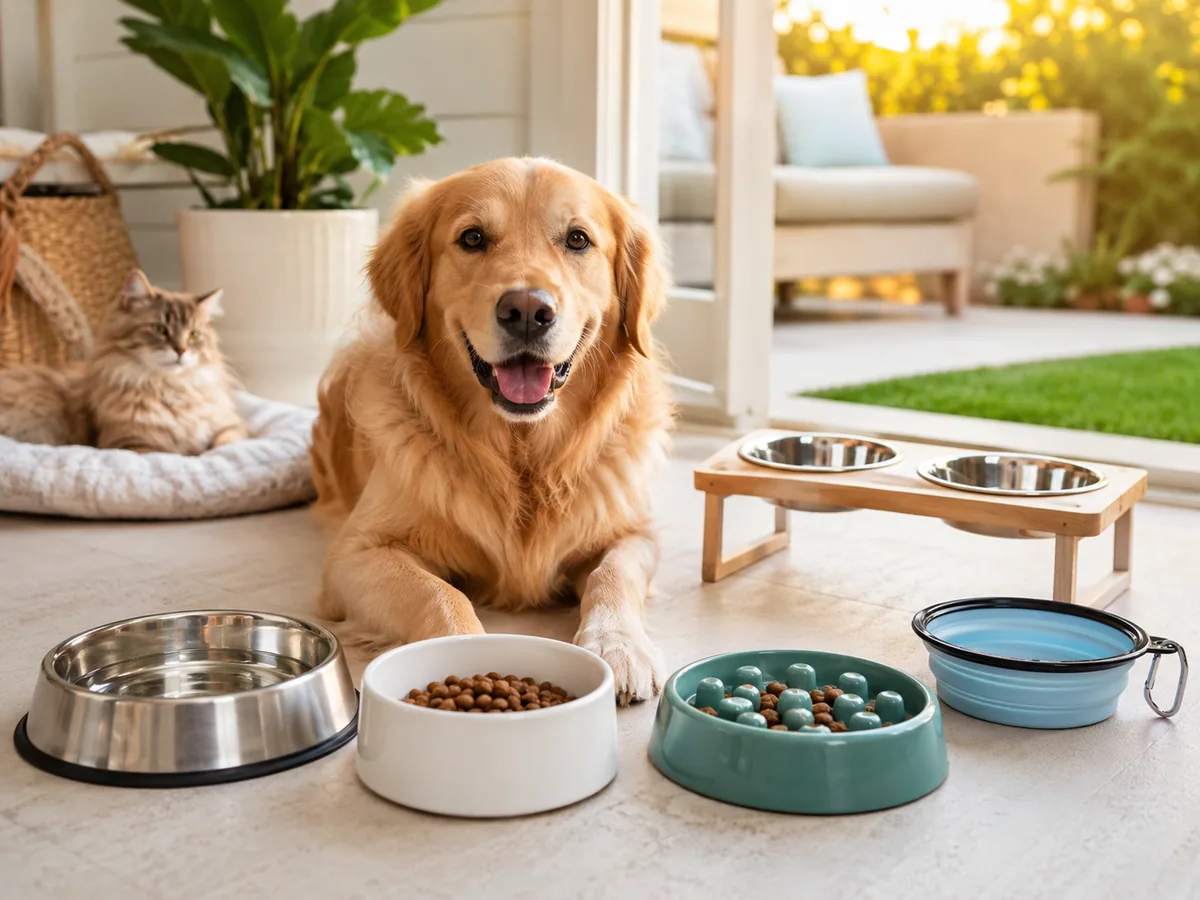
A dog bowl affects how your pet eats, drinks, and interacts with the feeding area every day. A lightweight plastic bowl can slide across the floor, spill water, and collect scratches that are difficult to clean. A deep bowl can force a short-nosed dog to push their face into the sides. A bowl that is too small can encourage fast eating because the dog has to chase food around a narrow surface.
The goal is not to find one perfect bowl dog owners can recommend for every breed. The goal is to choose a bowl that makes normal eating easy and safe for your individual dog. Watch the first few meals after introducing it. Your dog should be able to reach the food without awkward neck strain, keep the bowl in place, and finish without coughing, pawing, or showing frustration.
A suitable bowl also supports a predictable routine. Feeding in the same calm location, measuring portions, and washing the bowl after meals can make it easier to notice changes in appetite. If your dog suddenly eats much faster, leaves food behind, or drinks unusually more or less, record the change and ask a veterinarian for advice.
Which Dog Bowl Material Is Best?
Stainless steel is a practical everyday choice because it is durable, non-porous, and usually easy to wash. Look for a thick rim and a stable base rather than a very thin bowl that bends or makes noise. Stainless steel works well for both food and water, and a spare bowl makes it easier to maintain a clean rotation.
Ceramic bowls can look attractive and feel heavy on the floor, but inspect the glaze regularly. Chips and cracks create places where residue can collect. Choose a bowl marked as food-safe, handle it carefully, and replace it if the surface becomes damaged. Ceramic is often a good option for dogs that push lighter bowls around.
Plastic bowls are lightweight and inexpensive, but they need closer inspection. Scratches can hold residue, and some dogs chew the rim. If you use plastic, choose a food-safe product, wash it often, and replace it when the surface becomes rough. For additional context, the American Kennel Club dog bowl guide compares common materials and bowl designs.
Silicone is useful for travel because it folds flat and is easy to pack. It is less ideal as the only long-term bowl for a dog that chews flexible objects. Use a travel bowl for trips, then return to a rigid bowl at home. Regardless of material, avoid products with a strong chemical smell, loose seams, peeling coatings, or small parts that can be swallowed.
How to Choose the Correct Bowl Size and Shape
Start with the amount of food your dog receives at one meal, not only their body weight. The bowl should hold the full serving with room to move the food around. As a simple rule, choose a diameter that gives your dog space to eat without pressing their whiskers or cheeks against the rim. Water bowls should be larger if your dog drinks frequently or spends time outdoors.
Muzzle shape changes the best bowl design. A shallow, wide bowl is often easier for flat-faced dogs to access, while a medium-depth bowl may suit a long-nosed dog. Puppies need a bowl they can reach without climbing into it, and senior dogs may benefit from a stable setup that does not require bending too far. For a growing puppy, check the fit every few weeks instead of assuming the first bowl will last for the entire growth period.
Raised bowls are sometimes useful for comfort or mobility, but height should be chosen carefully. Do not raise a bowl solely because it looks convenient. Measure the dog in a normal standing position and ask a veterinarian if your dog has arthritis, neck pain, swallowing problems, or a history of digestive concerns. The best setup keeps the shoulders relaxed and lets the dog eat naturally.
For a dog that eats too quickly, a slow feeder bowl adds ridges, channels, or raised sections that make each mouthful take longer. Start with a simple pattern and use a portion your dog can reach without becoming frustrated. You can also compare the guidance in our slow eating dog bowl guide and our dog feeding bowl tips before choosing a design.
Bowl Choices for Puppies, Seniors, and Fast Eaters
Puppies often need a low, stable bowl with a broad base. Their coordination changes quickly, so a bowl that worked at eight weeks may become too small or too light a month later. Place it on a washable mat and keep water available in a separate, easy-to-reach bowl. A puppy should not need to drag the bowl across the room to reach the last pieces of food.
Senior dogs may need a bowl that reduces unnecessary bending or slipping. A non-slip base can help a dog with weaker legs, while a slightly raised setup can be comfortable for some dogs when selected with professional guidance. Keep the path to the bowl clear and use a contrasting color if vision changes make the feeding area harder to find.
Dogs that gulp food can benefit from a slow feeder, a snuffle mat, or measured meals divided into smaller portions. Start slowly and watch whether the dog becomes frustrated or tries to chew the bowl. Our dog boredom toys guide explains how food-based enrichment can turn part of a meal into a calm activity, and our mental stimulation guide offers more ideas for dogs that need structured engagement.
Dogs with a flat face, dental discomfort, or swallowing problems need individualized advice. A change in bowl shape may improve comfort, but it does not replace a veterinary examination. If eating becomes painful, noisy, unusually slow, or accompanied by regurgitation, stop experimenting with new products and contact your veterinarian.
Cleaning, Food Safety, and Daily Bowl Care
Wash food bowls after each meal when possible, especially if they held wet food, fresh meat, or a moist topper. Use hot water and dish soap, rinse away all residue, and let the bowl dry fully. Water bowls also need daily cleaning because saliva, dust, and food particles can build up even when the water looks clear. Keep at least two sets so one can dry while the other is in use.
Inspect the bowl once a week for scratches, cracks, sharp edges, peeling paint, loose rubber, or trapped residue around the base. Replace damaged bowls instead of trying to seal them with household glue or tape. Wash the feeding mat too, because the area underneath the bowl can hold spilled food and moisture.
Food portions should be measured with the dog’s age, body condition, activity, and food label in mind. The AKC feeding guide explains why package directions are a starting point rather than a substitute for observing the dog. The AAFCO pet food selection guidance also explains why the food and the amount both matter for a complete and balanced diet.
Store dry food in a clean, sealed container and wash the scoop regularly. Do not top up old food indefinitely without cleaning the container, and do not leave wet food in a warm bowl for long periods. These simple habits make the bowl easier to trust and help protect your dog’s overall feeding routine.
A Simple Dog Bowl Shopping Checklist
Before buying, write down your dog’s current portion size, eating speed, muzzle shape, and the place where the bowl will sit. Then check that the bowl has enough capacity, a stable base, a surface you can clean fully, and no decorative parts that can loosen. If you travel often, add a separate collapsible bowl instead of making a flexible travel bowl serve every purpose at home.
For everyday feeding, a durable stainless steel bowl plus a washable non-slip mat is a strong basic setup. Add a slow feeder only when your dog needs help eating more slowly, and introduce it during a supervised meal. If your dog prefers to eat from a shallow plate, follow that preference as long as the setup is hygienic and the dog can eat comfortably.
Livehappypet’s dog collection and full pet supply shop make it easy to compare feeding-related items with other daily essentials. A our dog shop or our dog shop can also help separate mealtime from playtime, so your dog learns which objects are for eating and which are for supervised enrichment.
When you are ready to build a simple routine, keep the feeding area calm, provide fresh water, and choose a bowl that your dog can use without struggling. You can also review our shipping information before ordering and use the contact page if you need help with a product question.
If you want to dig deeper into the research, the ASPCA pet care library publishes practical, expert-reviewed resources for pet owners.
Frequently Asked Questions
What is the best bowl for most dogs?
A smooth stainless steel bowl with a stable non-slip base is a practical choice for many dogs. Choose the size and depth based on your dog’s portion, muzzle shape, and eating posture. Keep a separate bowl for water and wash both regularly.
Is stainless steel better than plastic for a dog bowl?
Stainless steel is usually easier to clean and does not hold scratches in the same way as plastic. Plastic can still work when it is food-safe, inspected often, and replaced when scratched or chewed. The safest choice is the material you can keep clean and intact.
Should I use a slow feeder bowl for a dog that eats fast?
A slow feeder can help a fast eater take smaller mouthfuls and spend more time on a meal. Introduce a simple pattern under supervision and stop if your dog becomes frustrated, chews the bowl, or cannot reach the food. Smaller measured meals may also help.
How often should I wash my dog’s food bowl?
Wash a food bowl after every meal when possible, especially after wet food. Clean water bowls daily because saliva and dust can build up. A second set of bowls makes it easier to keep a clean, dry bowl ready.
What bowl shape is best for a flat-faced dog?
A shallow, wide bowl often makes food easier to reach for a flat-faced dog. Observe whether the dog can eat without pressing their face into the rim. If eating is noisy, painful, or difficult, ask a veterinarian for individualized advice.
Do dogs need an elevated bowl?
Not every dog needs an elevated bowl. Some dogs with mobility or comfort concerns may benefit from a raised setup, but height should be selected carefully. Ask a veterinarian if your dog has neck pain, arthritis, swallowing difficulty, or digestive risk factors.
How do I know if a dog bowl is too small?
A bowl may be too small if the full meal cannot fit comfortably, your dog pushes food over the edge, or the muzzle and cheeks repeatedly hit the rim. Choose enough surface area for the dog to eat naturally, then reassess as the dog grows or portions change.
Shop Premium Dog Toys
Free US shipping on every order. No minimum purchase required.
Browse Dog Toys →