If you are looking for the best teething chew toys for puppies, this comprehensive guide covers everything you need to know. Whether you are a first-time pet owner or an experienced one looking to upgrade, you will find practical advice, safety tips, and honest comparisons below.
Why Teething Turns Puppies Into Chewing Machines
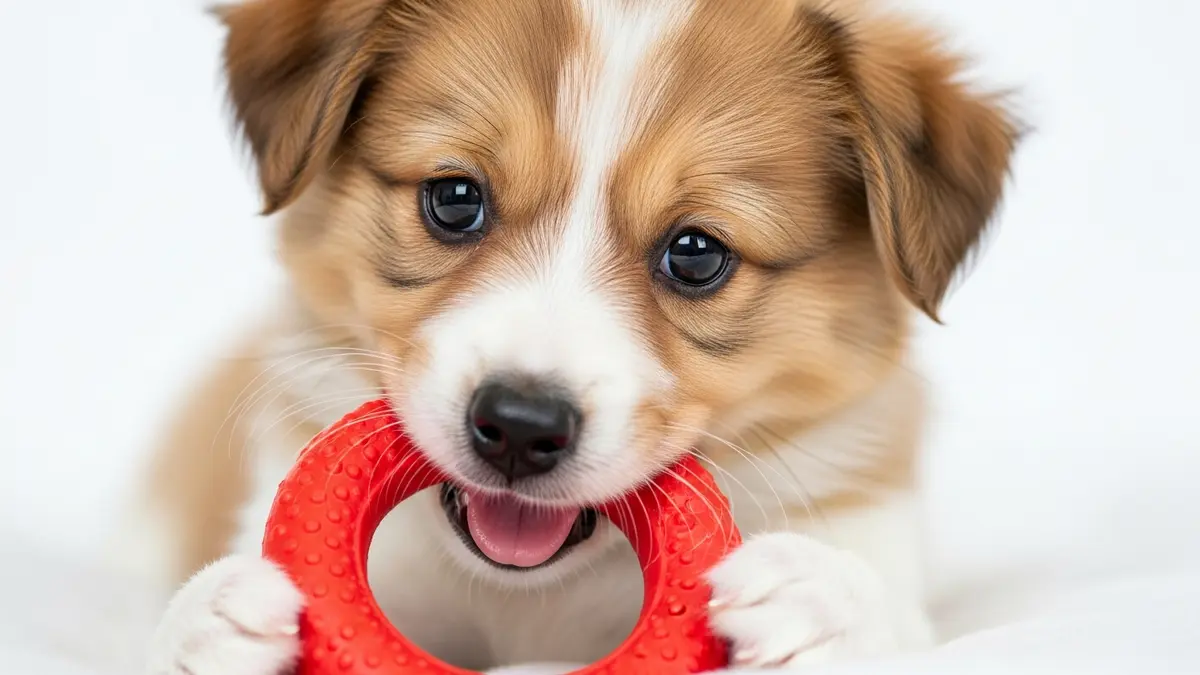
If your puppy has suddenly declared war on shoes, chair legs, and your sleeves, teething is almost certainly the engine behind it. As baby teeth loosen and adult teeth push through the gums, puppies feel pressure, itching, and soreness that chewing genuinely relieves. The counter-pressure of gnawing on something with the right amount of give is the puppy equivalent of rubbing a sore muscle.
This phase is temporary but intense. Chewing during teething is not naughtiness and it cannot be trained away entirely, because the discomfort driving it is physical. What you can control is the target. A puppy with a basket of appealing teething chew toys has an approved outlet; a puppy without one will find outlets you like much less.
Teething chewing has a distinctive style. Puppies in this phase favor sustained, deliberate gnawing over rip-and-shred play, often drool more than usual, and may seek out cool surfaces like tile floors. You might find tiny baby teeth on the carpet or a small blood spot on a toy; both are completely normal parts of the process.
This guide covers the teething timeline, what separates a great teething chew from a dangerous one, cold relief tricks, options to avoid, and the warning signs that call for a veterinarian. For a model-by-model shopping list, our roundup of the best teething toys for puppies is the companion piece to this article.
The Puppy Teething Timeline
Puppies are born toothless. Their 28 deciduous teeth, often called milk teeth or puppy teeth, begin erupting at roughly three to six weeks of age. These first teeth are needle sharp, as anyone who has played with an eight week old puppy can confirm, but they are also temporary equipment with shallow roots.
If you want even more options, check out our guide to plush vs rope vs indestructible dog toys.
The real teething event starts around three to four months of age, when those baby teeth begin falling out to make way for 42 permanent adult teeth. Incisors typically go first, followed by canines and premolars, with the process generally complete by about six months. Veterinary references such as VCA Animal Hospitals describe this replacement window in detail, including what happens when it goes wrong.
The months from three to six are the peak chewing storm. Expect the strongest urge to gnaw during active eruption weeks, with individual variation by breed and size; small breeds often run slightly later schedules than large ones. Keeping several teething chew toys in rotation through this entire window is far more effective than offering one toy and hoping.
Knowing the timeline also helps you spot trouble. A baby tooth that refuses to fall out while the adult tooth erupts beside it, called a retained deciduous tooth, can crowd the mouth and trap debris. If you see two teeth sharing one spot after six months, that is a veterinary visit, not a wait-and-see.
What Makes a Great Teething Chew Toy
The golden rule for teething gear: softer than an adult chew, tougher than plush. Sore puppy gums need material that yields slightly under bite pressure, which is why purpose-made puppy rubber compounds are softer than their adult counterparts. A useful home test is the thumbnail check: if you cannot dent the surface with a firm press of your thumbnail, it is probably too hard for a teething mouth.
Texture does real work during teething. Nubs, ridges, and varied surfaces massage inflamed gums and reach different spots in the mouth as the puppy repositions the toy. Many of the most effective designs look almost like gum brushes, and that is intentional. Variety across the toy basket matters too, because a puppy whose gums are sore in different places on different days will pick different textures.
Size and shape must fit a puppy mouth today, not the adult mouth to come. A toy sized for the grown dog can strain a small jaw, while an undersized toy becomes a swallowing risk fast as the puppy grows. Buy for the current size, check fit every few weeks during growth spurts, and retire outgrown toys promptly. Ring and bone shapes that little paws can pin down for leverage are consistently popular with teething puppies.
Durability still counts, because teething does not last forever and needle teeth do real damage to cheap toys. Look for puppy lines from reputable rubber toy makers, seamless construction, and no small glued-on parts. Our guides to toys for teething puppies and the best chew toys for puppies walk through specific designs that pass these tests.
Cold Relief: Chilled and Frozen Teething Tricks
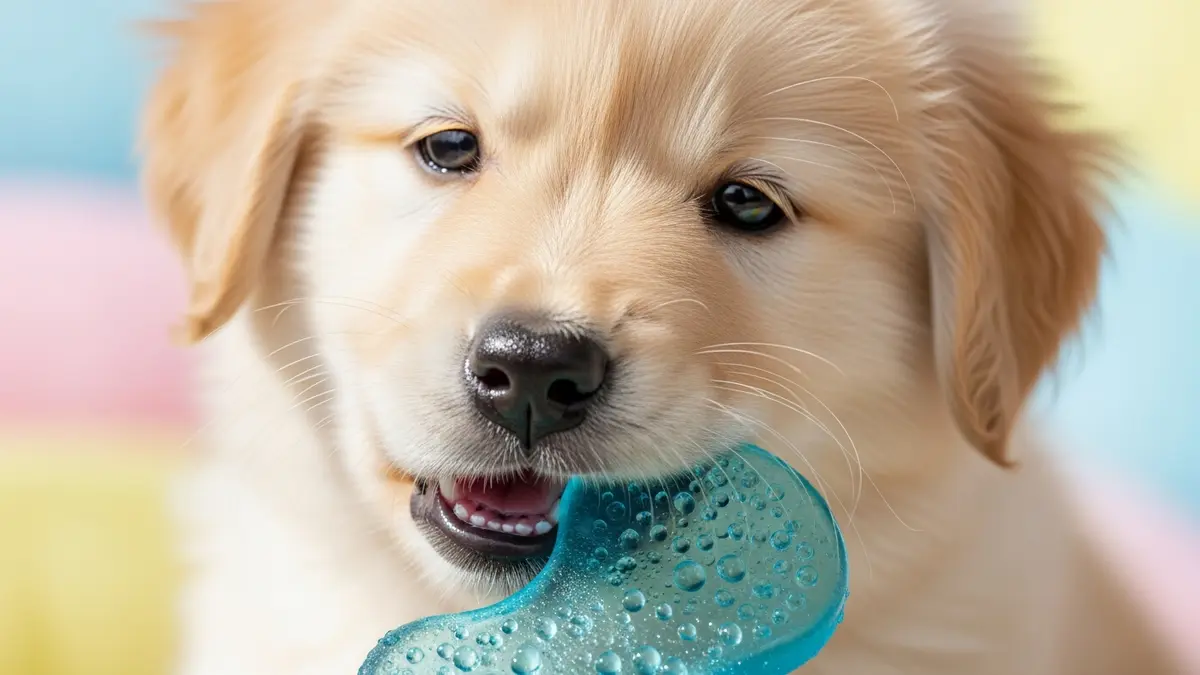
Cold is the most underused tool in puppy teething. Just as chilled teething rings help human babies, cool material numbs inflamed puppy gums and reduces swelling. Many puppy toys are designed for the refrigerator or freezer, from water-filled rubber shapes to gel-core rings, and the difference in how eagerly a sore puppy attacks a chilled toy is often obvious within seconds.
You might also enjoy our recommendations for dog fetch toys.
The safest home option costs nothing: take a clean washcloth, soak it in water or low-sodium broth, wring it, twist it, and freeze it. The result is a crunchy, icy chew that softens as the puppy works it. Supervise the session and take the cloth away once it thaws into a plain rag, since a bored puppy will happily move from chewing it to eating it.
One important caution: rock-hard frozen items deserve the same suspicion as any hard chew. A toy frozen into a solid brick can be as tooth-punishing as bone or antler, so favor chilling in the refrigerator over deep freezing for solid rubber, and reserve the freezer for items designed to stay yielding, like the twisted washcloth or gel-filled teething toys.
Chilled food-stuffed toys combine relief with occupation. Pack a puppy-sized hollow rubber toy with softened puppy kibble, chill it, and you have ten to twenty minutes of licking, gnawing, and soothing in one object. Used at crate time, this trick simultaneously eases gums and builds a calm crate habit, two puppy projects for the price of one.
Chews and Toys to Avoid During Teething
The teething months are exactly the wrong time for very hard chews. Antlers, hooves, bones, hard nylon bars, and dried ultra-hard treats can crack both fragile baby teeth and newly erupted adult teeth, whose enamel is still maturing. A broken tooth in a four month old puppy is a painful, expensive event that the right toy basket entirely prevents.
Skip anything a puppy can disassemble and swallow. Cheap vinyl toys, plush with plastic eyes, toys with ribbons or bells, and rope toys already fraying at the ends all become hazards with unsupervised needle teeth. Swallowed fragments can irritate or block the digestive tract, and mouth problems in dogs range wider than most owners expect, as the Merck Veterinary Manual chapter on mouth disorders makes clear.
Be careful with hand-me-downs from adult dogs. Adult-strength rubber is often too firm for sore puppy gums, adult-sized toys can strain small jaws, and a toy already chewed rough by an adult dog carries sharp edges. Give the puppy its own age-appropriate basket and save the adult gear for later; the upgrade moment will come around six months when adult teeth are in.
Finally, avoid the old-shoe shortcut. Handing a puppy a retired sneaker teaches it that shoes are chew toys, and puppies do not distinguish retired from new. Every approved chew should be an obvious dog item, distinct in material and smell from your belongings, so the line you are teaching stays clean.
Matching Teething Toys to Puppy Size and Style
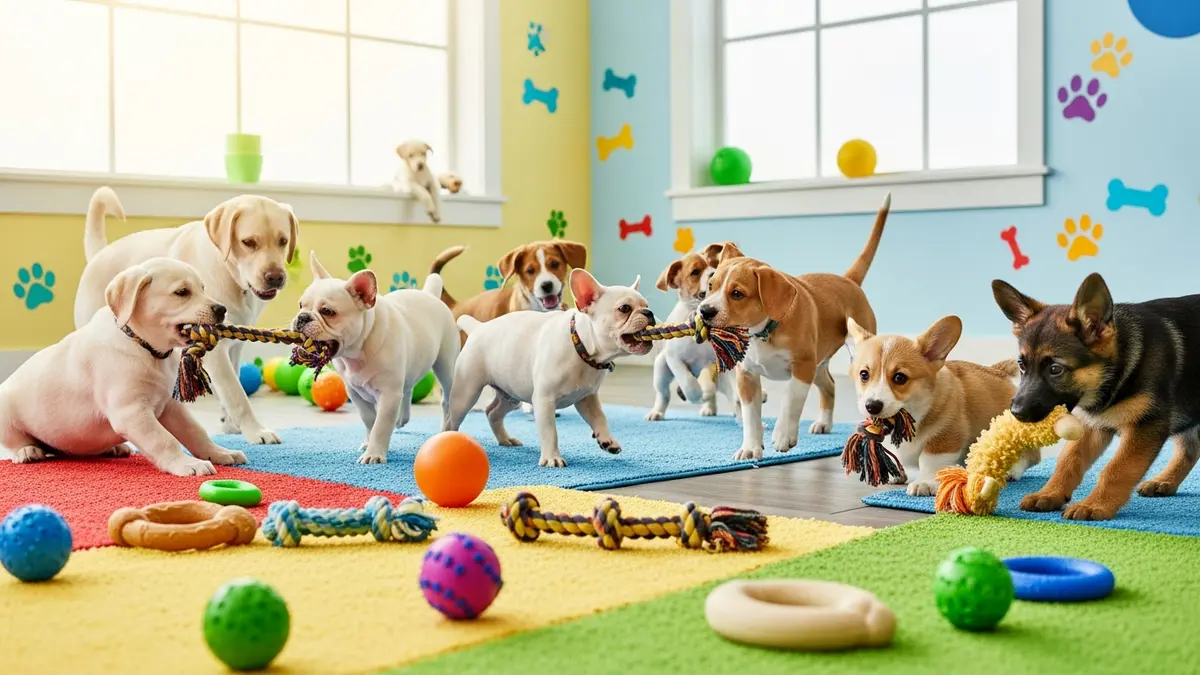
A Chihuahua puppy and a Great Dane puppy are both teething, but their equipment needs barely overlap. Toy and small breeds need lightweight rings and thin-profile chews their jaws can actually engage, while large breed puppies need bigger, more robust versions from day one, both for jaw fit and because their needle teeth arrive with more power behind them.
For related picks, take a look at our plush toys for puppies roundup.
Chewing style matters as much as size. Methodical gnawers do best with textured rubber they can work for long sessions. Enthusiastic shakers and shredders need seamless, appendage-free designs that offer nothing to tear. Licky, food-motivated puppies get the most relief from stuffable and freezable shapes. Watch one week of play and your puppy will tell you which category it belongs to.
Build a small rotation rather than one favorite. Three or four toys covering different textures and temperatures, with only a couple available at a time, keeps novelty high and spreads wear. Rotation also future-proofs the basket: as teething progresses, yesterday's perfect softness becomes today's too-easy, and the rotation lets you feel that shift and step firmness up gradually.
For a broader look at building a full puppy toy box beyond teething, including fetch, tug, and puzzle options for the post-teething months, our best toys for puppies guide covers the whole toolkit, and the puppy teething toys roundup goes deeper on the teething-specific shelf.
Turning Teething Into Lifelong Good Chew Habits
Teething is secretly a training opportunity. The habits a puppy builds in these months, what to chew, what to release, what earns praise, become the adult dog's defaults. Handled well, the teething storm produces an adult with excellent chew manners; handled with scolding alone, it produces a dog that just learned to chew furniture when you are not looking.
The core move is redirect and reward. When the puppy latches onto a forbidden target, calmly interrupt, present an approved teething chew toy, and praise warmly the moment teeth touch the right object. No drama, no chase, just a boring outcome for the wrong choice and a great outcome for the right one, repeated until the puppy starts choosing the toy on its own.
Teach trade early. Offer a small treat as you say a release word, take the toy, then give it right back. A puppy that learns giving things up is profitable becomes an adult that releases anything without guarding, which makes removing damaged toys, or your stolen sock, effortless for the next decade.
Manage the environment while the lessons stick. During peak teething, shoes live behind doors, cords get covered, and the puppy's unsupervised space contains only approved chews. Management is not forever; it simply keeps the puppy from rehearsing mistakes while the good habits finish installing.
When Puppy Teething Needs a Veterinarian
Normal teething looks like enthusiastic chewing, some drool, tiny lost teeth, and the occasional pink spot on a toy. It should not look like a puppy refusing meals, pawing constantly at its mouth, bleeding steadily, or developing significantly foul breath. Those signs point beyond routine teething and deserve professional eyes promptly.
The most common structural problem is the retained baby tooth: a deciduous tooth that stays anchored while its adult replacement erupts alongside. Two teeth in one socket trap food and misalign the bite, and retained teeth generally need veterinary extraction. Canine teeth are frequent offenders, so give those fangs a weekly glance from four months onward.
Also worth a call: an adult tooth that seems absent long after its window, a visibly broken or discolored tooth, swelling along the jawline, or a puppy that abruptly stops chewing altogether. Puppies rarely stop chewing during teething without a reason, and the reason is usually pain that a quick exam can locate.
The good news is that the finish line is close. By around six months most puppies have their full set of 42 adult teeth and the frantic gum-driven chewing fades into normal, manageable adult chewing. Keep the toy basket stocked through the last weeks, book the vet when the warning signs above appear, and you will both come out the other side with furniture and friendship intact.
If you want to dig deeper into the research, the ASPCA pet care library publishes practical, expert-reviewed resources for pet owners.
Frequently Asked Questions
When do puppies start and stop teething?
Baby teeth erupt at roughly three to six weeks, then fall out starting around three to four months as 42 adult teeth come in. Most puppies finish teething by about six months of age, with small breeds sometimes running a little later.
What is the best type of chew toy for a teething puppy?
Puppy-specific rubber that yields slightly under thumbnail pressure, with textured nubs or ridges to massage sore gums, sized for the puppy's current mouth. A small rotation of different textures, including at least one chillable option, works better than any single toy.
Can I give my teething puppy frozen toys?
Yes, with care. Chilled rubber toys and a frozen twisted washcloth soothe inflamed gums well. Avoid items frozen rock hard, since they can damage teeth just like bones or antlers, and supervise washcloth sessions so the puppy chews it rather than eating it.
What chews should teething puppies avoid?
Avoid antlers, hooves, bones, hard nylon, and other very hard chews that can crack baby and new adult teeth, plus any toy with small detachable parts, fraying rope, or plush a puppy can open. Skip old shoes entirely so the puppy never learns shoes are toys.
Why does my puppy's toy have small blood spots on it?
Light pink or small blood spots are normal during teething, appearing when loose baby teeth wobble free or gums are tender. Steady bleeding, refusal to eat, constant mouth pawing, or very bad breath are not normal and warrant a veterinary check.
What is a retained baby tooth and is it serious?
A retained deciduous tooth is a baby tooth that stays in place while the adult tooth erupts beside it, leaving two teeth in one spot. It traps debris and can misalign the bite, and it usually needs veterinary extraction, so book an exam if you spot one after six months.