Plush vs rope vs indestructible dog toys is really a question about play style. Plush toys are best for comfort and gentle play, rope toys are best for tug and supervised interaction, and indestructible-style toys are best for dogs that chew hard enough to destroy normal toys.
The mistake I see most often is buying by appearance. A toy can look adorable and still be completely wrong for the dog. The better method is to match the toy to chewing force, age, dental condition, and how the dog actually plays at home.
In This Article
Quick Answer: Plush, Rope, or Indestructible?
Choose plush toys for dogs that like carrying, cuddling, and gentle shaking. Plush is also helpful for puppies and anxious dogs that use soft items for comfort. The big warning is simple: plush is not a chew-proof material. If your dog opens seams and eats stuffing, plush should be supervised or avoided.
Choose rope toys for interactive tug, fetch, and short chewing sessions. Rope can be excellent for bonding because the owner is part of the game. It also gives dogs a satisfying texture. The risk is fraying. Loose strands can be swallowed, so rope toys need regular inspection and should be removed once they start falling apart.
Choose indestructible-style toys for power chewers, bored dogs that chew furniture, and dogs that need longer-lasting solo enrichment. I say "indestructible-style" because no dog toy is truly indestructible for every dog. The goal is not magic. The goal is a safer, tougher match for a specific chewing profile.
Toy Type Comparison Table
Use this table as a quick decision aid. The safest choice is the one that matches your dog's behavior today. Re-check the choice as your dog grows, ages, or changes chewing habits.
If your dog is a power chewer, compare this guide with our deeper article on best indestructible dog toys. If your dog needs active play, also browse rope dog toys and tug options.
When Plush Dog Toys Are the Best Choice
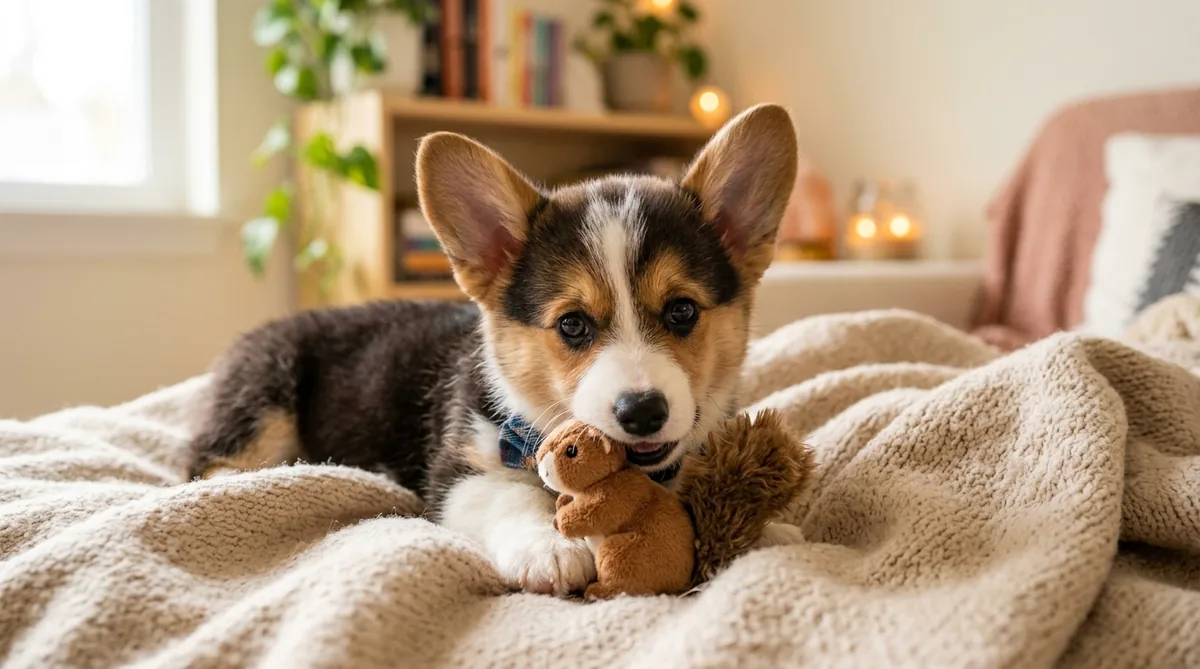
Plush toys are underrated when they are used for the right dog. Many dogs do not want every toy to be a workout. Some want something to carry from room to room, rest their head on, or greet guests with. For those dogs, plush toys provide emotional value that a hard rubber toy cannot replace.
Plush is especially useful for puppies, small dogs, seniors, and anxious dogs. The soft texture is easier on the mouth and often more comforting during rest. A plush toy can also support gentle fetch indoors because it is less likely to damage furniture than a hard ball.
The downside is durability. If your dog is a shredder, plush toys can create loose stuffing and exposed squeakers. That is why first-session supervision matters. Watch whether your dog carries the toy, gently mouths it, or immediately searches for a seam to destroy.
My practical recommendation is to keep plush toys in the rotation for dogs that respect them, but do not ask plush to do a rubber toy's job. If your dog needs comfort, plush is excellent. If your dog needs hard chewing, choose another category.
When Rope Toys Make Sense
Rope toys shine during interactive play. Tug is not just a strength contest. Done well, it teaches impulse control, release cues, and owner-dog communication. A simple rope toy can become a training tool if you practice "take it", "drop it", and calm resets between rounds.
Rope also gives a satisfying chewing texture. Some owners like rope because it feels less hard than nylon and more durable than plush. That middle ground is useful, but it is not risk-free. Once rope starts fraying, loose strands can separate. Replace the toy before it becomes a pile of threads.
Rope is not ideal for unsupervised long chewing if your dog likes to swallow fibers. It is much better as a shared toy. Keep it in a drawer, bring it out for a game, then put it away. That routine also makes the toy more exciting because it does not sit on the floor all day.
For active dogs that love owner interaction, rope is often the best value category. It is affordable, versatile, and easy to rotate with fetch and chew toys.
When Indestructible Toys Are Worth It
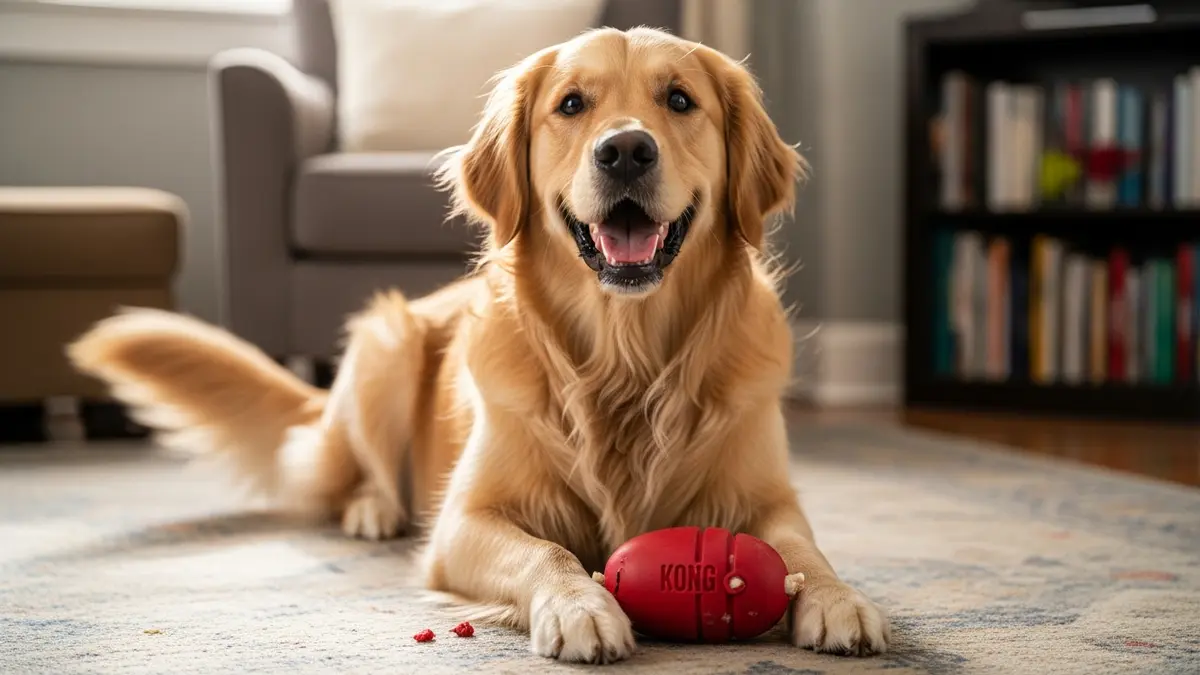
Indestructible dog toys are worth it when normal toys fail too quickly. If your dog destroys plush in minutes, cracks weak rubber, or chews furniture when bored, a tougher toy category is not a luxury. It is part of managing the environment safely.
The nuance is that harder is not always safer. A toy that is too rigid can be rough on teeth, especially for puppies, seniors, or dogs with dental history. The AKC discussion of tennis-ball chewing is a useful reminder that common toys can still have dental tradeoffs when used the wrong way.
Choose tougher toys when your dog's behavior justifies them. Look for sizing guidance, material details, and owner reviews from similar dogs. Avoid buying the hardest possible product just because it sounds impressive. The right toy should survive play while still being appropriate for your dog's mouth.
For many households, one durable chew toy plus one rope toy plus one comfort toy is better than five extreme chews. Dogs need different kinds of enrichment, not only resistance.
Safety Checks for Every Toy Type
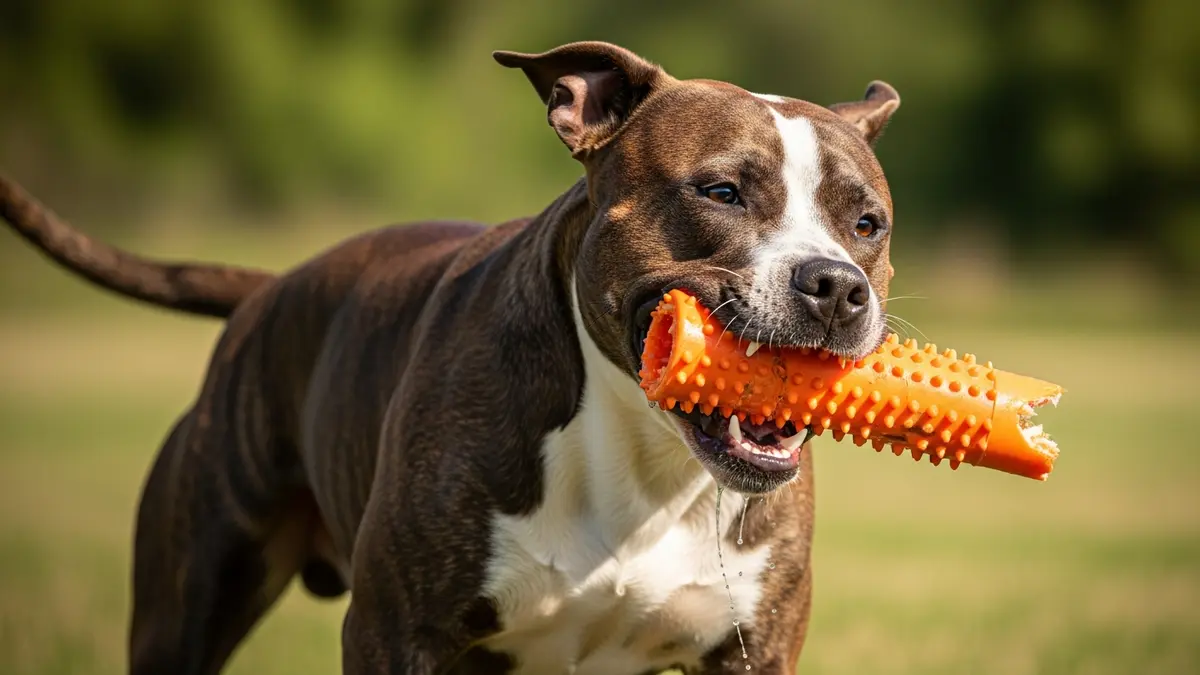
Before buying any toy, check size, material, seams, and supervision needs. The AVMA pet care resources are a good general reminder that daily pet choices should support health, not only entertainment.
- Choose toys that are too large to swallow whole.
- Remove plush toys once stuffing or squeakers are exposed.
- Replace rope toys when strands loosen or knots unravel.
- Avoid very hard toys for puppies and dogs with dental sensitivity.
- Supervise new toys until you understand how your dog uses them.
The ASPCA general dog care guidance also reinforces the broader point: safe care is a daily routine. Toy inspection should be part of that routine, just like checking water, food, and exercise needs.
Replace sooner than you want to.
If you are debating whether a damaged toy can last one more day, that is usually the sign to retire it.
How to Build a Balanced Toy Rotation
A balanced rotation prevents boredom and reduces overuse of any one toy. Keep three or four toys available at a time: one chew toy, one interactive toy, one tug or fetch toy, and one comfort toy if your dog enjoys softness. Store the rest for later.
Rotate every 3-5 days. The same toy feels new again after a short break, which saves money and keeps engagement high. This method is especially useful if your dog ignores toys that stay on the floor all week.
For a gentle dog, the rotation may include two plush toys and one rope toy. For a power chewer, it may include two durable chew toys and one supervised tug rope. For a senior, prioritize softer textures and lighter toys. The right rotation changes with the dog.
If you want a starting point, explore Livehappypet dog toys, then compare specific categories like plush toys, rope toys, and durable dog toys. Buy slowly, observe honestly, and let your dog's behavior guide the next purchase.
A good first-week setup is intentionally modest: one soft toy for comfort, one rope toy for owner-led play, and one durable chew for quiet time. After seven days, remove anything your dog ignored, damaged, or used in an unsafe way. That small observation window is more useful than buying a huge bundle on day one.
For multi-dog homes, separate toys by chewing intensity. A gentle dog's plush toy may not be safe when a stronger dog steals it. Store higher-risk toys and bring them out only when the matching dog can be supervised.
Frequently Asked Questions
Are plush toys safe for dogs?
Plush toys can be safe for gentle dogs when supervised and inspected. They are not ideal for dogs that rip seams, remove squeakers, or swallow stuffing.
Are rope toys good for aggressive chewers?
Rope toys can be useful for supervised tug, but they are not the best unsupervised chew choice for dogs that swallow fibers. Replace them once they fray.
Are indestructible dog toys really indestructible?
No toy is indestructible for every dog. The phrase usually means tougher than average. Always match the toy to your dog's chewing force and inspect it regularly.
Which toy is best for puppies?
Puppies often do best with softer rubber, soft plush, and supervised rope play. Avoid extremely hard toys because puppy teeth are still developing.
Which toy type lasts longest?
Durable rubber or heavy-duty chew toys usually last longest for strong chewers. For gentle dogs, plush toys can also last a long time because they are not being destroyed.
How many toys should my dog have at once?
Most dogs do well with 3-4 toys available at once. Rotate a larger collection weekly to keep toys interesting without overwhelming the dog.
When should I throw away a dog toy?
Throw away a toy when it has cracks, exposed stuffing, loose strands, sharp edges, or pieces your dog can swallow. Do not wait for a toy to fully fall apart.
Find the Right Toy Type
Browse plush, rope, and durable dog toys with free worldwide shipping from Livehappypet.
Browse Dog Toys →More detail: Use the rubber vs plush vs rope dog toys comparison for cleaning and replacement criteria.