Eco-friendly cat litter is litter made from renewable plant material, such as pine, recycled paper, wheat, corn, walnut shells, grass seed or soy, instead of mined clay or silica. It breaks down far more readily than clay, it is often lighter to carry, and many types produce less dust. The catch is that your cat has to like it. This guide compares the main types, explains how to switch without accidents, and covers the disposal rules that matter.
In This Article
- Quick Answer: What Is the Best Eco-Friendly Cat Litter?
- What Makes a Cat Litter Eco-Friendly?
- Which Types of Eco-Friendly Cat Litter Are There?
- Will Your Cat Accept a Plant Based Litter?
- How Do You Switch Your Cat to Eco-Friendly Litter?
- Do Eco-Friendly Litters Control Odor as Well as Clay?
- Can You Flush or Compost Eco-Friendly Cat Litter?
- How Do You Choose the Right Eco-Friendly Litter for Your Home?
- What Do Cat Owners Ask Most About Eco-Friendly Litter?
- Sources
Quick Answer: What Is the Best Eco-Friendly Cat Litter?
The best eco-friendly cat litter is a plant based litter your cat will actually use. Fine clumping wheat, corn, grass or tofu litters feel closest to sand, so most cats accept them easily. Pine pellets and paper control smell and dust well but feel different underfoot. Switch gradually and never flush used litter.
Updated October 5, 2026- Texture first. International Cat Care says a fine, sand like litter is likely closest to what cats instinctively prefer, and many cats prefer clumping litter.
- Unscented is safer. Scented litters can overwhelm cats and push them to toilet elsewhere.
- Switch slowly. Litter preferences form in kittenhood, so mix the new litter into the old over a couple of weeks.
- Do not flush. Cat feces can carry Toxoplasma gondii, and runoff carrying it reaches the sea, so bag used litter instead.
What Makes a Cat Litter Eco-Friendly?
Answer: A litter counts as eco-friendly when it is made from renewable or recycled plant material rather than strip mined clay or manufactured silica, and when the used litter breaks down instead of sitting in a landfill. Wikipedia lists pine, recycled newspaper, sawdust, cassava, pea husk, corn, wheat, walnuts, barley, soy pulp and orange peel as common bases.
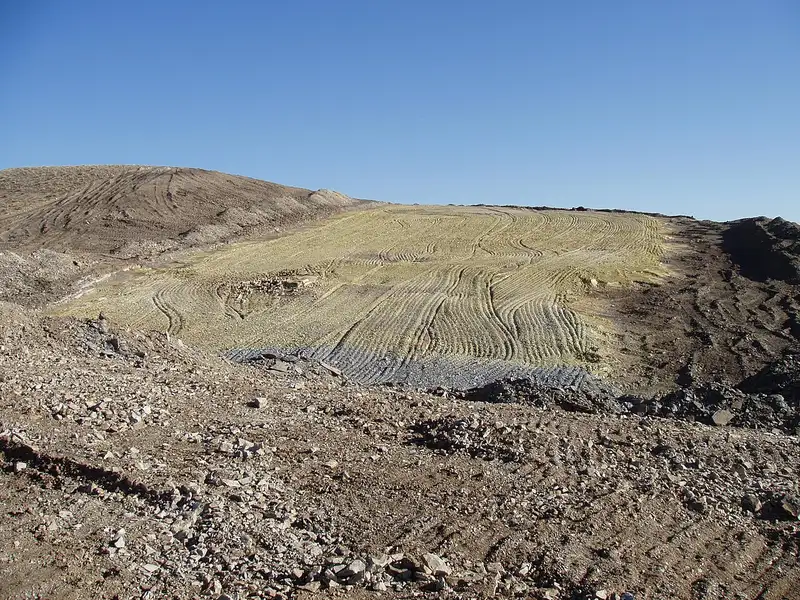
Most conventional litter is clay. The Wikipedia article on cat litter notes that the clay in these litters is commonly obtained from strip mines, and that some clumping clay litters contain crystalline silica dust. Clay does not break down, so every scoop goes to landfill. The same article puts the scale plainly: more than two million tons of cat litter end up in landfills in the United States each year. Source: Wikipedia, Cat litter.
Biodegradable litters take a different route. Wikipedia lists the plant resources they are made from, including pine wood pellets, recycled newspaper, clumping sawdust, cassava, pea husk, corn, wheat, walnuts, barley, soy pulp and dried orange peel. These materials are renewable, they break down, and many are by products of other industries such as milling or timber. If you are rethinking the rest of your cat's kit too, our guides to eco-friendly pet products and sustainable pet products cover toys, bowls and bedding.
Eco-friendly does not automatically mean better for your cat, though. A litter is only a success if your cat uses it every time, because a cat that starts going outside the box creates far more waste and stress than any litter saves.
Which Types of Eco-Friendly Cat Litter Are There?
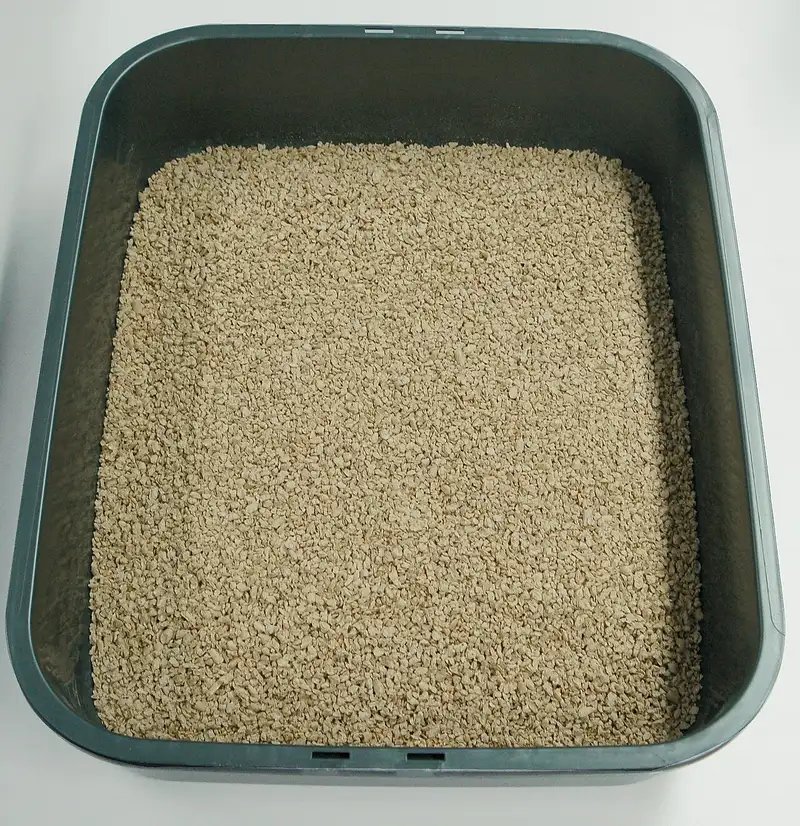
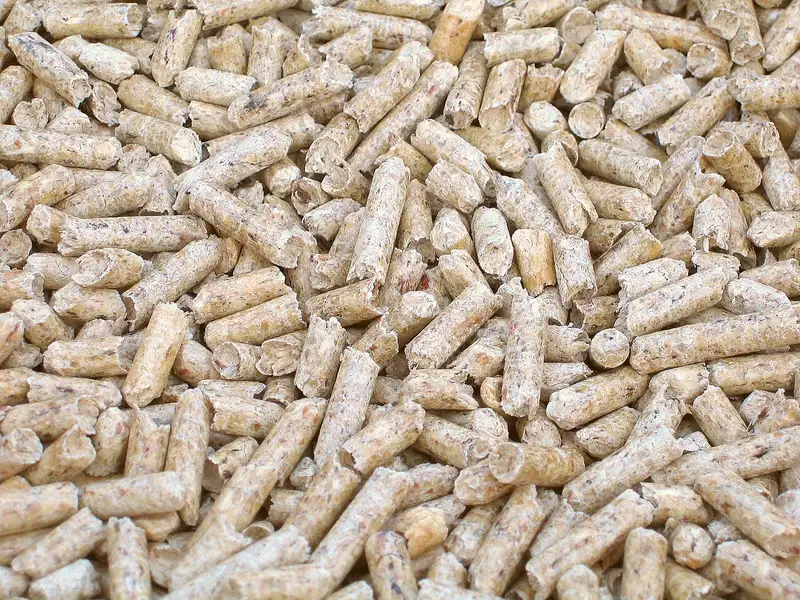
Answer: The main types are pine or wood pellets, recycled paper pellets, wheat, corn, walnut shell, grass seed and tofu or soy litters. Pellet litters are low dust and very absorbent but feel coarse. Granular plant litters such as wheat, corn, grass and tofu clump and feel closer to sand, which makes them easier for most cats to accept.
Plant based litters fall into two broad groups. Pellet litters, mostly pine and recycled paper, are compressed into firm cylinders that absorb urine and break down into sawdust or pulp. Granular litters, made from wheat, corn, grass seed, walnut shell or soy, are milled into small grains and usually clump like clay. The table below compares them on the points owners ask about most.
Silica crystal litter is sometimes marketed as green because it lasts a long time, but it is a manufactured mineral product that does not biodegrade, so it sits outside this list. If you prefer automation, check what litter a self cleaning box accepts before you buy; our guide to the electronic cat litter box covers that question.
Will Your Cat Accept a Plant Based Litter?
Answer: Usually, if the texture is right. International Cat Care says cats are likely to prefer a fine, sand like litter because their wild ancestor lived in the desert, that many prefer clumping litter, and that litter preferences form early in kittenhood. Fine clumping plant litters are the easiest switch; coarse pellets take longer.
Cats are particular about where they toilet. International Cat Care explains that the domestic cat's ancestor is a desert dwelling wildcat, so a fine, sand like litter is likely to be closest to what cats instinctively favor, and many cats also prefer clumping litter. It adds that litter preferences develop early in kittenhood, so a cat will be happiest if you stick with the material it became used to.
That explains why some switches go smoothly and others fail. A cat raised on fine clumping clay usually accepts a fine clumping wheat, corn, grass or tofu litter without fuss, because it feels similar. The same cat may refuse pine pellets, which are hard and roll under the paws. Kittens are the easiest to start on an eco-friendly litter, which is worth knowing when you are putting together a new kitten essentials list alongside a few toys for kittens.
Scent is the other trap. International Cat Care warns that cats can find scented litters overpowering, which may lead them to toilet elsewhere. Many plant litters smell of pine, grass or grain on their own; choose unscented versions where you can and let the natural material do the odor control.
How Do You Switch Your Cat to Eco-Friendly Litter?
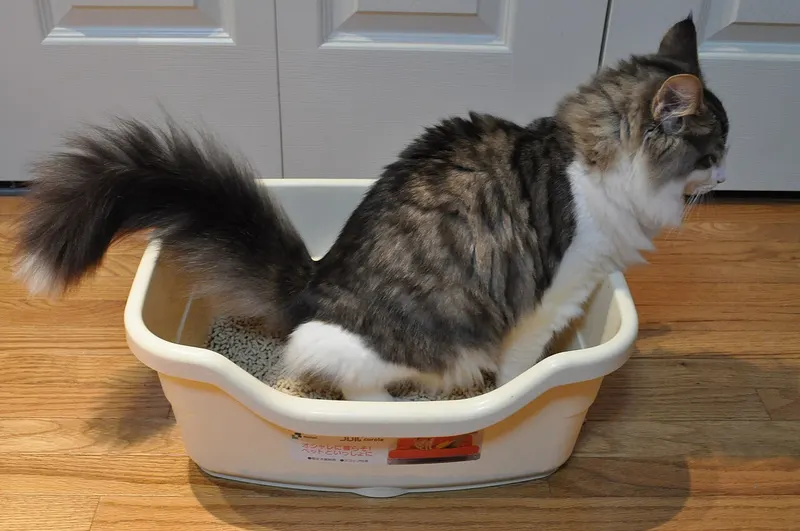
Answer: Switch gradually. Mix a small amount of the new litter into the old one, then increase the share every few days over roughly two weeks while you watch for any toileting outside the box. Keep the tray, its location and your cleaning routine the same, so the litter is the only thing that changes for your cat.
A gradual switch gives your cat time to accept a new texture and smell without deciding the box is no longer a safe place. A simple plan looks like this:
If your cat starts toileting outside the tray, go back a step and slow down. Offering two boxes side by side, one with the old litter and one with the new, also lets your cat choose; once the new box is used reliably you can retire the old one.
- Keep everything else the same. Same tray, same place, same cleaning routine.
- Use enough litter. A shallow layer of pellets gives little to dig in; follow the depth on the pack.
- Scoop often. International Cat Care notes that cats are less likely to use a tray that is already soiled.
- Add a mat. Pellet and grain litters can track; a litter mat for cats catches most of it.
Do Eco-Friendly Litters Control Odor as Well as Clay?
Answer: Many do, in different ways. Pine and other wood pellets absorb urine and have their own fresh smell, while clumping wheat, corn, walnut and tofu litters let you remove urine as a solid clump. International Cat Care notes that many sustainable litters have excellent odor neutralizing properties. Frequent scooping matters more than the litter itself.
Odor is the most common worry when owners move away from clay. International Cat Care lists paper, wood, silica, corn and other sustainable materials and notes that many are lightweight, biodegradable and have excellent odor neutralizing properties. In practice, odor control comes down to how the litter handles urine.
Wood pellets absorb urine into the fiber and swell into sawdust, and the natural smell of the wood masks a lot. They work best in a sifting tray, where the sawdust falls through and the dry pellets stay on top. Clumping plant litters trap urine in a ball you can scoop out completely, which is the closest experience to clumping clay. Paper absorbs well but does not hide smell on its own, so it needs scooping and changing more often.
Whatever you choose, the routine matters more than the brand. Scoop at least once a day, top up as needed, and wash the tray with mild, unscented soap when you change the litter completely. A cat that drinks well also produces more urine, so if you have added a cat water fountain, expect to scoop a little more often. If your cat's box smells strongly despite good cleaning, or your cat is urinating more than usual, ask your vet to check for a health problem.
Can You Flush or Compost Eco-Friendly Cat Litter?
Answer: Do not flush it, even if the bag says flushable. Wikipedia's article on Toxoplasma gondii states that cat feces should never be flushed down a toilet, and notes that runoff carrying cat feces moves the parasite into the ocean, where it can kill sea otters. Composting is possible, but keep that compost away from food crops.
Some plant litters are sold as flushable, and the idea is tempting. The bigger problem is not the litter but what is in it. The Wikipedia article on Toxoplasma gondii states that cat feces should never be flushed down a toilet, and cites an exhibit at the San Diego Natural History Museum explaining that urban runoff carrying cat feces moves the parasite into the ocean, where it can kill sea otters. Flushing can also block pipes and septic systems, and Wikipedia notes that manufacturers of clumping litters usually say not to flush them.
Composting is the other option many owners consider. Wikipedia's cat litter article notes that biodegradable litter can be composted at home. If you do it, use a separate bin just for litter, let it break down for a long time, and use the result only around ornamental plants, never on vegetables or fruit, because the parasites in cat feces are the same ones that make flushing a bad idea. For most owners the simplest route is to bag used litter and put it out with household waste.
One more safety point from the same source: pregnant women and people with weakened immune systems are at higher risk from toxoplasmosis and should not change litter boxes. If no one else can do it, wear gloves and wash your hands straight after. Source: Wikipedia, Toxoplasma gondii.
How Do You Choose the Right Eco-Friendly Litter for Your Home?
Answer: Start from your cat, then your home. If your cat is used to fine clumping clay, try a clumping wheat, corn, grass or tofu litter first. For low dust or after surgery, choose paper. For strong odor control in a multi cat home, try pine pellets in a sifting tray. Pick unscented and buy a small bag first.
There is no single best eco-friendly litter, but there is usually a best one for your situation. Use this as a starting point:
Wikipedia notes that some cats with asthma or sensitive noses may benefit from the lower dust of some biodegradable litters, and that biodegradable litter usually costs more than clay. Buying a small bag first protects you from a cupboard full of litter your cat refuses. If you are comparing mainstream options as well, our tidy cat litter guide covers how to choose among them.
Where the box sits matters too. A quiet spot away from food and water, with an easy way in and out, helps any litter work. If you want to hide the tray in a living area, our cat furniture guide includes litter box cabinets, and our indoor cat toys guide helps keep an indoor cat busy and relaxed, which also supports good litter habits.
What Do Cat Owners Ask Most About Eco-Friendly Litter?
Answer: Cat owners most often ask what the most eco-friendly litter is, whether cats accept plant litter, whether it can be flushed or composted, whether it controls smell, how long a switch takes, whether it is safe for kittens and whether it costs more. The short answers below cover each one, with the detail in the sections above.
What is the most eco-friendly cat litter?
Litters made from renewable or recycled plant material, such as pine, recycled paper, wheat, corn, walnut shell, grass seed or soy, are the most eco-friendly because they break down instead of sitting in landfill like clay.
Will my cat use plant based litter?
Most cats will if the texture is close to what they know. Fine clumping wheat, corn, grass or tofu litters feel like sand and are usually accepted easily; coarse pellets can take longer.
Can I flush eco-friendly cat litter?
No. Cat feces can carry Toxoplasma gondii, and runoff carrying cat feces has been linked to the parasite reaching the ocean and killing sea otters. Bag used litter and put it out with household waste instead.
Can I compost used cat litter?
Biodegradable litter can be composted at home in a dedicated bin, but use the compost only on ornamental plants, never on food crops, because of the parasites in cat feces.
Does eco-friendly litter control smell?
Many types do. Pine pellets absorb urine and mask odor, and clumping plant litters let you scoop urine out completely. Daily scooping matters more than the litter type.
How long does it take to switch litter?
Plan on about two weeks. Mix the new litter into the old in increasing amounts and slow down if your cat starts toileting outside the box.
Is eco-friendly litter safe for kittens?
Yes, and kittens are the easiest to start on it because litter preferences form early. Choose an unscented, low dust litter and supervise very young kittens who may taste it.
Is eco-friendly litter more expensive than clay?
Usually it costs more per bag, but many plant litters are lighter and need less frequent full changes, so the real cost depends on how much your cat uses.
Sources
- International Cat Care: Choosing a litter tray for your cat
- Wikipedia: Cat litter
- Wikipedia: Toxoplasma gondii
Make the litter corner easier
Browse our cat accessories, from litter mats to cozy beds and fountains.
Shop cat accessories