If you are looking for the best tidy cat litter, this comprehensive guide covers everything you need to know. Whether you are a first-time pet owner or an experienced one looking to upgrade, you will find practical advice, safety tips, and honest comparisons below.
Tidy Cat Litter: The Quick Answer
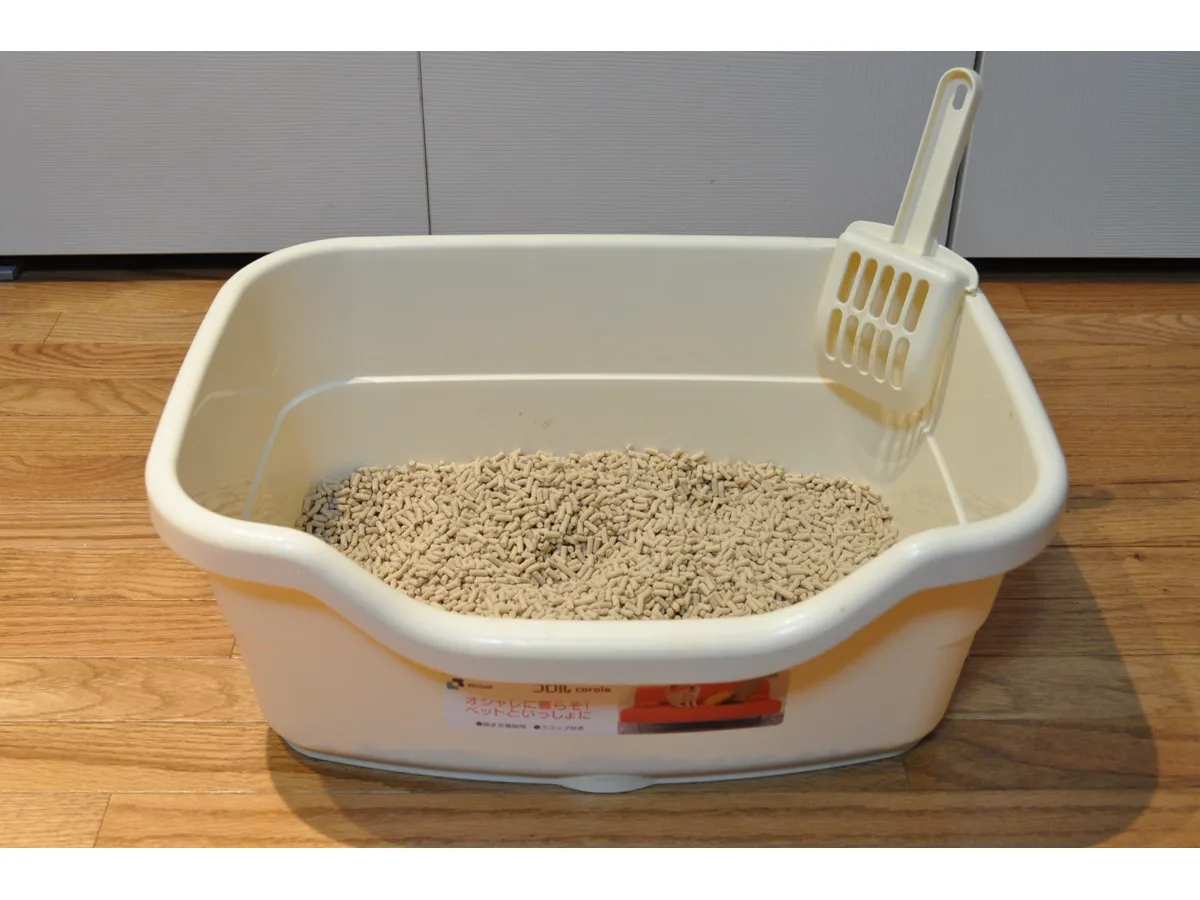
Tidy Cats is a Purina litter brand with several formulas, including clumping clay, non-clumping clay, lightweight options, unscented products, and lines designed around odor control or tracking. The best choice is not automatically the strongest fragrance or the product with the boldest odor claim. Start with what your cat already accepts, then match the litter texture, scent level, dust, and maintenance routine to your household.
For most cats, a fine, sand-like texture with little or no added fragrance is a sensible starting point. Clumping litter is convenient when you want to remove urine and solid waste every day without replacing the entire box. Non-clumping litter can work well when your cat prefers its texture or when the care instructions for that formula fit your routine. If your cat suddenly stops using the box, treat that as a behavior or health concern rather than simply changing brands.
This guide uses Tidy Cat litter as the search topic, but it is not an official Purina buying guide. For current formula options, compare the official Tidy Cats litter selector and read the current package label before buying. Product formulas and names can change, so follow the instructions for the exact bag you choose. The goal is to help you compare practical features while keeping your cat comfortable and the litter area clean.
Which Tidy Cat Litter Type Should You Choose?
Clumping clay forms a removable clump around urine. That makes daily scooping straightforward and helps you see whether the box is being used normally. It usually works best for households that can scoop consistently and keep enough litter in the tray for firm clumps. Pouring in too little litter can make clumps stick to the bottom, while excessive depth can increase tracking and make the box harder for some cats to enter.
Cat parents might also find our fish cat toy guide helpful.
Non-clumping clay absorbs moisture without forming a scoopable urine clump. You remove solid waste, stir or refresh the litter as directed, and replace the contents on the schedule shown on the package. This can be a reasonable option for a cat that dislikes the feel of clumping granules, but it demands attention because moisture may be harder to remove in small sections. Do not assume that one maintenance schedule applies to every formula.
Lightweight litter is easier to carry and pour, but a lighter bag does not tell you how your cat will respond to the texture or how much dust will be released during use. Unscented litter can be useful for scent-sensitive cats and for owners who prefer to control odor through cleaning rather than perfume. Scented formulas may suit some homes, but a strong fragrance can make a box less appealing to a cat that is sensitive to smells.
Pellet and alternative-material litters have different textures and absorption behavior from clay. If you switch from a fine clay product to pellets, make the change gradually by offering separate boxes or mixing small amounts over time. A cat that refuses the new texture may choose a carpet instead, so acceptance should be measured by actual box use rather than by a human preference for the ingredient list.
Let Your Cat's Preference Guide the Choice
Cats can be particular about litter texture, smell, box depth, and location. A product that seems excellent to a person can still be rejected if it feels rough under the paws or has a smell the cat dislikes. Watch what happens after a change: does your cat enter easily, dig, eliminate, cover waste, and leave without hesitation? Those everyday behaviors are more useful than a marketing label.
When trying a new Tidy Cat litter formula, keep one familiar box unchanged if your space allows. Put the new formula in a second clean box and observe use over several days. This side-by-side test gives your cat a real choice and prevents a complete litter change from becoming an emergency. If you have only one box, change gradually and keep the litter area especially clean during the transition.
Avoid changing several variables at once. If you replace the box, move it, add a cover, and switch litter on the same day, you will not know which change caused a problem. Introduce one adjustment at a time, record the formula and date, and return to the previous setup if box use declines. A slow, evidence-based change is kinder than repeatedly trying new products.
Pair Tidy Cat Litter With the Right Litter Box
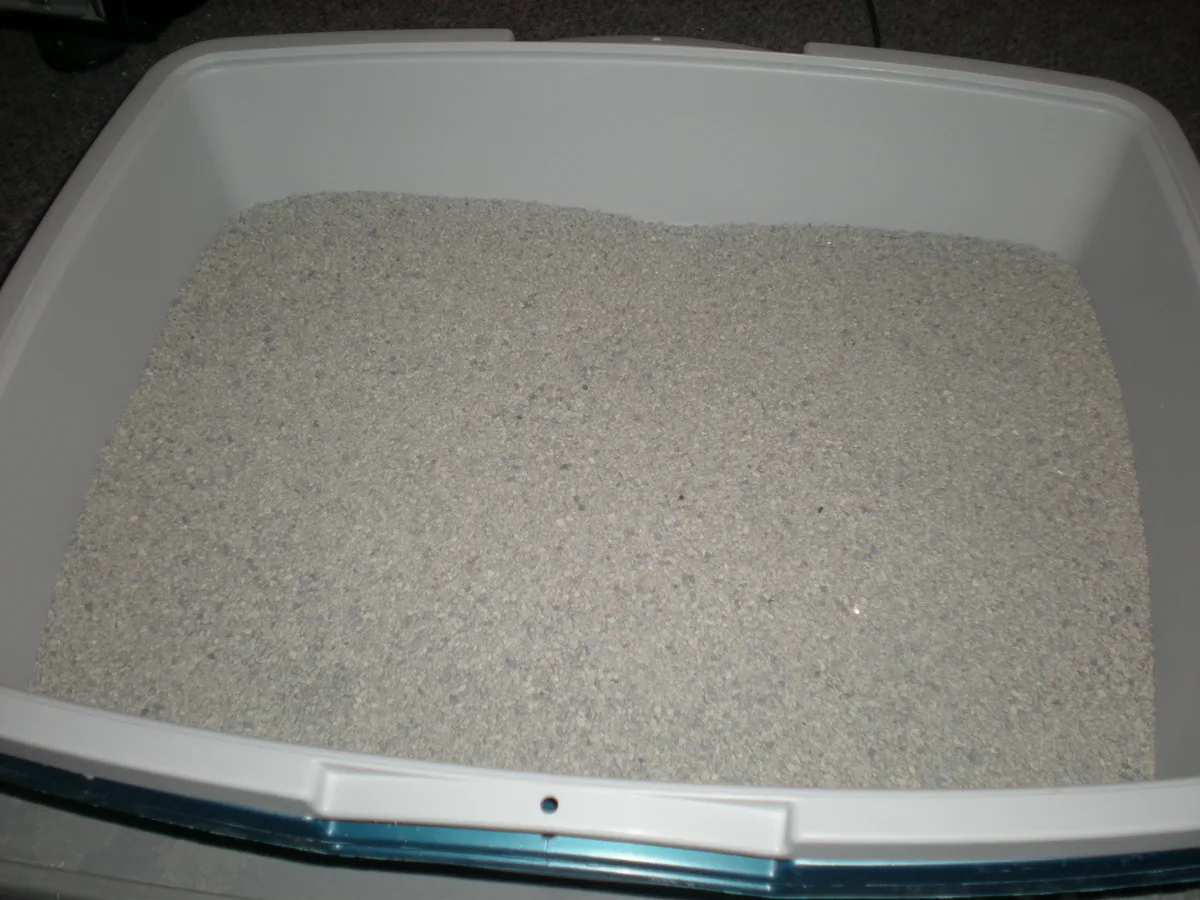
The litter itself cannot compensate for a box that is too small. Your cat should be able to enter, turn around, dig, squat, and leave without pressing against the sides. Larger cats often need a larger tray than the standard package suggests, while kittens and senior cats may need a low entry. Measure the usable inside area, not just the outside edge of a thick plastic box. The Purina litter box guide also recommends choosing a box that lets your cat turn around and enter and exit comfortably.
For more feline-friendly picks, browse our interactive puzzle toys for cats roundup.
Open boxes are easier for many cats to access and make it easier for owners to see when scooping is needed. Covered boxes can contain some visible litter and odor, but the door or flap may feel restrictive, and a small covered interior can trap smells. International Cat Care's litter tray guidance advises owners to consider a cat's preference when choosing between open and covered trays, so test rather than assuming one style is best.
Place the box in a quiet, accessible area away from food and water. Avoid a location where a washing machine, busy doorway, or another pet can startle the cat. In a multi-level home, provide access on each level when practical. The best litter routine fails if the cat must cross a frightening or blocked route to reach the tray.
Control Odor and Tracking Without Overusing Fragrance
Odor control starts with removing waste, not masking it. Purina's Tidy Cats litter box guidance recommends scooping clumps daily, and many homes need more frequent attention when several cats share boxes. Remove solid waste promptly, keep the litter at the depth stated on the label, and top up only with the amount needed to maintain a usable surface.
Tracking is affected by granule size, litter depth, the box entrance, and what happens immediately outside the tray. A washable mat can catch stray granules, but it should not have a texture that bothers your cat or make the entrance slippery. Place the mat flat, sweep it regularly, and avoid scattering extra litter outside the box as an improvised solution.
If odor remains after consistent scooping, inspect the box itself. Urine residue can collect in scratches and seams, while a covered box may hold odor in a small space. Empty and wash the tray according to the litter and box manufacturer's guidance, rinse away cleaner residue, and let it dry completely before refilling. Avoid harsh or heavily scented cleaners that leave a smell your cat may reject.
How to Switch to a New Tidy Cat Litter Formula
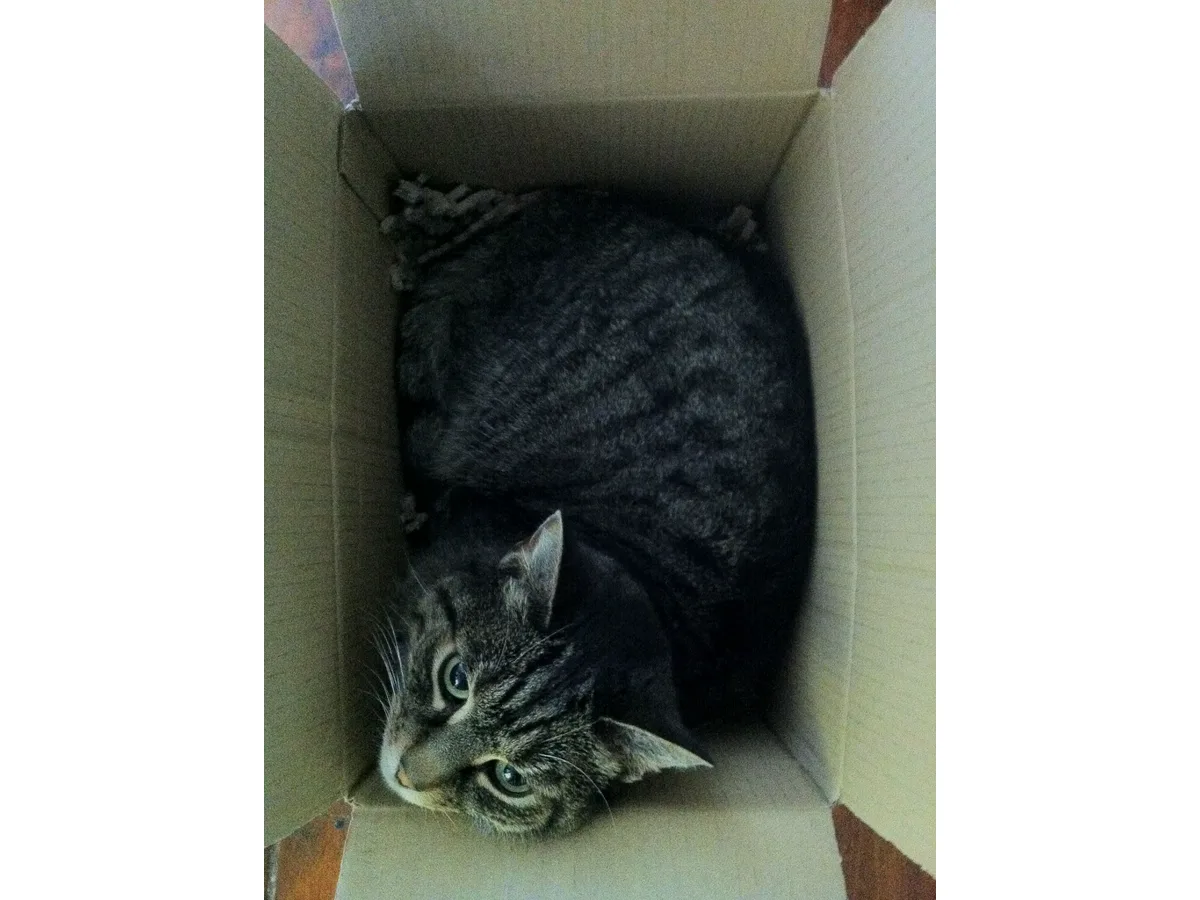
A gradual transition is usually easier than replacing all the litter at once. Start with a small amount of the new formula mixed into the familiar litter, then increase it over several days if your cat continues to use the box normally. The exact pace depends on your cat's sensitivity. A cautious cat may need longer, while a cat that accepts changes readily may move faster.
If your cat needs variety, our water fountain for a cat guide has great suggestions.
Keep the box clean during the transition, but do not use the change as a reason to introduce a new location or cover. If your cat starts avoiding the box, pause the transition and restore the last combination that worked. Offer a second box with the familiar litter if possible. Never punish accidents, because punishment can increase fear and make box avoidance harder to resolve.
A change in elimination pattern deserves attention. Straining, frequent unsuccessful trips, blood, diarrhea, constipation, crying, or sudden house soiling can indicate a medical problem. Contact a veterinarian promptly when those signs appear. Litter experimentation is not a substitute for medical evaluation.
Tidy Cat Litter for Homes With Multiple Cats
In a multi-cat home, the number and placement of boxes can matter more than the brand name on the bag. A widely used guideline is one litter box per cat plus one extra, placed so one cat cannot block access to every tray. Spread boxes through the home instead of putting them all in one crowded room, and give shy cats an escape route.
Use observation to identify conflict. A cat may wait outside a box, avoid a room, or rush away because another cat is guarding the route. Adding a box in a quieter location can solve a problem that changing litter cannot. Clean every box on the same general schedule, but pay attention to which boxes receive the most use and whether one needs more frequent scooping.
If one cat prefers a different texture, it can be practical to keep separate formulas in separate boxes. This may require more cleaning, but it gives each cat a reliable option. Do not force every cat to use one formula for convenience if the result is stress, accidents, or competition.
Tidy Cat Litter Buying Checklist
Before buying, identify the problem you are trying to solve. If the issue is carrying heavy bags, compare a lightweight formula with the texture your cat already accepts. If the issue is daily odor, first improve scooping and box placement. If your cat refuses a scented product, try unscented litter rather than adding air freshener near the box.
Read the current package for the formula name, material, fragrance, dust guidance, disposal instructions, and recommended transition steps. Product names can look similar while offering different performance characteristics. Check the bag size and calculate the cost per usable amount instead of comparing only the shelf price. Store unused litter in a dry, sealed place so moisture does not change its performance.
The right Tidy Cat litter is the formula your cat will use consistently and that you can maintain properly. A clean, accessible box with a comfortable texture usually matters more than a complicated odor promise. Keep a simple note of the formula, box location, cleaning schedule, and your cat's response so the next change is based on evidence.
If you want to dig deeper into the research, the ASPCA cat care library publishes practical, expert-reviewed resources for pet owners.
Frequently Asked Questions
What is the best Tidy Cat litter for most cats?
There is no single best formula for every cat. A fine-textured, low-fragrance or unscented clumping litter is a practical starting point for many households because daily waste removal is convenient, but your cat's actual acceptance should decide the final choice.
Is Tidy Cat litter safe for cats?
Follow the current product label and monitor your cat's response to any litter. Keep the box clean, provide ventilation, and ask a veterinarian about sudden avoidance or respiratory concerns. Do not rely on a brand name alone to answer a health question.
How often should I scoop Tidy Cat litter?
Scoop clumps and solid waste at least daily, and more often when several cats use the same box. Purina's Tidy Cats guidance also recommends regular complete changes and washing, with the exact schedule depending on the formula and household use.
Is unscented Tidy Cat litter better for cats?
Unscented litter can be a good option for cats that dislike strong smells, but preference varies. If a scented formula is already working and your cat uses the box normally, change gradually rather than switching abruptly.
Can I mix two Tidy Cat litter formulas?
You can use a gradual mix when transitioning if both products are compatible with your cat and their package directions. Start with a small proportion of the new litter, observe box use, and slow down or stop if your cat begins avoiding the tray.
How much Tidy Cat litter should I put in the box?
Use the depth stated on the current package and adjust only when your cat's behavior shows a clear preference. Too little litter can make clumps stick, while too much can increase tracking or make entry uncomfortable for some cats.
What should I do if my cat stops using the litter box?
Keep the area calm, offer a clean familiar box, and do not punish accidents. If the change is sudden or comes with straining, frequent trips, blood, pain, or other unusual signs, contact a veterinarian promptly because medical causes are possible.