Top photo: a dog working on a chew on the carpet while a rubber squeaky toy waits nearby. Photo: Tony Alter / Wikimedia Commons, CC BY 2.0 (cropped, resized and converted to WebP).
If you are looking for the best dog toys, this comprehensive guide covers everything you need to know. Whether you are a first-time pet owner or an experienced one looking to upgrade, you will find practical advice, safety tips, and honest comparisons below.
Why Does Choosing the Right Dog Toys Matter?
Dogs are naturally active animals that need consistent mental and physical stimulation to stay healthy. Without appropriate toys, many dogs develop destructive behaviors like chewing furniture, digging holes in the yard, or excessive barking. The right dog toys can channel that energy into positive play and enrichment. For background context, see the reference at PetMD.
Beyond simple entertainment, quality dog toys support dental health by cleaning teeth during chewing sessions. They strengthen jaw muscles, reduce plaque buildup, and satisfy your dog's instinctive need to gnaw. Interactive toys also build problem-solving skills that keep your dog's mind sharp well into their senior years.
Investing in the right products also strengthens the bond between you and your pet. Tug toys, fetch toys, and puzzle feeders create shared play experiences that deepen trust and communication.
Which Types of Dog Toys Are There, and When Should You Use Each?
Chew toys are the foundation of any dog toy collection. Made from rubber, nylon, or natural materials, they satisfy your dog's chewing instinct while protecting your belongings. Heavy-duty rubber toys like KONGs work well for power chewers, while softer options suit gentle dogs who prefer comfort over destruction.
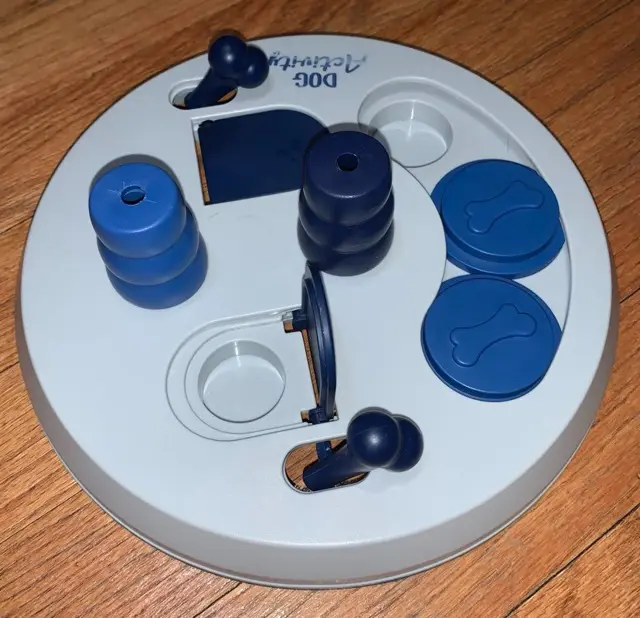
Puzzle and interactive toys challenge your dog's brain. Treat-dispensing balls, snuffle mats, and sliding puzzle boards require your dog to work for their reward. These toys are especially valuable during alone time because they keep dogs focused and reduce boredom-related behaviors. Start with easier puzzles and gradually increase difficulty as your dog learns.
Fetch and tug toys encourage active play and exercise. Tennis balls, frisbees, and rope toys get your dog moving, which is critical for maintaining healthy weight and cardiovascular fitness. Tug-of-war toys also teach impulse control when you incorporate "drop it" commands into the game.
Plush and comfort toys serve a different purpose entirely. Many dogs carry soft toys around, cuddle with them during rest, or use them as comfort objects during stressful situations like thunderstorms. While not suitable for aggressive chewers, plush toys provide genuine emotional comfort for the right dog.
How Do You Check That Dog Toys Are Safe?
Size is the single most important safety factor when selecting toys. A toy that is too small poses a choking hazard, while an oversized toy may frustrate your dog and discourage play. As a general rule, the toy should be large enough that your dog cannot fit the entire thing in their mouth, but small enough to carry comfortably.
Material safety requires careful attention. Look for toys labeled non-toxic, BPA-free, and phthalate-free. Avoid toys with small parts that can be chewed off and swallowed, including plastic eyes on stuffed animals, button noses, or ribbon decorations. Natural rubber and food-grade silicone are among the safest materials available.
Regular inspection prevents accidents. Check toys weekly for cracks, tears, loose stuffing, or sharp edges. Replace any toy that shows signs of significant wear. If you notice a toy starting to break apart, remove it from rotation. Swallowed fragments can occasionally cause digestive issues, so consult your veterinarian if your pet ingests pieces of a damaged toy.
Which Dog Toys Suit Puppies, Adults and Seniors?
Puppies under six months need soft, flexible toys that soothe their teething gums without damaging developing teeth. Frozen rubber toys provide cooling relief during teething phases. Avoid hard nylon bones and antlers for puppies because their teeth are not strong enough to handle these materials safely.
You might also enjoy our recommendations for benefits of puzzle toys for dogs.
Adult dogs between one and seven years typically have the strongest jaws and highest energy levels. This is when durable rubber toys, heavy-duty rope toys, and challenging puzzle feeders become most appropriate. Match toy durability to your dog's chewing intensity. A gentle adult Cavalier King Charles Spaniel needs very different toys than a powerful adult Pit Bull.
Senior dogs over seven years often experience dental sensitivity, reduced mobility, and lower energy. Switch to softer materials, lighter weight toys, and puzzles that do not require excessive jaw pressure. Elevated puzzle feeders can help seniors with arthritis who struggle to reach ground-level toys. Keep play sessions shorter but more frequent to accommodate their changing stamina.
How Do You Get the Most Enrichment From Dog Toys?
Toy rotation is the simplest way to keep your dog engaged without buying new toys constantly. Keep a few toys out at a time and swap them every couple of days, which is what the ASPCA suggests for chew toys. When a toy reappears after several days in storage, your dog treats it with the same excitement as a brand new purchase. This approach is both budget-friendly and highly effective.
Combine toys with food for enhanced engagement. Stuff a KONG with peanut butter and freeze it overnight for a long-lasting challenge. Hide kibble inside puzzle toys instead of using a regular food bowl. Scatter treats across a snuffle mat for a nose-work exercise that tires your dog mentally. Humane World for Animals notes that Kong-type toys filled with broken-up treats can keep a dog busy for hours, and that any peanut butter you use must not be sweetened with xylitol, which is toxic to dogs.
Schedule dedicated play sessions rather than relying on toys as passive entertainment. Short, regular play sessions with you usually do more than a pile of toys left on the floor. Morning play before you leave for work helps reduce separation-related behaviors, while evening play promotes better sleep.
What Mistakes Do Owners Make With Dog Toys?
Buying toys based on appearance rather than function is the most frequent error. A cute plush toy shaped like a taco might look adorable on Instagram, but if your dog is a power chewer, it will be destroyed within minutes and the stuffing could become a health hazard. Always prioritize durability and safety over aesthetics.
Giving too many toys at once overwhelms dogs and reduces engagement with all of them. Many dogs lose interest in toys that are always lying around, so a smaller, rotating set tends to hold attention better.
Neglecting to supervise initial play sessions with new toys creates unnecessary risk. Every dog interacts with toys differently, and you cannot predict how yours will respond to an unfamiliar product. Watch your dog closely during the first few play sessions with any new toy, paying attention to whether they try to tear it apart, swallow pieces, or show frustration.
How Do You Get Good Value When Buying Dog Toys?
Price does not always correlate with quality in the pet toy market. Some of the most durable and engaging toys cost under $15, while expensive designer toys may fall apart after a single play session. Read reviews from owners with dogs similar to yours in size and chewing style before committing to a purchase.
Multi-purpose toys deliver the best return on investment. A durable rubber toy that can be stuffed with treats, used for fetch, and serves as a chew toy replaces three separate products. Look for toys with multiple use cases rather than single-purpose items that require you to buy a larger collection.
Free shipping offers real savings on pet supplies. Heavy or bulky items like rope toys and rubber chews can carry significant shipping costs.
How should you shortlist dog toys?
We do not run a product testing lab, so this guide does not rank individual products. Instead, use the three groups that Humane World for Animals uses for dog toys, and make sure your dog has at least one from each:
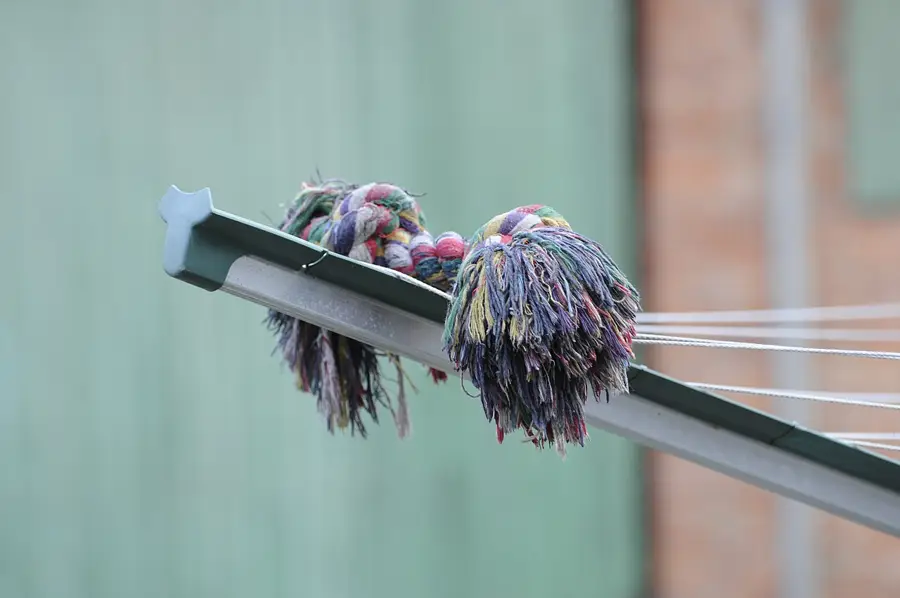
- Active toys for chewing, carrying, tug and fetch: hard rubber Kong-type toys, rope and woven toys, and balls. Humane World notes that tennis balls are fine for fetch but do not stand up to chewing, so throw out any that have been chewed through.
- Distraction toys that hold food, such as stuffable rubber toys and treat-dispensing feeders. These suit dogs that eat too fast or need something to do while you are busy.
- Comfort toys such as soft stuffed toys for dogs that like to carry a companion. Pick one large enough that it cannot be swallowed by accident.
Then run every chew toy through the fingernail test: Cornell's Dr. Brian Collins says a suitable chew toy should bend and be dented by a fingernail, and he discourages bones, antlers and hooves (Cornell University College of Veterinary Medicine). If you want a ready-made shortlist by toy type, our best dog toys 2026 guide covers that, and the Livehappypet dog shop groups toys the same way.
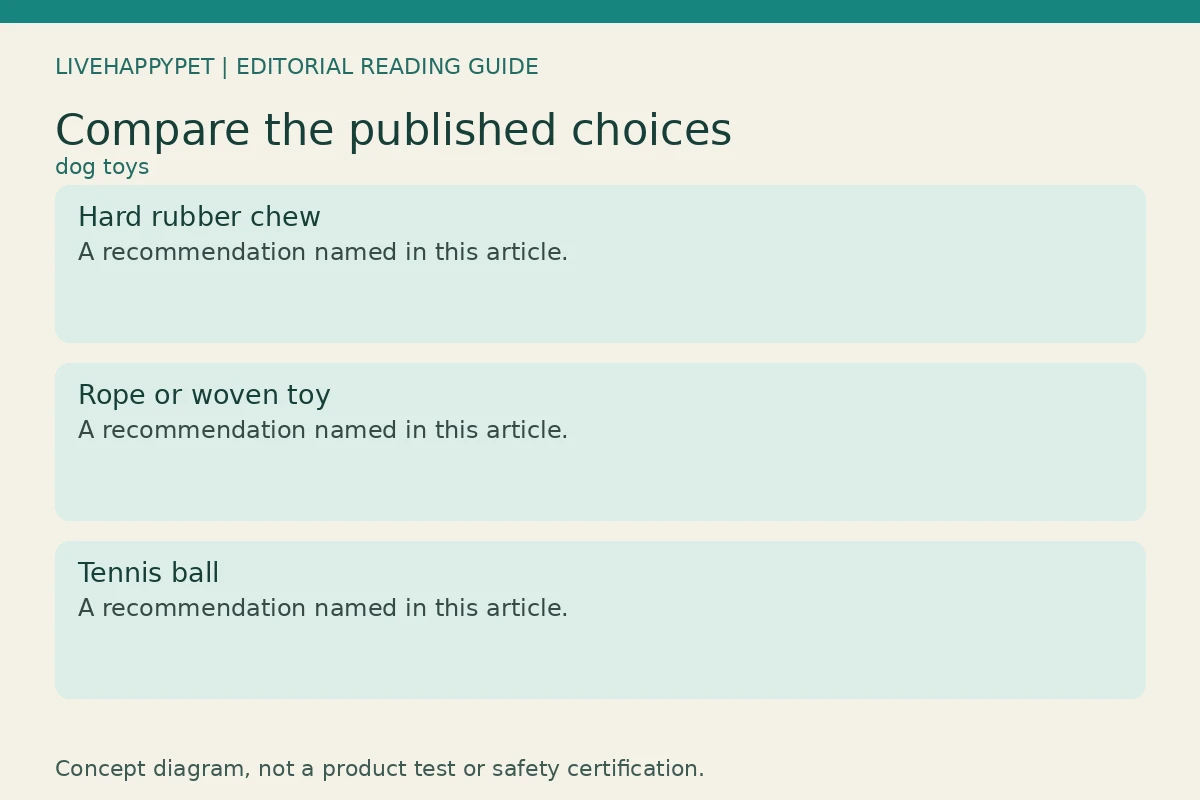
Dog toys: types compared
This table summarises the guidance from Humane World for Animals, VCA Animal Hospitals and Cornell cited in this article.
| Toy type | Good for | Watch out for |
|---|---|---|
| Hard rubber chew | Chewing and carrying | Must still bend and dent under a fingernail; size too big to swallow |
| Rope or woven toy | Tug and texture chewing | Retire it once the rope is frayed |
| Tennis ball | Fetch | Not a chew toy; the scratchy surface can wear teeth down |
| Food-holding toy | Alone time, fast eaters | No xylitol in peanut butter |
| Soft stuffed toy | Dogs that carry a companion | Squeakers, eyes and ribbons that can be chewed off; supervise |
| Bones, antlers, hooves | Not recommended | Cornell's Dr. Collins discourages them |
If you would rather start from a short list than a full catalogue, our best dog toys 2026 guide narrows the choice to six toy types with a safety check for each. When the weather turns hot, the floating and frozen options in our summer dog toys guide are the ones to reach for.
Conclusion
Picking the right option for your dog is less about finding a single "best" product and more about matching the choice to your dog's size, age, play style, and your home environment. The recommendations above cover the main scenarios most pet owners run into, so use them as a checklist when comparing options.
Start with one or two changes, watch how your dog responds for a week or two, then iterate. Pets show you very quickly what works for them. If a toy, feeder, or routine is ignored or causes stress, swap it out without hesitation. The goal is a happier, healthier dog every day.
Organizations like the VCA Animal Hospitals pet health library also offer trusted, science-backed advice that is well worth bookmarking.
Frequently Asked Questions
What are the safest dog toys?
The safest dog toys are made from natural rubber or food-grade silicone, are appropriately sized for your dog's breed, and have no small parts that can be chewed off. Always choose toys that are too large to swallow and check them regularly for wear. Avoid toys with small detachable parts, and supervise your dog during the first few play sessions with any new toy.
How often should I replace my dog's toys?
Inspect toys weekly and replace them when you notice cracks, tears, missing pieces, or significant wear. A good rule: if you can see stuffing, break off pieces, or the toy has developed sharp edges, it is time for a replacement.
How many toys does a dog need?
There is no fixed number. Keeping a few toys out and rotating the rest every couple of days, as the ASPCA suggests for chew toys, keeps them interesting. Include at least one chew toy, one interactive or puzzle toy, and one comfort or fetch toy in each rotation to cover different enrichment needs.
Are squeaky toys bad for dogs?
Squeaky toys are not inherently bad, but they require appropriate supervision. The squeaker mechanism inside can be a choking hazard if your dog manages to extract it. Choose squeaky toys with reinforced stitching and deeply embedded squeakers. Remove the toy immediately if your dog starts tearing it apart to reach the squeaker inside.
Can dog toys help with anxiety?
Yes, certain dog toys are specifically designed to help with anxiety. Treat-dispensing toys provide calming distraction through licking and chewing. Heartbeat plush toys simulate companion presence. Snuffle mats engage the nose-work instinct that naturally reduces stress. For moderate to severe anxiety, combine toys with professional behavioral support.
What toys are best for aggressive chewers?
Heavy-duty natural rubber toys rated for "power chewers" are the best option for aggressive chewers. Look for solid rubber construction without hollow centers that can be compressed and cracked. Avoid antlers and hard nylon bones if your dog has damaged teeth or is a puppy.
Should I let my dog play with tennis balls?
Tennis balls are generally safe for supervised fetch but should not be used as chew toys. The fuzzy exterior acts like sandpaper on tooth enamel during extended chewing sessions, wearing down teeth over time. The ball itself can also compress in a large dog's jaws and become a choking hazard. Use tennis balls for fetch only, and switch to rubber balls for chewing.