Dog couches are sofa-style beds that give a dog a defined place to rest while keeping the room more orderly. The useful question is not whether a dog couch looks like furniture, but whether the frame, cushion, cover and access suit the dog that will use it.
This guide compares support, washable fabrics, sizing and placement so a dog couch remains comfortable, stable and practical to clean.
Why Choose a Dog Couch Instead of a Flat Bed
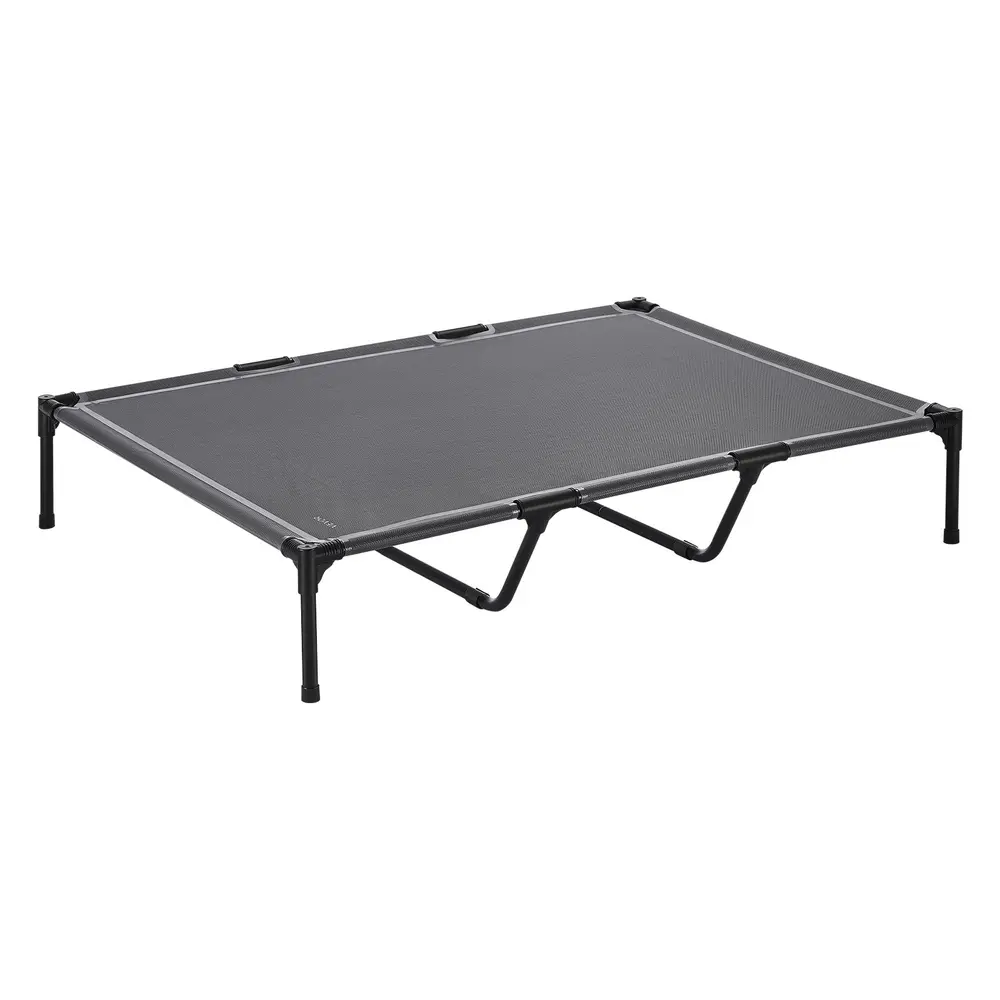
Dog couches can create a raised edge that helps a dog settle and keeps bedding from spreading across the floor. These couches should support the body without forcing a large dog to curl tightly, and the sleeping surface should remain wide enough for a full stretch.
The sofa shape of dog couches also protects a human couch from hair and muddy paws, but only when the dog couch has a removable cover and a stable base. Decorative upholstery on these couches that cannot be washed is a poor trade for everyday use.
Support and Size Matter More Than the Sofa Shape
Measure the dog's nose to tail base while relaxed, then add room for turning and stretching. Dog couches that are too short make an adult dog sleep with its spine bent, while a couch that is too high can be awkward for a puppy or an arthritic dog. Check the couches by measuring their inside surface.
For more expert recommendations, check out our dog bed guide.
Look for a level cushion, firm but yielding support and an entry height the dog can use without jumping. Senior dogs often need a low front edge or a ramp rather than a tall decorative arm on dog couches. Low couches are easier to enter.
Washable Covers and Daily Cleaning
A removable cover is the feature that makes dog couches practical. Check the washing instructions, zip quality and whether the cushion can be dried completely. Keep a spare cover in rotation so the dog is not left without a familiar resting surface. Washable couches are easier to maintain.
Vacuum seams and underneath the cushion regularly. Retire a cover when loose threads, broken zips or exposed filling create a chewing or swallowing risk. A waterproof liner can protect dog couches and couches generally, but should not trap dampness against the dog.
Dog Couch Safety and Room Placement
Place dog couches on a level floor away from heaters, open flames and unstable furniture. The base should not slide when the dog stands up. Keep enough clearance for the dog to leave the couch and choose a cooler floor or another bed. Stable couches are safer.
You might also find our orthopedic dog bed article helpful when shopping.
Inspect the frame, legs, piping and filling every week. Do not allow a dog to chew foam or wooden parts. If the dog guards dog couches, add a separate rest area and manage access rather than forcing a confrontation. Never leave damaged couches in use.
Which Dogs Benefit From Dog Couches
Dog couches can suit dogs that like a boundary around their bed, dogs that rest beside people and households that need a defined washable place for shedding. They can also help a dog move from a human sofa to its own space when the transition is gradual. Compare couches by the dog's habits.
Dog couches are not automatically right for every dog. Puppies that chew furniture, dogs that overheat in deep cushions and dogs with mobility problems may need a simpler low-entry bed. Choose the sleeping surface for the individual dog, not for the room photograph. Low couches can help, but only when the dog can enter safely.
If you want to dig deeper into the research, read the American Kennel Club's guide to choosing the right dog bed and VCA Animal Hospitals' mobility-compromised dog guidance before making a decision for a dog with special needs.
How to Compare Dog Couches Before Buying
Start with the part your dog actually touches: the sleeping surface. Measure the usable cushion from inside edge to inside edge, then compare that measurement with your dog's relaxed length. A sofa arm can make a product look generous while leaving less room than expected. If your dog sleeps stretched out, allow extra length. If your dog curls tightly, prioritize a supportive center and enough width to turn without pressing against the bolsters.
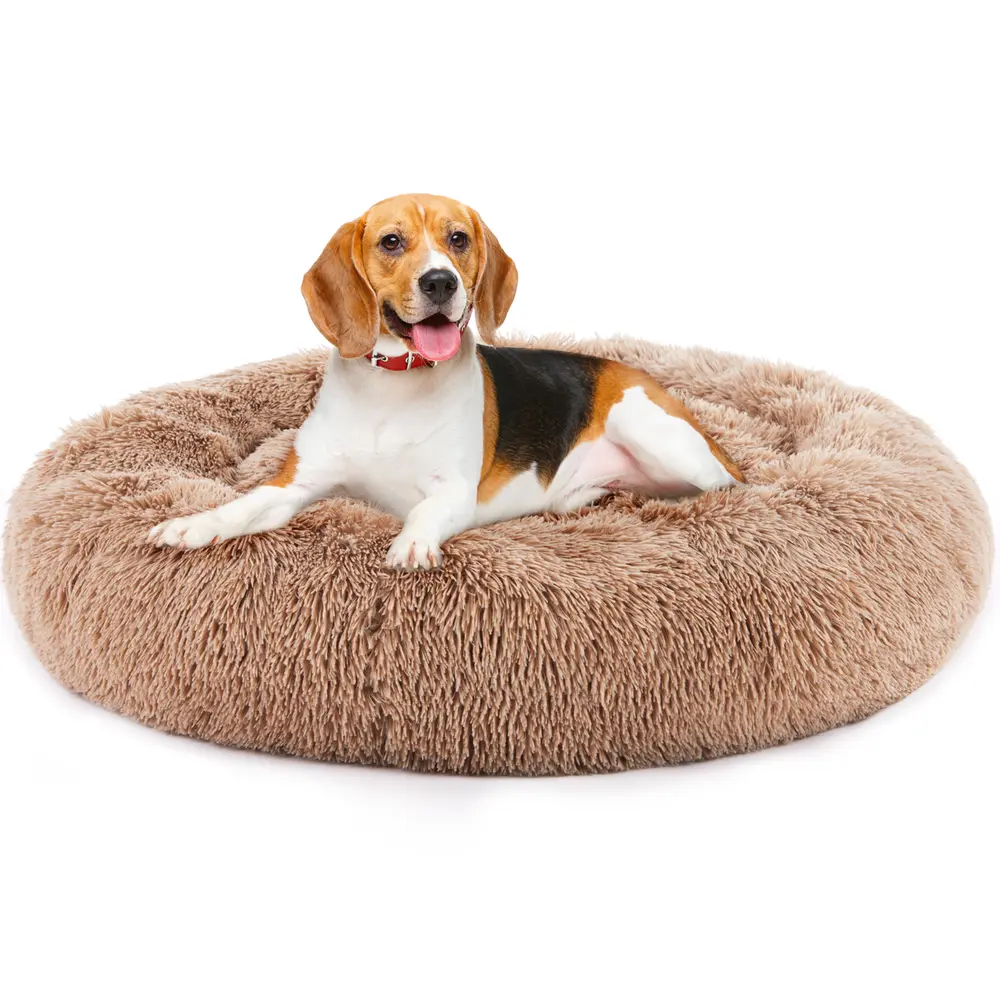
Check the cushion and the entry point
Press the cushion through its cover and look for even support rather than a deep hollow. Dogs that sleep on their sides need enough padding beneath the shoulders and hips, while smaller dogs may prefer a softer surface that lets them nest. A cushion that collapses to the floor can make the couch uncomfortable and harder to stand from. For senior dogs, a low front entry is more useful than tall arms. If the couch requires a jump, pair it with a stable ramp or choose a lower bed. Our guides to washable dog beds and elevated dog beds can help you compare those alternatives.
Inspect the cover, base and hidden seams
Look for a cover that can be removed without dismantling the entire bed. A strong zipper, reinforced seams and a fabric that tolerates regular vacuuming matter more than a decorative texture. Check the underside for a non-slip panel or feet that keep the couch stable on wood and tile floors. If the product has a frame, inspect whether the dog can reach exposed staples, thin piping or loose fasteners. These details are easy to miss in a product photo, so read the care and construction information before ordering.
Make a simple comparison list with five columns: usable sleeping area, entry height, cover care, base stability and replacement options. Score each dog couch against the same list instead of comparing only its color or room style. A couch that costs more but has a washable spare cover and a stable base may be easier to own over time than a cheaper design that needs replacing after one accident.
For households that prefer a simpler sleeping surface, compare the construction and access in our pet bed comparison before choosing a sofa-style design.
Choose a Dog Couch for Your Dog's Routine
The best dog couches match the dog's daily routine. A dog that naps near the family may use a compact couch in the living room, while a dog that sleeps for long periods needs a larger surface in a quiet location. Watch where your dog already chooses to rest. If boredom shows up as pacing or destructive chewing, pair the rest area with age-appropriate boredom signs guidance and safe enrichment toys, rather than expecting a bed to solve every behavior. A warm corner may call for breathable fabric, while a drafty floor may benefit from a slightly raised base. The room should also leave a clear path so the dog can approach, turn and leave without bumping into a table.
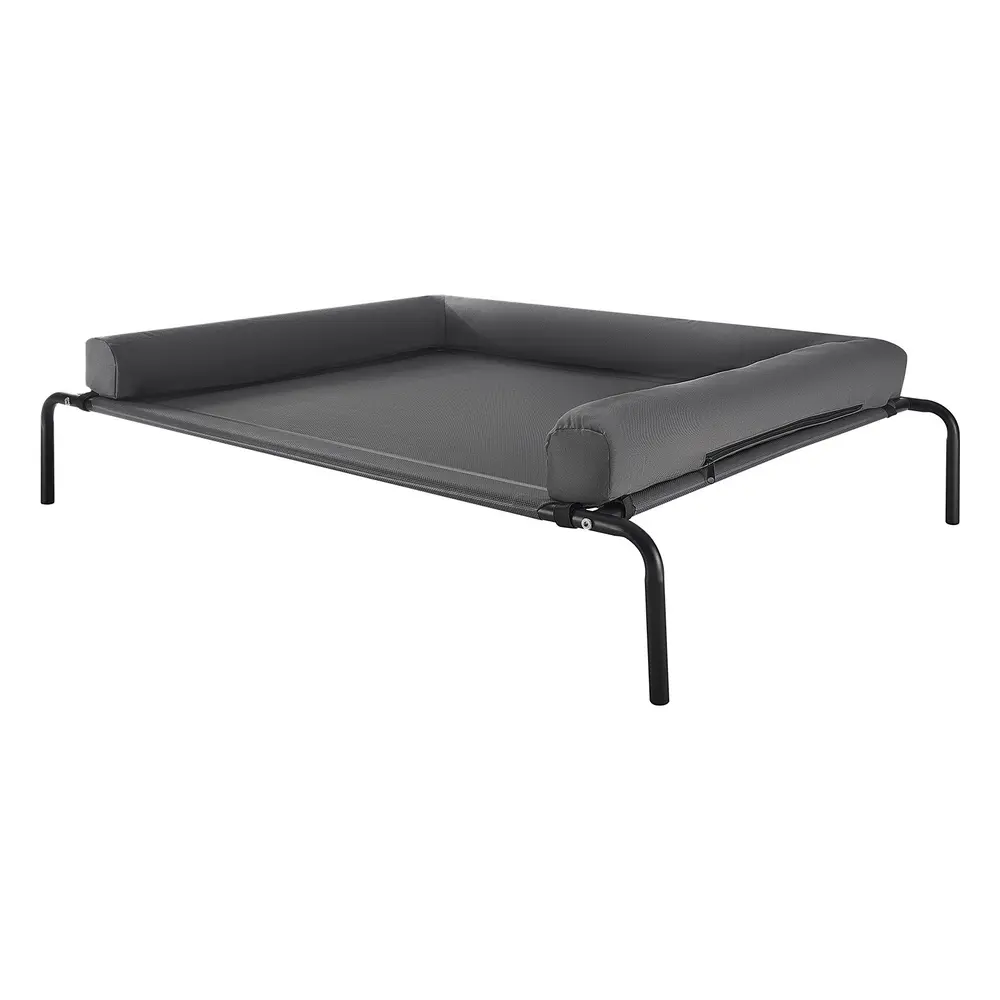
Puppies and active chewers
Puppies explore with their mouths, so a stylish sofa bed is not automatically a safe first bed. Supervise the first sessions and check for chewing on foam, zippers, wood and decorative buttons. Choose washable, simple construction and remove the couch if the puppy begins pulling out filling. Training should reward calm use, but training does not replace inspecting the bed. When chewing is persistent, a low and uncomplicated bed may be a better temporary choice. Provide an approved chew toy nearby so the dog has a clear alternative.
Senior dogs and dogs with mobility needs
Older dogs may enjoy the boundary of a couch but struggle with a high step or a cushion that shifts under their weight. Favor a firm surface, a low opening and a base that does not slide. Keep the couch on one level with the floor, and observe whether the dog can rise without repeated slipping. If getting up or lying down seems painful, speak with a veterinarian rather than relying on a new bed to solve a mobility problem. A supportive bed can improve comfort, but it is not a substitute for medical advice.
Keeping the couch fresh between washes
Use a blanket that fits over the main cushion during muddy or shedding seasons, but do not let the blanket bunch into a ridge beneath the dog. Vacuum hair from seams, wipe approved surfaces promptly after accidents and dry every layer fully before reassembly. Keep the care label with the spare cover so washing temperature and drying instructions are not forgotten. A weekly inspection of zippers, stitching, legs and filling catches small problems before they become a safety issue. For more bed options, browse the pet bed collection and compare each product's dimensions and care instructions.
Finally, introduce the dog couch as an invitation rather than a command. Place a familiar blanket on it, reward calm investigation and let the dog leave freely. Move the couch closer to the preferred resting area if the dog ignores it. A dog couch succeeds when the dog uses it comfortably and the household can keep it clean, stable and in good condition.
Check the usable cushion against your dog's relaxed sleeping position, not the frame's outside dimensions. Our large-dog-bed sizing guide explains how to leave room for a full stretch. If the sofa has a raised entrance, compare the access issues in our guide to dog steps beside a bed and ask your vet whether a lower sleep surface would be more suitable. A sofa-shaped bed is not automatically an orthopedic product: compare the support features in our dog-bed buying guide rather than relying on the furniture-style name.
Frequently Asked Questions
Are dog couches good for dogs?
They can be, provided the couch is correctly sized, stable, washable and easy for the dog to enter. The sofa shape is cosmetic unless the support and access suit the individual dog.
What size dog couch should I buy?
Measure the dog while relaxed and choose a sleeping surface long enough for a full stretch plus room to turn. Compare the inside dimensions, not the outside arms.
Are dog couches safe for puppies?
Only with supervision if the puppy chews foam, zips or wooden parts. A low, washable bed is often safer until chewing is under control.
How do I clean a dog couch?
Use the manufacturer's wash instructions, vacuum seams, wash removable covers regularly and dry all foam completely. Replace damaged covers or exposed filling.
Should a dog couch have raised sides?
Raised sides can provide a boundary, but they must not reduce the sleeping surface or force an older dog to climb. A low front entry is useful for dogs with stiff joints.