A cat litter box with pellets swaps fine clumping clay for large, non clumping pellets. The best known version is a two tier sifting system: pellets sit on a slotted top tray, urine drains through to an absorbent pad in a drawer below, and you scoop only the solids. Wood or paper pellets can also be used in an ordinary box. This guide explains how pellet boxes work, which cats do well with them, how to switch without accidents, and how to keep one clean.
In This Article
- Quick Answer: Is a Cat Litter Box With Pellets Worth It?
- How Does a Cat Litter Box With Pellets Work?
- What Types of Pellet Litter Boxes and Pellets Are There?
- What Are the Pros and Cons of a Pellet Litter Box?
- Which Cats Do Best With a Pellet Litter Box?
- How Do You Switch a Cat to a Pellet Litter Box?
- How Do You Clean and Maintain a Pellet Litter Box?
- Why Does a Pellet Litter Box Smell and How Do You Fix It?
- How Do You Choose the Right Pellet Litter Box?
- What Do People Ask Most About Pellet Litter Boxes?
- Sources
Quick Answer: Is a Cat Litter Box With Pellets Worth It?
A pellet litter box suits owners who hate dust and tracked litter and are happy to scoop solids daily and swap pads on schedule. Many cats accept pellets, but vets note that most cats prefer fine, clumping litter, so switch slowly, keep an old box nearby at first, and watch for accidents.
Updated October 17, 2026- Two layers: pellets hold the solids, a pad below soaks up urine.
- Less dust and tracking: big pellets do not stick to paws the way fine clay does.
- Ongoing costs: sifting systems need branded pads and pellets on a schedule.
- Go slowly: sudden litter changes are a known cause of cats soiling outside the box.
How Does a Cat Litter Box With Pellets Work?
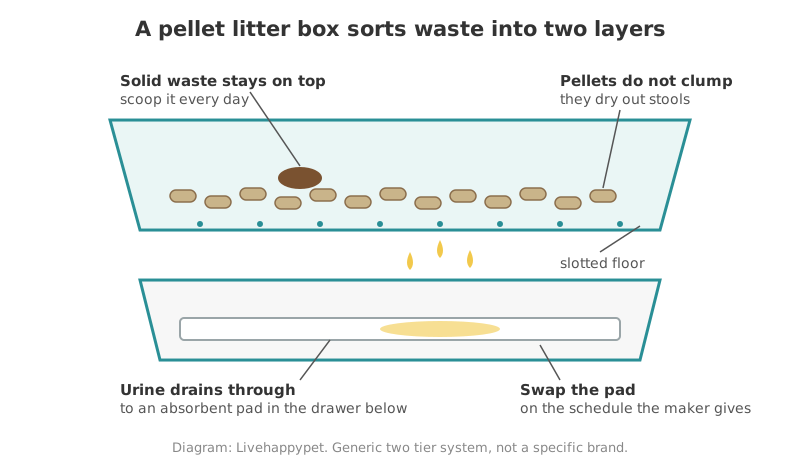
Answer: In a sifting pellet system, the cat steps onto large, non clumping pellets in a top tray with a slotted floor. Solid waste stays on the pellets, which help dry it out. Urine runs through into a drawer holding a disposable absorbent pad. You scoop solids, change the pad and refresh pellets.
The idea is to separate the two kinds of waste instead of trapping both in the same material. With clumping clay, urine forms a clump you lift out, and the litter around it slowly gets used up. In a sifting box, liquid leaves the top layer completely, so the pellets stay relatively dry and last much longer, while the pad does the absorbing.
Retailer listings for the Purina Tidy Cats Breeze system describe exactly this split: the pellets capture solid waste and let urine pass through to absorbent pads below, and the pellets are non clumping and help dehydrate solids. Source: PetSmart, Tidy Cats Breeze starter kit listing.
Not every pellet box is a two tier system. Some owners simply fill a normal litter pan with pine, wheat or recycled paper pellets. Those pellets absorb urine themselves and usually break down into sawdust or crumbs as they get wet, which you sift out or replace. That approach costs less and needs no special pads, but it behaves differently from the sifting systems, so we cover both below.
What Types of Pellet Litter Boxes and Pellets Are There?
Answer: There are two main setups. Sifting systems use a slotted top tray, mineral pellets and a pad drawer, such as the Breeze system. Simple pellet boxes use an ordinary or sifting pan filled with absorbent wood, wheat or paper pellets. Some sifting pans are designed for wood pellets, letting sawdust fall through while intact pellets stay on top.
The table compares the common options. It describes general behavior rather than any one product, so always read the directions for the litter you buy.
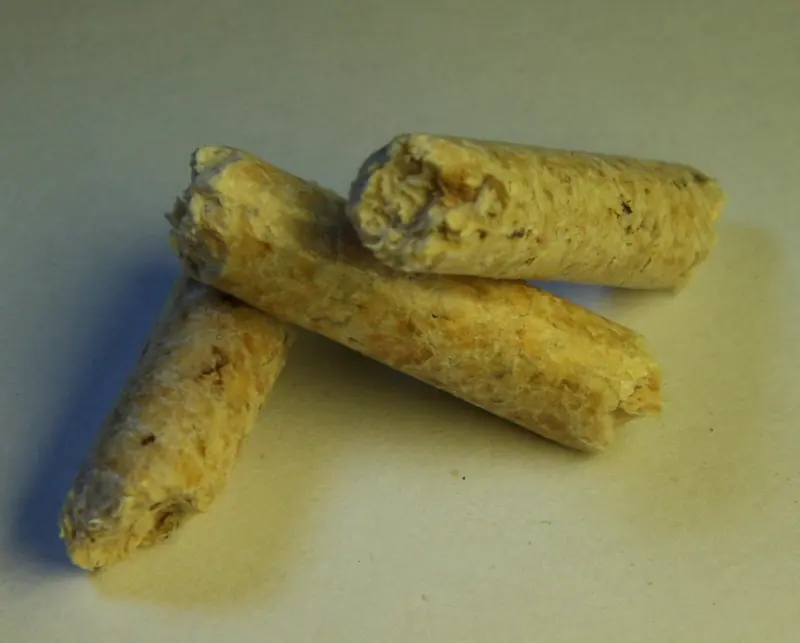
The Breeze pellets are made from zeolite, a natural mineral, according to retailer listings, and they are sold as non clumping and nearly dust free. Wood pellets are usually made from compressed sawdust, the same basic form as wood stove fuel pellets, but cat litter versions are sold specifically for litter use. Source: PetSmart, Breeze refill bundle listing.
What Are the Pros and Cons of a Pellet Litter Box?
Answer: Pellets make far less dust, track less, and in sifting systems the pellets stay fairly clean because urine drains away. The trade offs: many cats prefer fine, sandy litter, branded refills add up, and late pad changes cause smell. Pellets also hide the urine clumps that help you spot health changes.
Owners usually choose pellets for one of three reasons: dust, tracking or weight. Fine clay can leave a haze when poured and sticks between toes, so it ends up on floors and beds. Large pellets are heavier and smoother, so far fewer leave the box on your cat's paws. Bags of pellets are also lighter to carry than the clay needed to fill the same box.
The biggest drawback is that the cat has a vote. The Merck Veterinary Manual says most cats prefer small, clumping particles such as clay based litters, and that an unscented litter is often recommended because cats are sensitive to smell. A cat that dislikes the feel of pellets may go elsewhere. Source: Merck Veterinary Manual, Providing a Litter Box for a Cat.
One health point is easy to overlook. With clumping litter you notice quickly if your cat is making more or bigger urine clumps, a change your vet will want to hear about. With a pad, check how wet it gets and whether there is any pink or red tint, and mention changes to your vet.
Which Cats Do Best With a Pellet Litter Box?
Answer: Pellet boxes tend to work well for adult cats that already use a box reliably and are not fussy about texture, for homes where dust or tracking is a problem, and some cats recovering from surgery when a vet advises dust free litter. Kittens, very fussy cats and cats with past litter box problems need extra care when switching.
A calm, confident adult cat that digs a little and moves on is the ideal candidate. A cat that loves to dig deep, roll in litter or bury waste with enthusiasm may find pellets less satisfying. Long haired cats sometimes do well on pellets because large pellets do not get caught in the fur around their feet and rear the way fine litter can.
After some surgeries, for example on the paws, vets often ask owners to avoid fine or dusty litter for a while. Shredded paper or pellets are common suggestions in that situation, but follow the exact instructions from your own vet. For multi cat homes, sifting systems still work, but pads and pellets need changing more often, and the general rule of one box per cat plus one still applies. Source: Ohio State University, Indoor Pet Initiative.
- Good fit: adult cats with steady litter habits, dusty or allergy prone homes, long haired cats.
- Go slowly: kittens, seniors, cats new to your home, cats with past soiling.
- Ask your vet first: cats recovering from surgery or with urinary problems.
If you have a new kitten, our new kitten essentials checklist covers the first litter box setup, and kitten toys help a young cat burn energy elsewhere than in the litter.
How Do You Switch a Cat to a Pellet Litter Box?
Answer: Change gradually and keep the familiar setup available. Put the new pellet box next to the old one, or mix pellets into the current litter a little at a time, increasing the share of pellets over a week or two. Praise and reward use of the new box, never punish accidents, and slow down if your cat avoids it.
The Merck Veterinary Manual warns that sudden changes in litter type or box location can cause a cat to soil outside the box, and advises sticking with a litter once you find one that works. That is the main reason a gradual switch matters. Source: Merck Veterinary Manual.
- Set the new box beside the old one. Same room, same quiet spot, so your cat can explore it without pressure.
- Start with a mix. For a sifting system, you can sprinkle some familiar litter on top of the pellets at first so the box smells right.
- Shift the balance slowly. Each day, use a little more pellet and a little less old litter in the box your cat prefers.
- Watch both boxes. Check which one your cat uses and whether it digs normally or hops out quickly.
- Remove the old box last. Only once your cat uses the pellet box reliably for several days.
If your cat starts going on rugs, beds or near the box, return to the old litter and try again more slowly. House soiling can also be a sign of a medical problem such as a urinary tract issue, so book a vet visit if accidents continue even after you go back to the familiar litter.
How Do You Clean and Maintain a Pellet Litter Box?
Answer: Scoop solid waste every day. In a sifting system, change the pad on the maker's schedule, or sooner if it smells or several cats share the box, and stir or replace pellets as directed. With wood pellets, sift the sawdust down and add fresh pellets. Wash the whole box regularly with mild unscented soap and water.
Retailer listings for the Breeze starter kit say each pad controls ammonia odor for seven days for one cat and that the pellets last about a month when used as directed. Treat those as the maker's upper limits for a single cat, not targets: more cats or heavier use means changing sooner. Source: PetSmart, Breeze starter kit listing.
General litter box hygiene still applies. Merck advises scooping every day and cleaning the entire box at least once a week, and Ohio State University's Indoor Pet Initiative recommends daily scooping and weekly washing with a mild dish detergent to help prevent house soiling. Skip strong cleaners and scented products, which can put cats off the box. Source: Ohio State University, Indoor Pet Initiative: Litter Boxes.
- Daily: scoop solids off the pellets and stir the pellets lightly so wet spots dry.
- On the pad schedule: slide out the drawer, roll up the used pad and bag it.
- When pellets look worn or discolored: replace them, or top up wood pellets after sifting.
- Regularly: empty and wash the trays, dry them fully, then refill.
A litter mat for cats in front of the box catches the few pellets or crumbs that do escape. If you are weighing other low effort options, our electronic cat litter guide covers self cleaning boxes.
Why Does a Pellet Litter Box Smell and How Do You Fix It?
Answer: Odor usually comes from a pad left too long, urine pooling under the slots, solids not scooped daily, or pellets past their useful life. Change the pad sooner, rinse and dry the trays, make sure the top tray sits flat so urine drains evenly, and scoop every day. More cats per box also means more smell.
Sifting systems rely on drainage. If a cat always urinates in the same corner, that part of the pad saturates first while the rest stays dry, so it can be worth rotating the pad or checking the drawer midweek. A tray that has warped or is not seated properly can let urine run along the underside of the grid instead of dropping onto the pad.
Resist the urge to cover odor with perfumed sprays or scented pads if your cat seems unsure about the box. Cats have sensitive noses, and veterinary sources generally recommend unscented litter for that reason. Fresh air, good drainage and frequent changes work better than fragrance. Placing the box in a quiet, well ventilated spot away from food and water bowls also helps; our cat bowls and cat water fountains guides explain where to put feeding stations.

How Do You Choose the Right Pellet Litter Box?
Answer: Pick a box big enough for your cat to turn around and dig, decide between a sifting system with pads or a simpler wood pellet setup, and check refill availability and cost before you buy. Consider an open box first, because some cats dislike hoods, and make sure the entry height suits kittens or stiff senior cats.
Merck notes that larger litter boxes are better because cats like space to dig and turn around, and that boxes belong in secluded, low traffic spots your cat can reach easily. Those points matter more than the litter itself. Source: Merck Veterinary Manual.
- Size: roomy enough for your cat to stand, turn and dig comfortably.
- Entry: a low side or cut out for kittens and arthritic seniors.
- Open or hooded: hoods hold in smell for you but also for your cat; start open if unsure.
- Refills: check that pads and pellets are easy to buy where you live; some generic pads fit common sifting trays.
- Pellet type: mineral pellets for sifting systems, wood or paper pellets for simple pans.
Whichever you choose, keep the setup consistent once your cat is happy with it. A comfortable home helps too: a sturdy cat tree, a scratching post and cat puzzle toys reduce stress, and stressed cats are more likely to have litter box problems. For a broader look at litter materials, see our eco friendly cat litter and Tidy Cat litter guides.
What Do People Ask Most About Pellet Litter Boxes?
Answer: Owners usually ask whether cats like pellets, how often to change pads and pellets, whether ordinary litter can go in a sifting box, whether wood pellets are safe, how to stop odor, whether kittens can use pellets and how pellet boxes compare with clumping clay. The short answers below draw on vet guidance and maker information.
Do cats like pellet litter?
Many cats accept pellets, but veterinary sources say most cats prefer fine, clumping litter. Introduce pellets gradually next to the old litter and watch for accidents.
How often should I change the pad in a pellet litter box?
Follow the maker's schedule. Breeze listings say a pad controls odor for about a week for one cat, so change it sooner with more cats or if it smells.
How often do pellets need replacing?
Scoop solids daily. Breeze listings say the pellets last about a month for one cat when used as directed, while wood pellets need topping up as they turn to sawdust.
Can I put regular clumping litter in a sifting pellet box?
No. Fine clumping litter falls through the slots or blocks them and soaks the pad. Use the large pellets the system is designed for.
Are wood pellets safe for cats?
Wood pellets sold as cat litter are made for that use. Choose an unscented litter product rather than fuel pellets, and stop using it if your cat shows irritation.
Why does my pellet litter box smell?
Usually the pad has been left too long, urine is pooling, solids were not scooped, or the pellets are worn out. Change the pad sooner and wash and dry the trays.
Can kittens use a pellet litter box?
Some can, but kittens learn on what they first use and many find fine litter easier. Start with a low sided box and switch slowly once your kitten uses a box reliably.
Is a pellet litter box better than clumping clay?
It is less dusty and tracks less, but clumping clay is what most cats prefer. The better choice is the one your cat uses consistently.
Sources
- Merck Veterinary Manual: Providing a Litter Box for a Cat
- The Ohio State University Indoor Pet Initiative: Litter Boxes
- PetSmart: Purina Tidy Cats Breeze Litter Box System Starter Kit
- PetSmart: Purina Tidy Cats Breeze refill bundle
Make litter time less stressful
Browse cat toys and accessories that keep indoor cats busy and relaxed.
Shop cat accessories