If you are looking for the best stainless steel dog bowls, this comprehensive guide covers everything you need to know. Whether you are a first-time pet owner or an experienced one looking to upgrade, you will find practical advice, safety tips, and honest comparisons below.
Why Many Owners Choose Stainless Steel Dog Bowls
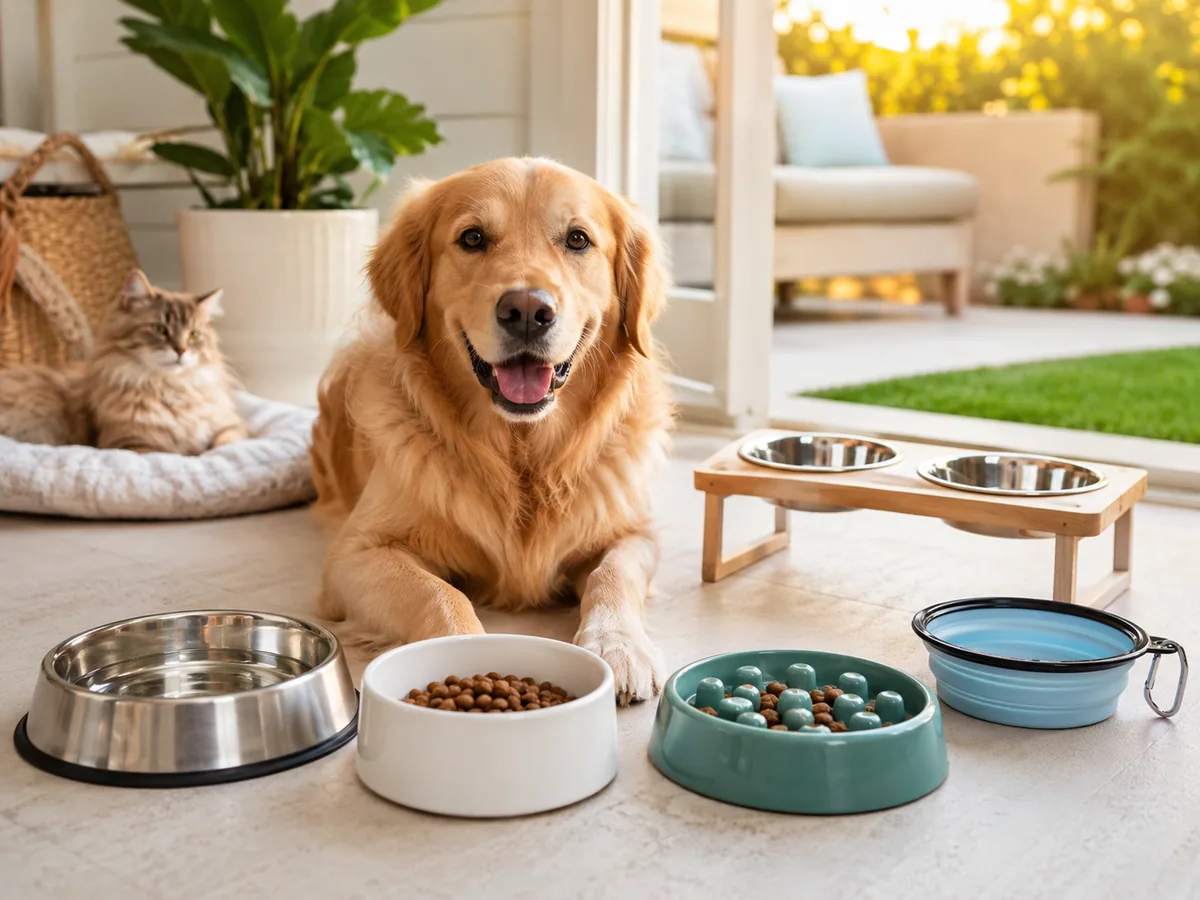
Stainless steel dog bowls are popular because they are durable, easy to wash, and less likely to hold onto odors than porous materials. The right bowl still depends on your dog's size, eating style, posture, and home setup. A shiny finish alone does not tell you whether a bowl is stable, comfortable, or made well.
Think of a bowl as part of the feeding environment. It should stay in place while your dog eats, offer enough room for the muzzle, and be easy for you to clean frequently. Check the rim and base for rough edges, examine the underside for trapped food or moisture, and avoid a bowl that slides across the floor with every bite.
The American Veterinary Medical Association's food-handling guidance recommends washing pet food and water bowls frequently. That routine matters more than choosing a particular color or decorative pattern.
Choose the Right Bowl Size and Shape
Select a bowl that holds the meal without filling to the brim. Extra space reduces spills and gives you room to stir wet food, but an oversized bowl can be awkward for a small dog. Compare the bowl's usable interior diameter and depth, not only its advertised capacity, because a rolled rim or steep side can reduce the practical space.
If you want even more options, check out our guide to crinkle toys for dogs.
Short-muzzled dogs may prefer a wider, shallower shape that allows easy access without pressing the face against high sides. Dogs with longer muzzles often need enough depth for the food to remain contained. Watch your dog's posture and eating behavior, then adjust the shape if the dog paws at the bowl, stops repeatedly, or struggles to reach the last food.
Measure the floor area before buying a large set of stainless steel dog bowls. Leave room for the dog's paws, your cleaning routine, and nearby walking paths. Our slow feeder dog bowl guide explains when a specialized shape may be more useful than a standard bowl.
Look for Stability and a Safe Base
A stable bowl stays in place while a dog eats, drinks, or nudges the last pieces around. Look for a wide base, a non-slip ring that sits flat, or a compatible feeding mat. The bowl should not rock when you press lightly on opposite sides. Test it on the actual floor because tile, wood, and carpet create different levels of traction.
Weight helps, but weight alone does not prevent sliding. A lightweight bowl with a well-fitted rubber base may stay steadier than a heavier bowl with a smooth underside. Inspect the ring for gaps where food and water can collect, and remove or wash it according to the maker's directions.
Place food and water away from doors, electrical cords, and areas where the bowl can be kicked. If your dog pushes bowls around the room, a comfortable rest area nearby can help create a consistent feeding zone, while a pet supplies setup can keep mats and bowls together.
Inspect the Steel, Finish, and Construction
Look for stainless steel that feels rigid rather than thin and easily flexed. Product listings may use different grade terminology, so review the manufacturer's specifications and care instructions instead of assuming every bowl has identical construction. A smooth interior is easier to inspect and clean than a deeply textured surface.
You might also enjoy our recommendations for squeaky plush toys for dogs.
Check welds, seams, the rim, and the area where the bowl meets its base. There should be no sharp metal, flaking coating, loose rubber, or decorative piece that can be chewed off. If a bowl arrives dented or has a persistent chemical odor, stop using it and contact the seller rather than trying to polish away the issue.
Stainless steel is not automatically indestructible. Repeated drops can create dents, and harsh cleaning products may damage nearby rubber or printed markings. Keep the manufacturer's instructions with the bowl and replace it when cracks, sharp dents, unstable bases, or corrosion affect daily use.
Stainless Dog Bowls: What "Stainless" Promises and What It Doesn't
Plenty of shoppers search for stainless dog bowls rather than typing out the full "stainless steel" phrase. It is the same product family covered above, just the shorter way people actually search and the shorter way some listings label it. Dropping "steel" from the name does not change the material, but it can change how much a listing tells you, so it is worth knowing what the word is actually promising before you compare options.
"Stainless" Is Shorthand for a Specific Alloy, Not a Different Material
The grade behind most stainless dog bowls is Grade 304, marketed under its trade shorthand 18/8. Per the AZoM materials datasheet for Stainless Steel Grade 304, the standard composition specified in ASTM A240/A240M runs 18.0 to 20.0 percent chromium and 8.0 to 10.5 percent nickel, which is where the "18/8" name comes from. AZoM also describes 304 as the most versatile and most widely used stainless steel available, with sinks and hollow-ware among its typical applications, the same food-adjacent use case a dog bowl sits in.
A listing that just says "stainless" with no grade named is not lying, but it is telling you less than a listing that names 304 or 18/8 specifically. Ask the seller to confirm the grade in writing before you buy, the same way you would for any bowl labeled only "stainless steel" without further detail.
Stainless Means Corrosion-Resistant, Not Corrosion-Proof
It is easy to assume "stainless" means a bowl can never rust or stain, but that is not what the material claim actually covers. AZoM's datasheet states that Grade 304 stainless steel is excellent in a wide range of atmospheric environments and many corrosive media, while also noting that it is subject to pitting and crevice corrosion in warm chloride environments. In a feeding bowl, that means genuine 304 steel can still develop faint surface spotting or light staining if salty residue, certain cleaning chemicals, or standing water are left on the surface for long stretches rather than rinsed and dried.
Treat light surface marks as a cleaning-routine issue first, not automatically a sign of a fake or defective bowl. Rinse and dry stainless dog bowls after washing instead of leaving them to air-dry with water pooled at the base, and avoid soaking them in chlorine bleach, which is a more aggressive chloride source than everyday food and water residue.
Clean Stainless Steel Dog Bowls Correctly
Wash food bowls after each meal when practical, especially after wet food, raw food, or moist treats. Empty leftover food first, rinse away residue, then wash with hot water and dish soap using a dedicated sponge or brush. Rinse thoroughly and let the bowl dry before refilling it.
Water bowls also need frequent cleaning because saliva, dust, food crumbs, and biofilm can build up even when the water looks clear. Refresh the water and wash the bowl on a regular schedule that fits your dog's use. Wash feeding mats underneath the bowl so a clean bowl does not sit in a damp or dirty ring.
The AVMA's safe-handling policy specifically advises washing pet food bowls with hot, soapy water after each use. Do not share a dirty bowl between pets, and ask your veterinarian about hygiene precautions if a pet is ill.
Match the Bowl to Your Dog's Feeding Behavior
Some dogs eat calmly, while others push, paw, flip, or gulp. Observe the behavior before choosing a bowl. A wide non-slip bowl may help a dog that chases dinner around the floor, but it will not solve every feeding concern. A slow feeder can add structure for a dog that eats too quickly, but introduce it gradually and make sure the design is easy to clean.
For related picks, take a look at our toy cup yorkie roundup.
Raised bowls are not a universal upgrade. Height, posture, breed, health, and veterinary advice all matter. If your dog has difficulty bending, pain, regurgitation, or a sudden change in eating, discuss the situation with a veterinarian instead of changing equipment based only on an online claim.
Keep mealtimes predictable and place the bowl in a low-traffic area. After eating, a quiet enrichment routine can be scheduled later, but avoid encouraging rough play immediately after a meal.
Use Stainless Steel Bowls in Multi-Pet Homes and Travel
In a multi-pet home, provide enough bowls for each animal's normal routine and observe whether one pet guards the feeding area. Separate feeding zones can reduce competition and make it easier to notice changes in appetite. Labeling or visually distinguishing bowls helps you keep the cleaning and refill routine organized.
For travel, choose a bowl that nests easily, has a secure base, and can be washed without special equipment. Carry a spare if the trip is long or access to clean water may be limited. Keep the bowl in a clean bag rather than placing it directly on public floors, and rinse it before use when conditions are uncertain.
A stable food area pairs well with a secure collar and leash set for walks and a durable rope tug toy for supervised play. The goal is a practical routine, not a crowded collection of accessories.
Final Stainless Steel Dog Bowls Buying Checklist
Before buying, write down your dog's approximate meal volume, muzzle shape, eating habits, and the floor space available. Check the listing for interior dimensions, capacity, base details, material information, and cleaning instructions. If key measurements are missing, treat that as a reason to ask questions rather than guess.
Compare the bowl after shipping as well as on the product page. A bowl that looked flat in a photo may arrive with a dent or a loose base. Inspect it before the first meal, wash it, and watch one supervised feeding session. Keep the receipt and care information in case the construction does not match the listing.
For more everyday choices, browse the dog accessories collection, read our slow eating dog bowl guide, and use the chew ball page only for supervised play needs. A bowl should solve a feeding need first, then fit naturally into the rest of your dog's routine.
Organizations like the VCA Animal Hospitals pet health library also offer trusted, science-backed advice that is well worth bookmarking.
Frequently Asked Questions
Are stainless steel dog bowls a good choice?
They can be a practical choice because they are durable and easy to wash. Choose a well-constructed bowl with a smooth rim, stable base, clear dimensions, and care instructions that fit your routine.
How often should stainless steel dog bowls be washed?
Wash food bowls after each use when practical, especially after wet or moist food. Refresh and wash water bowls frequently as well. The AVMA recommends frequent washing and hot, soapy washing after food use.
What size stainless steel bowl does my dog need?
Choose enough capacity for a normal meal without filling to the rim, then compare usable diameter and depth with your dog's muzzle and posture. A smaller dog may prefer a wider, shallower bowl, while another dog may need more depth.
How do I stop a stainless steel bowl from sliding?
Look for a wide base or a secure non-slip ring, and place it on a compatible feeding mat. Test the bowl on your actual floor. Replace a damaged or loose base rather than relying on a temporary object that could become a chewing hazard.
Can stainless steel dog bowls go in the dishwasher?
Some can, but follow the manufacturer's care instructions for the bowl and any rubber base. Remove parts when directed, rinse away food residue, and make sure every component dries fully before refilling the bowl.
Are raised stainless steel bowls better for dogs?
Not automatically. The appropriate height depends on the dog's body, comfort, health, and veterinary guidance. Seek professional advice for pain, regurgitation, difficulty bending, or a sudden change in eating behavior.
How can I tell if a stainless steel bowl should be replaced?
Replace it when sharp dents, rough edges, corrosion, cracked or loose non-slip parts, persistent residue, or instability affects use. Inspect new bowls before the first meal and check them during regular washing.
Are stainless dog bowls the same as stainless steel dog bowls?
Yes. "Stainless dog bowls" is simply the shorter way shoppers write the same product. Both terms refer to bowls made from the chromium-nickel stainless steel family, most commonly Grade 304, also called 18/8.
Do stainless dog bowls rust?
Genuine stainless steel resists corrosion but is not corrosion-proof. AZoM's Grade 304 datasheet notes it performs well in a wide range of environments but is subject to pitting and crevice corrosion in warm chloride environments, so surface staining can still appear if water or salty residue is left sitting on the bowl.
What grade should stainless dog bowls be?
Grade 304, marketed as 18/8, is the standard for stainless dog bowls and typically contains 18 to 20 percent chromium and 8 to 10.5 percent nickel per ASTM A240/A240M. Ask the seller to confirm the grade in writing if the listing only says stainless with no further detail.
Browse Dog Toys
Free worldwide shipping on every order. No minimum purchase required.
Browse Dog Toys →