If you searched for a rag doll price, you most likely mean the Ragdoll cat: the large, blue-eyed, colorpoint breed known for going relaxed when it is picked up. This guide pulls together what a Ragdoll kitten costs from a breeder, what adoption costs, what a cat costs to keep each year, and how to avoid the kitten scams that target popular breeds. Every price below comes from a named, dated source, and we say clearly where prices vary. Livehappypet sells cat toys and accessories; we do not sell, breed, or broker cats, and we do not recommend any specific breeder.
In This Article
- Quick Answer: How Much Does a Ragdoll Cat Cost?
- How Much Is a Ragdoll Kitten From a Breeder?
- Why Do Ragdoll Prices Vary So Much?
- Can You Get a Ragdoll for Less Than a Kitten Price?
- What Does a Ragdoll Cost to Keep Each Year?
- Which Health Costs Should Ragdoll Owners Plan For?
- How Do You Spot a Ragdoll Kitten Scam?
- What Should You Ask Before You Pay a Deposit?
- What Do Buyers Ask Most About Ragdoll Prices?
- Sources
Quick Answer: How Much Does a Ragdoll Cat Cost?
A pet-quality Ragdoll kitten from a breeder costs about $1,500 to $3,000 in 2026, with show and breeding cats higher. Retired breeders and rescues cost less. Budget for care too: the ASPCA estimates a typical cat costs $1,149 a year. Sources: Floppycats (May 2026); ASPCA (2021 update).
Updated October 12, 2026- Prices vary by breeder and region. The ranges below are one specialist site's 2026 estimates, not fixed prices. Breed registries such as the CFA list breeders but do not publish prices.
- The kitten price is only the start. Food, litter, vet visits, and insurance add up every year.
- A very cheap Ragdoll is a warning sign. The Better Business Bureau lists "incredibly low prices" among its pet scam red flags.
How Much Is a Ragdoll Kitten From a Breeder?
Answer: Floppycats, a Ragdoll site run since 2008, estimates $1,500 to $3,000 for a pet-quality kitten sold spayed or neutered in 2026. Show-quality pets start around $3,000, and cats sold with breeding rights start around $3,500, with the top tier listed from $4,000 to $8,000 or more. Source: Floppycats, Ragdoll Cat Price Guide, updated May 23, 2026.
There is no official price list for Ragdolls. The Cat Fanciers' Association breed page points buyers to cat shows and its Find-A-Breeder directory, but neither the CFA nor TICA sets kitten prices. The most detailed dated estimate we could verify is the 2026 table in Floppycats' Ragdoll Cat Price Guide by Jenny Dean, last updated May 23, 2026, which she describes as based on her own research. Treat it as a guide to the range, not a quote from any breeder. Source: Floppycats, updated May 23, 2026.
Table source: Floppycats, Ragdoll Cat Price Guide: 2026 Breeder & Lifetime Costs, updated May 23, 2026. Prices are estimates in US dollars and change by breeder, region, and demand. Source: Floppycats (2026).
Why Do Ragdoll Prices Vary So Much?
Answer: The biggest factor is what the kitten is sold for: a spayed or neutered pet costs least, while show markings and breeding rights cost more. Color, sex, the breeder's health testing, local demand, and wait lists also move the price. A well-tested cattery usually charges more than a seller who skips testing.
- Pet, show, or breeding rights. Breeding rights put a kitten in a higher price tier in the Floppycats table, and the cat should come from tested parents.
- Color and pattern. Floppycats notes some breeders charge more for less common colors such as tortie, cream, lilac, and flame.
- Sex. Some breeders charge more for females because spaying costs more than neutering, according to the same guide.
- Health testing. The CFA says hypertrophic cardiomyopathy (HCM) has been found in the breed and that breeders now routinely test for it. Testing costs money, and it is worth paying for.
- Demand and waiting lists. The CFA calls the Ragdoll the most popular cat breed in the world by CFA registration statistics and says that if you want a particular color or sex, "it's wise to expect a wait."
Ragdolls also take time to finish growing. The CFA breed page says they reach full coat color at two years and full size and weight at four, and that a mature male can reach or exceed 20 pounds. A kitten's final look is not fully settled when you buy it, which is one reason pet-quality kittens cost less than show prospects. Source: The Cat Fanciers' Association, Ragdoll breed page.
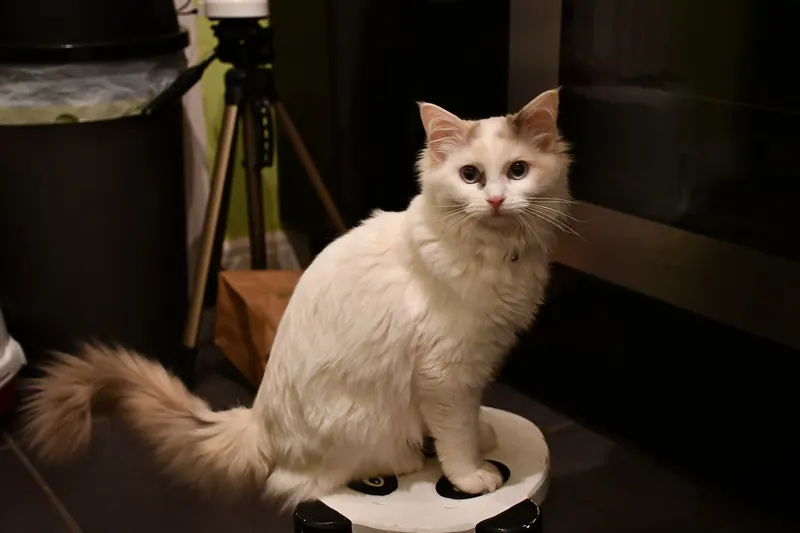
Can You Get a Ragdoll for Less Than a Kitten Price?
Answer: Yes, if you are open to an adult cat. Floppycats lists retired breeders, adults already spayed or neutered, at $350 to $1,500, and rescue or rehoming fees at $200 to $500. Purebred Ragdolls are not common in shelters, so be patient, and check rescues and breeders that rehome retired cats. Source: Floppycats, Ragdoll Cat Price Guide, updated May 23, 2026.
An adult cat has a few advantages beyond price. Its size, coat, and personality are already known, and Floppycats notes that retired breeders are usually fully vetted and already spayed or neutered. Ask what the fee includes, and still book a check-up with your own veterinarian soon after the cat comes home.
What Does a Ragdoll Cost to Keep Each Year?
Answer: Plan on roughly $1,149 a year for a typical cat, based on the ASPCA's 2021 cost estimate, plus about $455 in one-time setup costs. The ASPCA puts a cat's first-year total at $1,904. These are averages for any cat, not Ragdoll figures, and prices have risen since 2021. Source: ASPCA, Cutting Pet Care Costs, 2021 update.
The ASPCA does not publish a Ragdoll-specific budget, so the table below uses its general cat estimates. A large, long-haired cat like a Ragdoll may eat more and need more grooming supplies than the average cat, so treat these as a floor.
Table source: ASPCA, Cutting Pet Care Costs, 2021 update, cat column. The ASPCA total also lists kennel or boarding at $25 a day, a $15 license, and $28 of grooming supplies. Source: ASPCA (2021 update).
Put the two sources together and the first year with a pet-quality kitten starts at about $3,400: the low end of the kitten range ($1,500) plus the ASPCA first-year total ($1,904). That is our own arithmetic, a rough floor rather than a quote, and a pet-quality kitten is usually sold already spayed or neutered, which lowers your setup costs. Sources: Floppycats (2026) and ASPCA (2021 update); sum calculated by Livehappypet.
Which Health Costs Should Ragdoll Owners Plan For?
Answer: The main breed concern is hypertrophic cardiomyopathy, a thickening of the heart muscle. A DNA test has helped breeders remove the most common cause, so ask for the parents' results. PetMD also lists bladder stones, and the CFA warns that food-loving Ragdolls can become overweight, so portion control matters.
PetMD's Ragdoll profile quotes veterinarian Iram Sharma, DVM, who calls the breed generally healthy with a typical feline lifespan of up to 17 years. She explains that HCM makes the heart muscle too thick to pump blood well, and that while Ragdolls can still develop it, it has become uncommon thanks to DNA testing. Signs to take to a vet include lethargy, eating less, trouble breathing, or being unable to exercise. Source: PetMD, Ragdoll cat breed profile, updated May 12, 2026.
PetMD also notes bladder stones, which can become serious if they block urination. Signs include peeing more often in small amounts, straining, and urinating outside the litter box. Because the ASPCA's annual cat estimate includes health insurance, it is worth comparing policies before your kitten comes home, and reading what each one says about hereditary conditions such as HCM.
How Do You Spot a Ragdoll Kitten Scam?
Answer: Be wary of a Ragdoll offered far below normal prices, a seller who will not meet or video call, surprise shipping or crate fees, and demands for gift cards, payment apps, crypto, or wire transfers. The Better Business Bureau notes that cats remain a popular lure in online pet scams, not just puppies.
The BBB's Puppy Scams 2025 Study Update says dogs are the most reported animal, "though cats remain a popular lure as well," and describes fake websites and social media pages that show kittens for sale. Its red flags apply to Ragdoll listings too: Source: Better Business Bureau, Puppy Scams 2025 Study Update.
- A price that looks too good. The BBB flags popular breeds "available for incredibly low prices."
- No visit and no video call. A seller who "refuses to meet in person or take a video call" is a red flag.
- Surprise fees after the first payment. Watch for "extra charges for cages, vaccinations and other shipping costs."
- Pressure. The BBB flags high-pressure tactics, and the Federal Trade Commission warns that scammers push you to act fast.
- Payment you cannot get back. The FTC says, "Only scammers say you must pay with gift cards, a payment app, cryptocurrency, or a wire transfer service."
Before you send a deposit, the BBB suggests seeing the cat in person, setting up a video call, running a reverse image search on the ad photos, and researching the breed's usual market price, which is what the table above is for. The FTC also suggests searching the seller's name with words like "review," "scam," or "complaint." If you are targeted, report it at ReportFraud.ftc.gov.
What Should You Ask Before You Pay a Deposit?
Answer: Ask which registry the kitten is registered with, whether the parents were DNA tested for HCM and screened for other inherited disease, what the price includes, whether the kitten is sold as a pet or with breeding rights, and what the written contract and health guarantee say. Visit or video call before paying anything.
- Registration. Is the cattery and litter registered with the CFA, TICA, or another registry, and will you receive the papers?
- Health testing. Can you see the parents' HCM DNA test results and any other screening the breeder does?
- What the price covers. Spay or neuter, vaccines, microchip, vet check, and a starter supply of food?
- Pet or breeding rights. Is the kitten sold as a pet only? Breeding rights move a cat into a higher price tier.
- The contract. What does the health guarantee cover, and what happens if you can no longer keep the cat?
- A real visit. Can you meet the kitten and its mother in person or on a live video call before any money changes hands?
The CFA suggests visiting a cat show as the best way to meet breeders and see Ragdolls in person, and it runs a Find-A-Breeder directory. A directory listing is a starting point, not a guarantee, so ask the same questions of every seller.
What Do Buyers Ask Most About Ragdoll Prices?
Answer: Most questions come down to three things: why a Ragdoll costs more than an ordinary kitten, whether a cheap Ragdoll can be trusted, and how much to budget after bringing one home. The short answers below summarize the CFA, PetMD, the ASPCA, the BBB, and the Floppycats price guide. Sources listed below.
How much is a Ragdoll kitten in 2026?
Floppycats estimates $1,500 to $3,000 for a pet-quality Ragdoll kitten sold spayed or neutered, with show and breeding cats priced higher. Prices vary by breeder, region, color, and demand, and no registry publishes an official price. Source: Floppycats (2026).
Why are Ragdoll cats so expensive?
Pedigreed kittens come from registered parents, and responsible breeders pay for health testing such as the HCM DNA test, vet care, and raising each litter. The CFA describes the Ragdoll as the most popular cat breed by its registration statistics, and demand keeps prices up.
Is a cheap Ragdoll kitten a scam?
Not always, but a very low price is one of the Better Business Bureau's pet scam red flags. See the kitten in person or on a live video call, run a reverse image search on the photos, and never pay by gift card, payment app, cryptocurrency, or wire transfer.
How much does it cost to keep a Ragdoll each year?
The ASPCA's 2021 estimate for a typical cat is $1,149 a year, including food, litter, routine vet care, preventive medication, toys, treats, and insurance. It is a general cat figure, not a Ragdoll one, and costs have risen since 2021. Source: ASPCA (2021 update).
Can I adopt a Ragdoll instead of buying a kitten?
Yes. Floppycats lists rescue or rehoming fees at $200 to $500 and retired breeders at $350 to $1,500. Purebred Ragdolls are not common in shelters, so it can take time to find one. Source: Floppycats (2026).
What health problem should I ask a Ragdoll breeder about?
Ask about hypertrophic cardiomyopathy (HCM). The CFA says breeders routinely test for it, and PetMD notes a DNA test has helped breeders remove the most common cause in the breed. Ask to see the parents' results.
Sources
- Floppycats (Jenny Dean), Ragdoll Cat Price Guide: 2026 Breeder & Lifetime Costs, updated May 23, 2026
- ASPCA, Cutting Pet Care Costs, 2021 update
- The Cat Fanciers' Association, Ragdoll breed page
- PetMD, Ragdoll cat breed profile, updated May 12, 2026
- Better Business Bureau, Puppy Scams 2025 Study Update
- Federal Trade Commission, Getting a pet? Avoid scams, December 16, 2024
This article is general information, not veterinary or financial advice. Prices change, so confirm current costs with the breeder, rescue, or veterinarian you work with. Livehappypet sells toys and accessories; we do not sell, breed, or broker cats.
Getting Ready for a Ragdoll?
Ragdolls are big, playful cats. Sturdy cat trees, wand toys, and beds help them settle in. Free US shipping on every order.
Browse Cat Toys & Accessories →