If you are looking for the best dog trackers with gps, this comprehensive guide covers everything you need to know. Whether you are a first-time pet owner or an experienced one looking to upgrade, you will find practical advice, safety tips, and honest comparisons below.
What Dog Trackers With GPS Do and When They Earn Their Keep
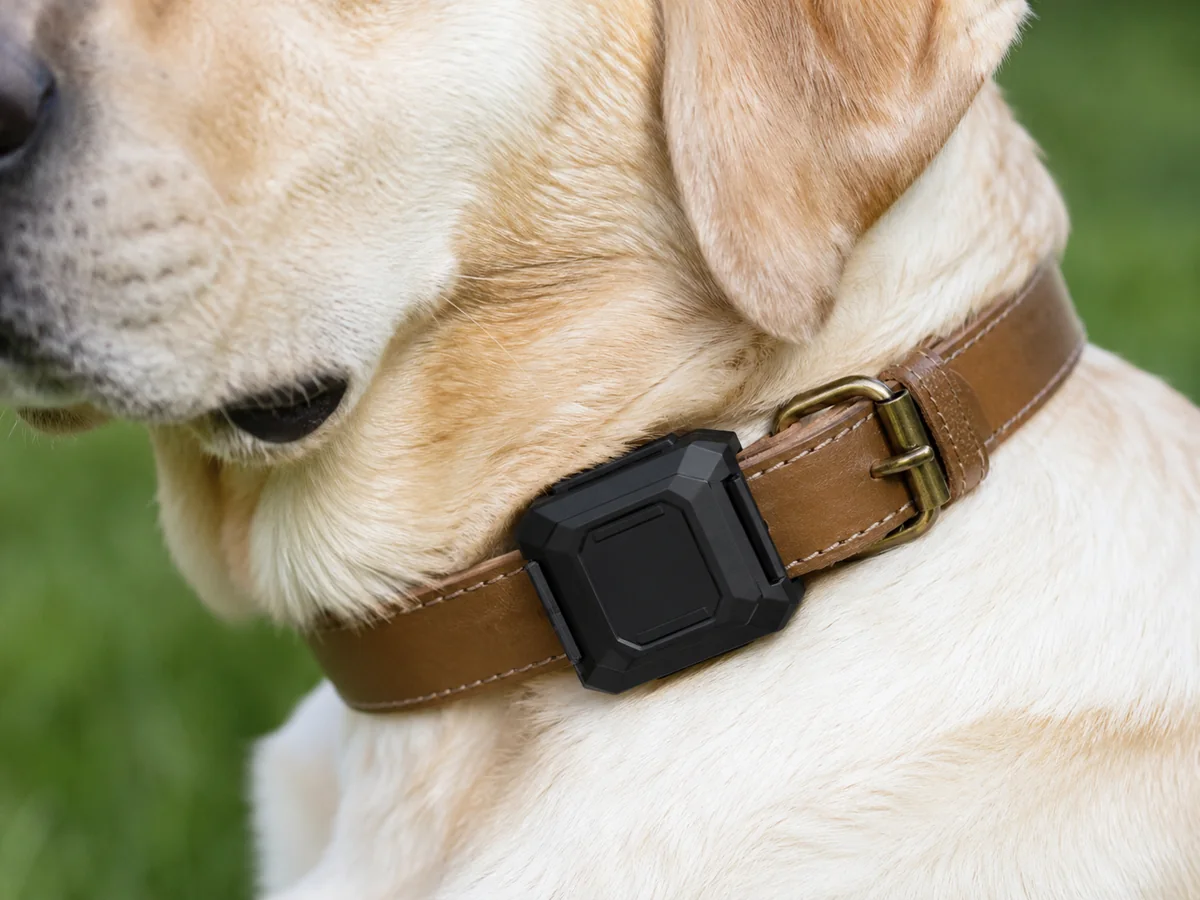
Dog trackers with GPS are small collar-mounted devices that work out where your dog is using satellite positioning and then deliver that position to you, usually through a phone app. Every tracker on the market does the first half the same way, by listening to positioning satellites. What separates one tracker from another is the second half: how the position gets from the dog's neck to your hand. That link can run over the mobile network, over a long-range radio protocol, or over a dedicated handheld receiver, and choosing among trackers is mostly choosing among those links.
A tracker earns its keep in a handful of situations. Escape-prone dogs that dig, bolt, or open gates are the obvious case, because minutes matter once a dog is loose near roads. Off-leash hiking, hunting, and fieldwork are the second case, where the dog is deliberately out of sight and the tracker replaces guesswork. Newly adopted rescues, deaf or senior dogs that cannot respond to recall, and noise-phobic dogs during storm and firework season round out the list.
A tracker is a recovery tool, not a prevention tool. No tracker stops a dog from leaving the yard; it shortens the search that follows. It also does not replace a microchip, which works when someone else finds the dog, or basic containment and recall training, which keep the tracker from ever being needed. Think of GPS trackers as the last layer in a stack, and buy the layer that matches how your dog actually gets lost.
How GPS Positioning Works on a Dog Collar
The GPS receiver in a dog tracker listens to timing signals from constellations of navigation satellites and computes its own position from the differences. Modern trackers typically use several constellations at once, which improves reliability under tree cover and between buildings. Accuracy in open sky is usually good enough to walk straight to the dog; in dense forest, steep terrain, or urban canyons the fix can wander, which is why serious trackers blend GPS with motion sensors and nearby Wi-Fi or Bluetooth signals to steady the estimate.
For more expert recommendations, check out our dog for dog harness guide.
Position updates arrive at an interval, and that interval is the single most important spec most buyers never check. In everyday mode a tracker may report every few minutes to save battery. In a dedicated lost-dog or live mode, updates tighten to every few seconds, which is what you actually want while jogging through the neighborhood after an escapee. Check how fast the live mode updates and how easy it is to switch on, because that is the mode you will be using with your heart pounding.
Indoors, GPS weakens for every tracker, since satellite signals do not pass through roofs well. Good trackers cover this with a home-zone feature: they detect a known Wi-Fi network or base station and report the dog as safely home without burning battery on satellite fixes. This is not a flaw unique to any brand; it is physics, and the home-zone workaround is the standard answer across trackers.
Cellular, LoRa, and Handheld Trackers Compared
Cellular trackers are the mainstream choice. The tracker computes its GPS fix and sends it over the mobile network, so the position shows up in an app anywhere you have phone signal, at any distance from the dog. They need a subscription because they carry a SIM and use network data, and they need mobile coverage where the dog is. For suburban and most rural households this is the practical pick: unlimited range, live tracking, escape alerts, and location history in one package.
LoRa and long-range radio trackers skip the mobile network. The collar unit talks directly to a base station at your home or a handheld receiver in your hand over license-free radio. Range depends on terrain, from a few kilometers in forest to much more with line of sight. There is usually no subscription, and they keep working in true dead zones, which makes them favorites for remote properties and off-grid trips. The tradeoff is range limits and no tracking from far away: if the dog outruns the radio horizon, you must move toward the dog to reacquire the signal.
Handheld GPS systems built for hunting pair a rugged collar with a dedicated receiver showing the dog on a map, no phone required. They excel with multiple dogs at once and in country with zero coverage, which is why they dominate fieldwork. They cost more up front and are overkill for a city dog. Bluetooth item tags deserve a mention only as a warning: a coin-size tag that relies on passing phones is not a live tracker with GPS, and treating one as an escape plan leaves you refreshing a map that does not move.
Battery Life: The Spec That Decides Daily Reality
Battery life is where tracker marketing and tracker ownership diverge. Quoted figures assume gentle settings: infrequent updates, strong signal, mild temperatures. Real life adds live-tracking sessions, weak-signal areas where the radio works harder, and cold mornings that sap the cell. Expect the honest number to be a fraction of the brochure number, and plan your charging routine around the honest number. A tracker with a dead battery is jewelry.
You might also find our canine gps collar article helpful when shopping.
Trackers cluster into two battery philosophies. Rechargeable trackers want a top-up somewhere between every couple of days and every couple of weeks; the good ones charge fast and warn your phone early. Replaceable-battery trackers run months on a coin or AA-style cell and suit people who will never remember a charging cadence. Neither is wrong; what matters is matching the philosophy to your household's habits, because the most common tracker failure is simply an uncharged unit on the one day it was needed.
Two battery habits pay off. First, charge on a schedule tied to something you already do, like grooming night, rather than waiting for low-battery alerts. Second, before hikes, trips, or storm-warning evenings, start at full charge and pack the charging cable. Live mode is the biggest battery consumer on every tracker, so on long searches use bursts of live tracking interleaved with normal updates rather than leaving live mode running for hours.
Geofences, Alerts, and the Features That Matter
A geofence is a virtual boundary you draw on the map, usually around your home and yard; when the tracker crosses it, your phone gets an escape alert. This is the feature that converts a tracker from a search tool into an early-warning system, because you learn about the escape while the dog is still a street away rather than a suburb away. Check how quickly alerts fire in practice and whether you can draw multiple zones, such as home, the sitter's house, and the family cabin.
Beyond the fence, the features worth weighting are practical ones. A collar light or buzzer you can trigger from the app helps you spot a dark dog in a dark field. Location history shows where the dog actually roamed, which reveals how the escapes happen. Activity and sleep summaries ride along on many trackers and are pleasant but secondary; buy positioning quality first. Sharing access with family members and sitters matters more than it sounds, since the person nearest the escape is often not the account owner.
On the hardware side, insist on genuine waterproofing rather than splash resistance, because loose dogs find ponds, and on a mounting system that holds the tracker snugly against the collar without rattling. Weight matters for small dogs: a tracker that suits a Shepherd can bother a terrier, and several makers publish minimum dog weights for each model. A secure clip beats a silicone sleeve for dogs that crash through brush.
Multi-Dog Households and Working Teams
Tracking two or three dogs multiplies decisions rather than just devices. Cellular ecosystems handle this with one app showing every tracker on the same map, one subscription per collar, and shared access for the whole family; before committing, confirm the app genuinely shows all dogs simultaneously rather than forcing you to switch between profiles while running down the street. Mixed fleets are painful, so pick one ecosystem and equip every dog in it.
Looking for more options? Our dog gps tracker roundup covers additional top picks.
Working and hunting teams push toward handheld systems, which were designed for exactly this: several collars reporting to one receiver, with per-dog colors on the map and no dependence on mobile coverage in the back country. If your dogs range far in country with patchy signal, that architecture wins on reliability, and the receiver doubles as a navigation unit for the handler.
Whichever architecture you choose, run a naming and charging discipline: label chargers per collar, stagger charging so at least one tracker is always full, and test the whole fleet monthly by walking the boundary and watching each dog's dot move. Multi-dog escapes usually happen together, through the same gap, and the tracker fleet is only as useful as its least-charged member.
Choosing Among Dog Trackers With GPS: A Short Method
Start with coverage, not features. Check a mobile coverage map for your home, your walking routes, and anywhere the dog regularly stays. Solid coverage points you to a cellular tracker and opens the widest choice of models. Dead zones at home or at the cabin point you toward LoRa or a handheld system, or toward a cellular tracker only if the dead zone is somewhere the dog never roams. This one check filters the market better than any review roundup.
Next, match the tracker to the dog. Weigh the dog and respect minimum-size guidance; a small dog needs a light unit. Consider coat and behavior: brush-crashing escape artists need rugged, waterproof, snug-mounted trackers, while a placid garden potterer can wear anything. Then match the plan to your patience: compare subscription tiers, what happens to features on the cheap tier, and whether the tracker becomes a brick without a plan. Prices and plan structures change often, so verify current terms on the maker's site rather than trusting reviews or roundups, including this one, for numbers.
Finally, rehearse before you need it. Fit the tracker so it sits beside the ID-tag collar without interfering, draw the geofence, invite the family to the app, and stage a drill: have someone walk the dog out of the zone and time how long the alert takes and how the live map behaves. Ten minutes of rehearsal converts the tracker from a gadget into a system, and the day the gate blows open you will be following a moving dot instead of printing posters.
Organizations like the VCA Animal Hospitals pet health library also offer trusted, science-backed advice that is well worth bookmarking.
Frequently Asked Questions
Do all dog trackers with GPS need a subscription?
No. Trackers that send positions over the mobile network carry a SIM and almost always require a plan. Trackers that use LoRa or other long-range radio to a base station or handheld receiver typically have no ongoing fee, trading unlimited range for radio range. Before buying, check what the tracker does without a plan; some cellular models lose tracking entirely, which defeats the purchase.
How accurate are GPS dog trackers?
In open sky, consumer satellite positioning generally lands within a few meters, close enough to walk to the dog. Accuracy degrades under dense canopy, in steep terrain, and among tall buildings, and indoors it weakens for every tracker because satellite signals do not penetrate roofs well. Live mode with frequent updates, multi-constellation receivers, and Wi-Fi assistance all tighten real-world results.
Will a tracker work if my dog runs somewhere without phone signal?
A cellular tracker still computes its GPS position but cannot report it until it re-enters coverage, so the app shows the last known location. If your area has real dead zones, choose a LoRa or handheld radio system that talks directly to your receiver, or pick a cellular tracker that stores its track and uploads when coverage returns so you can at least reconstruct the route.
Are Bluetooth tags like item finders good dog trackers?
Not as a primary tracker. Item-finder tags have no cellular link of their own; they surface a location only when some passing phone in the network happens by. In a crowded city that can work surprisingly often, and a tag on the collar ring is a reasonable free backup. But for a loose dog moving through yards and greenbelts, a live tracker with GPS and its own reporting link is the tool that actually finds the dog.
How heavy is too heavy for a tracker on a small dog?
Follow the manufacturer's minimum-weight guidance for the specific model, and watch the dog's behavior: scratching at the collar, head shaking, or reluctance to move normally means the unit is too much. Small-dog households should shortlist the lightest trackers with the smallest mounting footprint, and mount the unit snugly so it does not swing. A tracker the dog refuses to wear protects nobody.
Should my dog wear the tracker all the time?
Escape-prone dogs benefit from wearing the tracker whenever they are not crated or directly supervised, because escapes are unscheduled. That makes battery routine the real question: pick a tracker whose charging rhythm your household can sustain, and charge on a fixed schedule. For dogs that only need tracking on hikes or trips, charging the night before each outing is enough.
Does a GPS tracker replace a microchip?
No, they solve different failures. The tracker tells you where the dog is while the battery lasts and the device stays on the collar. The microchip is permanent identification that works when someone else finds your dog and a shelter or vet scans it, long after a collar is lost. A layered setup, ID tags plus microchip plus tracker, covers the ways dogs actually get lost.
Browse Accessories
Free US shipping on every order. No minimum purchase required.
Browse Accessories →Finding a dog that is already loose: See GPS locator for dogs for accuracy limits and a first-30-minutes search plan.