If you are looking for the best dog gps tracker, this comprehensive guide covers everything you need to know. Whether you are a first-time pet owner or an experienced one looking to upgrade, you will find practical advice, safety tips, and honest comparisons below.
What a Dog GPS Tracker Does and Who Actually Needs One
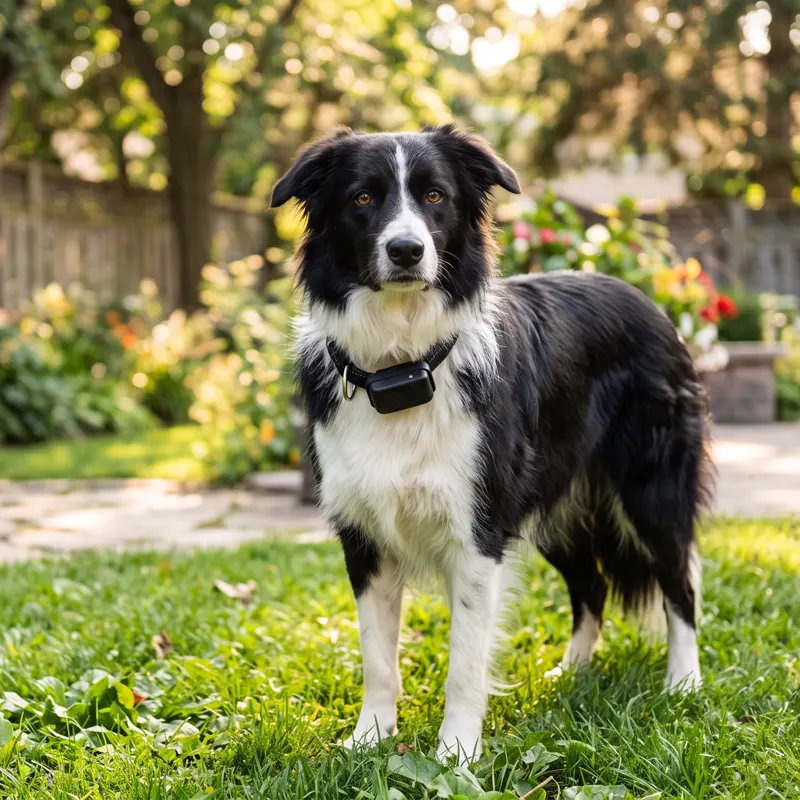
A dog GPS tracker is a small device that attaches to your dog's collar or harness and reports the dog's location to an app on your phone. The best GPS tracker for your situation depends on three things: how your dog tends to get lost, how much mobile coverage your area has, and how often you are willing to charge another gadget. Everything else on the spec sheet matters less than those three questions.
Owners who benefit most from a GPS tracker fall into a few clear groups. Escape artists that dig under fences or bolt through open gates are the obvious case, because a live location fix turns a panicked neighborhood search into a short walk. Hikers and hunters who work their dogs off leash rely on trackers to keep contact in dense cover. Foster homes, newly adopted rescues, and noise-phobic dogs that panic during fireworks or storms are also strong candidates, since these dogs are far more likely to run before recall training is solid.
It also helps to be honest about what a tracker cannot do. A GPS tracker does not stop a dog from leaving; it only tells you where the dog went. It is not a substitute for a fence, a leash, recall training, or a microchip. Think of the tracker as a recovery tool that shortens the time between losing sight of your dog and having the dog back, and plan the rest of your setup around prevention.
How Dog GPS Trackers Work: GPS, Cellular, Bluetooth, and Radio
Most consumer trackers combine two systems. Satellite positioning, usually called GPS even when it also uses other satellite networks, tells the device where it is. A separate radio link then sends that position to you, and this second link is where products differ the most. The common designs are cellular trackers that send location over mobile networks, Bluetooth tags that rely on nearby phones, and long-range radio or LoRa systems that talk to a dedicated handheld or base station.
For more expert recommendations, check out our cat halters and leashes guide.
Cellular GPS trackers are the mainstream choice because they work at any distance, as long as the collar unit can reach a mobile network. If your dog crosses town, the tracker still reports in. The tradeoff is that most cellular trackers need a subscription to pay for that network connection, and they go quiet in areas with weak coverage, such as deep valleys, dense forest, or remote trails.
Bluetooth tags, the same kind of device people clip to key rings, are not true GPS trackers. They report a location only when they happen to be near a compatible phone, which makes them fine for finding gear in the house and unreliable for finding a dog that is moving away from people. Long-range radio and LoRa trackers flip the tradeoff: they work far from any mobile network, which is why hunters favor them, but they need their own handheld receiver, the hardware costs more up front, and range depends heavily on terrain.
The practical takeaway: match the radio link to where your dog actually roams. Suburban and urban dogs are well served by a cellular GPS tracker. Dogs that work in true dead zones need radio or LoRa gear. Bluetooth tags should be treated as backup identification, not as a primary tracker.
Subscription vs No-Subscription Trackers
The subscription question causes more buyer's remorse than any other part of choosing a GPS tracker, so it is worth understanding what the fee actually buys. A cellular tracker contains what amounts to a small mobile device, and the monthly or yearly plan pays for its network access. When a product advertises live tracking anywhere with no phone nearby, some form of network cost is being paid somewhere, either as a visible plan or baked into a higher hardware price.
No-subscription options come in two honest flavors and one misleading one. The honest ones are radio or LoRa systems, where you buy the receiver hardware up front, and Bluetooth tags, which simply do not offer live tracking. The misleading flavor is a cheap device advertised as a free GPS tracker that quietly requires you to insert and pay for your own SIM card, which just moves the subscription to a different bill.
When you compare costs, think in years, not months. A modestly priced tracker with a plan can cost more over a few years than a pricier no-subscription system, while the reverse can also be true if the no-subscription hardware needs replacing. Also check whether the app charges extra for features like location history, escape alerts, or family sharing, and whether a lapsed plan turns the collar unit into a paperweight. A tracker you cancel and cannot reactivate cheaply protects nobody.
Battery Life: What Actually Drains a Tracker
Battery claims are where marketing and reality drift furthest apart, and the gap is not dishonesty so much as settings. A GPS tracker sipping power in a slow update mode, checking location every few minutes, can last many days. The same tracker in live mode, updating every few seconds during an escape, drains dramatically faster. Weak mobile signal also shortens battery life, because the radio works harder to stay connected, which is exactly what happens in the rural areas where dogs are hardest to find.
You might also find our martingale collar article helpful when shopping.
Instead of chasing the biggest advertised number, look at how the tracker behaves in the scenario you bought it for. A useful mental test: if your dog went missing this afternoon, how many hours of continuous live tracking would remain on today's charge? A device that lasts weeks in standby but only a short stretch in live mode may still be fine for a homebody dog, and completely wrong for a repeat escape artist.
Charging habits decide whether any of this matters. Pick a tracker whose charging routine you will actually keep, whether that is a quick top-up during dinner or a weekly session on a charging base. Set low-battery alerts in the app on day one, and charge before every hike, trip, or fireworks night rather than trusting the average. A dead tracker on the one bad day is the failure mode that owners regret most.
Fit, Weight, and Comfort on the Collar
A tracker only works if the dog is actually wearing it, so comfort is a functional feature, not a luxury. The device should be light relative to your dog, sit snugly against the collar without swinging, and leave room for the usual two-finger gap between collar and neck. A unit that bounces during running annoys the dog, chews through battery as it loses and regains signal against the body, and takes more knocks than one that rides firmly.
Small dogs deserve extra care here. A tracker that disappears on a retriever can be a brick on a terrier, dragging the collar around the neck and rubbing fur thin. For little dogs, prioritize the lightest tracker that still meets your coverage needs, consider harness mounting if the maker supports it, and check the maker's own minimum dog size guidance rather than assuming one size fits all. For thick-coated breeds, make sure the attachment does not trap and pull undercoat.
Mounting style matters more than it first appears. Clip-on units let you keep a favorite collar but add a failure point at the clip, so check that it locks positively rather than just snapping over the strap. Integrated designs, where the electronics are built into the collar band, remove that weak link but commit you to the maker's sizing and replacement bands. Whichever you choose, do a tug test after every few walks, and inspect the mount weekly the same way you check the collar buckle itself.
Features That Matter More Than the Spec Sheet
Geofencing, sometimes called safe zones or virtual fences, is the feature that quietly does the most work. You draw a boundary around your home or yard in the app, and the tracker alerts you when the dog leaves it. This turns the tracker from a search tool into an early warning system, because you learn about the escape while the dog is still a block away, not an hour later. Look for how quickly escape alerts actually arrive and whether you can set multiple zones, such as home, the sitter's house, and the office.
Looking for more options? Our dog in leash roundup covers additional top picks.
Live tracking mode is the second essential. When the dog is missing, you want frequent location updates on a clear map, ideally with a directional guide that points you toward the dog as you move. Location history is more useful than it sounds, too: seeing the route your dog took reveals how the escape happened, which fence corner failed, and which neighbor's chickens are the standing temptation.
Beyond those, judge features by your life rather than by the checklist. Waterproofing matters for swimmers, not just for rain. A light or sound on the collar unit helps locate a dog in the dark once you are close. Activity and sleep tracking is a pleasant extra, and for some owners a genuinely useful health signal, but it should never outrank tracking reliability in the buying decision. A tracker's one job is telling you where the dog is; everything else is garnish.
Matching a GPS Tracker to Your Dog and Lifestyle
Start with your dog's escape profile. A door-darter in a dense suburb needs fast escape alerts and reliable cellular coverage, and almost any mainstream cellular GPS tracker will serve. A rural free-roamer or a hunting dog needs range and battery in dead zones, which points toward LoRa or radio systems even though they cost more up front. A senior dog that has started to wander due to age-related confusion needs a tracker that is light, comfortable, and always on, with tight safe zones around home.
Then check the boring practicalities that decide daily use. Confirm the maker's coverage map actually includes your area, not just your country. Read how the app handles multiple dogs and multiple family members, because a tracker only one person can see is a single point of failure during a real search. If you travel across borders with your dog, check whether the plan covers roaming or stops at the border.
Finally, buy for the bad day, not the demo. Reviews that describe real lost-dog recoveries tell you more than unboxing impressions. A returns window long enough to test coverage at your own home, on your own dog, is worth more than any launch discount. If two options are close, choose the one whose app you find clearer under stress, because you will be reading it while walking fast and calling your dog's name.
Setup, Testing, and a Final Buying Checklist
Set the tracker up before you need it, on a calm weekend, not the night before a trip. Charge it fully, attach it properly, and create your safe zones. Then run a real drill: have a family member walk the dog a few streets away while you follow the live map, time how long the escape alert takes, and practice the find-my-dog flow until it feels automatic. This is also when you discover the app quirks, notification settings, and phone permissions that would otherwise surprise you mid-crisis.
Build a small habit loop around the device. Check the battery icon when you check your own phone in the morning. Glance at the mount during your weekly collar check. Update the app before travel. Keep the dog's microchip registration current as the permanent backup layer, and keep an ID tag on the collar, because the fastest recovery is still a neighbor reading your phone number off the tag while the GPS tracker confirms the story.
Use a final checklist before paying: coverage confirmed at your home and usual walking areas; weight appropriate for your dog; battery behavior acceptable in live mode, not just standby; subscription terms clear, including what happens if you pause or cancel; escape alerts fast enough to act on; app usable by everyone in the household; and mounting secure enough to survive play. A dog GPS tracker that passes those checks will earn its place on the collar, and with luck you will never need its most important feature.
For more independent, vet-reviewed guidance on this topic, the American Kennel Club expert advice center is an excellent place to start.
Frequently Asked Questions
How accurate is a dog GPS tracker?
Consumer satellite positioning is generally accurate to within a few meters in open sky, and less accurate among tall buildings, in dense forest, or indoors. In practice a tracker gets you to the right yard or trail section, and your eyes, ears, and a light on the collar unit close the final gap. Accuracy also improves in live mode, when the device updates its position more frequently.
Does a GPS tracker work without mobile coverage?
The satellite part usually still knows where it is, but a cellular tracker cannot report that position to your phone without network coverage, so the app shows the last known location until coverage returns. If your dog roams true dead zones, choose a long-range radio or LoRa system that talks directly to a handheld receiver instead of relying on mobile networks.
Is a GPS tracker better than a microchip?
They solve different problems and work best together. A microchip is permanent identification that a shelter or vet scans after someone else finds your dog, while a GPS tracker helps you find the dog yourself in the first minutes and hours. The chip cannot be lost, and the tracker cannot be scanned; keeping both, plus a readable ID tag, covers all three recovery paths.
Can a small dog wear a GPS tracker?
Yes, if the unit is chosen for their size. Look for the lightest tracker that meets your coverage needs, follow the maker's minimum size guidance, and watch the first few days for rubbing or collar sag. For very small dogs, mounting on a well-fitted harness can spread the weight more comfortably than a narrow collar.
How often will I need to charge a dog GPS tracker?
It depends on the update settings, signal strength, and how often live mode runs, so treat advertised figures as best-case. Many owners settle into charging somewhere between every few days and every couple of weeks. The safer habit is watching the app's battery alerts and topping up before hikes, trips, and fireworks nights rather than following a fixed schedule.
Will a GPS tracker stop my dog from escaping?
No. A tracker is a recovery tool, not a barrier, and it does not correct behavior or replace fencing, leashes, or recall training. What it changes is the outcome of an escape: instead of searching blind, you follow a live map while the trail is fresh. Pair the tracker with escape-proofing the yard and steady recall practice for actual prevention.
Do all dog GPS trackers require a subscription?
No, but most cellular ones do, because the plan pays for the mobile network the tracker uses to reach your phone at any distance. Systems without a plan either use their own long-range radio link and a dedicated receiver, or they are short-range Bluetooth tags that cannot follow a moving dog. Cheap devices that require your own SIM card still carry a network cost, just on a different bill.
Browse Accessories
Free US shipping on every order. No minimum purchase required.
Browse Accessories →Locator, tag, or chip? Our GPS locator for dogs guide compares all three and lists maker battery claims side by side.