If you are looking for the best fi collar, this comprehensive guide covers everything you need to know. Whether you are a first-time pet owner or an experienced one looking to upgrade, you will find practical advice, safety tips, and honest comparisons below.
What the Fi Collar Is
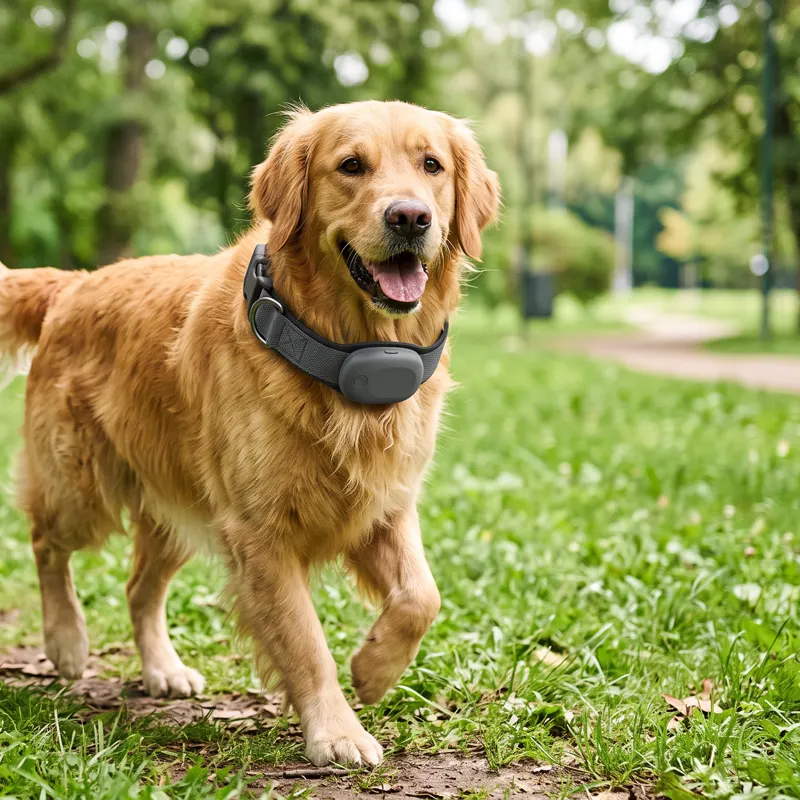
Fi is an American brand of GPS smart collar: a collar with a tracking and activity module built into the band, paired with a phone app. Instead of clipping a separate tracker onto a collar you already own, the Fi approach integrates the electronics into a purpose-built collar so the device sits flat, stays put, and is always on the dog. The app shows where the dog is, how much it has moved, and whether it has left the places you told the app to treat as home.
The brand became popular on the strength of a few clear promises: long battery life compared with many rival trackers, a rugged integrated design, escape alerts when a dog leaves a safe zone, and activity plus sleep tracking that turns the collar into something like a fitness band for dogs. Over the years Fi has shipped several hardware generations, and the details of features and plans have shifted between them, which is why this guide stays at the level of how the system works rather than quoting numbers that age badly.
The honest one-paragraph summary for a busy reader: the Fi collar is a strong option if you want always-on tracking in a tidy package and you are comfortable paying a subscription for cellular tracking. It is a weaker fit if you refuse ongoing fees, need tracking in areas with poor mobile coverage, or want a device you can move freely between collars and dogs. The rest of this article unpacks those tradeoffs.
How the Fi Collar Tracks Your Dog
Like most modern pet trackers, the collar layers several location technologies. Satellite positioning tells the device where it is outdoors. A cellular radio reports that position to the app over mobile networks, which is what lets you see a runaway dog across town. Short-range wireless links to your phone and to a home base help the system tell when the dog is safely home, which saves battery and keeps the map calm during normal days.
For more expert recommendations, check out our collars guide.
Day to day, the experience is built around zones and alerts rather than constant watching. You mark home and other trusted places, and the collar quietly confirms the dog is where it should be. If the dog leaves a zone without a linked phone nearby, the system flags a possible escape and shifts into a live tracking mode with frequent location updates so you can follow the dog on the map while you search. This zone-based design is the core of what makes a smart collar useful in practice.
The same module doubles as an activity tracker. Step counts, activity goals, and sleep patterns give you a rough picture of whether the dog is getting enough exercise and resting normally, and unusual drops in activity can be an early nudge to look closer at health. Treat these readings as trends rather than medical instruments: the value is in noticing change over weeks, not in any single day's number.
The Subscription Question
Cellular tracking costs money to operate, and Fi, like most GPS collar brands, covers that with a subscription. The plan is what pays for the mobile network connection that lets the collar report its position from anywhere with coverage, without your phone nearby. On current generations the subscription is central to the product rather than an optional extra, so the fair way to think about the purchase is hardware plus an ongoing plan, not a one-time gadget.
Before buying any subscription tracker, read the current terms on the maker's own site and check three things. First, what actually works if you stop paying: with plan-centric products, tracking features generally stop when the plan does. Second, what the plan costs per year rather than per month, and whether multi-year commitments lock you in. Third, how easily a collar can be transferred to another dog or owner, which matters for multi-dog homes, fosters, and resale.
The subscription is not automatically a mark against the product. Compared with no-subscription radio systems, a plan-based smart collar usually means lower upfront cost, coverage that spans the whole mobile network rather than a handheld receiver's range, and software that keeps improving. The question is simply whether always-on cellular tracking is worth an ongoing fee in your situation. For an escape-prone dog in a well-covered suburb, it often is; for a homebody dog in a dead zone, it often is not.
Battery Life and Build Quality
Long battery life is one of Fi's signature claims, and the mechanism behind it is worth understanding because it applies to every smart collar. The collar saves power by doing very little while the dog is confirmed safe at home, using short-range connections instead of constantly running satellite and cellular radios. Battery drains much faster when the dog is away from base, in live tracking mode, or in areas with weak signal where the radios work harder. The same collar can therefore last dramatically different lengths of time in different households.
You might also find our prong collar article helpful when shopping.
Practical battery advice is the same as for any tracker: judge the device by how it behaves in your normal week, set low-battery alerts, and charge before high-risk days like trips, hikes, storms, and fireworks. A charging routine you will actually keep beats an impressive number you read before buying. If your dog spends most days away from the home base, expect more frequent charging than the headline figures suggest.
On build, the integrated design is a genuine strength. There is no clip to snap off and no dangling module to catch on brush, and the band is built to survive chewing-adjacent abuse, mud, and swimming better than most clip-on arrangements. The tradeoff is commitment: you wear the maker's band, in the maker's sizes, and replacement bands come from the same ecosystem. Dogs with unusual necks, very small dogs, and owners attached to a particular collar style should check sizing carefully before ordering.
Sizing, Fit, and Everyday Wear
Fit rules for a smart collar are the same as for any collar, with a little extra weight to account for. You want a snug fit with room for two fingers between band and neck, the module riding on top or to the side where it will not press into the throat, and no sliding around during running. Because the electronics add bulk, small dogs feel the collar more than large dogs do, so check the maker's sizing guidance honestly against your dog's neck measurement rather than rounding up.
Plan for an adjustment period. Most dogs ignore the new collar within a day or two, but first-time wearers may scratch at it initially. Fit it during a calm evening, pair it with treats, and check under the band for rubbing during the first week, especially on thin-coated or sensitive-skinned dogs. Take the collar off periodically for coat care, and give the contact area the same weekly glance you give paws and ears.
Everyday logistics matter more than they sound. Decide where the charging spot lives so charging becomes part of a routine rather than a chore you forget. Add the dog's ID tag to the collar band, because a neighbor reading a phone number is still the fastest recovery there is, and the tag works when batteries do not. If your dog wears a harness on walks, the collar simply rides along; tracking does not care which piece of gear takes the leash.
Fi Collar vs Other Tracking Options
The smart collar category that Fi occupies is one of several ways to keep tabs on a dog, and the right choice depends on where you live and how your dog gets lost. Against clip-on GPS trackers from other brands, the integrated collar trades flexibility for tidiness: you cannot move it onto your favorite leather collar, but nothing dangles, and the always-on design means there is no morning you forgot to clip the tracker on. Feature sets are broadly similar across the mainstream cellular options; app quality, battery behavior, and plan pricing are where they compete.
Looking for more options? Our e collar roundup covers additional top picks.
Against Bluetooth item tags, there is no real contest for a moving dog. Tags only report location when a compatible phone happens to be nearby, which works in dense cities and fails exactly when a dog is running away from people. Against long-range radio and LoRa systems, the comparison flips: those work in wilderness far beyond mobile coverage and skip monthly fees, but they cost more upfront, need a receiver in your hand, and lack the polished app-and-alerts experience of a cellular smart collar.
And against a microchip, the comparison is a partnership, not a contest. The chip is permanent identification that shelters and vets scan after someone finds your dog; the collar is how you find the dog yourself while the trail is fresh. Every tracked dog should still be chipped, with the registration kept current, and still wear a readable ID tag. The three layers fail in different ways, which is exactly why they work together.
Who the Fi Collar Suits, and Who Should Skip It
The strongest match is a household with reliable mobile coverage and a dog whose escape risk is real: door-darters, fence-testers, newly adopted rescues, noise-phobic dogs, and adventurous off-leash companions. For these owners, always-on tracking with escape alerts is not a gimmick; it changes the outcome of the worst afternoon of the year. Data-minded owners who will actually use activity and sleep trends get extra value from the same hardware.
The weakest match is the owner in a coverage dead zone, because a cellular collar that cannot reach the network is just a fitness band. Owners philosophically opposed to subscriptions, those with very small dogs at the edge of the sizing range, and working-dog handlers in true wilderness are better served by other designs, from LoRa systems to lighter clip-on units. Multi-dog homes should also price the plan honestly, since each tracked dog needs its own collar and plan.
If you sit between those poles, decide based on the failure you most want to avoid. If your nightmare is a dog loose in traffic while you refresh a blank map, a mainstream smart collar with good coverage at your address is a rational purchase. If your nightmare is paying every month for a feature you never use, buy prevention instead: better fencing, recall training, and a well-fitted harness, with a chip and ID tag as the safety net.
Before You Buy: A Practical Checklist
Verify the essentials against the maker's current information rather than reviews from years past, because smart collar hardware, apps, and plans all change between generations. Confirm coverage at your address and your usual parks and trails. Confirm current plan pricing and what happens if you pause or cancel. Confirm sizing against a real measurement of your dog's neck. Confirm the returns window is long enough to test the collar on your dog, in your house, on your streets.
Once it arrives, set it up like it matters. Create your safe zones, invite every family member who might lead a search, and run a drill: have someone walk the dog a few blocks while you follow the live map and time the escape alert. Establish the charging spot and tie charging to an existing habit. Keep the microchip registration current and the ID tag on the band, so all three recovery layers are live from day one.
The bottom line on the Fi collar mirrors the bottom line on the whole category: a GPS smart collar is a recovery tool that buys you time and information on the worst day of dog ownership. It does not replace training, fencing, or attention, and the subscription is the price of the network that makes it work anywhere. Decide with your coverage map and your dog's habits in front of you, and whichever tracker you choose will have a fair chance to earn its keep.
If you want to dig deeper into the research, the ASPCA pet care library publishes practical, expert-reviewed resources for pet owners.
Frequently Asked Questions
Does the Fi collar require a subscription?
On current generations the subscription is central to the product: it pays for the cellular connection that lets the collar report the dog's location from anywhere with coverage. Expect tracking features to stop when a plan lapses, and check the maker's current terms for exact details, since plans and features have changed between hardware generations.
How long does the Fi collar battery really last?
It depends heavily on how much time the dog spends away from the home base and how often live tracking runs. Near base, the collar conserves power aggressively and can go a long time between charges; away from base, in live mode, or in weak signal, it drains much faster. Watch the app's battery alerts and charge before high-risk days rather than relying on headline figures.
Will a Fi collar work where there is no cell coverage?
Not for live tracking. The collar can generally still record where it has been, but it needs a mobile network to report positions to your phone in real time, so the map shows the last known location until coverage returns. If your dog roams genuine dead zones, a long-range radio or LoRa tracking system is the better tool.
Can a cat or a very small dog wear a Fi collar?
The product is designed for dogs, and small animals feel the module's size and weight the most. Check the maker's current minimum size guidance against a real neck measurement before ordering. For tiny dogs, a lightweight clip-on tracker mounted on a well-fitted harness is often more comfortable than any integrated smart collar.
Does a Fi collar replace a microchip?
No, and the two should always be used together. The chip is permanent identification that a vet or shelter scans after someone else finds your dog; the collar helps you find the dog yourself in the first minutes. The chip cannot fall off, and the collar cannot be scanned, so each covers the other's blind spot, with a readable ID tag as the third layer.
Is the Fi collar worth it compared with other GPS trackers?
It is competitive if you value the integrated always-on design, escape alerts, and activity trends, and if your area has solid coverage. Rival clip-on trackers offer similar core features with more flexibility about which collar you use, and radio systems win in remote terrain. Compare current plan pricing over a full year and check coverage at your address before deciding.
How tight should a GPS smart collar fit?
The same as any collar: snug enough not to slide over the ears or rotate freely, loose enough to fit two fingers flat between band and neck. Keep the module positioned so it does not press on the throat, check under the band for rubbing during the first week, and re-check fit whenever the dog's weight or coat changes seasonally.
Browse Accessories
Free US shipping on every order. No minimum purchase required.
Browse Accessories →