If you are looking for the best dog water fountain, this comprehensive guide covers everything you need to know. Whether you are a first-time pet owner or an experienced one looking to upgrade, you will find practical advice, safety tips, and honest comparisons below.
Do Dog Water Fountains Actually Work?
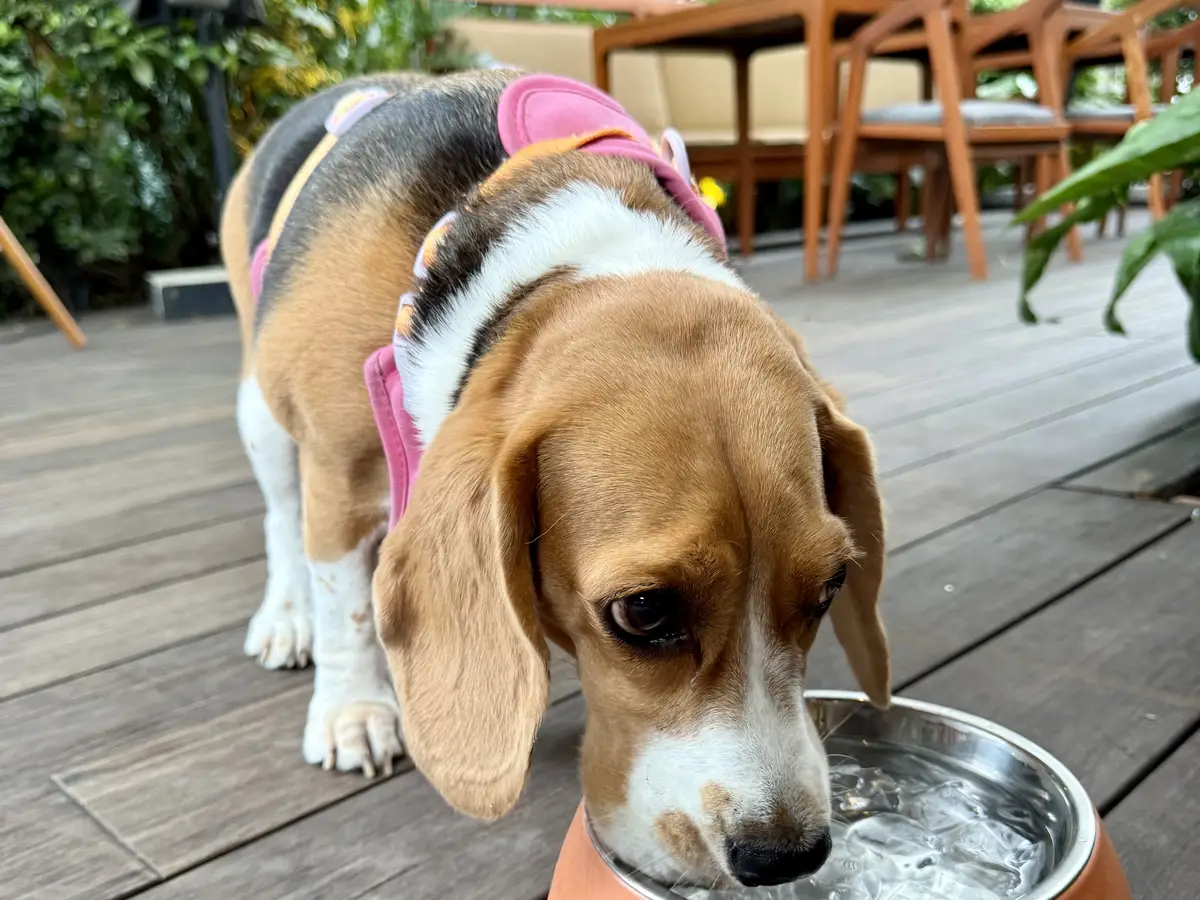
The pitch behind almost every dog water fountain sounds simple: dogs are drawn to moving water the way they are drawn to a running tap or a garden hose, so a small motorized bowl will turn a lazy drinker into an enthusiastic one. That story is tidier than the evidence behind it. Veterinary behaviorist Dr. Carlo Siracusa, quoted directly by the American Kennel Club, put it plainly: he is unaware of evidence supporting the theory that dogs prefer running water. That same AKC reporting notes the running-water preference is better documented in cats than in dogs.
That does not make a fountain a wasted purchase. The AKC article points out that dogs generally prefer their water on the cooler side, and a fountain's constant circulation keeps a bowl from warming up the way a still dish does near a sunny window or a heating vent. A fountain also refills itself from a larger reservoir, which matters in a two or three dog household where a single bowl can run dry by mid-afternoon, and the moving surface makes it harder for floating fur and dust to sit undisturbed the way they do in a shallow static bowl.
The honest way to frame a dog water fountain is as a convenience and freshness upgrade, not a guaranteed fix for a dog who will not drink. If your dog already drinks normally from a regular bowl, a fountain is optional rather than necessary. If your dog seems to avoid a stale-smelling dish, drinks more eagerly from a running tap or a puddle than from its own bowl, or you are simply tired of topping off water for multiple dogs throughout the day, a fountain solves a real, practical problem even without the running-water myth doing any of the work.
One genuine driver of fountain interest is curiosity and habit rather than a hydration instinct. Dogs that already enjoy playing in sprinklers, hoses, or puddles often transfer that interest to a fountain bowl and end up visiting it more often simply because it is more entertaining than a static dish. A dog with no particular interest in water beyond drinking it is far less likely to see any behavior change from switching to a fountain, and that is worth knowing before spending on one purely to fix a picky drinker. If your dog loves splashing, our water toys for dogs guide can help you build safer water play around the drinking station.
How Much Water Your Dog Actually Needs
Before worrying about fountains versus bowls, it helps to know the baseline. The AKC's dehydration guidance states the general rule as at least one ounce of water per pound of body weight per day. A 30-pound dog, in other words, needs roughly a quart of water on an average day, and that figure climbs with heat, exercise, and a dry kibble diet, since kibble carries almost no moisture compared with canned or fresh food.
If you want even more options, check out our guide to dog toys on sale.
Several everyday factors push water needs well above that baseline. Hot weather and intense exercise both increase fluid loss through panting. Dogs eating exclusively dry kibble need to drink more than dogs on a wet or fresh diet, because they are not getting water from their food. Pregnant or nursing dogs, and dogs on certain medications such as diuretics or steroids, also typically need more water than the standard rule suggests, so treat the ounce-per-pound figure as a floor rather than a fixed target.
In a multi-dog household, the real question is not just how much water is available but whether every dog can actually get to it. A single bowl or a single small fountain reservoir can look adequate on paper while one confident dog effectively blocks a shier housemate from drinking freely. Placing a second water source in a different room, or choosing a fountain with a large enough reservoir and wide basin for more than one dog to drink from at once, matters more than the exact device you choose.
Pairing a water station with sensible feeding gear also helps overall hydration habits. A dog that eats too fast from a regular bowl often drinks in the same rushed way right afterward, gulping air along with water. If that describes your dog, our guide to slow feeder dog bowls, our broader look at dog bowls, and our slow feeding bowl guide cover ways to slow down mealtime that tend to calm down frantic post-meal drinking as well.
How a Dog Water Fountain Actually Works
Most dog water fountains share the same basic mechanism regardless of price or brand. A small submersible pump sits in the base reservoir and pushes water up through a filter tower or spout, where gravity pulls it back down into a catch basin or lets it flow gently over a ramp, before it drains back into the reservoir to be recirculated. The pump runs continuously on a low-voltage adapter, and better models let you adjust flow between a quiet trickle and a more active waterfall or bubbler stream. For the rest of your dog's daily mental workout, our dog puzzle toys guide explains how enrichment can complement a well-placed water station.
Filtration in these units is mechanical and adsorptive rather than sterilizing. A foam pre-filter, usually the first layer water passes through, physically traps loose fur, food debris, and larger particles before they reach the pump. A layer of activated carbon typically sits above or below that foam layer and works by adsorption, pulling odor- and taste-causing compounds and some dissolved impurities out of the water as it passes through, which is why fountain water often tastes and smells fresher to us even when tap water quality has not changed.
What a carbon and foam filter stack does not do is disinfect the water or make it microbiologically safe on its own. Both layers need regular replacement, typically every two to four weeks depending on use and water hardness, because a saturated carbon filter stops adsorbing anything new and a clogged foam filter can actually restrict flow enough to slow the pump or let debris bypass it entirely. Treat the filter as a freshness and clarity aid, not a substitute for cleaning the unit itself.
Fountain styles vary mainly in how the moving water is presented rather than in the underlying pump-and-filter mechanism. Waterfall-style units let water cascade down a tiered spout, bubbler-style units push water up through a central column, and simpler circulating bowls just keep a wide basin gently turning over. Quieter pump designs matter for noise-sensitive dogs and for placement in a bedroom or a small apartment, so checking a model's decibel rating or reviews specifically for pump noise is worth the extra few minutes before buying.
Choosing a Safe Material: Stainless Steel vs Plastic vs Ceramic
Stainless steel is the most forgiving material for a water fountain's reservoir and basin because it is non-porous, does not scratch the way plastic does, and stands up to dishwasher cleaning and repeated scrubbing without degrading. The main tradeoffs are cost and, in outdoor or very cold settings, temperature transfer, since a metal basin can get uncomfortably cold or hot to the touch faster than plastic or ceramic.
You might also enjoy our recommendations for dog toy for boredom.
Food-grade, BPA-free plastic is the most common material for the pump housing and filter towers even on fountains marketed as stainless steel, simply because plastic is lighter and easier to mold around a pump mechanism. The BPA-free label addresses one specific chemical-leaching concern but does not solve the bigger everyday issue with plastic surfaces, which is that fine scratches from scrubbing or from a dog's teeth and nails accumulate over time and give bacteria more surface area to cling to. A scratched plastic basin needs earlier replacement than a scratched stainless one would.
Ceramic sits between the two in practice. A glazed ceramic basin is smooth, non-porous, and heavy enough to resist tipping, which is genuinely useful for large or enthusiastic drinkers who nose a lightweight bowl around the floor. The catch is durability under impact: a dropped or chipped ceramic piece can develop a hairline crack that is hard to see but still harbors bacteria, so any chip or crack is a reason to retire that piece rather than keep using it.
For most households, a stainless steel basin paired with a BPA-free plastic pump housing and filter tower gives the best combination of durability, weight, and price, with ceramic as a solid alternative for dogs prone to tipping their water. Whatever material you choose, the material itself matters less than the cleaning habit that goes with it, which is covered next.
Cleaning Schedule: Stopping Biofilm Before It Starts
The slimy film that eventually coats an under-cleaned bowl or fountain basin is biofilm: a layer of bacteria and minerals that bonds to a wet surface and starts forming within a day or two of neglect, well before it becomes visible or slippery to the touch. A fountain does not prevent biofilm just because the water is moving; circulation slows buildup compared with a fully still bowl, but it does not stop it, and a fountain's extra surfaces, tubing, and filter housing actually give biofilm more places to establish itself than a simple bowl has.
A workable schedule is a daily glance and top-off, a two to three times per week wipe-down of the visible basin with hot water and a bottle brush, and a full weekly teardown where you disassemble the pump, filter tower, and tubing, scrub every surface including the impeller under the pump lid, and rinse thoroughly before reassembly. Households with multiple pets, hard water, or a fountain placed somewhere warm should lean toward the more frequent end of that range rather than stretching cleanings out.
Warning signs that a fountain has fallen behind schedule include a visible film on the basin walls, water that smells musty or looks cloudy soon after cleaning, a pump that runs noticeably louder or weaker than usual, or any discoloration on the filter tower itself. Any of these is a signal to do a full disassembly clean immediately rather than waiting for the next scheduled one, since dogs generally will not refuse to drink from a fouled fountain the way they might from an obviously dirty bowl, which means the problem can persist unnoticed.
Filter replacement is a separate task from cleaning and should not be skipped just because the basin looks clean. A saturated carbon filter left in place long past its replacement window stops improving taste and can start shedding trapped debris back into the water, so follow the manufacturer's replacement interval, generally every two to four weeks, rather than judging a filter purely by appearance.
Recognizing Dehydration and Overdrinking in Dogs
Whether your dog drinks from a bowl or a fountain, knowing what under-hydration looks like matters more than the equipment itself. According to the AKC's dehydration guidance, symptoms of canine dehydration include loss of skin elasticity, loss of appetite, vomiting with or without diarrhea, reduced energy and lethargy, panting, sunken dry-looking eyes, a dry nose, dry sticky gums, and thick saliva. A quick home check is to gently lift the skin between a dog's shoulder blades; skin that snaps back immediately suggests normal hydration, while skin that sinks back slowly can indicate dehydration worth a vet visit.
For related picks, take a look at our service dog vest roundup.
The opposite problem, a dog suddenly drinking far more than usual, deserves just as much attention. AKC's reporting on excessive thirst in dogs states that while it is normal to feel thirstier in hot weather or after exercise, a dog regularly drinking a lot of water can be one of the earliest clues of an underlying health problem, and that taking prompt action when you spot excessive thirst, known as polydipsia, gives a dog the best chance at a good recovery.
That same reporting lists diabetes mellitus, Cushing's disease, and chronic kidney disease among the more serious conditions that commonly present with increased thirst, alongside more everyday causes like a recent switch to drier food or hot weather. The point of mentioning this in a fountain guide is practical: because a fountain refills itself automatically and holds a larger reservoir than a bowl, a gradual increase in a dog's water consumption is much easier to miss when nobody is manually refilling and noticing an emptier bowl each day.
A simple habit closes that gap. Mark the fountain reservoir's fill line or note roughly how often you top it up in a normal week, so a sudden jump in refill frequency stands out the same way it would with a bowl. If you notice that shift, alongside any of the dehydration or excessive-thirst signs above, treat it as a reason to call your veterinarian rather than something a fountain or a bowl swap can fix on its own.
Matching a Fountain to Your Dog and Household
Size and breed shape which fountain design actually gets used. Small and toy breeds do better with a shallow basin and a gentle, low-flow setting, since a strong bubbler stream can splash a small dog's face on every visit. Large and giant breeds need a wide, heavy, low center-of-gravity base that will not tip or slide when a big dog leans in, along with a reservoir large enough that it is not being refilled multiple times a day.
Senior dogs and dogs with arthritis or mobility issues benefit from a fountain with a low lip they can reach without straining their neck or front legs, positioned somewhere they do not have to navigate stairs or slippery flooring to reach. A raised platform under a fountain, similar to the raised feeding setups covered in our dog bowls guide, can help older dogs drink comfortably without extra strain.
Households that mix cats and dogs, or multiple dogs of different sizes, generally do better with one larger shared fountain placed centrally than with several small ones scattered around, since a bigger reservoir means less frequent refilling and a wider basin lets more than one animal drink at once without crowding. Watch for a confident pet guarding the fountain from a shier housemate, and add a second water source in another room if that happens.
Noise-sensitive dogs, anxious dogs, and any fountain destined for a bedroom or a small apartment need a pump rated for quiet operation, since even a mild hum can be enough to make a nervous dog avoid the water source entirely. When in doubt, prioritize a slow, quiet flow setting and a design you can genuinely commit to cleaning weekly over a louder, more elaborate fountain that looks impressive but gets neglected once the novelty wears off. A broader dog enrichment activities guide can help you choose other low-stress routines that support calm behavior around the water station.
For more independent, vet-reviewed guidance on this topic, the American Kennel Club expert advice center is an excellent place to start.
Frequently Asked Questions
Do dogs really prefer running water over still water?
The evidence is weaker than the marketing suggests. A veterinary behaviorist quoted by the AKC says there is no solid evidence dogs prefer running water, and the preference is better documented in cats. Dogs do tend to prefer cooler water, which is one real reason a circulating fountain can help.
How much water should my dog drink each day?
A general rule from the AKC is at least one ounce of water per pound of body weight per day, so a 30-pound dog needs roughly a quart. Heat, exercise, a dry kibble diet, pregnancy, nursing, and some medications all increase that baseline need.
How often should I clean a dog water fountain?
Wipe the visible basin two to three times a week and do a full teardown clean, including the pump and filter tower, at least once a week. Multiple pets, hard water, or a warm placement all call for cleaning on the more frequent end of that range, plus filter replacement roughly every two to four weeks.
What is the healthiest material for a dog water fountain?
Stainless steel is the most durable and scratch-resistant choice for the basin, food-grade BPA-free plastic is fine for the pump housing and filter tower, and glazed ceramic is a heavier, tip-resistant alternative as long as it has no chips or cracks.
When should increased thirst in my dog worry me?
A dog that suddenly starts drinking noticeably more than usual, outside of hot weather or extra exercise, can be showing an early sign of conditions such as diabetes, Cushing's disease, or kidney disease. The AKC recommends treating a real increase in thirst as a reason to see a veterinarian promptly.
Can cats and dogs share the same water fountain?
Generally yes, as long as the reservoir is large enough and the basin wide enough that neither pet feels crowded out. Watch for one confident pet blocking a shier housemate from the fountain, and add a second water bowl elsewhere if that happens.