If you are looking for the best cat window perch, this comprehensive guide covers everything you need to know. Whether you are a first-time pet owner or an experienced one looking to upgrade, you will find practical advice, safety tips, and honest comparisons below.
Why Cats Are Drawn to Windows and Height
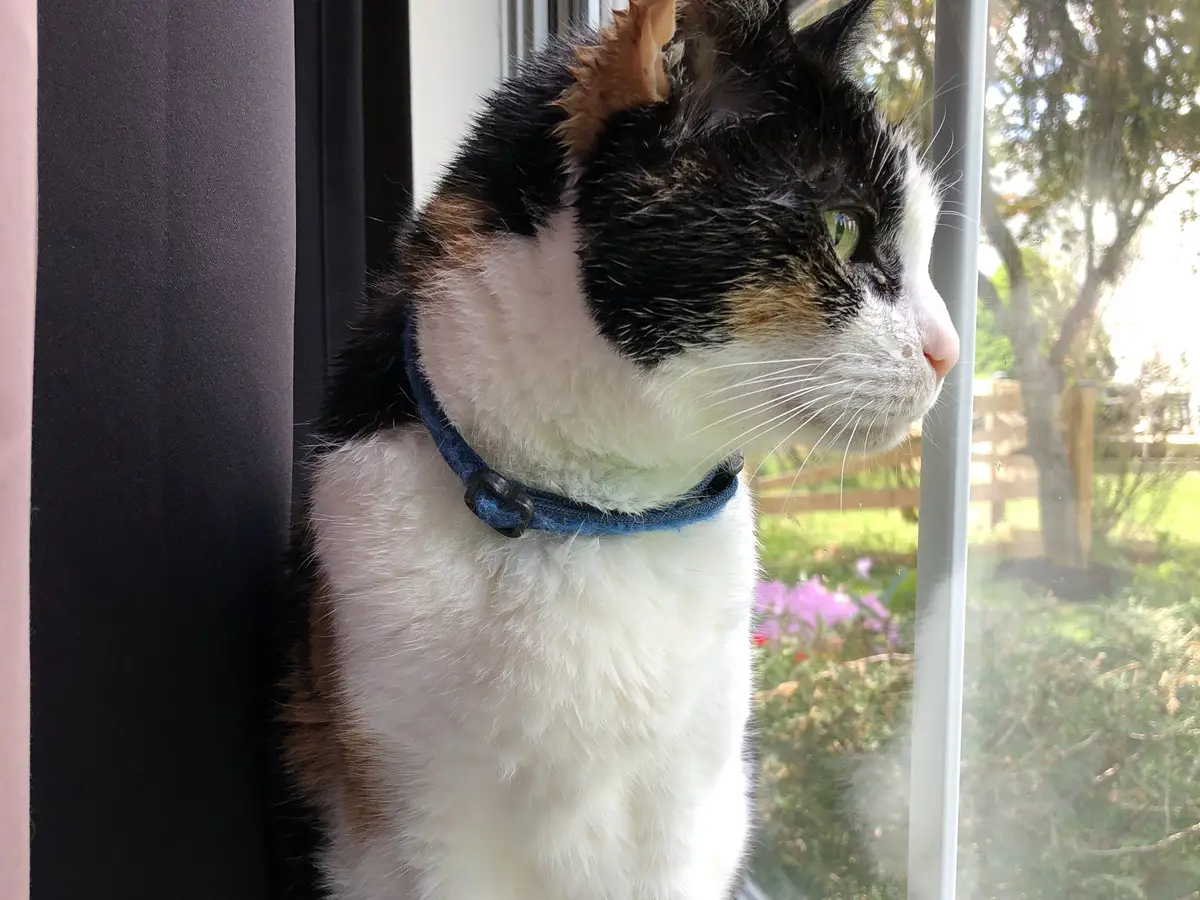
Cats read a room vertically as much as horizontally. A spot up high lets a cat see the whole territory at once, keep an eye on doors and other pets, and rest somewhere it feels safe from anything approaching at floor level. A window perch gives an indoor cat the best version of that instinct: elevation plus a constantly changing view of the outside world, which is exactly the kind of stimulation a cat confined to a single-level apartment or house often lacks.
Veterinary sources treat this as more than a nice-to-have. Cornell Feline Health Center's guidance on destructive behavior in cats specifically recommends a home-built or purchased setup with crawl spaces and perches to help occupy a cat's time, framing vertical enrichment as a practical way to prevent the boredom that turns into scratched furniture, chewed cords, or fabric sucking.
A window perch also answers a need that a cat tree alone does not: something to actually watch. Birds, falling leaves, passing cars, and neighborhood cats all give an indoor cat's brain something to track and react to, which matters most for cats that spend long stretches of the day alone while their owners are at work. That combination of height and a changing view is why a window perch tends to become one of the most-used pieces of furniture in a cat's world once it is installed correctly.
None of this means every cat will use a perch the same way. Some cats treat a window perch as a full-time lookout post and nap spot, while others use it in short bursts triggered by specific outdoor activity, like a bird feeder filling up or a dog walking past. Either pattern is normal, and a perch that only gets occasional use is still doing its job on the days something outside catches your cat's attention.
The 'Cat TV' Effect: Enrichment Through Watching
Owners often nickname a good window view 'cat TV,' and the comparison holds up better than it sounds. Watching outdoor activity engages a cat's hunting instincts (tracking movement, fixating on prey-like targets such as birds or squirrels) without any of the risk or mess of actual hunting, which makes it a low-effort, high-value form of mental stimulation for an indoor cat.
Cat parents might also find our water drinking fountain cats guide helpful.
This kind of passive visual enrichment matters most for cats that do not get much active play during the day. A ten-minute wand toy session in the evening covers physical exercise, but it does not fill the long stretches of an empty afternoon the way a window with regular outdoor activity can. Placing a perch near a bird feeder, a tree with squirrel traffic, or even just a busy street corner turns dead time into something a cat is actively engaged with.
Multiple perches at different windows also let a cat rotate views throughout the day, following the sun or simply changing scenery, which mirrors the way cats naturally patrol several vantage points in an outdoor territory. A single perch in a rarely used room gets far less use than one placed where the cat already prefers to spend time.
The tradeoff is that a window with nothing happening outside, facing a blank wall or an interior courtyard, will not deliver the same enrichment value no matter how well the perch itself is built. Before installing a perch, spend a day noting which windows in your home actually show meaningful outdoor activity, and prioritize those locations over a room that simply has convenient wall space.
Types of Window Perches: Suction Cup, Bracket, and Sill Designs
Suction cup perches attach directly to the glass using large rubber cups and typically fold down for easy removal, which makes them popular in rentals where drilling into a wall or window frame is not allowed. Their convenience comes with a real limitation: suction holds less reliably over time as the cups lose grip, get exposed to temperature swings, or simply age, so they suit lighter cats and households willing to check the seal regularly rather than heavier or multiple cats using the perch at once.
Bracket-mounted perches screw into the window frame or the wall beside it and hold weight far more predictably than suction alone, since the load is carried by fasteners in solid material rather than by an adhesive-style grip on glass. This style is the better choice for larger cats, multi-cat households where more than one cat might climb on together, or any home where the perch will see daily heavy use over years rather than months.
Sill-style perches simply rest on or clamp around an existing windowsill, using the sill's own structure for support rather than the glass or the wall. Where a sill is deep and sturdy, this can be the simplest and most stable option of the three; where a sill is narrow, hollow, or already installed with blinds hardware, it may not give a secure enough base and a bracket or floor-standing window perch tower becomes the safer choice.
Floor-standing perch towers, which place a platform at window height using their own legs rather than attaching to the window at all, sidestep the mounting question entirely and work in situations where drilling is not possible and the sill is unsuitable. They take up more floor space but remove any uncertainty about what the window or frame can safely support.
Mounting Safety: What to Check Before Your Cat Jumps On
Every perch, regardless of style, lists a maximum weight capacity from the manufacturer, and that number should account for a cat landing with force from a jump, not just standing weight. A perch rated for a 15-pound cat sitting still may not hold up well to a 12-pound cat leaping onto it repeatedly, so treat the stated capacity as a ceiling to stay well under rather than a target to approach.
For more feline-friendly picks, browse our cat tree for big cats roundup.
Before letting a cat use a new perch unsupervised, test it yourself. Press down firmly on the platform from several angles, check that suction cups have fully sealed against clean, dry glass, and confirm bracket screws are seated into solid material rather than drywall alone. A perch that shifts, flexes noticeably, or feels loose under hand pressure needs adjustment before a cat is allowed near it.
Suction-mounted perches specifically need periodic rechecking, since grip can weaken gradually without any obvious warning sign until the moment it fails. A simple habit of pressing on the cups once a week, and replacing a perch outright once the cups show cracking or noticeably reduced hold, prevents the kind of sudden failure that a one-time installation check cannot catch months later.
Multi-cat households should assume more than one cat may use a perch at the same time even if it is sized for one, since cats do not always respect a perch's intended single-occupant design. Choosing a bracket-mounted or floor-standing option with real weight margin above the combined weight of your heaviest two cats removes this as a source of risk entirely.
Window Screens and the Real Fall Risk (High-Rise Syndrome)
A window perch increases how much time a cat spends right at an open or partially open window, which raises the stakes on window screen safety. The ASPCA's guidance on high-rise syndrome describes falling out of a window as capable of causing shattered jaws, punctured lungs, and broken limbs and pelvises, and notes that most high-rise syndrome cases are accidental falls from windows, terraces, and fire escapes rather than intentional jumps.
The same ASPCA guidance is direct about the fix: install snug and sturdy screens in all your windows, and if a screen is adjustable, make sure it is tightly wedged into the window frame rather than loosely resting in place. A standard window screen is not built to bear a cat's weight the way it is built to keep insects out, and a cat leaning, pushing, or pawing at a poorly seated screen can pop it loose from the outside pressure alone.
Placing a perch directly against a screened window means checking that screen's condition becomes a recurring task, not a one-time install detail. Inspect for tears, gaps at the frame edges, and any looseness every time you clean the perch, since a screen that was secure when installed can shift after seasonal temperature changes or repeated opening and closing of the window behind it.
None of this is a reason to skip window perches; it is a reason to treat the screen and the perch as one safety system rather than two separate purchases. A well-mounted perch behind a poorly secured screen recreates the exact risk the ASPCA is warning about, while a well-mounted perch behind a genuinely snug screen gives a cat safe, supervised-feeling access to an outdoor view with the actual fall risk addressed.
Placement: Sunlight, Temperature, and Ventilation
Direct, unshaded sun through glass can turn a window perch into an uncomfortably hot surface within an hour, especially for south- or west-facing windows in the afternoon. Cats generally self-regulate by moving away from heat that bothers them, but a perch pinned against the glass with no shaded retreat nearby does not give that option as easily, so leaving a shaded spot within easy reach is a simple way to let a cat manage its own comfort.
If your cat needs variety, our catit scratching post guide has great suggestions.
The reverse problem shows up in winter, when glass near a perch can run noticeably colder than the rest of the room, particularly overnight. Older single-pane windows and drafty frames make this more pronounced than modern double glazing. If a perch feels cold to your own hand pressed against the glass on a winter evening, consider a thicker cushion or repositioning the perch slightly away from direct glass contact.
Ventilation adds another layer worth planning for. If the plan includes cracking the window open for airflow while a cat has perch access, the screen needs to be secure enough to prevent both falls and escapes, since an open window behind an unlocked or ill-fitting screen turns a ventilation choice into an escape route. Locking screens in place, or using a window that opens from the top only, closes that gap.
Finally, consider the perch's surroundings, not just the window itself. A perch positioned where curtain cords, blind pulls, or electrical cords hang nearby introduces an entanglement risk that has nothing to do with the perch or the window and everything to do with what happens to be next to it. A five-minute walk-around of the intended location, checking for cords, hot radiators, and unstable nearby furniture, catches most of these issues before installation.
Perches in Multi-Cat Homes
Prime window real estate becomes a resource in a multi-cat household the same way a favorite couch cushion does, and a single perch at the best window can turn into a source of tension between cats who would otherwise get along fine. The practical fix is more perches rather than one contested one: spreading two or three perches across different windows, or stacking perches at different heights near the same window, gives every cat a viable spot without forcing a standoff over the one good view.
Cats sort themselves into a rough hierarchy around resources like this, and a lower-ranking cat may simply avoid a contested perch rather than risk a confrontation, which quietly removes that cat from the enrichment benefit entirely even though the household technically owns a perch. Watching who actually uses a shared perch over a week, and adding a second one if one cat seems consistently shut out, closes that gap.
Height variation matters as much as quantity. Cats often prefer to rest slightly above or below another cat rather than at exactly the same level, so a tiered setup, whether that means a floor-standing tower next to a window plus a separate sill perch, or two brackets mounted at different heights, tends to reduce friction more than two identical perches side by side.
For households already investing in vertical space, a window perch pairs naturally with freestanding cat furniture elsewhere in the room. Our guides to the cat tree for big cats and the cat tower cover sturdier, higher-capacity options that work well alongside a window perch rather than instead of one, giving multiple cats several distinct heights and vantage points to choose from.
If you want to dig deeper into the research, the ASPCA cat care library publishes practical, expert-reviewed resources for pet owners.
Frequently Asked Questions
Do cats actually need window perches, or is it just a cute accessory?
Vertical space and a view of the outside world are genuine enrichment for indoor cats. Cornell Feline Health Center specifically recommends perches and similar setups to occupy a cat's time and reduce boredom-driven destructive behavior.
Are suction cup window perches safe for heavier cats?
Suction holds less reliably over time and under repeated jumping force than a screwed-in bracket. Heavier cats, or multiple cats sharing one perch, are safer on a bracket-mounted or floor-standing design rated well above their combined weight.
What is high-rise syndrome and how does it relate to window perches?
High-rise syndrome is the ASPCA's term for cats falling from windows, terraces, or fire escapes, which can cause severe injuries including broken jaws, limbs, and pelvises. A window perch increases time spent near an open window, so the ASPCA's advice to install snug, sturdy screens matters more once a perch is installed.
Where is the best spot to install a cat window perch?
Choose a window with real outdoor activity, such as birds or foot traffic, and avoid spots baking in unshaded direct sun for long stretches or running noticeably cold against the glass in winter. Keep cords and blind pulls away from the perch area.
Can two cats share one window perch?
They can, but a single popular perch often becomes a source of tension in multi-cat homes. Installing two or three perches at different windows or heights generally works better than expecting cats to share one spot.
How do I know if a window perch is mounted securely?
Press down firmly on the platform from several angles before first use, confirm suction cups are sealed against clean dry glass or that bracket screws sit in solid material, and recheck suction-style mounts weekly since their grip can weaken gradually.