Top photo: a black Toy Poodle lying on a pale wooden floor. Photo: Choikwangmo9 / Wikimedia Commons, CC0 (cropped, resized and converted to WebP).
Very small dogs are not scaled-down big dogs, and the words used to sell them are not all equal. Toy is a recognised group of breeds. Teacup, micro and teddy bear are seller descriptions with no standard behind them, and that difference matters because a dog bred below an already small standard carries more risk. This guide covers which dogs count as toy breeds, what the marketing names actually mean, the health realities that go with being this small, and how to feed, walk, groom and house one well.
Quick Answer: What Should You Know About Toy Poodle Breed?
Toy is a recognised breed group; teacup, micro and teddy bear are sales terms with no standard behind them. A dog bred below an already small standard carries a higher risk of low blood sugar, dental crowding, windpipe and kneecap trouble, and injury from falls. Care means frequent small meals, a harness, warmth and dental routine.
What Toy Poodle Breed Actually Means, and Why the Word Matters?
Answer: No kennel club recognises teacup as a size. The American Kennel Club standard puts the Toy Poodle at no more than 10 inches at the shoulder, and anything marketed below that is being sold on a word a breeder chose rather than on a recognised classification. Understanding that is the single most useful thing in this guide, because it reframes every claim made.
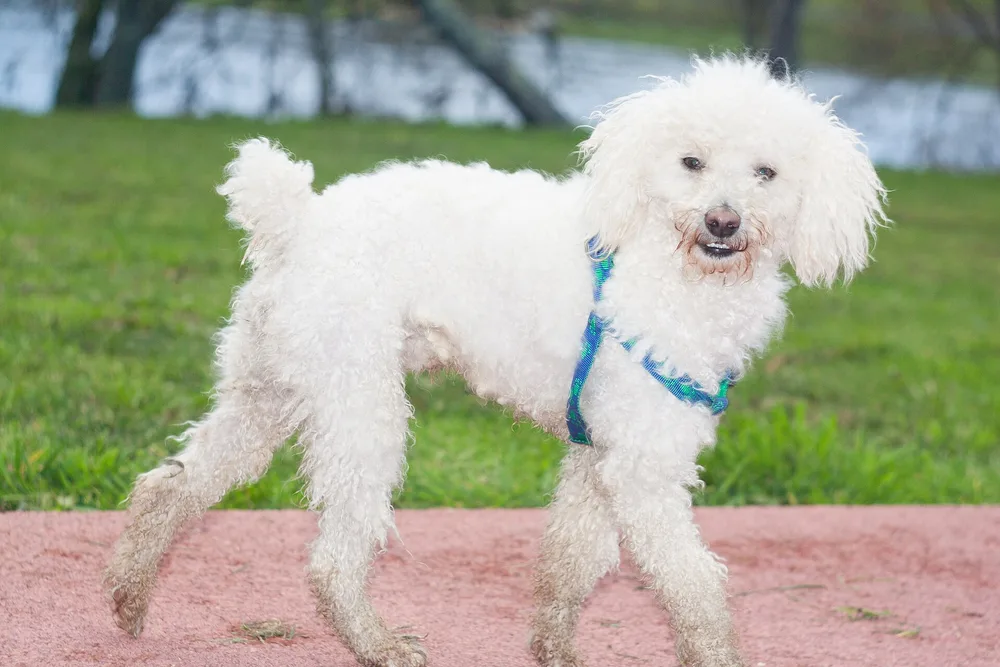
Photo: Harpagornis / Wikimedia Commons, CC BY-SA 4.0
No kennel club recognises teacup as a size. The American Kennel Club standard puts the Toy Poodle at no more than 10 inches at the shoulder, and anything marketed below that is being sold on a word a breeder chose rather than on a recognised classification. Understanding that is the single most useful thing in this guide, because it reframes every claim made around the term.
Those extra-small dogs are usually produced by breeding from the smallest individuals in a line, and sometimes by breeding from a runt. Deliberately selecting for undersize concentrates the fragility that comes with it, which is why veterinary bodies are consistently uneasy about the practice. A dog sold this way is still a Toy Poodle; it is simply a Toy Poodle carrying more risk.
None of that is the dog's fault, and plenty of very small dogs live long, comfortable lives with owners who understand what they are looking after. The point of knowing the terminology is practical: it tells you what to ask a breeder, what to budget for, and which early signs are worth taking seriously rather than waiting out.
Which Dogs Are Counted as Toy Breeds, and Where Toy Poodle Breed Fits?
Answer: The toy group in the American Kennel Club listing is the closest thing to an official answer, and it is a list of breeds rather than a weight limit. It includes the Maltese, Chihuahua, Pomeranian, Yorkshire Terrier, Papillon, Toy Poodle, Pug, Shih Tzu, Havanese, Italian Greyhound, Japanese Chin, Affenpinscher, Brussels Griffon, Chinese Crested, English Toy.
The toy group in the American Kennel Club listing is the closest thing to an official answer, and it is a list of breeds rather than a weight limit. It includes the Maltese, Chihuahua, Pomeranian, Yorkshire Terrier, Papillon, Toy Poodle, Pug, Shih Tzu, Havanese, Italian Greyhound, Japanese Chin, Affenpinscher, Brussels Griffon, Chinese Crested, English Toy Spaniel, Miniature Pinscher, Silky Terrier and Toy Fox Terrier.
For breed-specific recommendations, see our toy breeds picks.
Several familiar small dogs sit outside that group for historical reasons rather than size. Dachshunds, Jack Russells, Bichons, Boston Terriers, French Bulldogs, Miniature Schnauzers and West Highland White Terriers are all small dogs classed elsewhere, usually in the terrier, non-sporting or hound groups. They are small without being toys, and most of the care advice here still applies to them.
Then there are the names that are not breeds at all. Teddy bear, teacup, micro, pocket and imperial are seller descriptions. A teddy bear dog is usually a Shih Tzu or Bichon crossed with a poodle or a Maltese, sold under a name that describes the haircut. Crossbreeds can be lovely dogs, and what the label tells you is about marketing rather than about the animal.
Size within a single breed also varies more than people expect. A standard-bred Toy Poodle and one advertised as teacup can come from the same breed and differ substantially, because the second was selected for undersize. When you are comparing two dogs sold under the same breed name, ask what the parents weigh rather than trusting the adjective.
What Should Pet Owners Know About The Health Realities Behind Toy Poodle Breed?
Answer: Low blood sugar is the first thing to understand, particularly in a young dog. A very small puppy carries almost no energy reserve, so a missed meal, a long car journey or an exciting afternoon can drop its blood sugar. The signs are wobbliness, glazed eyes, weakness and in severe cases collapse, and it is.
Low blood sugar is the first thing to understand, particularly in a young dog. A very small puppy carries almost no energy reserve, so a missed meal, a long car journey or an exciting afternoon can drop its blood sugar. The signs are wobbliness, glazed eyes, weakness and in severe cases collapse, and it is an emergency that needs your veterinarian the same hour.
Teeth, knees and windpipe follow. A small jaw holds a full set of adult teeth in a crowded arrangement that traps tartar. Kneecaps that slip out of position are common in toy breeds and show up as a skipping step. A windpipe that partly collapses produces a honking cough, especially when a dog pulls against a collar. All three are manageable and all three benefit enormously from early attention.
Then there is simple physical fragility. A fall from a sofa, a door swinging shut, a foot in the wrong place or a larger dog playing too hard can injure a dog this size in a way it would not injure a spaniel. Most of the household adjustments later in this guide exist for that reason rather than for comfort.
What to Ask Before Taking On Toy Poodle Breed?
Answer: Ask to see the mother with the litter, in the place the puppies were raised. A breeder who will not show you that, who meets you in a car park, who has several breeds available at once, or who will let a puppy leave before it is old enough, is telling you something important. The.
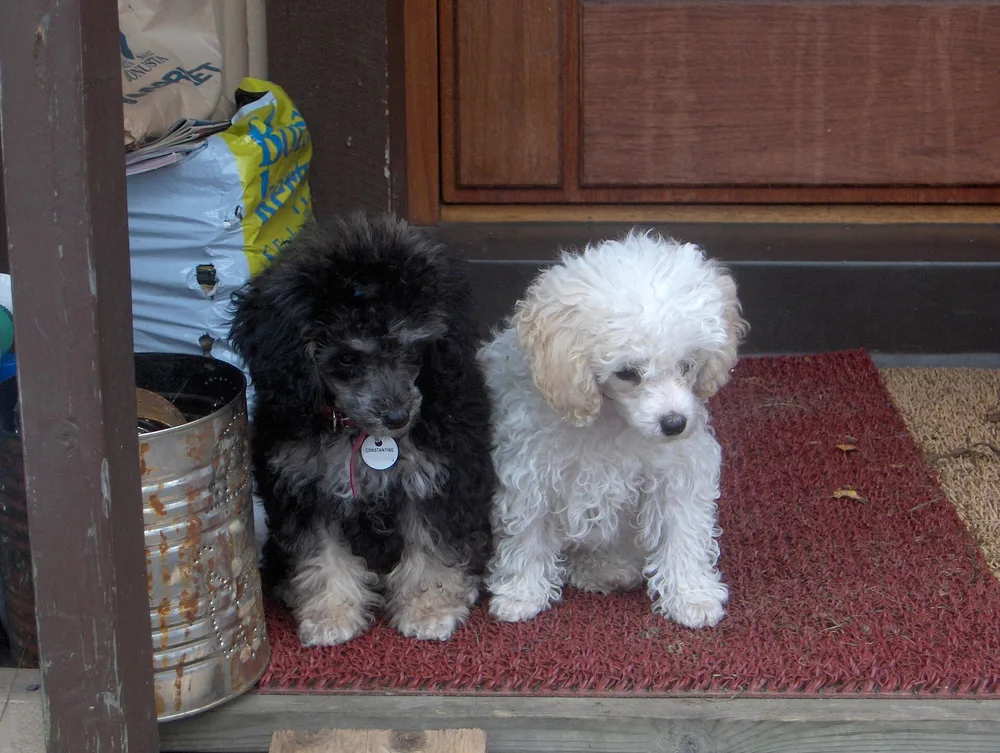
Photo: Sanna Vilma Kristiina Vitikainen / Wikimedia Commons, CC BY-SA 3.0
Ask to see the mother with the litter, in the place the puppies were raised. A breeder who will not show you that, who meets you in a car park, who has several breeds available at once, or who will let a puppy leave before it is old enough, is telling you something important. The word teacup in a listing is itself worth a careful question about what the parents weigh.
Our large dog toys guide is tailored to the unique needs of specific breeds.
Ask about health testing relevant to the breed and ask for the paperwork rather than the reassurance. For small white breeds that typically includes eye, knee and heart checks in the parents. A breeder who is proud of their testing will produce the certificates without being pressed; one who deflects has told you the answer.
Then ask yourself the quieter question: whether a dog that needs frequent meals, careful handling, dental attention and a watchful household fits your life. Rescue and breed-specific rescue groups also rehome small dogs, often adults whose temperament and health are already known, which removes a great deal of guesswork.
What Should Pet Owners Know About Daily Care Routine for Toy Poodle Breed?
Answer: Feed little and often. Several small meals spread through the day suit a tiny stomach far better than one large one, and they are the main defence against the blood sugar problem described above. Measure the ration properly, count treats inside it, and never leave a young toy-breed puppy without food for long stretches.
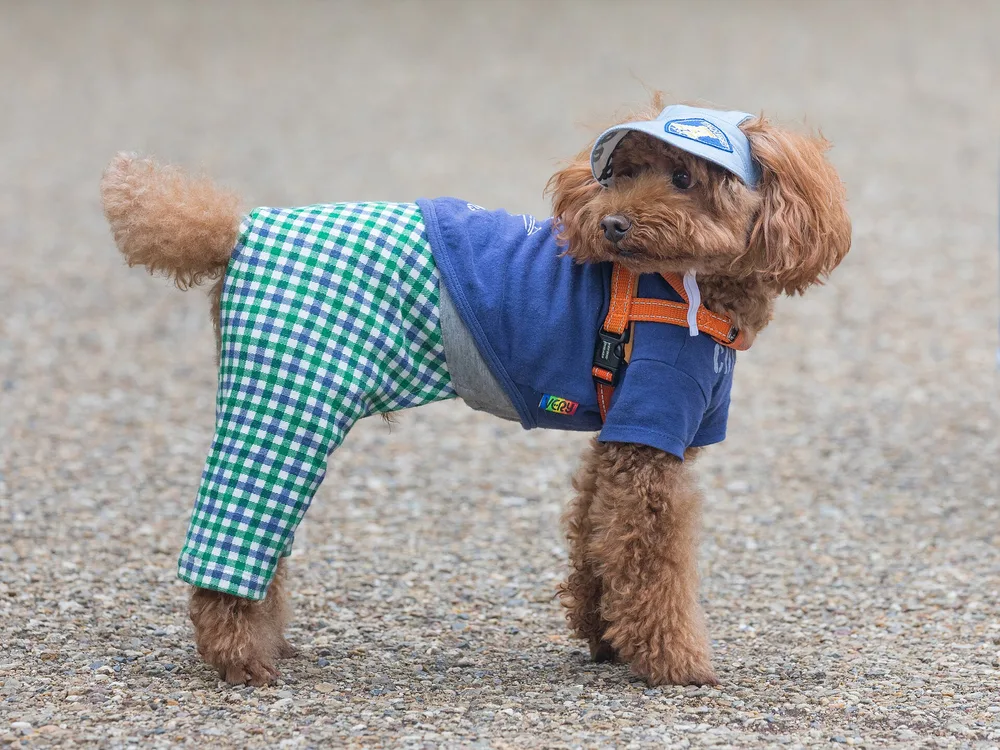
Photo: Basile Morin / Wikimedia Commons, CC BY-SA 4.0
Feed little and often. Several small meals spread through the day suit a tiny stomach far better than one large one, and they are the main defence against the blood sugar problem described above. Measure the ration properly, count treats inside it, and never leave a young toy-breed puppy without food for long stretches.
Walk on a harness, never a collar. Clipping a lead to a neck strap on a dog already prone to windpipe trouble is the one equipment decision worth being firm about. Keep the collar for the identification tag, and choose a light harness that adjusts at the neck as well as the girth, because a narrow chest slips out of girth-only sizing.
Brush the teeth daily and groom the coat regularly. A long white coat mats behind the ears and under the legs, and matting pulls on skin. Daily brushing of both coat and teeth takes a couple of minutes while the dog is on your lap, and it is the single highest-return habit in small-dog ownership. Book professional dental checks rather than waiting for bad breath.
What Should Pet Owners Know About Making a Home Safe for Toy Poodle Breed?
Answer: Deal with height first. Jumping down from a sofa or a bed is a common source of injury for a dog this small, so add a ramp or low steps where your dog habitually climbs, and discourage the leap rather than the climb. Keep the dog off balconies and open stairs until you are confident.
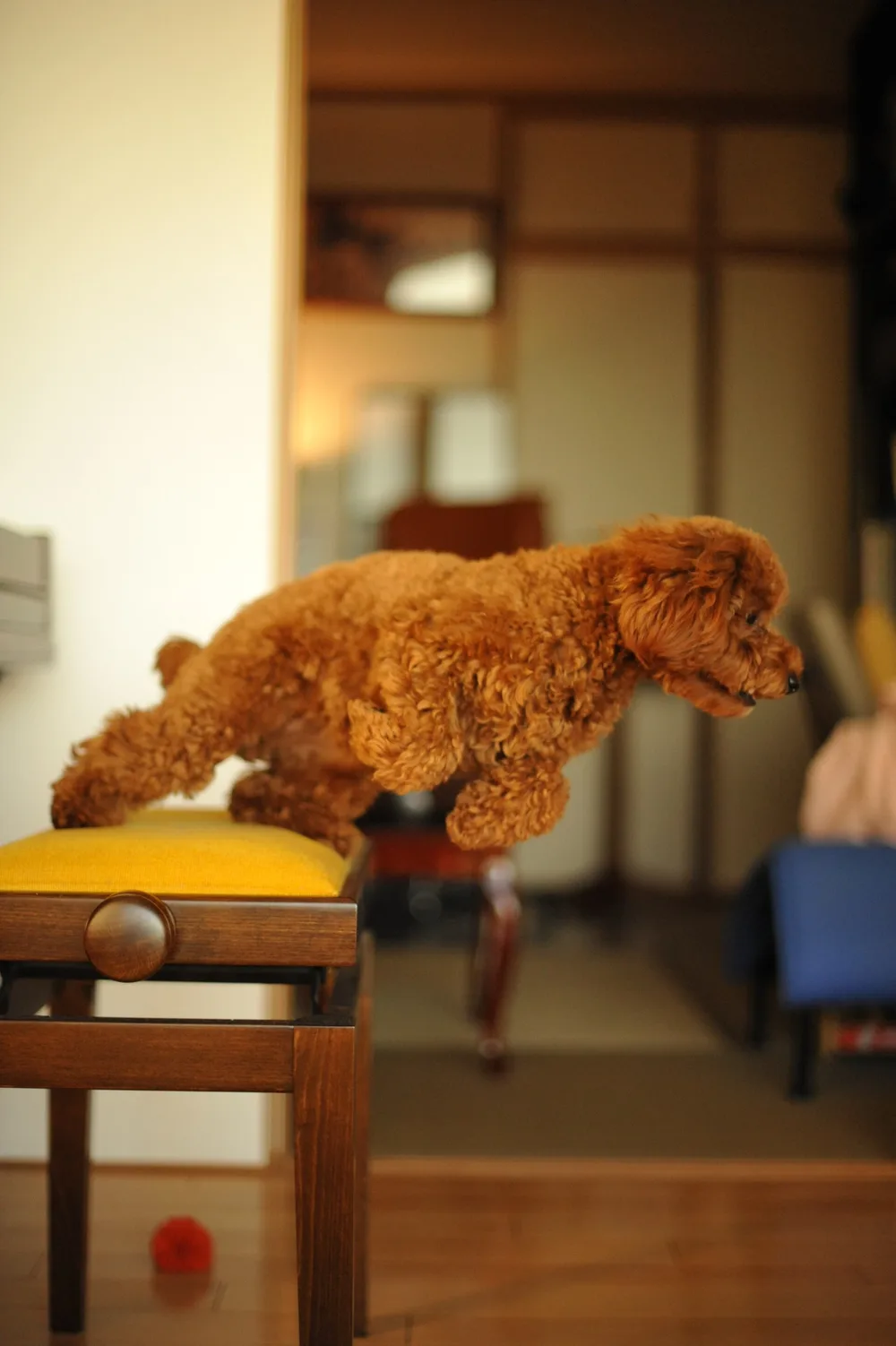
Photo: Yasuhiko Ito / Wikimedia Commons, CC BY 2.0
Deal with height first. Jumping down from a sofa or a bed is a common source of injury for a dog this small, so add a ramp or low steps where your dog habitually climbs, and discourage the leap rather than the climb. Keep the dog off balconies and open stairs until you are confident it understands the edge.
Different breeds have different needs. Our mini toy breeds guide helps you choose.
Then deal with feet and doors. Everyone in the household needs the habit of looking down before stepping back, and of checking behind a door before closing it. A baby gate is useful not to confine the dog but to keep it out of the kitchen while people are moving around with hot pans.
Warmth matters more than owners expect. A very small dog with a fine coat loses heat quickly, so a draught-free bed away from the floor, a coat for cold walks and shorter outings in winter are practical rather than indulgent. Equally, do not let a small dog overheat in summer; small bodies change temperature fast in both directions.
What Should Pet Owners Know About Choosing Toys and Exercise for Toy Poodle Breed?
Answer: Scale the toys properly. A toy sized for a medium dog is too heavy to carry and too wide to grip, while anything small enough to disappear into the mouth is a choking risk. The right toy for a dog this size is light, soft enough for a small jaw, and still too big to.
Scale the toys properly. A toy sized for a medium dog is too heavy to carry and too wide to grip, while anything small enough to disappear into the mouth is a choking risk. The right toy for a dog this size is light, soft enough for a small jaw, and still too big to swallow whole. Check squeakers and eyes before every session.
Keep play low to the ground. Repeated jumping and hard twisting landings are rough on small joints and on kneecaps that already sit loosely. Rolling, tugging gently, chasing along the floor and nosework games all give a small dog real exercise without the impact, and nosework in particular tires a clever dog out faster than walking does.
Remember that a small dog still needs a full dog's life. Short legs cover less ground, but the brain is not smaller, so daily sniffing walks, training and new places matter as much as they do for any breed. A toy breed that is carried everywhere and never allowed to make its own decisions tends to become a worried dog.
What Should Pet Owners Know About Common Mistakes Owners Make with Toy Poodle Breed?
Answer: Treating the dog as an accessory is the first. Carrying a small dog constantly, picking it up to resolve every encounter, and never letting it walk away from something it dislikes produces a dog with no coping strategy of its own. Let it use its legs, let it choose to approach, and let it learn.
Treating the dog as an accessory is the first. Carrying a small dog constantly, picking it up to resolve every encounter, and never letting it walk away from something it dislikes produces a dog with no coping strategy of its own. Let it use its legs, let it choose to approach, and let it learn that it can leave.
Skipping training is the second. Behaviour that would be unacceptable in a retriever gets laughed at in a dog that weighs very little, so small dogs are frequently allowed to practise barking, snapping and guarding for years. The same training works on any size of dog, and a well-mannered small dog is far more welcome in more places.
Ignoring the mouth is the third. Dental disease is the condition most likely to shorten a toy breed's comfortable life, and it develops quietly behind lips that nobody lifts. Look inside the mouth weekly, brush daily, and take sour breath seriously rather than treating it as normal for little dogs.
What Should Pet Owners Know About Budgeting Sensibly for Toy Poodle Breed?
Answer: The purchase price is rarely the expensive part, and a dog advertised at a premium for being extra small is not a dog with a lower vet bill. Budget for routine dental work, for insurance taken out before anything is diagnosed, and for the possibility that knee or windpipe problems need attention. That planning is.
The purchase price is rarely the expensive part, and a dog advertised at a premium for being extra small is not a dog with a lower vet bill. Budget for routine dental work, for insurance taken out before anything is diagnosed, and for the possibility that knee or windpipe problems need attention. That planning is worth more than any brand of food or bed.
Spend equipment money where size genuinely changes the answer: a light, well-fitting harness, a bed that keeps a small body off a cold floor, a ramp for the sofa, and correctly sized toys. Those four items solve most of the daily risks, and none of them is expensive.
Save money on everything decorative. Outfits, bows and novelty accessories do nothing for a dog's comfort, and some of them rub or restrict movement. Our dog range covers the practical side, and a well-sized toy and a comfortable bed matter far more to a small dog than anything it wears.
Organizations like the American Kennel Club expert advice center also offer trusted, science-backed advice that is well worth bookmarking.
What Questions Do Pet Owners Ask About Toy Poodle Breed?
Answer: Toy is a recognised breed group; teacup, micro and teddy bear are sales terms with no standard behind them. A dog bred below an already small standard carries a higher risk of low blood sugar, dental crowding, windpipe and kneecap trouble, and injury from falls. Care means frequent small meals, a harness, warmth and dental.
Is teacup an official dog size?
No. No kennel club or breed standard recognises it. The word describes a dog bred deliberately below an already small breed standard, and it is used to sell rather than to classify. A so-called teacup poodle is a Toy Poodle; what the label really tells you is that the dog was selected for undersize, which usually means more fragility.
Are very small dogs less healthy?
They carry a higher risk of particular problems rather than being sick by definition. Low blood sugar in young puppies, crowded teeth, slipping kneecaps, partial windpipe collapse and injury from falls are the recurring ones. Many live long comfortable lives, and early veterinary attention plus a careful household makes a large difference to how they go.
How often should a very small dog be fed?
Little and often. Several small meals spread through the day suit a tiny stomach and guard against the drops in blood sugar that affect young toy-breed puppies. Measure the ration rather than estimating, count treats within it, and never leave a very young small puppy without food for a long stretch.
What are the signs of low blood sugar in a small puppy?
Wobbliness, glazed or unfocused eyes, weakness, shivering and in severe cases collapse or seizures. Treat it as an emergency: contact your veterinarian immediately and follow their instruction. It is most likely after a missed meal, a long journey or an unusually busy afternoon, which is exactly why frequent small meals matter so much.
Should a small dog wear a collar or a harness?
Use a harness for walking and keep the collar for the identification tag. Toy breeds are prone to windpipe problems, and a lead clipped to a neck strap puts every pull straight onto the throat. Choose a harness that adjusts at the neck as well as the girth, since a narrow chest slips out of girth-only sizing.
How do I stop my small dog getting hurt at home?
Reduce height and watch feet. Add a ramp or low steps where the dog climbs onto furniture, discourage jumping down, and get everyone into the habit of looking before stepping back or closing a door. A gate across the kitchen while people are cooking removes the most common accident of all.
What size toys suit a toy breed?
Light enough to carry, soft enough for a small jaw, and still too large to fit entirely in the mouth. Toys built for medium dogs are too heavy and too wide to grip, so the dog ignores them; anything that disappears into the mouth is a choking risk. Check squeakers and glued-on eyes before each session.
Do small dogs still need training and exercise?
Yes, as much as any dog. Short legs cover less ground but the brain is the same, so daily sniffing walks, training and new experiences all matter. Small dogs are frequently allowed to practise barking and snapping because it seems harmless, and the same training that works on a big dog works here and makes life easier for everyone.
Browse Dog Supplies
Free US shipping on every order. No minimum purchase required.
Browse Dog Supplies →