A pet portrait is a picture made of a specific animal, usually commissioned from an artist or photographer, that captures what makes that pet recognizable: its face, markings, expression and personality. Pet portraits range from oil paintings and pencil drawings to digital illustrations and studio photographs. This guide compares the styles, explains how to take a good reference photo and how to choose an artist, and covers memorial portraits and gifting.
In This Article
- Quick Answer: How Do You Get a Great Pet Portrait?
- What Is a Pet Portrait and Where Did the Idea Come From?
- What Styles of Pet Portrait Can You Choose?
- How Do You Take a Good Reference Photo for a Pet Portrait?
- How Do You Choose the Right Pet Portrait Artist?
- What Affects the Price of a Pet Portrait?
- How Do You Commission a Memorial Pet Portrait?
- How Should You Frame, Display and Care for a Pet Portrait?
- Is a Pet Portrait a Good Gift for a Pet Lover?
- What Do People Ask Most About Pet Portraits?
- Sources
Quick Answer: How Do You Get a Great Pet Portrait?
Choose a style first, such as painted, drawn, digital or photographic, then pick an artist whose finished pet commissions you genuinely like. Send sharp, well lit reference photos taken at your pet's eye level, agree on size, background, price, proofs and timing in writing, and order early if the portrait is a gift.
Updated October 10, 2026- The photo decides the result. An artist can only paint the detail the reference photo shows.
- Look at real commissions. A portfolio of finished pet portraits matters more than general art skill.
- Agree on proofs. Ask when you will see a sketch or draft and how many changes are included.
- Give it time. Hand made portraits take weeks, especially before holidays.
What Is a Pet Portrait and Where Did the Idea Come From?
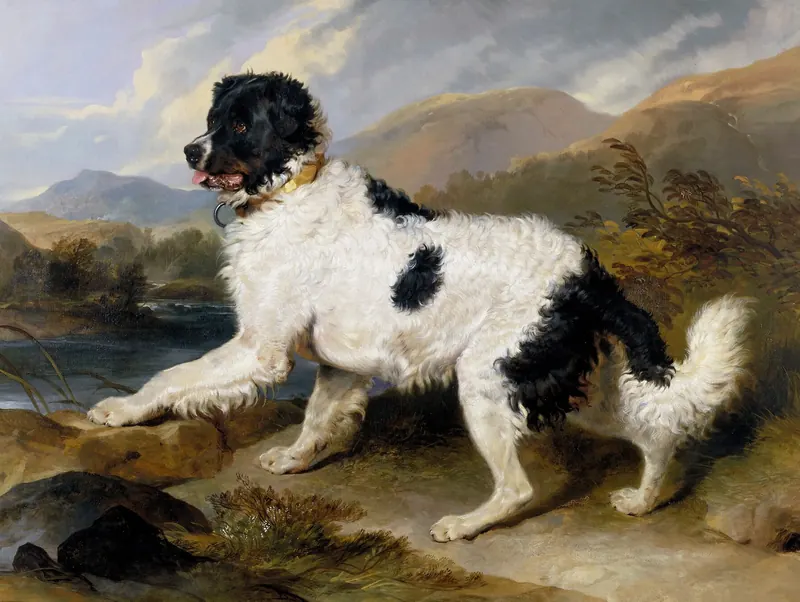
Answer: A pet portrait is an artwork of one particular animal, made so that its owner recognizes it at a glance. The tradition is old: Wikipedia notes the term animal painter dates to the mid 18th century, and the English painter Edwin Landseer became famous for dogs, with Queen Victoria commissioning numerous pictures from him. Today anyone can commission one. Sources: Wikipedia, Animal painter, Wikipedia, Edwin Landseer.
Portraits of particular animals have a long history. The Wikipedia article on animal painters notes that, mainly in England from the 18th century, specialist painters produced portraits of racehorses and prize livestock for their owners. Dogs followed. Sir Edwin Landseer, who lived from 1802 to 1873, was well known for his paintings of horses, dogs and stags, and the Wikipedia article on Landseer records that Queen Victoria commissioned numerous pictures from him. Source: Wikipedia.
His Newfoundland paintings were so popular that, according to the same article, the black and white variety of the Newfoundland came to be officially called the Landseer. The painting at the top of this page, A Distinguished Member of the Humane Society, is one of those works.
What used to be a luxury for aristocrats is now an everyday commission. Artists work from photos sent online, photographers run pet portrait sessions, and digital illustrators turn snapshots into cartoons. The aim is the same as in Landseer's day: a picture that looks unmistakably like your animal.
What Styles of Pet Portrait Can You Choose?
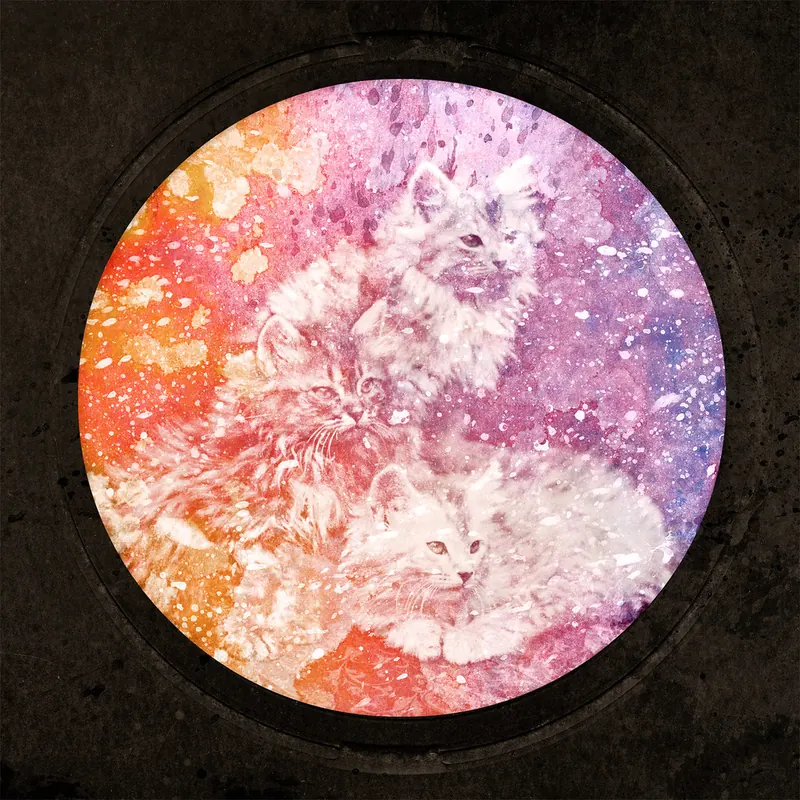
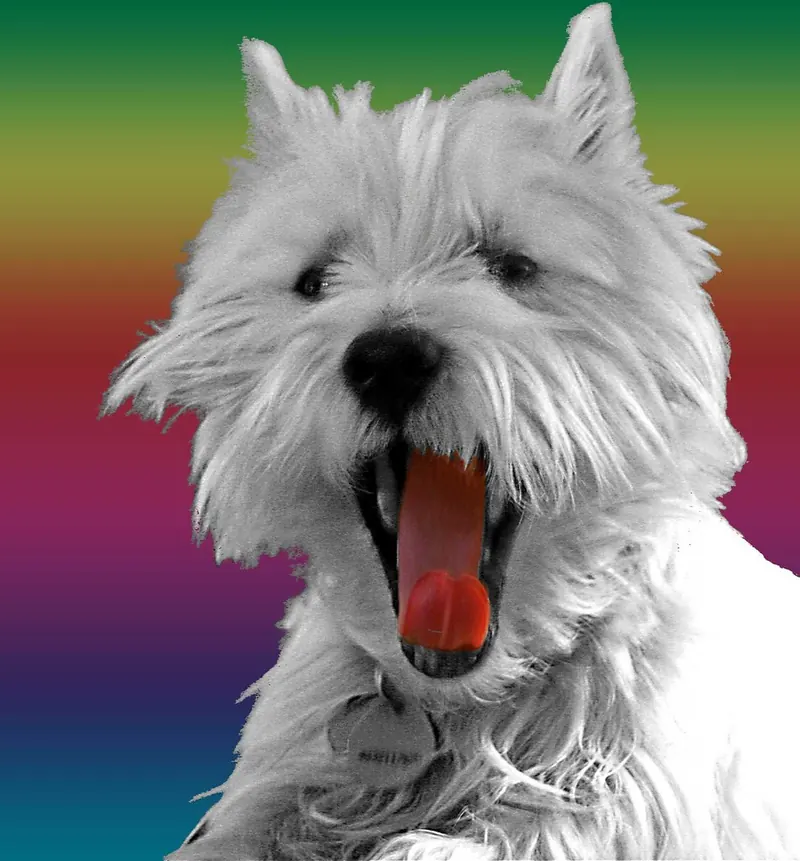
Answer: The main styles are oil or acrylic paintings, watercolor, pencil, charcoal or pastel drawings, digital illustrations from realistic to cartoon, pop art treatments and professional photographic portrait sessions. Paintings and detailed drawings take longest and suit a lasting keepsake; digital styles are faster and easier to print on products. Choose the style that suits your home and your pet's character.
Each medium gives a different feel. Use the table to narrow your choice:
Think about where the portrait will live. A large oil painting suits a living room wall; a small pencil drawing works on a desk or bookshelf; a digital file can be printed many times for family members. If you want something your pet wears or uses rather than a picture, our personalized dog collar and custom dog tags guides cover keepsakes with a name.
How Do You Take a Good Reference Photo for a Pet Portrait?
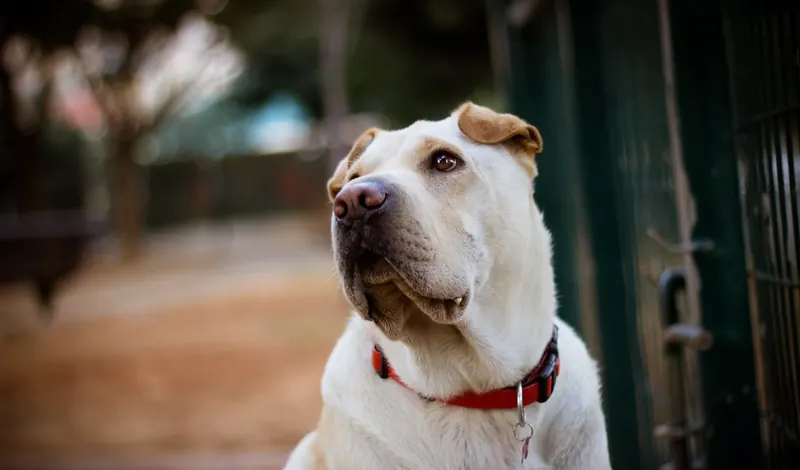
Answer: Shoot in soft natural daylight near a window or outdoors in shade, get down to your pet's eye level, and make sure the eyes are sharp. Fill the frame with your pet, avoid flash, filters and heavy shadows, and take many shots in the pose you want. Send the original full resolution files, plus extra close ups of markings.
Most commissioned portraits are made from photos, so the reference photo is the single biggest factor in the result. An artist cannot invent the exact shape of a white blaze or the color of an eye that the photo does not show. A few habits make a big difference:
- Use soft light. Bright overcast days or a big window give even light without harsh shadows. Flash flattens fur and causes glowing eyes.
- Get low. Photos taken from standing height make pets look small and distorted; crouch to eye level.
- Focus on the eyes. If the eyes are sharp, the portrait will feel alive.
- Get attention. A squeaky toy or treat held just above the camera makes ears prick up.
- Shoot plenty. Take many frames and pick the best; pets rarely hold a pose for long.
- Send originals. Messaging apps often compress images, so email or upload the full files.
Add a few close ups of distinctive features such as a spotted nose, an odd colored ear or a favorite collar. If the portrait is a surprise for someone else, ask a friend to collect photos discreetly, or buy a gift voucher so the owner can choose the photo themselves.
How Do You Choose the Right Pet Portrait Artist?
Answer: Look for an artist with a portfolio of finished pet commissions in the style you want, ideally with photos shown next to the final art. Read reviews, ask how many proofs and revisions are included, confirm size, materials, price, deposit, delivery date and shipping in writing, and check whether you may share or print images of the finished piece.
General drawing skill is not enough; capturing a likeness of an animal is a specialist skill. The clearest test is a portfolio where the artist shows the reference photo beside the finished portrait, so you can judge how faithful the likeness is. Look at animals similar to yours too: rendering a black cat or a curly coat is harder than a short coated tabby.
Before paying, agree on the details. A good commission agreement covers the size and medium, background, number of pets, price and deposit, when you will see a sketch or work in progress, how many changes are included, the delivery date, packaging and shipping, and what happens if either side cancels. Ask about usage too: the artist usually keeps the copyright, but many are happy for you to share photos of the piece or print it on cards for personal use if you ask first.
Be wary of sellers who use the same few sample images everywhere, cannot show work in progress, or promise hand painted portraits in an impossibly short time. Those are often printed filters sold as original art.
What Affects the Price of a Pet Portrait?
Answer: Price depends mainly on the medium, the size, the number of animals, how detailed the background is, the artist's experience and demand, and extras such as framing, rush delivery and international shipping. Hand painted originals cost the most, detailed drawings come next, and digital illustrations are usually the most affordable. Ask for a written quote before you commit.
Prices vary so widely between artists and countries that any single figure would mislead you, so compare quotes for the same brief instead. These factors push the price up or down:
A head and shoulders portrait on a plain background is the simplest way to keep cost down without losing the likeness, because the face is what people recognize. If budget is tight, a small original drawing often feels more personal than a large print.
How Do You Commission a Memorial Pet Portrait?
Answer: Gather every photo you have, even imperfect ones, and tell the artist which features mattered most, such as a grey muzzle, a favorite collar or a typical pose. Experienced artists can combine several photos into one likeness. Ask to see a sketch before final work, allow extra time, and choose a style that feels comforting rather than exact.
Memorial portraits are one of the most common reasons people commission pet art, and they come with a challenge: you cannot take new photos. Look through phones, cloud backups, social media and family members' cameras, and send everything, noting which pictures show the true coat color and which show the expression you remember.
Tell the artist about your pet's character as well as its looks. Details such as the way it tilted its head, a toy it always carried or the collar it wore help an artist make a portrait that feels like your animal rather than just its shape. A sketch or digital draft before the final piece lets you correct anything that feels off, which matters more for a memorial than any other commission.
Some people prefer a softer, less literal style for a memorial, such as watercolor or a loose painting, which can feel gentler than a photorealistic image. There is no right choice; pick what you will want to look at every day.
How Should You Frame, Display and Care for a Pet Portrait?
Answer: Frame drawings, pastels and watercolors behind glass or acrylic glazing with an acid free mat, and keep all artwork out of direct sunlight and away from damp walls, radiators and kitchens. Oil and acrylic paintings can hang unglazed. Dust gently with a soft dry brush, never water or cleaners, and store digital files in more than one place.
Light is the biggest enemy of art on paper. Direct sun fades pigments and yellows paper over time, so hang portraits on a wall that does not catch strong daylight, or choose UV filtering glazing. Pastel and charcoal smudge easily and should always sit behind glass with a mat that keeps the surface from touching the glazing.
Humidity and heat matter too. Avoid hanging art above radiators, in bathrooms or next to cooking areas, where steam and grease build up. For paintings, a light dusting with a clean, soft brush is all the cleaning they need; anything more should be left to a professional conservator.
If your portrait came as a digital file, keep copies in at least two places, such as a cloud service and an external drive, and print from the full resolution original rather than a compressed copy sent by message.
Is a Pet Portrait a Good Gift for a Pet Lover?
Answer: Yes, it is one of the most personal gifts you can give a pet owner, especially for birthdays, holidays, a new puppy or kitten, or after a loss. Order several weeks ahead, collect good photos quietly or give a voucher, and pair the portrait with a small practical present such as a toy or a personalized collar.
A portrait works as a gift because it is about something the owner loves, and no one else will have the same one. Timing is the main trap: hand made art takes time and artists get booked up before major holidays, so order early or give a voucher with a note promising the portrait to come.
If you want to add something to unwrap on the day, our guides to gifts for dog lovers, gifts for cat lovers and pet gifts list ideas at different budgets. For seasonal ideas, see Christmas pet gifts, and for a celebration, our dog birthday gift guide. A personalized cat collar or a pet gift box also pairs well with a portrait voucher. For new owners, a new puppy gift box and a portrait of the puppy at eight weeks old make a keepsake pair, and our dog owner gifts and holiday pet gifts guides round out the options.
What Do People Ask Most About Pet Portraits?
Answer: People most often ask how long a pet portrait takes, what photo to send, whether an artist can paint from an old or blurry photo, whether several pets can go in one portrait, how much a portrait costs, whether digital portraits can be printed and how to keep a portrait from fading. The short answers below cover each question.
How long does a custom pet portrait take?
Digital portraits can be quick, while hand drawn and painted portraits often take several weeks, longer before holidays. Ask the artist for a delivery date in writing.
What photo should I send for a pet portrait?
A sharp, well lit photo taken at your pet's eye level, with the eyes in focus and no filters, sent as the original full resolution file.
Can an artist paint from an old or blurry photo?
Often, yes, especially for memorial portraits. Send every photo you have so the artist can combine details, and ask to see a sketch first.
Can I put several pets in one portrait?
Yes. Most artists combine pets from separate photos; expect a higher price and send photos taken in similar light.
How much does a pet portrait cost?
It depends on the medium, size, number of pets, background and the artist. Digital illustrations are usually cheapest and original paintings the most expensive.
Can digital pet portraits be printed?
Yes. Ask for a high resolution file and check that the artist allows personal printing on paper, canvas or gifts.
How do I stop a pet portrait from fading?
Keep it out of direct sunlight, use UV filtering glass for works on paper and avoid damp or hot spots in the home.
Is a pet portrait a good memorial gift?
Many grieving owners treasure one. Ask gently for photos or offer a voucher so they can choose when they feel ready.
Sources
Pair the portrait with a present
Browse toys, collars and gift ready accessories for dogs and cats.
Shop gifts