Custom dog tags make a lost dog's important contact information visible to the person who finds it. A useful tag is readable, securely attached and kept current. It supports, but does not replace, a microchip and a registered owner record.
This guide covers engraving choices, fit, noise, maintenance and the information that helps a finder make contact quickly.
What to Engrave on Custom Dog Tags
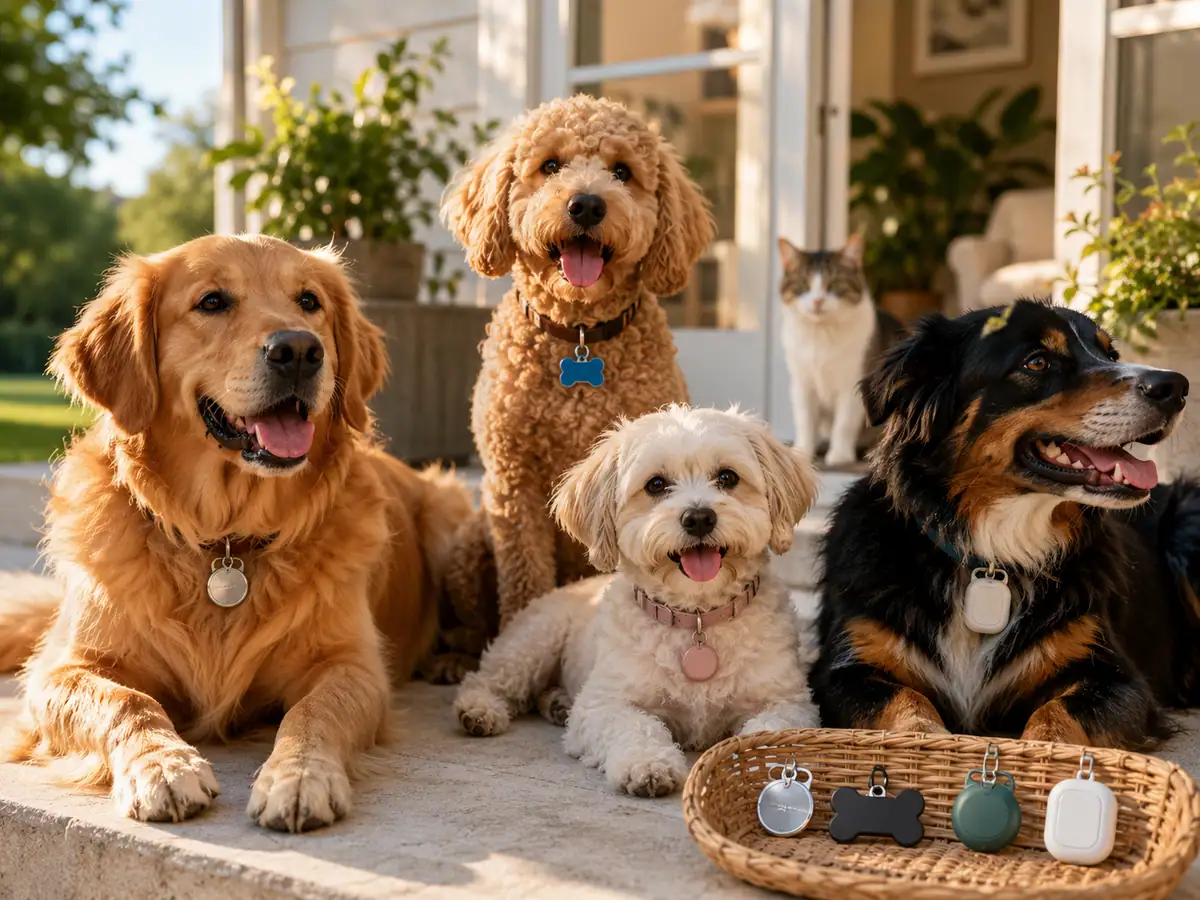
Use the dog's name only if you are comfortable sharing it, then prioritise a phone number that is answered and a short instruction such as call owner. A second contact can help when the primary number is unavailable.
Keep the text short and high contrast. Custom dog tags with too many lines become hard to read when scratched or dirty. Add a medical warning only when it is accurate and still relevant.
Fit and Attachment
Attach custom dog tags to a secure collar ring and check the ring for spreading or sharp edges. The tag should not interfere with a buckle, tracker or the dog's breathing.
If you want even more options, check out our guide to dog tags.
Inspect the attachment after running, swimming and rough play. Replace a cracked tag or loose ring before it can fall off. A backup tag on a second collar can help households that rotate collars.
Noise, Comfort and Quiet Options
Some dogs dislike the sound of custom dog tags hitting a bowl or crate. A silicone silencer, rounded edge or quieter attachment can reduce noise, but it must not cover the phone number.
Check the tag for rubbing under the neck. A tag that causes irritation is not useful if the collar is removed. Keep the collar fitted so the tag stays visible without hanging too low.
Custom Dog Tags and Microchips Work Together
A tag helps a finder contact an owner without special equipment. A microchip gives a shelter or veterinarian a second way to identify the dog when the collar is missing. Keep the microchip registration and phone number current.
You might also find our fi collar article helpful when shopping.
Do not place a full home address on custom dog tags unless you have chosen to share it. A phone number and city or region are often enough to start a safe return conversation.
Maintenance and Replacement
Wipe custom dog tags when the dog is bathed and check the engraving in good light. Replace a tag when the lettering is worn, the metal bends or the contact number changes.
Keep a spare with the dog's travel kit and update every tag after a move or phone change. Clear information is more valuable than decorative detail when a dog is found.
For more independent, vet-reviewed guidance on this topic, the American Kennel Club expert advice center is an excellent place to start.
Frequently Asked Questions
What should custom dog tags say?
Use a current phone number and a short return instruction. Add the dog's name and a second contact if useful, while keeping the engraving readable.
Do custom dog tags replace a microchip?
No. A tag is visible and quick for a finder, while a microchip provides identification through a shelter or veterinarian when a collar is missing.
How often should I replace a dog tag?
Replace it when the engraving becomes hard to read, the attachment is damaged or your contact details change. Inspect it during routine collar checks.
Are silicone tag silencers safe?
They can reduce noise if they fit securely and do not cover the engraving. Check for chewing, cracking and retained moisture.
Should I put my address on a dog tag?
That is a personal safety choice. A current phone number and a short return message may provide enough information without publishing a full address.
Browse Dog Toys
Free worldwide shipping on every order. No minimum purchase required.
Browse Dog Toys →