If you are looking for the best environmentally friendly cat litter, this comprehensive guide covers everything you need to know. Whether you are a first-time pet owner or an experienced one looking to upgrade, you will find practical advice, safety tips, and honest comparisons below.
Quick Answer: What Should You Know About Environmentally Friendly Cat Litter?
Choosing environmentally friendly cat litter well comes down to four things: matching the product to your pet's size and daily routine, checking the materials against how hard it will be used, setting it up or fitting it correctly, and inspecting it on a schedule. This guide covers each of those, plus the mistakes owners most often make.
Why the Choice of Environmentally Friendly Cat Litter Matters More Than the Label on the Bag?
Answer: A greener litter only counts if your cat keeps using the box. Words like natural, eco and biodegradable are marketing terms rather than regulated claims, so the useful question is never what the bag says. It is what the material is made of, how it behaves in the tray, and whether your cat agrees.
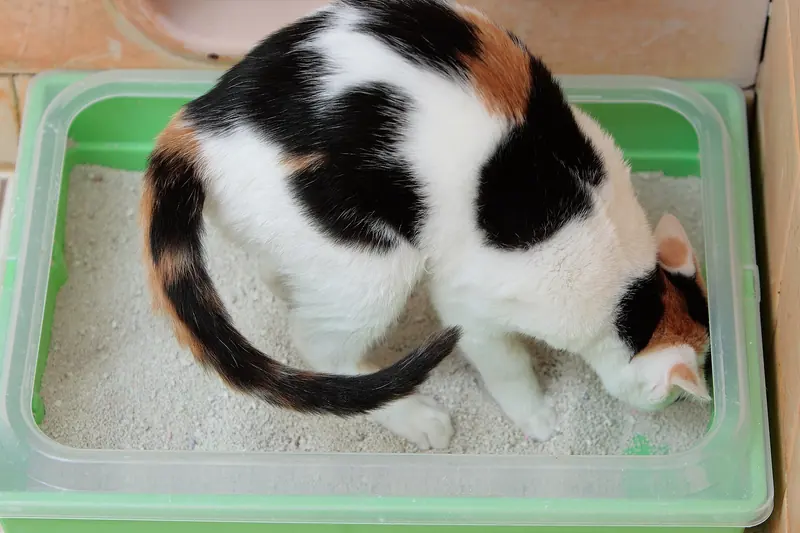
A greener litter only counts if your cat keeps using the box. Words like natural, eco and biodegradable are marketing terms rather than regulated claims, so the useful question is never what the bag says. It is what the material is made of, how it behaves in the tray, and whether your cat agrees.
The cost of getting it wrong is not the price of the bag. A cat that stops using the tray starts using a rug, a pile of laundry or the corner behind the sofa, and the cleaning, the stress and the vet visit that can follow outweigh anything the switch was meant to save. That is the real reason to change slowly and to keep the old bag until you are sure.
It helps to separate two questions that usually get muddled together. One is environmental: what the material is, where it was taken from and where it goes afterwards. The other is domestic: dust in the air, grit across the floor, smell in a small apartment, and the weight you carry up the stairs. A litter can be excellent on one and a poor fit on the other, and only you can weigh the two against each other.
What Should Pet Owners Know About Different Types of Environmentally Friendly Cat Litter and What They Are Made Of?
Answer: Mainstream litter is either sodium bentonite clay, which swells and clumps when it meets liquid, or silica gel crystals, which hold moisture and let it evaporate. The plant based alternatives are recycled paper, wood pellets and sawdust, corn, wheat, walnut shell, grass seed, and tofu or pea fiber.
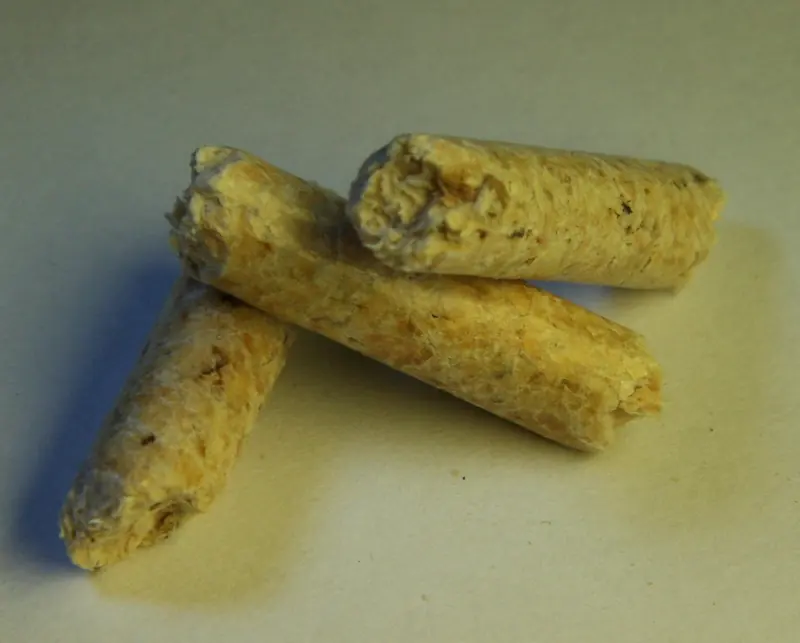
Mainstream litter is either sodium bentonite clay, which swells and clumps when it meets liquid, or silica gel crystals, which hold moisture and let it evaporate. The plant based alternatives are recycled paper, wood pellets and sawdust, corn, wheat, walnut shell, grass seed, and tofu or pea fiber.
Cat parents might also find our cat bowls guide helpful.
Clumping clay is sodium bentonite, a mineral dug from surface deposits that swells to many times its own volume when wet, which is precisely why urine turns into a solid lump you can lift out whole. Non clumping clay is a different, more absorbent mineral that soaks urine into the whole tray instead, so you scoop solids daily and then change the entire box far more often.
Silica crystal litter is manufactured rather than dug out of the ground. The beads are a porous form of silica that traps liquid and lets the water evaporate away, leaving the waste behind, which is why a tray can run a long time between full changes. Cats are divided on it, because the crystals feel hard and noisy under the paw compared with sand.
Among the plant based litters, pellets and granules behave very differently from one another. Compressed wood and recycled paper pellets absorb urine and crumble into sawdust or pulp, so they suit a sifting tray where the crumbs drop through and the dry pellets stay on top. Granular litters made from corn, wheat, grass seed, walnut shell or soy and pea fiber are milled fine enough to feel like sand, and most of them clump.
What Should Pet Owners Know About Clumping, Dust, Tracking and Odor Control in Environmentally Friendly Cat Litter?
Answer: Four things decide how a litter feels to live with: whether the clumps hold when you lift them, how much dust rises when you pour, how far grains travel on wet paws, and how long the tray stays tolerable. Weight is the fifth, and plant bags are usually lighter.
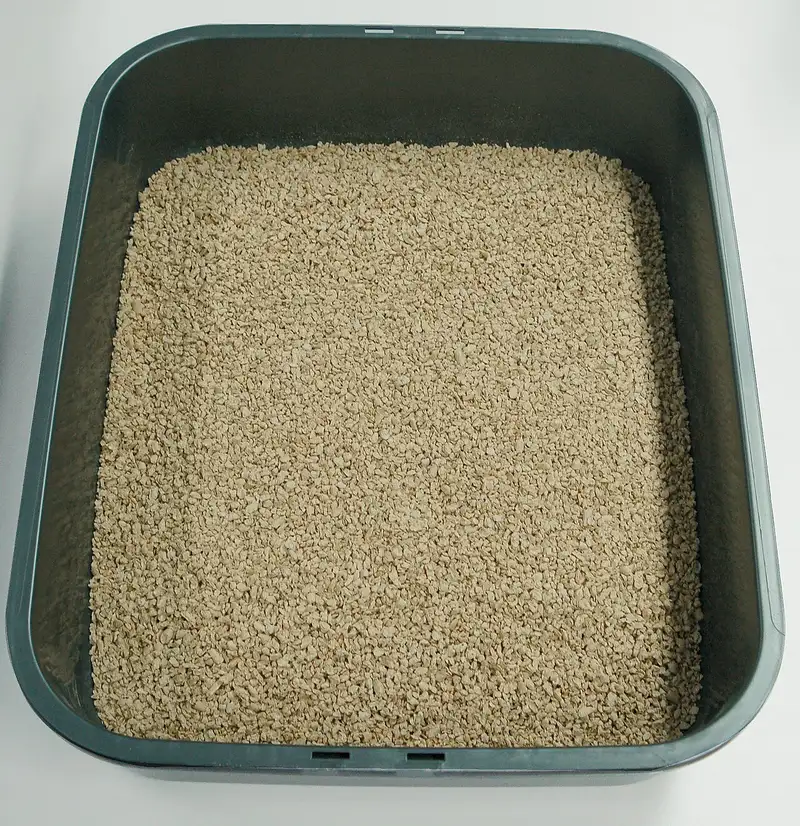
Four things decide how a litter feels to live with: whether the clumps hold when you lift them, how much dust rises when you pour, how far grains travel on wet paws, and how long the tray stays tolerable. Weight is the fifth, and plant bags are usually lighter.
Clumping strength is where the plant based litters vary most. The better corn, wheat, grass and tofu litters form a lump you can lift out whole, which lets you remove urine rather than mask it, and that single ability does more for smell than any fragrance ever added to a bag. Weaker clumps break up on the scoop and leave wet crumbs behind, which is how a tray starts to turn sour by the weekend.
Dust and tracking usually trade against each other. Fine sandy litters clump best and also hang in the air when you pour them and ride out of the box on damp paws, which is why you find grit two rooms away. Paper pellets are the opposite: almost no dust, almost no travel, and no clumping to speak of. Walnut shell sits in between and leaves a dark grit that shows up badly on pale floors and grout.
Odor control comes from removing waste rather than covering it, whatever the packaging claims. Wood and paper absorb and mask well for a while, then give way all at once, while a clumping litter stays flat for as long as you keep scooping. Plant litters are generally lighter in the bag and in the tray, which is pleasant on the stairs and also means an enthusiastic digger throws more of it over the side.
What Owners Give Up When They Switch to Environmentally Friendly Cat Litter?
Answer: Every plant based litter asks for something in return. Pellets ask your cat to accept a coarse surface. Corn and wheat ask you to keep the bag sealed and dry. Walnut asks your floors to tolerate dark grit, paper asks for more frequent full changes, and grass and tofu ask for a higher price.
Every plant based litter asks for something in return. Pellets ask your cat to accept a coarse surface. Corn and wheat ask you to keep the bag sealed and dry. Walnut asks your floors to tolerate dark grit, paper asks for more frequent full changes, and grass and tofu ask for a higher price.
For more feline-friendly picks, browse our heated cat roundup.
The grain based litters, corn and wheat, are the ones with a storage catch. They are food, so a bag left open in a humid room can grow mold or attract pantry insects, and a bag that smells musty belongs in the trash rather than in the tray. Keep them closed, somewhere dry and off a cold concrete floor, and buy a size your household will actually finish.
Pellets are the most common point of failure, and it is a texture problem rather than a quality problem. A cat raised on fine sand often refuses to dig in something that feels like gravel, and will either perch on the rim or quietly go elsewhere. Crumbled pellets or a finely milled plant litter make a far easier switch, and if you do want pellets, a sifting tray and some patience are part of the deal.
Be honest about the greener claim as well. Plant litters are farmed, processed and shipped like anything else, compostable is not the same as composted, and a bag that ends up in landfill inside a plastic sack breaks down slowly there too. The sound case for them is that the raw material renews itself and the used litter can break down, not that the product is free of any cost at all.
Why Strip Mined Clay and Silica Production Are the Reason People Look for Environmentally Friendly Cat Litter?
Answer: The objection to clay is how it is obtained and where it ends up. Sodium bentonite is taken from surface mines that strip away the soil and rock above the seam, and the clay itself does not break down afterwards, so every tray of it goes to landfill and stays there.
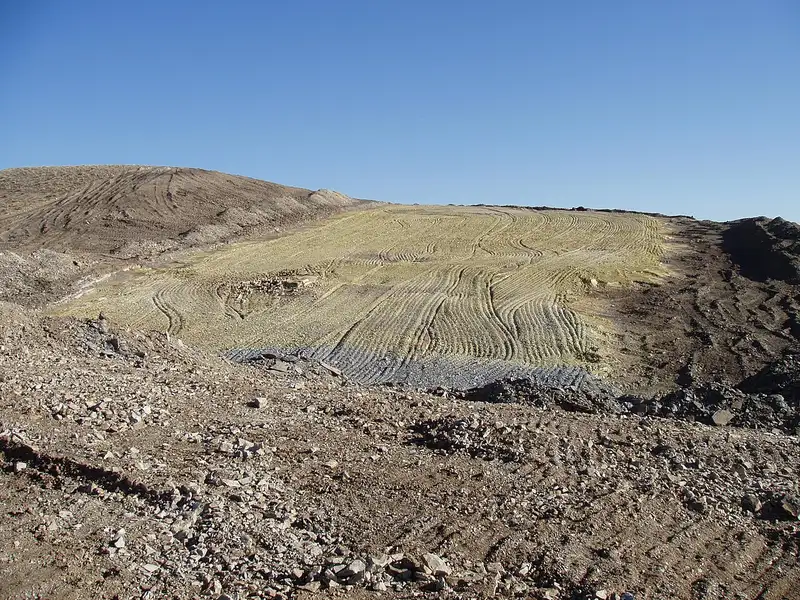
The objection to clay is how it is obtained and where it ends up. Sodium bentonite is taken from surface mines that strip away the soil and rock above the seam, and the clay itself does not break down afterwards, so every tray of it goes to landfill and stays there.
Silica crystals raise a different objection. They are a manufactured mineral, made by processing sand at high temperature, which is an energy hungry step before the product ever reaches a shelf, and the finished beads are no more biodegradable than the clay is. Lasting a long time in the tray is a genuine advantage, but it is not the same thing as returning to the ground.
Weight is the quiet part of the footprint. Mineral litter is heavy, and heavy things are trucked around the country in enormous volumes, which is why the plant based bags feel so different the moment you pick one up. None of this makes clay a villain or a plant litter a virtue, but it is the actual argument, and it is worth knowing before you pay a premium for a word printed on a bag.
What Should Pet Owners Know About Flushing, Composting and Trash Rules for Environmentally Friendly Cat Litter?
Answer: Do not flush cat waste, even when the bag says flushable. Clumping litter can set hard inside a pipe, pellets swell, and more importantly cat feces can carry parasites that municipal treatment is not designed to remove. Bag it and put it in the household trash unless your local authority says otherwise.
Do not flush cat waste, even when the bag says flushable. Clumping litter can set hard inside a pipe, pellets swell, and more importantly cat feces can carry parasites that municipal treatment is not designed to remove. Bag it and put it in the household trash unless your local authority says otherwise.
If your cat needs variety, our cat treats guide has great suggestions.
Cat waste is handled differently from garden waste for exactly that reason. Most municipal green bin and yard waste programs exclude pet waste altogether, because those piles are not managed to the conditions that would deal with the parasites, so a compostable litter still goes out with the regular trash in most places. Check your own waste authority's accepted list rather than assuming, because the rules differ from city to city.
Home composting is possible with a plant based litter, in a dedicated bin kept well away from anything edible, left to mature for a long time, and used only on ornamental beds rather than on vegetables. Pregnant people and anyone with a weakened immune system should hand the tray to somebody else where that is possible, and ask a doctor about sensible precautions where it is not.
How to Switch a Cat Over to Environmentally Friendly Cat Litter?
Answer: Change one thing at a time and change it slowly. Mix a small share of the new litter into the old, leave everything else exactly as it was, and raise the share every few days over a couple of weeks while you watch how your cat digs, covers and settles in the tray.
Change one thing at a time and change it slowly. Mix a small share of the new litter into the old, leave everything else exactly as it was, and raise the share every few days over a couple of weeks while you watch how your cat digs, covers and settles in the tray.
Everything else really does mean everything: the same box in the same corner, the same depth, the same scoop, and no new hood, mat or scented spray in the same fortnight. If you change the litter and the box together and your cat objects, you will have no idea which one caused it, and you will end up changing both of them back.
The side by side method is gentler still and tells you more. Put a second box next to the first, fill it with the new litter, and let your cat vote. Cats tend to choose the surface they prefer when both trays are equally clean, so if the new box goes untouched for a week you have your answer without any mess on the carpet. Keep the old litter in the cupboard until the new one has been accepted for a while.
Watch for the quiet signals that it has gone wrong: perching on the rim instead of standing in the litter, refusing to dig or cover, shaking the paws off, leaving in a hurry, or toileting on something soft nearby. Go back a step when you see them. If your cat strains, visits the box over and over, cries in it or passes blood, stop thinking about litter and call your veterinarian the same day, because a cat avoiding the box is a medical question before it is a product question.
How Box Size, Litter Depth and Scooping Change the Result With Environmentally Friendly Cat Litter?
Answer: The litter is only one part of the system. A box big enough to turn around in, a depth your cat can dig without hitting the bottom, and a daily scoop will rescue an average litter, while the best litter in the world fails in a cramped hooded box cleaned once a week.
The litter is only one part of the system. A box big enough to turn around in, a depth your cat can dig without hitting the bottom, and a daily scoop will rescue an average litter, while the best litter in the world fails in a cramped hooded box cleaned once a week.
Match the box to the material. Pellets want a sifting tray with a mesh layer, so the sawdust falls through and the dry pellets stay on top; fine clumping litters want a plain deep box and a slotted scoop. Many automatic boxes are designed around fine clumping clay and jam on pellets or softer plant clumps, so check what the maker supports before you buy litter for one.
Depth matters more than most people expect. Too shallow and a clumping litter cements itself to the base of the tray; too deep and a cat tips half of it over the side. Scoop at least once a day whatever you are using, top up what you take out, and wash the box with mild unscented soap at every full change. In a multi cat home, give each cat a box and add a spare, because competition over one tray looks exactly like a complaint about litter.
What Should Pet Owners Know About Getting the Best Value When Shopping for Environmentally Friendly Cat Litter?
Answer: Buy the smallest bag of anything new, every time. A cupboard full of litter your cat refuses is the most expensive outcome here, and a trial bag costs the price of a coffee. Judge the real cost by how long a bag lasts in your house, not by the price on the shelf.
Buy the smallest bag of anything new, every time. A cupboard full of litter your cat refuses is the most expensive outcome here, and a trial bag costs the price of a coffee. Judge the real cost by how long a bag lasts in your house, not by the price on the shelf.
Cost per week beats cost per bag. A clumping plant litter where you lift the urine out often outlasts a cheaper absorbent one you have to dump entirely, while pellets in a sifting box can run a long time on very little. Count the delivery in too, since the heavy mineral bags are the ones genuinely worth having carried to your door rather than up the stairs yourself.
Spend what you save on the things that make any litter behave: a bigger box, a decent metal scoop, a sealed container that keeps a grain based litter dry, and a coarse mat at the mouth of the tray that catches grit before it reaches the hallway. Our cat supplies range covers the trays, mats and accessories that sit around the litter itself.
If you want to dig deeper into the research, the ASPCA cat care library publishes practical, expert-reviewed resources for pet owners.
What Questions Do Pet Owners Ask About Environmentally Friendly Cat Litter?
Answer: Choosing environmentally friendly cat litter well comes down to four things: matching the product to your pet's size and daily routine, checking the materials against how hard it will be used, setting it up or fitting it correctly, and inspecting it on a schedule. This guide covers each of those, plus the mistakes owners most.
Does plant based cat litter clump as well as clay?
The best of them come close, and the rest do not. Finely milled corn, wheat, grass seed and tofu litters form a lump you can lift out whole, which is the ability that keeps a tray from smelling. Paper and wood pellets do not clump at all; they absorb instead, so you remove solids daily and change the tray completely far more often.
Which greener litter suits a cat that hates change?
Match the texture your cat already knows. A cat raised on fine clumping clay will usually accept a finely milled plant litter without much fuss, because it digs and covers in the same way, while the same cat may flatly refuse pellets that feel like gravel underfoot. Texture decides acceptance far more often than material or smell does.
Can I put used cat litter in the compost or the green bin?
Municipal green bin and yard waste programs almost always exclude pet waste, so check your local authority's list before assuming a compostable bag qualifies. Home composting works only in a dedicated bin, kept away from food growing, left to mature for a long time, and used on ornamental planting alone. Everything else goes in the regular trash, bagged.
How do I stop litter tracking through the house?
Use a coarse mat at the mouth of the box, choose a higher sided or top entry tray, and keep the depth sensible so less gets kicked out. Granule size matters too: fine sandy litters travel furthest on damp paws, pellets travel least. Sweep the surrounding area before vacuuming, since grit is hard on a vacuum.
Does corn or wheat litter attract bugs or go moldy?
It can, because it is food. A grain based litter stored open in a warm, humid room is an invitation to pantry insects, and a damp bag can develop mold. Keep it sealed in a dry place off a cold floor, buy a size you will get through, and throw out any bag that smells musty rather than putting it in the tray.
How deep should the litter be in the box?
Deep enough that your cat can dig and cover without scraping the bottom, and no deeper than that. A clumping litter needs more depth than an absorbent one, because the clump has to form above the base rather than cement itself to it. If you are finding flat cemented pads at the bottom of the tray, add more litter.
Is silica crystal litter environmentally friendly?
Not really, despite how long it lasts. The crystals are manufactured by processing sand at high temperature, which costs energy before the bag ever ships, and the beads do not biodegrade any more than clay does. Long tray life is a real convenience and a real reduction in volume used, but it is a different claim from breaking down afterwards.
My cat stopped using the box after I changed the litter. What should I do?
Put the old litter back first, in the same box and the same place, and see whether the problem stops. Then reintroduce the new litter far more slowly, or offer it in a second box alongside. If your cat keeps avoiding the tray, strains, goes in repeatedly or seems uncomfortable, call your veterinarian, because that pattern is a health question rather than a shopping one.
Browse Cat Supplies
Free US shipping on every order. No minimum purchase required.
Browse Cat Supplies →