If you are looking for the best dog balls, this comprehensive guide covers everything you need to know. Whether you are a first-time pet owner or an experienced one looking to upgrade, you will find practical advice, safety tips, and honest comparisons below.
Quick Answer: What Should You Know About Dog Balls?
Choosing dog balls well comes down to four things: matching the product to your pet's size and daily routine, checking the materials against how hard it will be used, setting it up or fitting it correctly, and inspecting it on a schedule. This guide covers each of those, plus the mistakes owners most often make.
Why the Size of Dog Balls Is the One Safety Check That Counts?
Answer: Size is the first thing to get right, because a ball that fits entirely behind the canine teeth can slide back and seal the airway. Pick one too wide to pass the back of the mouth, so the dog has to carry it between the front teeth rather than swallow it.
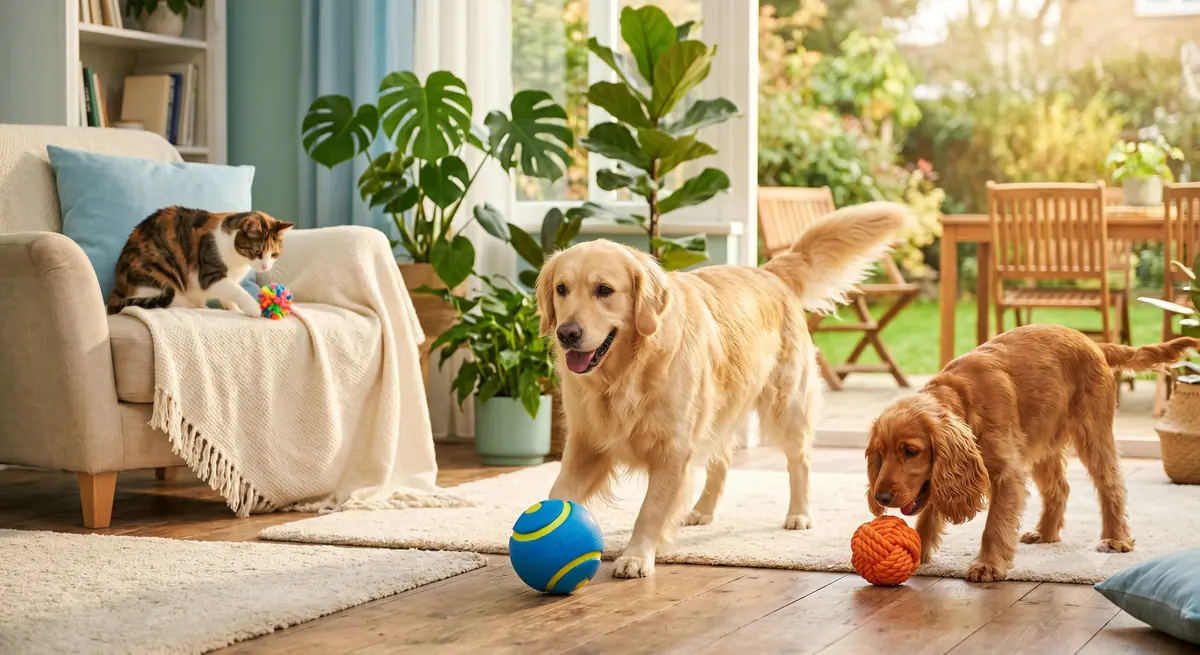
Size is the first thing to get right, because a ball that fits entirely behind the canine teeth can slide back and seal the airway. Pick one too wide to pass the back of the mouth, so the dog has to carry it between the front teeth rather than swallow it.
The test is quick. Hold the ball up beside your dog's muzzle and compare it with the gap between the upper canines. If it would sit comfortably inside that gap with room to spare, it is too small for that dog, no matter how pleased the dog looks with it. Deep-chested retrievers and other dogs with wide jaws regularly need the size above the one on the shelf.
Two balls at once is the version owners miss. A dog that can hold one behind its canines can sometimes stack a second one in behind the first, and the pair wedges where neither will come out. If your dog likes carrying a mouthful, buy a single ball big enough that there is physically no room for a passenger.
Size also decides the game. A ball small enough to swallow is small enough to vanish under the couch and small enough to be gulped on the run. A larger one slows a fetch down, stays visible from across the park, and is far easier to take out of a mouth when the game ends. Nothing else on this page matters if the size is wrong.
What Should Pet Owners Know About Different Types of Dog Balls and When to Use Each?
Answer: Natural rubber is the default for chewers, foam suits soft-mouthed dogs and water, rope-cored balls add a tug handle, and lit-up ones keep a dark field safe. Hollow and treat-stuffable shapes turn a fetch toy into a slow feeder, which changes what the dog does with it once the throwing stops.

Natural rubber is the default for chewers, foam suits soft-mouthed dogs and water, rope-cored balls add a tug handle, and lit-up ones keep a dark field safe. Hollow and treat-stuffable shapes turn a fetch toy into a slow feeder, which changes what the dog does with it once the throwing stops.
If you want even more options, check out our guide to dog tag.
Solid natural rubber is what survives a heavy chewer. It is heavy, it bounces unpredictably off the ground, and a good one is a single piece with no seam to split. Hollow rubber is lighter, bounces higher and more predictably, and can be stuffed with paste or kibble, but a hollow shell is also the shape that cracks first once a determined dog finds the opening.
Foam and soft fabric balls are for dogs who do not chew. They float, they are gentle on teeth, and they are the right answer for a soft-mouthed spaniel or a senior who still wants the game. They are also torn apart in minutes by anyone else, and the ripped pieces are exactly the shape that gets swallowed, so treat them as a supervised toy only.
Rope-cored balls give you something to hold, which turns fetch into tug and lets you play in a small yard. Lit-up balls, either the battery kind or the glow kind that charges under a lamp, matter more than they sound, because a dark field is where balls get lost and where a dog runs into things it cannot see. Treat-dispensing designs roll a reward out slowly and are the only ones here a dog can usefully work on alone.
Squeakers are a preference rather than a feature. A squeak switches on the finish of the hunt and makes some dogs noticeably keener, and it makes others destroy the toy to get at the noise, which means a swallowed plastic insert. Shoppers often arrive with one brand in mind, Chuckit being the usual one for launcher-friendly rubber, but the properties above decide how a ball behaves far more than the name printed on it.
What Should Pet Owners Know About Tennis Balls and Why They Wear Teeth Down?
Answer: A tennis ball is cheap, bouncy and everywhere, and it is also the wrong daily toy for a heavy chewer. The felt is abrasive and grinds the tips of the teeth flat over years of carrying, and a shell that splits into a cup is a classic choking shape.

A tennis ball is cheap, bouncy and everywhere, and it is also the wrong daily toy for a heavy chewer. The felt is abrasive and grinds the tips of the teeth flat over years of carrying, and a shell that splits into a cup is a classic choking shape.
The felt is the part people underestimate. It picks up grit from paths and sand from the beach, and that loaded nap works like a fine sandpaper every time the ball is rolled around the mouth. The wear shows up as flattened, shortened tips on the canines and incisors, and it builds over years rather than weeks, which is exactly why nobody notices it happening. If your dog carries a felt ball every day, it is worth asking your veterinarian to look at the tooth tips at the next check.
The split shell is the faster danger. A chewed tennis ball eventually tears into a dome, and a dome the width of a dog's throat can seal over the airway or be pulled down whole. A pressurized sports ball also compresses under a strong bite and springs back open at the back of the mouth, which is the mechanism behind the worst stories owners pass around.
None of this makes a tennis ball evil. For a gentle dog who fetches a few times a week and does not lie down and chew, felt is fine, and it is the size and weight most throwing arms are built around. The distinction that matters is carrying and chewing versus fetching: swap to solid rubber for any dog who treats it as a chew toy, and retire any ball the moment the seam opens or the felt starts to peel.
How to Run Fetch Without Wrecking a Dog's Joints?
Answer: Fetch is high-impact exercise, not a walk. The damage comes from hard skidding stops, from twisting catches taken in the air, and from a dog who will keep going long after it should have stopped. Warm the dog up first, throw low and along the ground, and end the game early.
Fetch is high-impact exercise, not a walk. The damage comes from hard skidding stops, from twisting catches taken in the air, and from a dog who will keep going long after it should have stopped. Warm the dog up first, throw low and along the ground, and end the game early.
You might also enjoy our recommendations for bowl dog.
Warming up takes a few minutes of brisk walking and a little trotting before the first throw. A dog taken straight out of the back seat into a sprint is doing the canine version of a cold start. The same applies at the end, where a few minutes of sniffing and walking lets everything come back down instead of stopping dead.
Throw so the ball rolls out rather than bounces up. A dog chasing a rolling ball runs in a straight line and slows to pick it up. A dog chasing a high bounce leaps, twists in the air and lands on one shoulder, which is the posture behind a lot of soft-tissue injuries. On wet grass a hard braking stop does the same job to the hips, so pick your surface as carefully as your throw.
Young dogs need the shortest sessions of all, because the growth plates at the ends of the long bones are still open and still soft. Repeated jumping and hard braking are the two things to keep away from a puppy or an adolescent, and the age those plates close varies by breed and by individual, so ask your veterinarian rather than guessing. For every dog, stop while it still wants more instead of when it finally quits.
What Should Pet Owners Know About Teaching a Reliable Drop and Knowing When to Retire Dog Balls?
Answer: The second ball is the whole trick. A dog that will not give one up almost always gives it up for an identical one, so carry two, show the spare, and throw it the instant the first hits the ground. Letting go becomes the thing that starts the next throw.
The second ball is the whole trick. A dog that will not give one up almost always gives it up for an identical one, so carry two, show the spare, and throw it the instant the first hits the ground. Letting go becomes the thing that starts the next throw.
That reversal, where handing the ball over continues the game instead of ending it, is what makes the cue stick. Name it once the pattern is reliable. Say the cue as the ball leaves the mouth, not before, so the word attaches to the action the dog is already doing. Never chase a dog who is holding out on you, because being chased is the reward it was fishing for, and never haul it out of a closed mouth, which teaches a dog to swallow or to guard.
Retire a ball on damage, not on looks. Check it every few sessions for a split seam, a missing chunk, a soft sticky patch where the rubber has perished, or a squeaker that has worked loose. One that has been punctured fills with saliva and grit and never dries properly, and one chewed down a size is now small enough to be swallowed by the dog that shrank it.
Wash them more often than feels necessary. Rubber and rope go in warm soapy water and dry fully before they go back in the basket, and anything that has been in a pond or a river gets rinsed the same day. Keep the collection in one tub and rotate a few out each week, since a ball that disappeared for a fortnight comes back interesting.
What Should Pet Owners Know About Ball Obsession as a Real Behavior Problem?
Answer: Some dogs stop being able to switch off. The signs are a dog who stares at the cupboard where the ball lives, who cannot greet people or sniff the grass while one is in play, who shakes and whines until it is thrown, and who finishes the walk more wound up than it started.
Some dogs stop being able to switch off. The signs are a dog who stares at the cupboard where the ball lives, who cannot greet people or sniff the grass while one is in play, who shakes and whines until it is thrown, and who finishes the walk more wound up than it started.
For related picks, take a look at our gsd toys roundup.
The mechanism is simple enough. Chasing a thrown ball runs the hunting sequence over and over with no settled ending, and a dog that gets a hit of that every single day starts to organize its whole life around it. Herding and retrieving breeds arrive most prone to it, which is why the pattern turns up so often in collies, spaniels and working-line retrievers.
The fix is not throwing harder until the dog is tired, because a fit dog only gets fitter and the arousal does not drain away. Put the ball out of sight, replace most sessions with sniffing walks, scatter feeding and training games, and bring fetch back as a short structured game with a clear start, a handful of throws and a clear end. Finish with something calm every time.
Build an off switch into the game itself. Ask for a sit and a pause between throws, reward the dog for looking away from the ball, and end by putting it in your pocket and walking on rather than waiting for the dog to lose interest. If it cannot settle at all once the ball is gone, or if it guards one from people or other dogs, that is worth raising with a qualified behaviorist rather than solving with more throwing.
What Should Pet Owners Know About Common Mistakes Owners Make with Dog Balls?
Answer: Buying for the dog's mouth instead of the dog's throat is the big one. The second is leaving a chewer alone with a ball and treating it as a safe solo toy. The third is throwing from a standing start on hard ground, every day, for a dog who never says no.
Buying for the dog's mouth instead of the dog's throat is the big one. The second is leaving a chewer alone with a ball and treating it as a safe solo toy. The third is throwing from a standing start on hard ground, every day, for a dog who never says no.
Solo chewing deserves its own warning. Fetch is a supervised game, and almost everything on this shelf is designed for a dog with a person attached. The one exception is a solid treat-dispensing design made for unsupervised work, and even that gets checked for damage before it goes down on the floor.
Throwing sticks and stones when the ball is lost is the mistake that sends dogs to an emergency clinic. A thrown stick can land upright and spear the mouth or throat, and stones crack teeth and cause blockages. Keep a spare in a coat pocket so the walk never reaches the point where something off the ground starts to look like a reasonable substitute.
The last one is shopping by picture. A ball photographed on a studio background tells you nothing about its weight, its bounce or whether it floats, and a listing that calls a toy indestructible is describing a marketing claim rather than a material. Read what it is made of, check the stated size against your dog's jaw, and judge the rest after a week of real use.
What Should Pet Owners Know About Getting the Best Value When Shopping for Dog Balls?
Answer: Buy fewer, better, and buy them in pairs. One solid natural rubber ball in the right size outlasts a bag of cheap ones, and a matching spare is what makes the drop easy to train and what saves a walk when the first one rolls into a hedge.
Buy fewer, better, and buy them in pairs. One solid natural rubber ball in the right size outlasts a bag of cheap ones, and a matching spare is what makes the drop easy to train and what saves a walk when the first one rolls into a hedge.
Multipacks are good value only when the dog is a gentle fetcher. For a chewer they are a slow way of buying the same failure several times over, since the thin felt and thin shells in a bargain pack are precisely the materials that split. Spend on one good ball for a chewer and keep the multipack for dogs who only ever carry.
Match the ball to the throwing arm before you buy either one. Arms and launchers are built around a standard diameter, so a size up will not seat in the cup and a size down flies out sideways. Check the stated diameter rather than trusting the brand, and buy the spares in the same size at the same time.
If you are refreshing the toy basket anyway, buy the fetch gear and the walking kit together and look hard at what is already worn out. Our dog toy range is a reasonable place to start, and remember that a ball is only as useful as the dog's willingness to bring it back, which is training rather than shopping.
Organizations like the VCA Animal Hospitals pet health library also offer trusted, science-backed advice that is well worth bookmarking.
What Questions Do Pet Owners Ask About Dog Balls?
Answer: Choosing dog balls well comes down to four things: matching the product to your pet's size and daily routine, checking the materials against how hard it will be used, setting it up or fitting it correctly, and inspecting it on a schedule. This guide covers each of those, plus the mistakes owners most often make.
What size ball is safe for my dog?
Choose one too wide to pass behind the canine teeth. Hold it beside the muzzle and compare it with the gap between the upper canines: if it would sit inside that gap with room to spare, go up a size. Wide-jawed retrievers and bully types often need the largest option on the shelf, and a dog that likes carrying two at once needs one big enough to rule that out.
Are tennis balls bad for dogs?
They are fine for occasional fetch and poor as a daily chew toy. The felt collects grit and acts like a fine sandpaper, wearing the tips of the canines and incisors flat over years, and a chewed shell can split into a dome that blocks the airway. If your dog lies down and chews rather than just retrieving, switch to solid rubber and keep felt for the park.
Why does my dog not bring the ball back?
Usually because giving it up ends the fun. Carry an identical spare, show it the moment your dog returns, and throw it as soon as the first ball is dropped, so letting go is what starts the next throw. Never chase a dog that is holding out, since being chased is the game it was angling for, and never pull a toy out of a closed mouth.
Is it bad to play fetch every day?
It can be, for two reasons. Repeated sprinting with hard skidding stops is tough on joints, and a daily chase keeps some dogs permanently wound up. Mix fetch with sniffing walks, scatter feeding and training games, keep sessions short and structured, and stop while your dog still wants more rather than when it finally runs out.
Can puppies play fetch?
In short, gentle sessions on soft ground, yes. The growth plates at the ends of a young dog's long bones are still open, so repeated jumping, twisting catches and hard braking stops are the things to avoid. Roll the ball rather than bouncing it, keep the game brief, and ask your veterinarian when your particular breed is mature enough for more demanding exercise.
Are squeaky balls safe?
For most dogs, yes, with supervision. The risk is a dog that chews the toy open specifically to reach the noise and then swallows the plastic insert. Check for splits after each session, retire anything that has been punctured, and if your dog's first move with a new toy is to hunt for the squeaker, buy solid rubber without one.
How often should I wash my dog's fetch toys?
Wash them in warm soapy water whenever they are muddy, slobbery or have been in a pond, then rinse and let them dry completely before they go back in the toy box. Rope-cored ones take longer to dry than they look. Anything punctured will hold water inside and will not dry at all, which is a good reason to throw it out.
What is a Chuckit ball and do I need one?
Chuckit is a well known American fetch-toy brand, and most people searching for it want a tough rubber ball sized to fit a throwing arm. You do not need that specific brand. What matters is solid rubber rather than felt, a diameter too large to pass behind the canines, and a size that matches whatever launcher or arm you already own.