Dogs cool themselves mainly by panting, which is inefficient exactly when they need it most: humid summer afternoons, stuffy apartments, cars, and post-walk recovery. A cooling pad gives your dog a low-effort way to dump body heat through the belly and chest, the areas with the thinnest fur.
This guide compares the three pad technologies, explains which dogs genuinely need one, and covers the safety rules, because a cooling pad is comfort equipment, not heatstroke treatment.
How Cooling Pads Actually Work
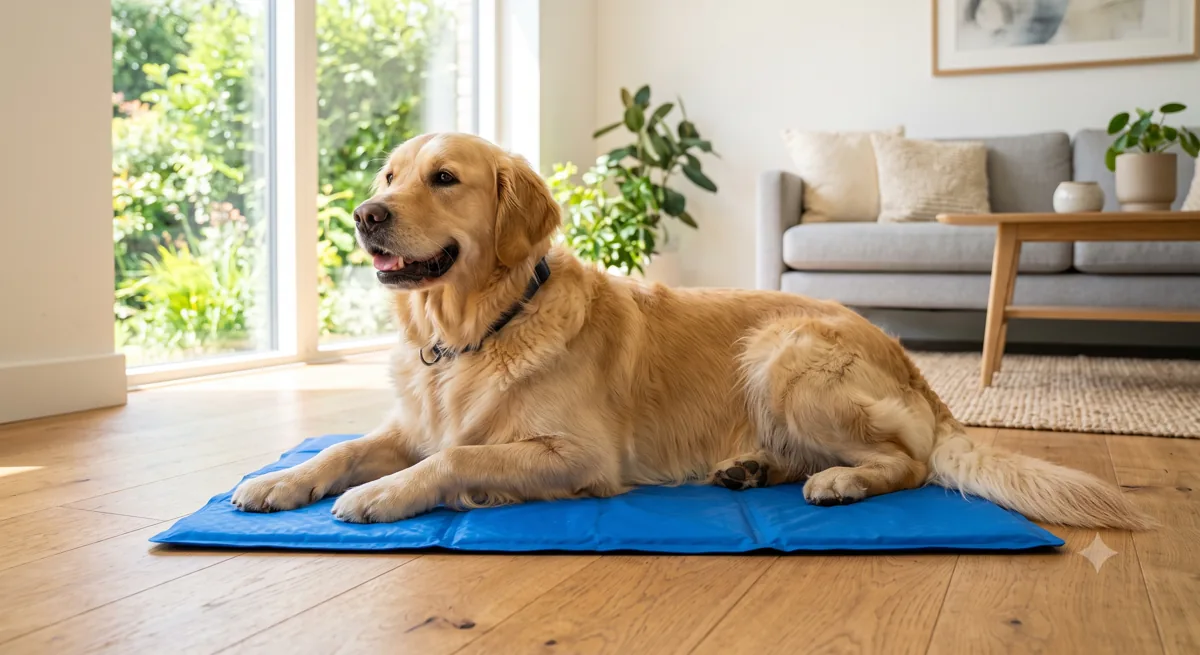
Pressure-activated gel pads are the most common type. The gel inside absorbs body heat on contact and recharges itself after a few minutes unoccupied. No water, power, or fridge required, which makes them the easiest to live with.
Water-filled pads cool more aggressively, especially if filled with chilled water, but they are heavier, can leak if punctured, and need refilling. They suit patios and short supervised sessions.
Elevated mesh cots are not cold themselves; they work by letting air circulate under the dog. Outdoors in shade, that airflow often outperforms gel, and there is nothing to puncture or recharge.
Which Dogs Need One Most
Flat-faced breeds top the list. Bulldogs, pugs, boxers, and other brachycephalic dogs pant inefficiently and overheat at temperatures other dogs shrug off. For these breeds a cooling surface is closer to essential summer equipment than a luxury.
Thick double-coated breeds (huskies, malamutes, shepherds), overweight dogs, seniors, and dogs with heart or respiratory conditions come next. Puppies also regulate temperature poorly during their first months.
Healthy young dogs in mild climates benefit too, just less critically: better sleep in warm bedrooms, faster recovery after fetch, and a defined cool spot that keeps them off your tile floors.
Choosing Size, Durability, and Placement
Size up. Your dog should fit their whole body, sprawled flat, on the pad; cooling only happens where skin contact happens. Measure your dog stretched out on their side and pick the next size larger.
Durability matters more with pads than most gear because the failure mode is a chewed or clawed puncture. Look for multi-layer nylon surfaces and puncture-resistant claims if your dog digs before lying down. Determined chewers should be supervised with any gel product and may do better with an elevated cot.
Placement is half the value: on shaded floor away from direct sun indoors, under a chair or tree outdoors, never in a hot car. A pad in sunlight becomes a warm pad within minutes.
Safety and Heat Awareness
A cooling pad is comfort gear. It does not make a hot environment safe, and it is never a treatment for an overheating dog. Shade, drinking water, and rest come first; the pad is the bonus layer on top.
Know the escalation signs: frantic panting, thick drool, bright red gums, wobbliness, or collapse mean move to shade, offer water, wet the belly and paws with cool (not ice-cold) water, and call a vet immediately. The AVMA pet owner resources cover warm weather safety in more depth.
Check gel pads regularly for punctures. Quality pads use non-toxic gel, but no gel belongs in a dog's stomach; retire a leaking pad the day you find damage.
Cleaning, Storage, and Off-Season
Wipe gel pads with mild soap and water; never machine-wash a sealed gel product. Water pads should be emptied and air-dried before storage to prevent mildew. Elevated cots take a hose-down and occasional frame tightening.
Store gel pads flat or loosely rolled in a cool closet over winter; folding hard creases the chambers and shortens their life. If your dog loves the pad year-round, pairing it with an elevated dog bed gives them a cooling option in every season.
Frequently Asked Questions
Do cooling pads for dogs actually work?
Yes, within their design limits. Pressure-activated gel absorbs body heat through the dog's belly and chest and recharges when unoccupied, while elevated cots cool by airflow. Both measurably help comfort in warm rooms and shaded outdoor spots. Neither substitutes for shade, water, and a cool environment on dangerous heat days.
How long do gel cooling pads stay cold?
Pressure-activated pads typically provide a stretch of active cooling under a dog's body, then need a few minutes unoccupied to recharge as the gel releases stored heat. In practice dogs get up, wander, and return, which lets the pad reset naturally throughout the day.
Are gel cooling pads safe if my dog chews one?
Reputable pads use non-toxic gel, but ingestion can still upset a dog's stomach and any punctured pad should be retired immediately. If your dog digs or chews bedding, supervise early sessions, or choose an elevated mesh cot, which cools by airflow and has nothing to puncture.
What size cooling pad should I buy?
Big enough for your dog to lie fully stretched on their side with the whole body in contact. Measure your dog sprawled out and choose the next size up. Cooling happens only where skin and pad touch, so a too-small pad wastes most of its potential.
Which dog breeds overheat most easily?
Flat-faced breeds like bulldogs, pugs, and boxers overheat fastest because panting works poorly through shortened airways. Thick-coated northern breeds, overweight dogs, seniors, and dogs with heart or airway disease follow close behind. For these dogs, summer cooling equipment and caution on warm days are essential rather than optional.
Browse Dog Accessories
Free US shipping on every order. No minimum purchase required.
Browse Accessories →