If you are looking for the best best cat toys 2026, this comprehensive guide covers everything you need to know. Whether you are a first-time pet owner or an experienced one looking to upgrade, you will find practical advice, safety tips, and honest comparisons below.

This article is for general informational purposes only and is not a substitute for professional veterinary advice, diagnosis, or treatment. Always consult your veterinarian about any health concerns, dietary changes, medication, or product safety questions specific to your pet. If your pet shows signs of distress, illness, or injury, contact a licensed veterinarian or emergency animal hospital immediately. For background context, see the reference at ASPCA.
Why Indoor Cats Need the Right Best Cat Toys 2026
Indoor cats face a unique challenge: they have strong predatory instincts but no natural prey to chase. Without appropriate outlets, these instincts surface as behavioral problems including nighttime zoomies, attacking ankles, or excessive grooming. The right best cat toys 2026 simulate hunting sequences and provide the stimulation cats need to stay balanced.
When we evaluate cat toys 2026 for the Livehappypet readers, we focus on three things we wish more buying guides flagged: material safety, sizing accuracy, and supervision requirements. We've found those decide the buying outcome more than brand alone.
Cat parents might also find our top rated cat toys guide helpful.
Cats that lack enrichment often gain weight from inactivity and develop stress-related conditions like urinary tract problems. Veterinary behaviorists consistently identify inadequate play as a top contributor to feline obesity, which affects over 60% of indoor cats. Regular toy-based play sessions lasting 10-15 minutes, twice daily, can dramatically improve your cat's physical and mental health.
Interactive toys also reduce multi-cat household tension. When cats have appropriate outlets for their energy, they are less likely to redirect aggression toward housemates. Wand toys, laser pointers, and puzzle feeders give each cat individual enrichment time that reduces competition and territorial behavior.
Types of Best Cat Toys 2026 Every Cat Owner Should Know
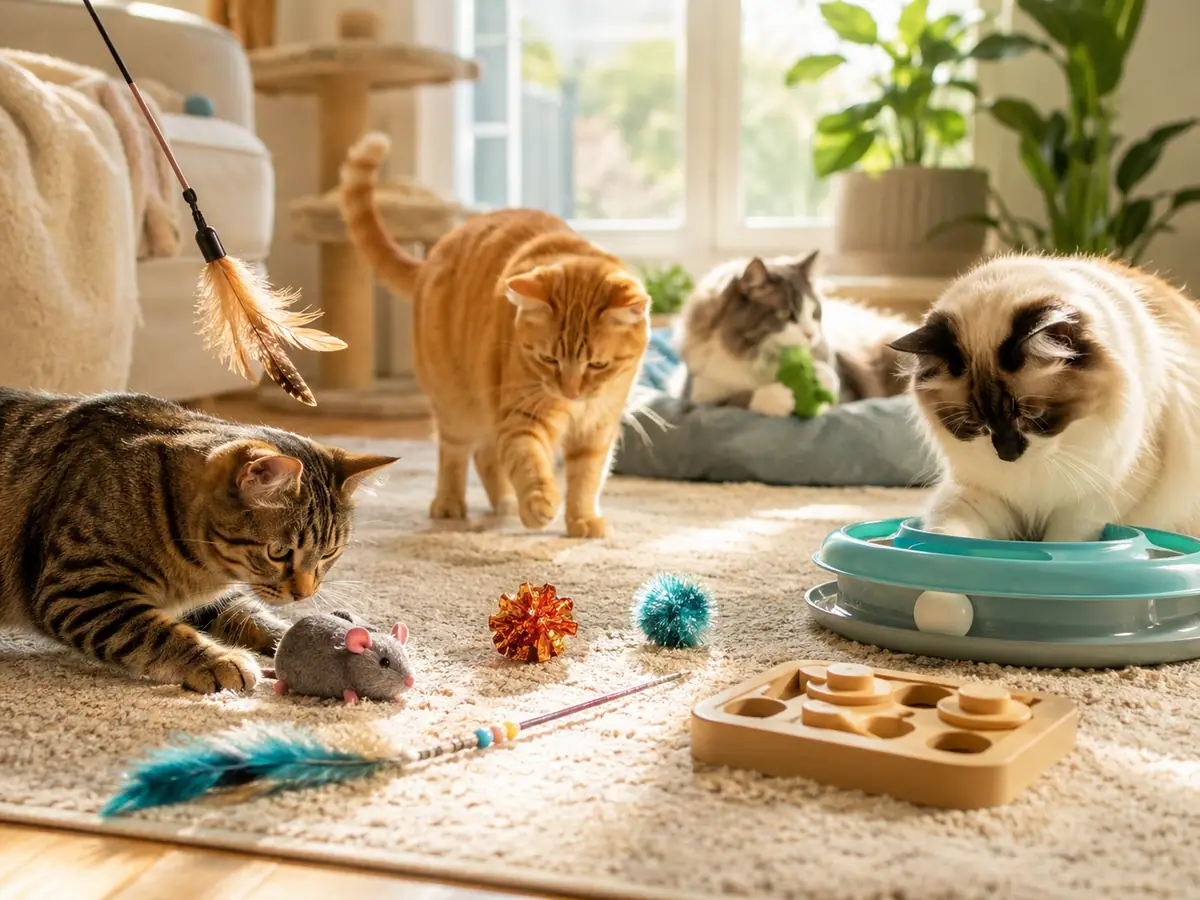
Wand and teaser toys are the most effective category for interactive play. These toys mimic the movement of prey animals, triggering your cat's stalk-chase-pounce sequence. Feather wands simulate birds, while string attachments mimic snakes or insects. Move the toy away from your cat, not toward them, to create realistic hunting scenarios.
Honestly, we've reviewed enough cat toys 2026 listings to know that the cheapest option is rarely the best value once durability is factored in. We weigh longevity in our recommendations.
Puzzle feeders and food toys replace the mental stimulation that outdoor cats get from hunting. Instead of eating from a bowl, your cat works to extract food from a maze, ball, or tower. Start with simple designs that dispense food easily and progress to more challenging options. Many cats that seem uninterested in puzzles simply need an easier starting point.
Self-play toys keep cats entertained during your absence. Battery-powered toys that move unpredictably, crinkle balls, and spring-loaded mice provide solo entertainment. However, no self-play toy fully replaces interactive sessions with a human. Think of these as supplements, not substitutes, for your direct engagement.
For more feline-friendly picks, browse our gifts for cat lovers roundup.
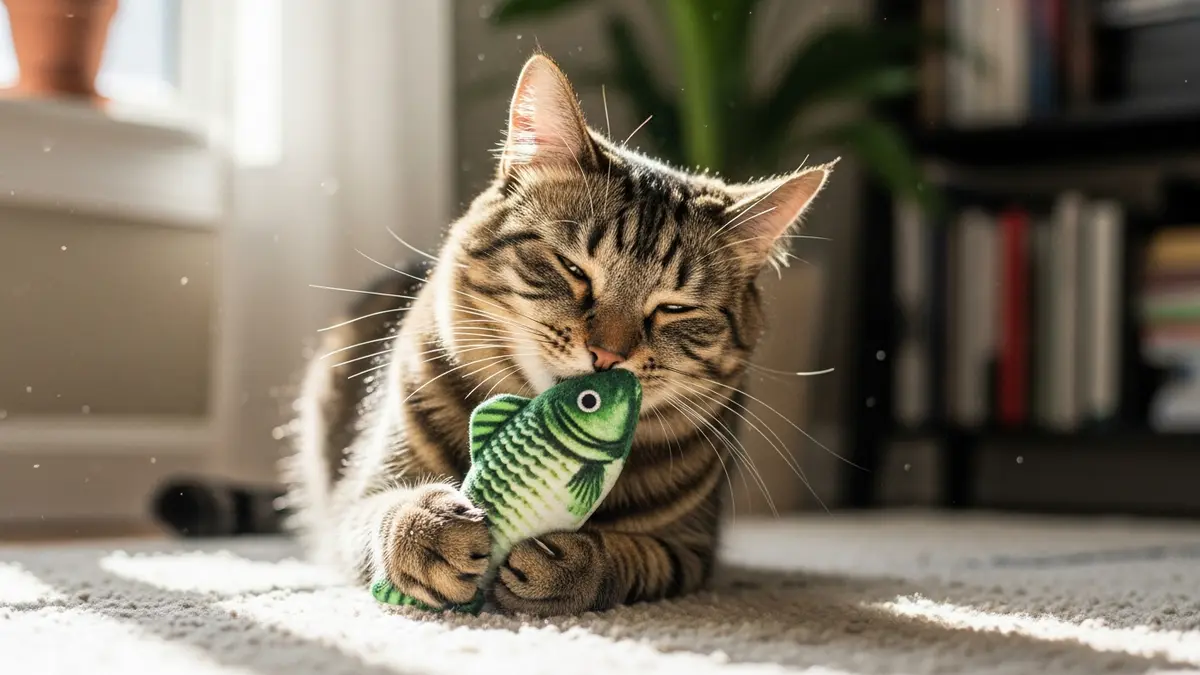
Catnip and silvervine toys trigger a temporary euphoric response in roughly 70% of cats. The effect lasts 5-15 minutes and is completely harmless. If your cat does not respond to catnip, try silvervine or valerian root, which activate different receptors and appeal to cats that ignore catnip entirely.
Safety Considerations for Best Cat Toys 2026
String, ribbon, and yarn are among the most dangerous items for cats. While cats love playing with linear materials, swallowing them can cause a life-threatening intestinal obstruction called a linear foreign body. Always supervise string-based play and store wand toys out of reach when you are not actively playing.
Small parts like bells, plastic eyes, and pom-pom decorations present choking hazards for cats. Before giving your cat any toy, test whether small components can be pulled or chewed off. Many inexpensive cat toys sold online include poorly attached bells that cats can detach within minutes of play.
Laser pointers require responsible use. While cats love chasing the red dot, ending a laser session abruptly can cause frustration because the cat never catches their "prey." Always end laser play by directing the dot onto a physical toy or treat that your cat can capture. This completes the hunting cycle and prevents obsessive light-chasing behavior.
Play Strategies That Work with Best Cat Toys 2026
Schedule play sessions before meals to replicate the natural hunt-catch-eat cycle. In the wild, cats hunt, capture prey, eat, groom, and sleep in that order. Playing before mealtime satisfies this biological sequence and often results in a calmer, more contented cat after eating.
If your cat needs variety, our best cat toys guide has great suggestions.
Vary your play style to prevent habituation. Use different toys on different days, change your movement patterns, and alternate between floor play and elevated play. Cats that always chase the same feather wand in the same pattern will eventually lose interest. Unpredictability is what makes prey exciting.
End play sessions on a successful catch, not mid-chase. Let your cat grab the toy, deliver a "kill bite," and carry their prize around the room. This sense of accomplishment is critical for your cat's psychological satisfaction. Ending play abruptly while the cat is still in chase mode leads to frustration and redirected aggression.
Building an Enriching Environment with Best Cat Toys 2026
Vertical space is as important as horizontal space for cats. Cat trees, wall shelves, and window perches expand your cat's territory vertically, which is how cats naturally prefer to navigate their environment. Position cat furniture near windows for bird-watching opportunities that provide visual stimulation throughout the day.
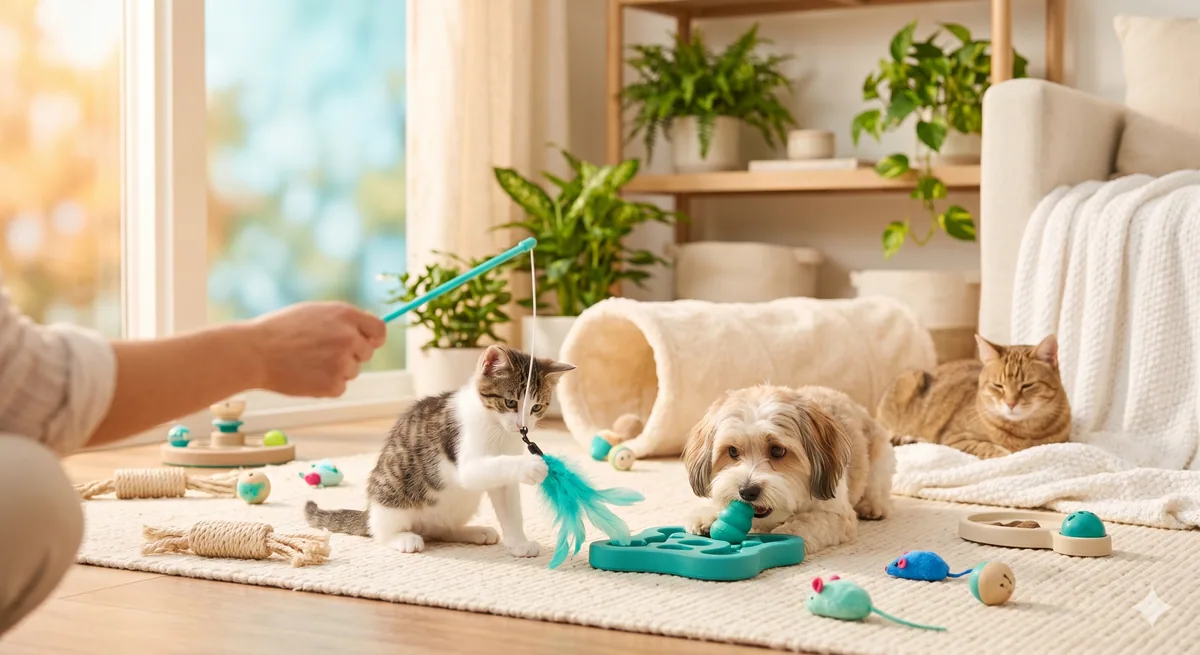
Rotate toys every 3-4 days using the same strategy dog owners use. Keep 3-4 toys available and store the rest. When reintroduced after a few days, familiar toys regain their novelty appeal. Sprinkle stored toys with catnip or silvervine before reintroducing them for an extra engagement boost.
Create foraging stations around your home. Hide small portions of kibble in puzzle toys placed in different rooms. This encourages your cat to move around, explore, and problem-solve throughout the day rather than sleeping 20 hours and eating from a single bowl.
We also put together a complete guide to best interactive cat toys worth checking out.
Indoor Enrichment Needs: Best Cat Toys 2026 Solutions
Indoor cats need approximately twice the environmental enrichment of outdoor cats because they lack access to natural stimuli like bugs, birds, leaves, and changing weather. This enrichment gap is entirely manageable with the right combination of toys, play sessions, and environmental modifications.
Window bird feeders placed outside your cat's favorite window provide hours of visual entertainment. Combined with a comfortable perch and a wand toy for when your cat gets particularly excited, this setup creates an enrichment station that requires minimal effort from you.
Consider "catios" or enclosed outdoor spaces if your living situation allows. Even a small balcony enclosure gives your cat access to fresh air, natural sounds, and outdoor smells. Add some cat-safe plants like cat grass and a few outdoor-rated toys for a complete enrichment experience.
Choosing Best Cat Toys 2026 for Kittens vs Adult Cats
Kittens under six months play with almost anything, but they need toys sized for their small mouths and developing coordination. Lightweight balls, small plush mice, and short wand toys with feather attachments are ideal. Avoid heavy or complex puzzle toys until your kitten has developed enough dexterity to interact with them, usually around 8-10 months.
Adult cats between one and ten years benefit from the widest range of toy types. This is when puzzle feeders, electronic toys, and challenging interactive options become most appropriate. Pay attention to your individual cat's preferences, as some adults prefer ground-level stalking while others favor aerial pouncing.
Senior cats over ten years may have reduced mobility but maintain their hunting instincts. Low-profile puzzle feeders, slow-moving electronic toys, and gentle wand play keep senior cats engaged without demanding physical exertion they cannot comfortably provide. Shorter, more frequent play sessions work better than long, intense ones for aging cats.
Best Cat Toys 2026: Feature Comparison Table
Use this comparison table to evaluate different types of best cat toys 2026 based on the factors that matter most for your cat's needs and your lifestyle.
Conclusion
Picking the right option for your cat is less about finding a single "best" product and more about matching the choice to your cat's size, age, play style, and your home environment. The recommendations above cover the main scenarios most pet owners run into, so use them as a checklist when comparing options.
Start with one or two changes, watch how your cat responds for a week or two, then iterate. Pets show you very quickly what works for them. If a toy, feeder, or routine is ignored or causes stress, swap it out without hesitation. The goal is a happier, healthier cat every day.
Frequently Asked Questions
How much playtime do cats need?
Most indoor cats benefit from two 15-minute interactive play sessions per day, one in the morning and one in the evening. This schedule aligns with their natural crepuscular hunting patterns, when cats are most active at dawn and dusk. Kittens may need more frequent shorter sessions, while senior cats may prefer 10-minute sessions.
Why does my cat ignore expensive toys?
Cats prioritize movement and unpredictability over appearance or cost. An expensive toy that sits still is less interesting than a crinkled piece of paper that moves. When introducing new toys, animate them with realistic prey-like movements. Many cats need 2-3 exposure sessions before engaging with an unfamiliar toy.
Are laser pointers safe for cats?
Laser pointers are safe when used responsibly. The key is always ending the session by directing the dot onto a physical toy or treat that your cat can capture. This prevents frustration from never catching the "prey." Never shine the laser directly into your cat's eyes, and limit sessions to 5-10 minutes to prevent obsessive behavior.
What toys do indoor cats need?
Indoor cats need a combination of interactive wand toys for supervised play, puzzle feeders for mental stimulation during meals, self-play toys for alone time, and vertical climbing structures for exercise. A minimum of one toy from each category ensures comprehensive enrichment. Rotate toys every 3-4 days to maintain novelty.
Can cats play with dog toys?
Some dog toys are appropriate for cats, but many are too large, too heavy, or made with materials that are not safe for cats. Small rubber balls, lightweight rope toys, and simple puzzle feeders designed for small dogs can work well for cats. Avoid dog toys with squeakers that cats might extract, and never give cats toys small enough to swallow.
How do I know if my cat is bored?
Signs of boredom in cats include excessive sleeping (more than 18 hours daily), overeating, overgrooming that causes bald patches, attention-seeking behaviors like knocking items off surfaces, and aggression toward housemates. If your cat shows these signs, increase interactive play sessions and add environmental enrichment like puzzle feeders and window perches.
Why does my cat bring toys to me?
When your cat brings you a toy, they are likely initiating play or displaying hunting behavior. In the wild, mother cats bring prey to their kittens to teach hunting skills. Your cat may be treating you as family and sharing their "catch." Respond by engaging in a brief play session to reinforce this social behavior and strengthen your bond.