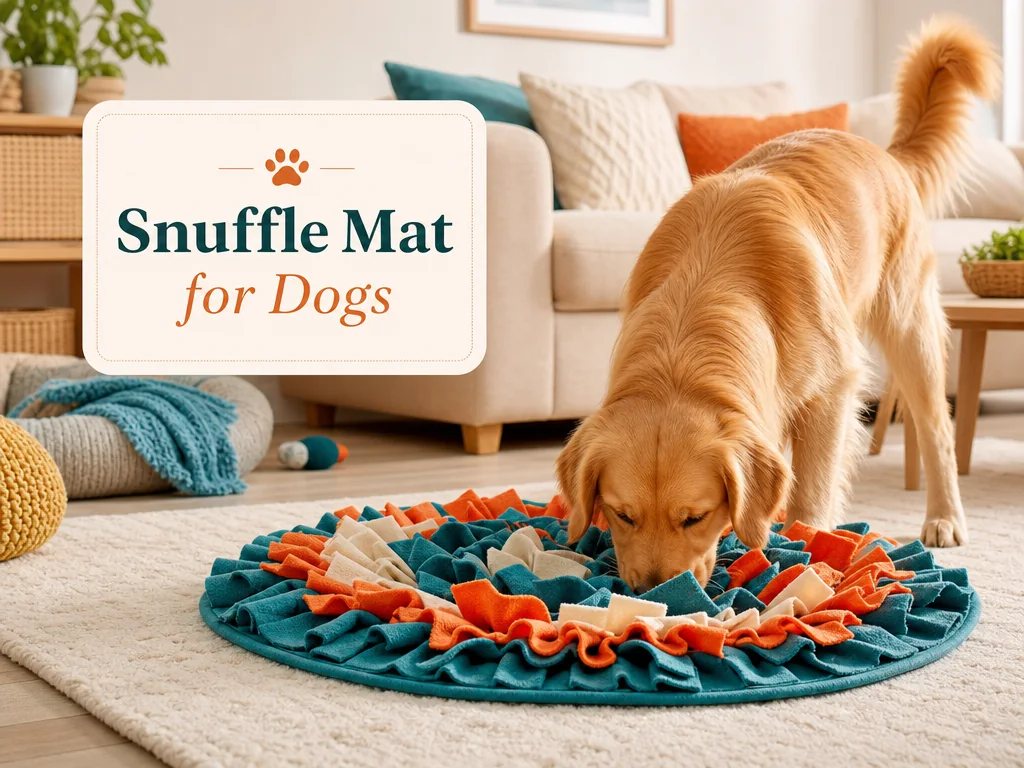
Snuffle mat for dogs is one of the easiest enrichment tools to add to a home routine. It looks simple: a soft mat with fabric folds where you hide kibble or small treats. But to a dog, that mat turns mealtime into a scent game, slows down fast eating, and gives the brain a job to do.
The best part is that a snuffle mat does not require a huge yard, complicated training, or expensive equipment. It works in apartments, rainy afternoons, recovery days, and busy mornings when your dog needs a calm outlet. Still, it should be used thoughtfully. The wrong mat, too many treats, or unsupervised chewing can turn a helpful tool into a frustrating one.
This guide explains how to choose, use, clean, and rotate a snuffle mat safely. It is written for real pet parents who want a practical answer, not a list of vague enrichment claims.
This article is for general informational purposes only and is not a substitute for professional veterinary advice, diagnosis, or treatment. Always consult your veterinarian about behavior changes, dietary concerns, swallowing risks, allergies, or safety questions specific to your dog.
Why Snuffle Mats Help Dogs
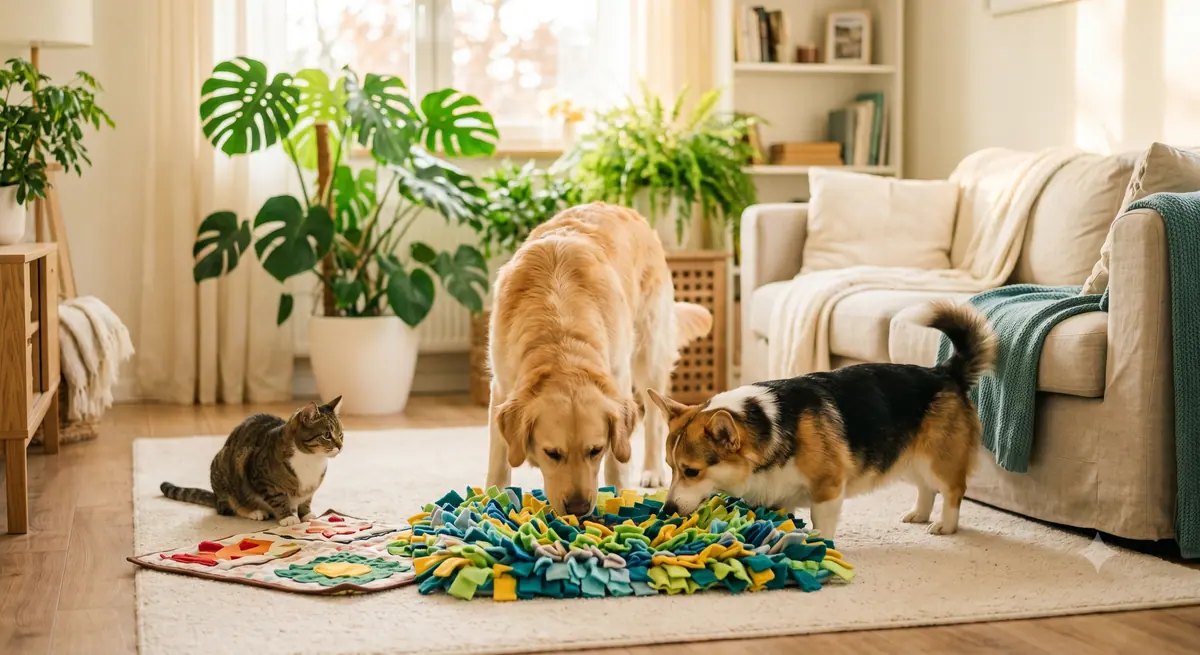
Dogs experience the world through scent. A walk is not only exercise, it is a stream of information. When a dog sniffs grass, furniture, another dog, or a food puzzle, the nose and brain work together. A snuffle mat uses that natural instinct in a simple indoor format.
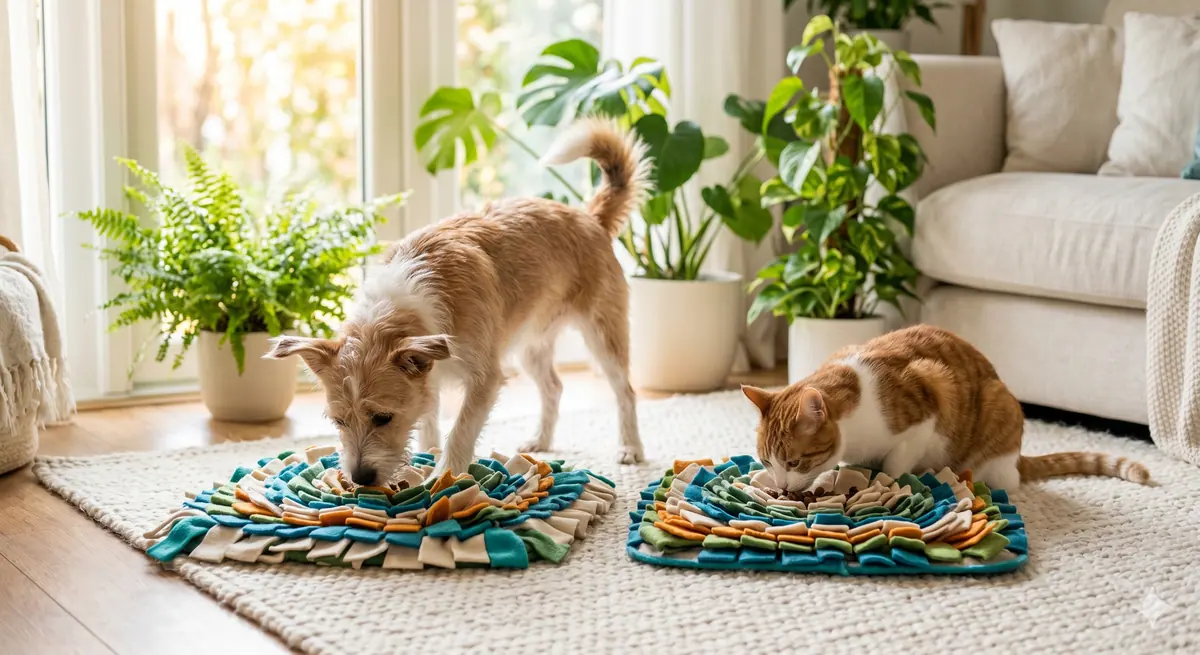
For dogs that eat too quickly, a mat can slow meals by forcing them to search. Instead of inhaling kibble from a bowl, they have to move fabric folds with their nose and mouth. This can make mealtime last longer and feel more satisfying. It is not a medical treatment for gulping, bloat risk, or digestive problems, but it can be part of a slower feeding strategy your veterinarian approves.
Sniffing can also be calming. Many dogs become less frantic when they have a focused, low-impact task. That is why snuffle mats are useful on stormy days, after surgery when activity is restricted, or before guests arrive. The activity is quiet, structured, and rewarding.
The American Humane guidance on choosing safe toys for pets reminds owners to choose toys based on size, safety, and supervision. That same logic applies here. A snuffle mat is only beneficial when it matches your dog and is used responsibly.
How to Choose the Right Mat
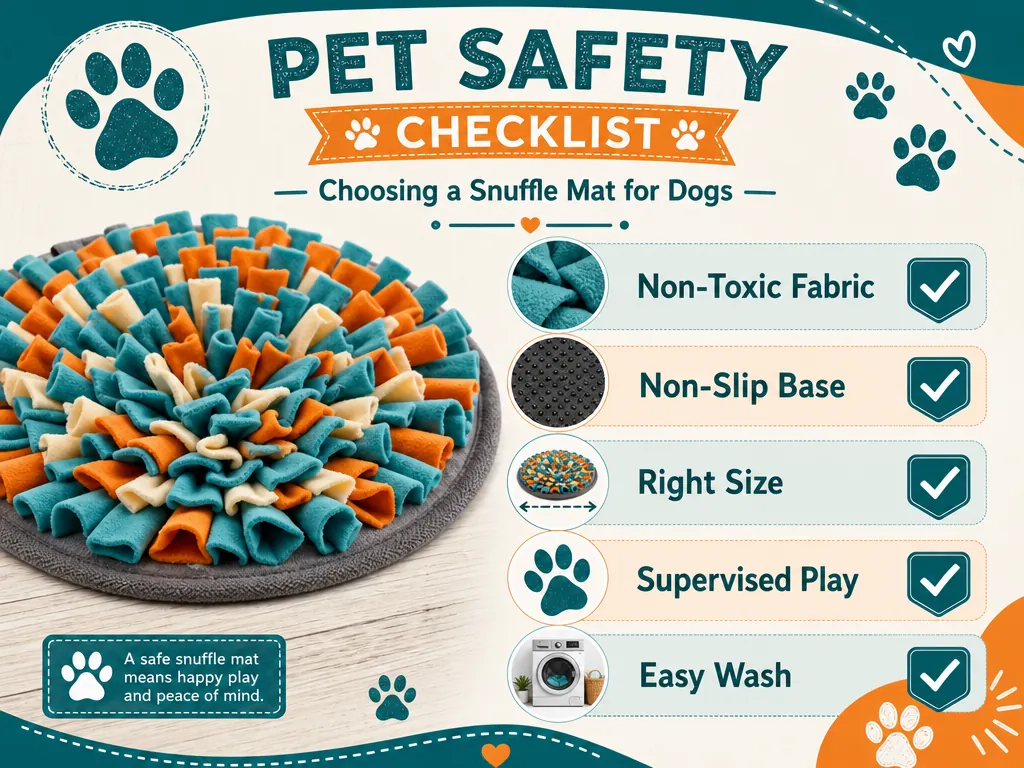
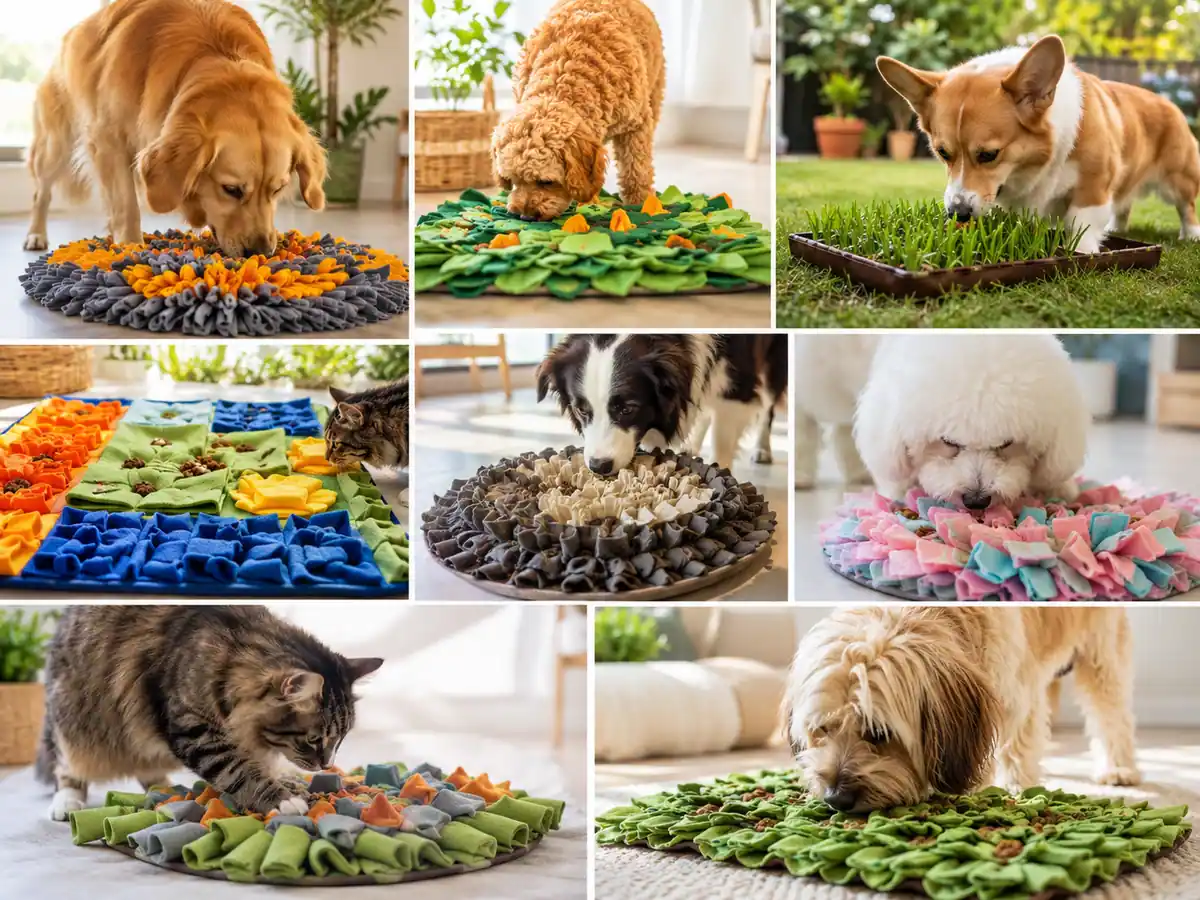
Start with size. A tiny mat can frustrate a large dog because the search area is too limited. A huge mat can overwhelm a puppy or toy breed. Choose a mat that gives your dog enough room to sniff without requiring them to climb, drag, or chew the whole item.
Material matters too. Look for soft, non-toxic fabric with secure stitching. Fleece is common because it hides kibble well and feels gentle on the nose. Avoid loose strips that shed easily, rough edges, strong chemical smells, or decorative pieces that could be swallowed. If your dog is a dedicated chewer, introduce the mat carefully and remove it when the food is gone.
A non-slip base is helpful on tile or hardwood floors. Sliding mats can frustrate dogs and may encourage pawing or grabbing. If the mat does slide, place it on a rug or use a stable feeding area. For senior dogs, comfort and stability matter more than difficulty.
How to Use a Snuffle Mat Safely
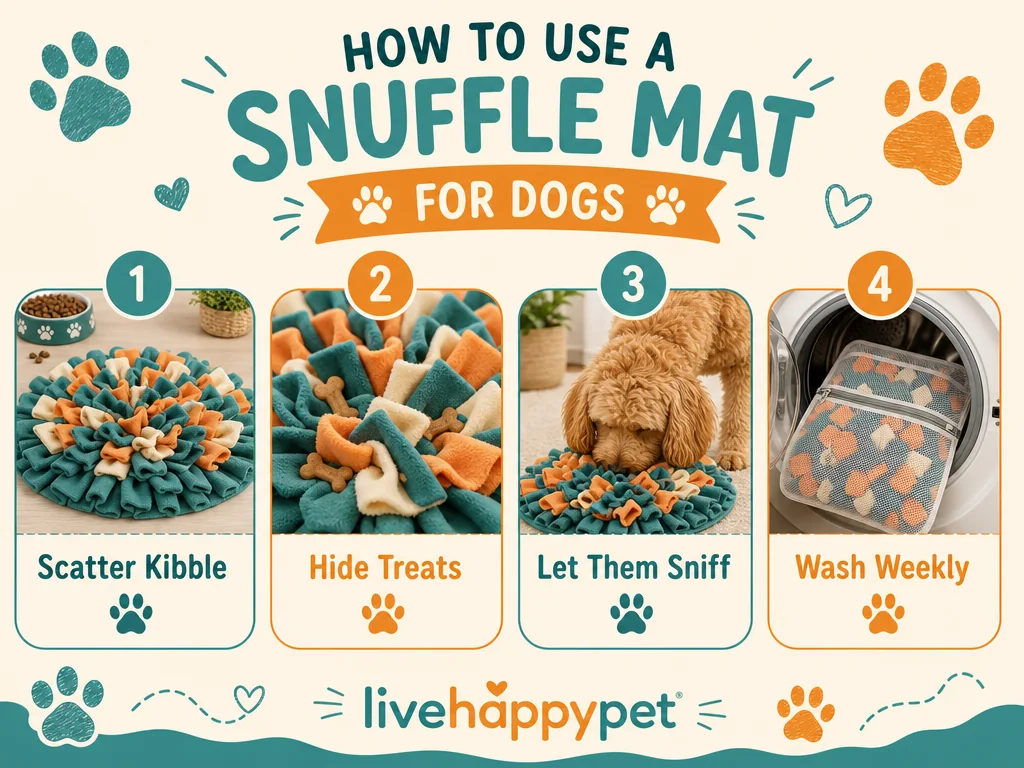
Begin easy. Sprinkle a few pieces of kibble on top of the mat where your dog can see them. Let your dog sniff and eat. After a few sessions, tuck pieces slightly deeper into the folds. The goal is confidence, not confusion. If your dog paws aggressively, barks, or starts chewing fabric, make it easier and supervise more closely.
Use part of your dog's regular meal instead of adding a pile of extra treats. This keeps calories under control and makes the mat part of a healthy routine. If you use treats, break them into tiny pieces. Strong-smelling treats work well because the scent helps your dog understand the game.
Supervision is important. A snuffle mat is not a chew toy. When the food is gone, pick up the mat. Dogs that like to shred fabric should only use it while you are present. If your dog has a history of swallowing cloth, ask your veterinarian before using fabric enrichment.
Standiford Veterinary Center notes that snuffle mats can support mental stimulation and encourage dogs to use their strong sense of smell in food-based enrichment. Their overview of nutrition for canine enrichment is a helpful reminder that food puzzles should be used thoughtfully, not as random treat dispensers.
Where It Fits in a Daily Routine
A snuffle mat works best when it has a clear job. Use it for breakfast when mornings are rushed, as a decompression activity after a walk, or as a calm task before bedtime. Some dogs also benefit from a short snuffle session before being left alone, as long as they do not guard or chew the mat.
It should not replace exercise. Dogs still need walks, play, training, and social time. Think of a mat as mental enrichment, not a full lifestyle plan. A young working breed may need fetch, tug, obedience practice, and outdoor sniffing in addition to mat work. A senior dog may use the mat as gentle enrichment on days when joints feel stiff.
For variety, rotate the mat with other activities. Pair it with a dog puzzle toy, a safe chew, or a calm training session. If your dog likes food-based enrichment, browse our dog toys and accessories for options that match your dog's size and play style.
A useful weekly rhythm is simple. Use the snuffle mat two or three times, a puzzle toy once or twice, and ordinary bowl feeding on the remaining meals. This keeps the mat special. If you use it for every meal, some dogs lose interest, while others become too dependent on the game.
Cleaning, Storage, and Replacement
Snuffle mats collect crumbs, saliva, hair, and dust. Shake the mat after every session. Spot clean small messes right away. Wash it weekly if it is used often, or sooner if it smells. Follow the product label because some mats can go in the washing machine while others need hand washing.
Drying matters. A damp mat can develop odor and bacteria. Lay it flat or hang it where air can move through the fabric. Do not store it in a sealed bin while wet. If your dog has allergies or sensitive skin, clean more often and avoid heavily scented detergents.
Replace the mat when fabric strips loosen, stitching fails, rubber backing cracks, or your dog starts pulling pieces off. A worn mat is not a bargain. It can become a swallowing hazard. The same rule applies to all enrichment toys: if you would not feel comfortable letting your dog use it under supervision, it is time to retire it.
Common Mistakes to Avoid
The first mistake is making the puzzle too hard too fast. Dogs do not automatically understand every enrichment toy. If the first session is frustrating, your dog may bark, paw, chew, or walk away. Start easy and build difficulty gradually.
The second mistake is using messy foods on a fabric mat. Peanut butter, yogurt, and wet food are better suited to lick mats or washable stuffable toys. On a snuffle mat, they smear into fabric folds and become difficult to clean. Stick with kibble and dry treats unless the product is made for wet food.
The third mistake is leaving the mat out all day. Once the food is gone, the activity is over. Put the mat away. This protects the mat, prevents chewing, and keeps the game interesting for next time.
The final mistake is ignoring behavior changes. If your dog suddenly guards the mat, becomes frantic around food, coughs, gags, or eats fabric, stop using it and consult a professional. Enrichment should reduce stress, not create new problems.
FAQ About Snuffle Mat for Dogs
Are snuffle mats good for dogs?
Yes. Snuffle mats are good for many dogs because they encourage sniffing, slow down meals, and turn food into a calm problem-solving activity. They work best with supervision and the right size mat.
Can puppies use a snuffle mat?
Most puppies can use a snuffle mat once they are eating solid food, but sessions should be short and supervised. Choose a soft mat, use tiny treats, and remove it if your puppy tries to chew or swallow fabric.
How long should a dog use a snuffle mat?
Start with 5 to 10 minutes. Many adult dogs enjoy 10 to 20 minute sessions, depending on food amount and difficulty. End the session while your dog is still calm and interested.
Can a snuffle mat replace a walk?
No. A snuffle mat supports mental enrichment, but it should not replace walks, training, outdoor sniffing, or veterinary care. Use it as one part of a balanced routine.
How do you clean a snuffle mat?
Shake out crumbs after every use, spot clean small messes, and wash weekly or whenever the mat smells. Follow the product label. Let it dry fully before the next session to prevent odor and bacteria buildup.
What treats work best in a snuffle mat?
Dry kibble, small training treats, freeze-dried pieces, and tiny low-fat snacks work well. Avoid sticky, greasy, or wet foods unless the mat is designed for them and can be cleaned thoroughly.
Build a Calmer Enrichment Routine
Explore dog toys selected for safe play, supervised enrichment, and happy daily routines.
Shop Dog Toys